



By Global News Desk
The intersection of climate change and human migration has reached a harrowing flashpoint in Southern Africa. A new, comprehensive report from Amnesty International has shed light on the dire plight of thousands of Angolan nationals who, driven by the catastrophic failure of their traditional livelihoods due to recurring drought, have fled to neighboring Namibia. Once there, however, these displaced families—predominantly women and children—find themselves trapped in a legal vacuum, subjected to arbitrary detention, systemic neglect, and the constant, looming threat of forced deportation.
The Human Cost of a Changing Climate
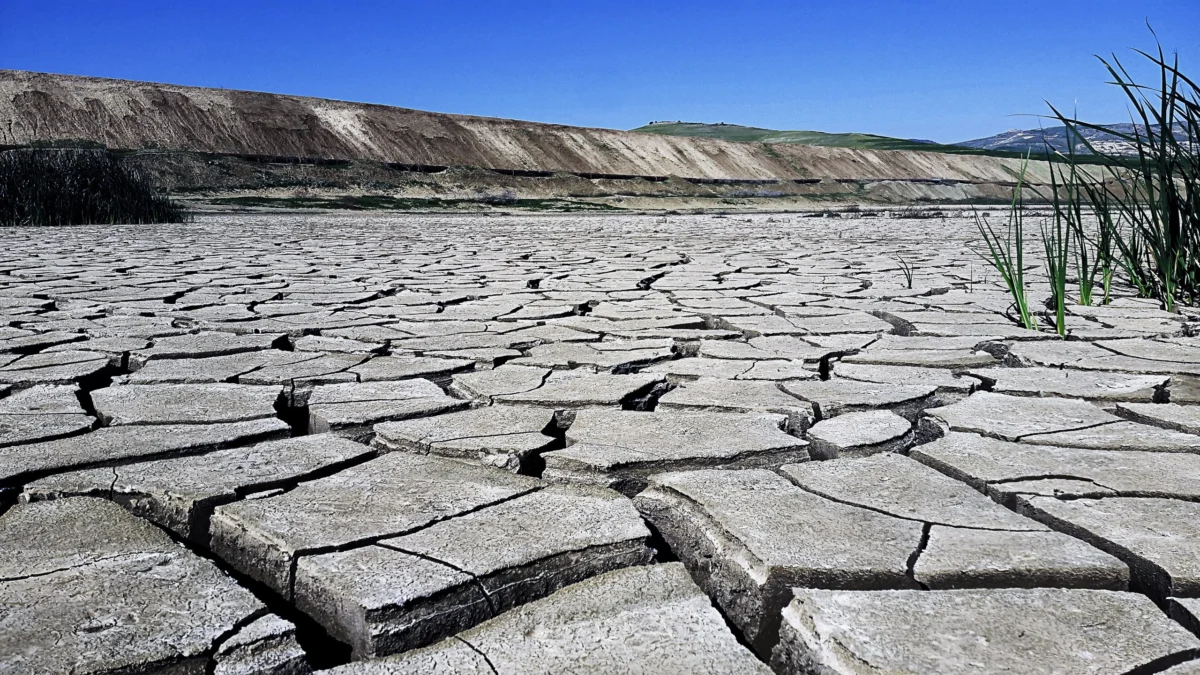
For years, the southern provinces of Angola have been gripped by a relentless cycle of extreme weather. Consecutive seasons of failed rains, exacerbated by the global El Niño phenomenon, have decimated the agricultural foundations of the region. Traditional farming practices, which sustained communities for generations, have collapsed under the weight of scorched earth and vanished livestock.
Amnesty International’s latest findings document the harrowing reality for those who have crossed the border in search of survival. As they enter Namibia, these individuals encounter a host country ill-equipped to handle the nuances of climate-induced migration. Lacking formal recognition or status, these refugees are not merely struggling for food and water; they are struggling for their fundamental human rights. The report highlights that displaced Angolans are frequently met with state-sanctioned hostility, including arrests and detentions that ignore the humanitarian nature of their displacement.
"Namibian authorities must establish a rights-based approach to migration, ensuring that people displaced by drought and other natural disasters can access basic rights, including registration and documentation," stated Tigere Chagutah, Amnesty International’s Regional Director for East and Southern Africa. His call to action underscores a systemic failure: the current immigration frameworks in the region are relics of a bygone era, unable to address the modern, climate-driven mobility crisis.
Chronology of a Displaced Population
The crisis is not a sudden event but the culmination of a decade of environmental degradation and institutional vulnerability.
- 2020–2022: The Onset of Desperation: As back-to-back droughts ravaged Southern Angola, the traditional pastoralist economy faced a terminal decline. Smallholder farmers, losing both crops and livestock, began the arduous trek toward the Namibian border.
- 2023: Escalation of Migration: With no sign of a reprieve from the arid conditions, the volume of movement surged. International aid organizations began documenting a significant uptick in cross-border flows, as families prioritized physical survival over land tenure.
- 2024: The Legal Vacuum: As the displaced population grew, Namibian authorities struggled to categorize the arrivals. Without a clear mechanism for asylum, many Angolans were processed under standard immigration laws, leading to widespread issues of documentation and residency rights.
- 2025: Institutional Failure: Global observers and NGOs, including Amnesty International, identified major shortcomings in climate finance. The reliance on short-term, donor-supported emergency programs left the regional infrastructure brittle and incapable of providing long-term support for climate refugees.
- 2026: The Current Crisis: The release of the current Amnesty report marks a pivotal moment, documenting the specific impacts on women and children and issuing a formal demand for an overhaul of regional migration policies to align with international human rights standards.
Supporting Data: The Anatomy of the Drought
The data surrounding the situation in Southern Angola and the border region is sobering. According to recent reports, over 7,000 Angolan nationals have sought refuge in Namibia specifically due to food insecurity. This migration is not a matter of choice; it is a desperate survival strategy.
The environmental data is equally grim. The region is experiencing what climatologists describe as a "permanent emergency." The lack of investment in climate adaptation in Angola—attributed to limited state financing and a reliance on fragmented international aid—has left the rural population with no "safety net" when the rains fail.
Furthermore, the "climate finance gap" remains a significant barrier. While high-income, high-emitting nations continue to debate the logistics of climate reparations, countries like Angola and Namibia are left to manage the front-line consequences of global carbon emissions. The inequality is stark: those who have contributed the least to global heating are paying the highest price, often with their displacement and their basic human rights.
Official Responses and the Call for Justice
The international community, particularly the United Nations, has repeatedly warned of the risks associated with climate inaction. In previous communications, UN climate chiefs have urged nations to accelerate their transition to sustainable infrastructure and to fulfill commitments regarding climate finance. Yet, as Amnesty International noted in 2025, these strategies often lack the teeth to force change.
Amnesty’s recent report serves as a formal indictment of the current administrative approach in Namibia. The organization is calling on the Namibian government to:
- Cease Forced Deportations: Ensure that no individual is returned to a life-threatening environment without a rigorous, individual assessment of the risks they face in Angola.
- Legal Regularization: Develop pathways for displaced people to receive legal status, which is a prerequisite for accessing healthcare, education, and other essential services.
- Human Rights Compliance: Adhere to the principle of non-refoulement—the international law principle that forbids a country from returning asylum seekers to a country where they would be in danger of persecution or life-threatening conditions.
"The burden of climate change-driven events remains particularly heavy in Africa," the report notes, pointing to similar crises in Somalia and beyond. The failure to treat climate migrants with dignity is not just a regional issue; it is a global moral failure.
Implications for Future Climate Policy
The crisis of Angolan displacement into Namibia serves as a blueprint for the challenges that will inevitably define the 21st century. As the planet warms, the movement of people from climate-vulnerable zones to more stable regions will increase exponentially. If states continue to treat these individuals through the lens of national security and border control, rather than through the lens of human rights and environmental justice, the result will be a humanitarian catastrophe of global proportions.
The Need for International Solidarity
The international community must pivot from treating climate change as an abstract future threat to addressing it as a current cause of forced migration. This requires:
- Debt Relief and Climate Funding: High-emitting nations must provide substantial, non-loan-based financing to help low-income nations build resilience.
- Redefining Refugee Status: International law must evolve to formally recognize "climate refugees," providing them with the same legal protections afforded to those fleeing political conflict or persecution.
- Regional Cooperation: Namibia and Angola, supported by the Southern African Development Community (SADC), need to harmonize their policies to ensure that human mobility is managed with empathy, legal clarity, and structural support.
The situation in Southern Africa is a canary in the coal mine. When women and children are forced to traverse borders because their ancestral lands can no longer support life, the world has failed its most basic duty of care. The call from Amnesty International is clear: the time for policy debate has passed. The time for humanitarian action, legal reform, and climate justice is now.
Without a fundamental shift in how nations approach the reality of a warming world, the tragedy of the Angolan-Namibian border will likely be the first of many such crises in a future shaped by climate instability. The protection of these individuals is not merely a matter of legal obligation; it is a test of our collective humanity.
