





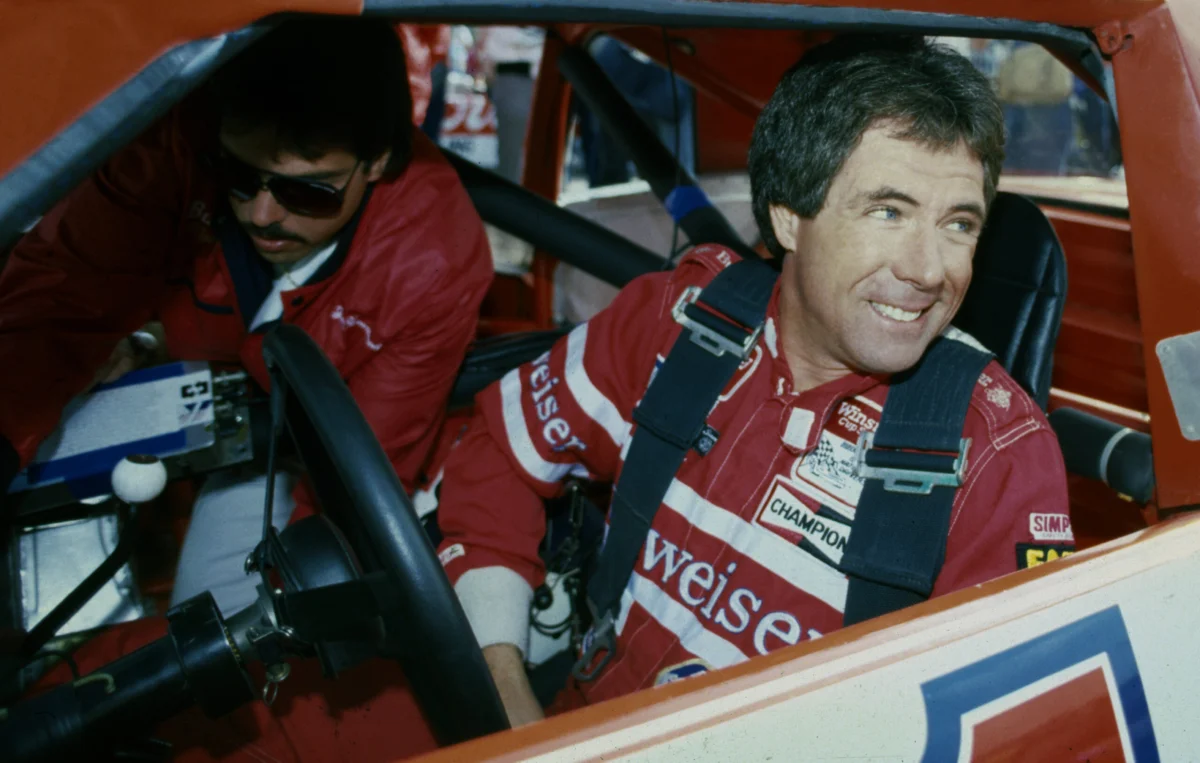
In the pantheon of American motorsports, few names resonate with the same frequency as Darrell Waltrip. To the casual observer, he is the voice of a generation, the man whose exuberant "Boogity! Boogity! Boogity!" became the unofficial soundtrack of NASCAR Sundays. To the racing purist, he is a titan of the track—a three-time Cup Series champion whose aggressive driving style defined the competitive spirit of an era.
This week, however, the racing community faces a somber reality. At 79, the legendary driver and broadcaster has announced his decision to step away from the public spotlight following a diagnosis of Frontotemporal Degeneration (FTD), complicated by possible Chronic Traumatic Encephalopathy (CTE). The news marks the end of a public chapter that spanned over five decades, transitioning from the high-speed danger of the asphalt to the high-pressure environment of the broadcast booth.
The Diagnosis: Understanding the Challenges Ahead
The statement released by the Waltrip family serves as both a heartbreaking revelation and a call for privacy. FTD is a progressive neurodegenerative disease that affects the frontal and temporal lobes of the brain, often impacting personality, behavior, and language. The mention of potential CTE—a condition linked to repeated head impacts—adds a layer of tragedy to a career built on the risks of professional stock car racing.
"While this disease will inevitably progress, thankfully, it is currently limited to some minor noticeable symptoms," the family statement read. "As a result, he will be stepping further away from the public limelight. Be assured, Darrell is happy and otherwise healthy—spending his time with his wife, Stevie, two daughters, and his three young grandchildren. We are all grateful for your continued prayer, love, and support!"
While the diagnosis is life-altering, the family’s message emphasizes that Waltrip remains in good spirits, pivoting his focus from the lens of the camera to the quiet intimacy of family life.
A Chronology of Excellence: From Owensboro to the Hall of Fame
To understand the weight of this retirement, one must look at the trajectory of Waltrip’s life, which began in Owensboro, Kentucky.
The Early Years (1972–1979)
Waltrip entered the NASCAR Cup Series in 1972, a time when the sport was transitioning from its bootlegging roots to a national spectacle. He quickly gained a reputation as a polarizing figure—a "bad boy" who possessed the raw talent to back up his bravado. By the late 70s, he had become a household name, securing his place as a championship contender.
The Championship Era (1981–1985)
The 1980s served as the zenith of Waltrip’s competitive career. He captured his first two Cup Series championships in 1981 and 1982 while driving for the legendary Junior Johnson. His third title followed in 1985. During this period, he was not just a driver; he was an innovator who understood the mechanical and psychological nuances of the sport better than almost any of his peers.
The Veteran Statesman (1990–2000)
As the sport grew, so did Waltrip’s influence. His victory at the 1989 Daytona 500 remains one of the most iconic moments in NASCAR history. As he aged, he transitioned into the role of a veteran statesman, providing mentorship to younger drivers before hanging up his helmet in 2000 after a career spanning 28 years.
The Broadcast Icon (2001–2019)
When Fox Sports secured the rights to broadcast NASCAR in 2001, they made a defining move: they hired Darrell Waltrip as their lead analyst. For 18 years, Waltrip sat in the booth, transforming the way audiences consumed the sport. He brought the driver’s perspective to the masses, humanizing the high-speed action and creating a bridge between the garage and the living room.
Supporting Data: By the Numbers
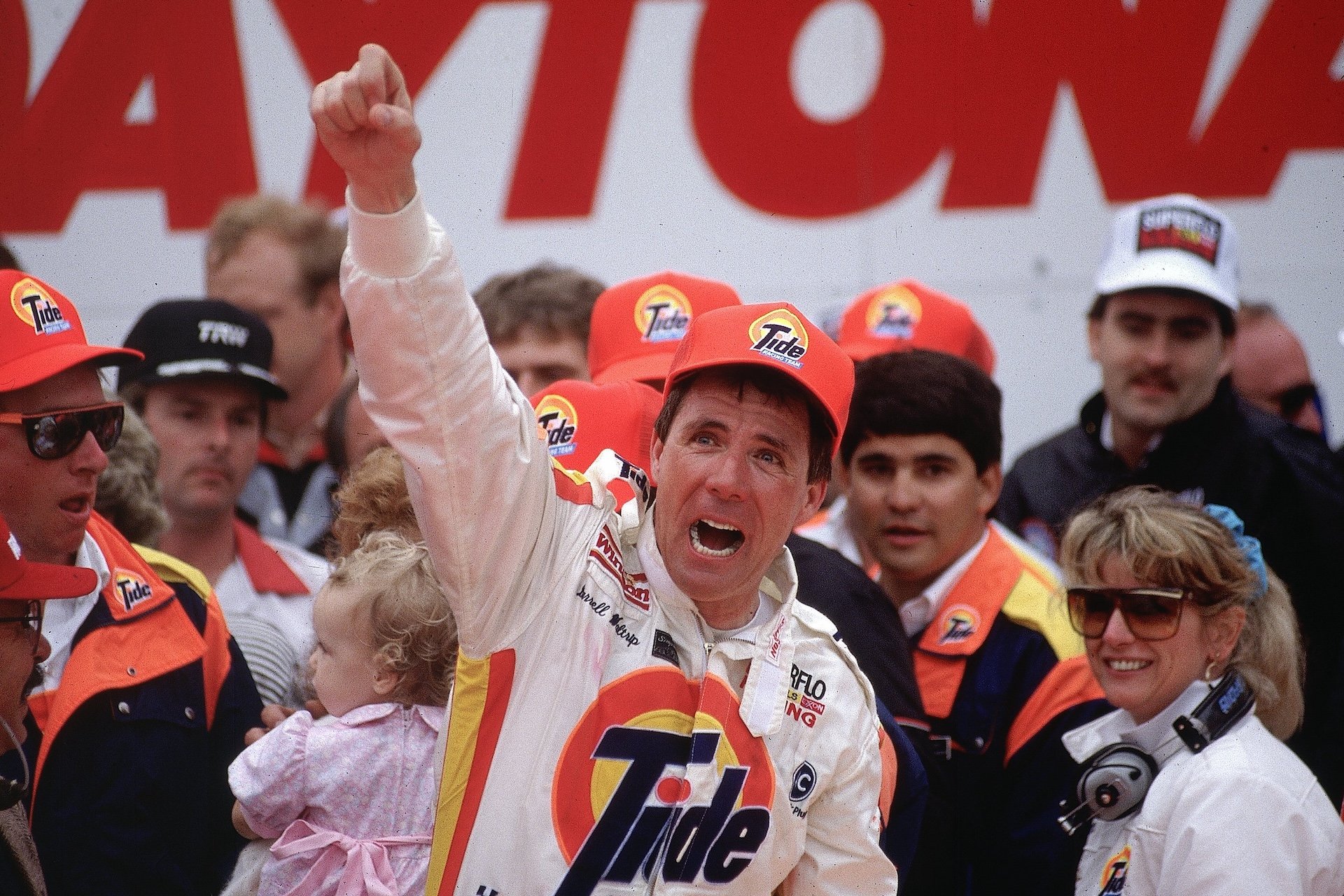
Darrell Waltrip’s statistical resume is arguably among the most impressive in the history of the sport. His legacy is etched into the record books:
- Career Cup Series Wins: 84 (tied for 4th on the all-time list with Bobby Allison).
- Cup Series Championships: 3 (1981, 1982, 1985).
- Total Starts: 809.
- Daytona 500 Victories: 1 (1989).
- Coca-Cola 600 Victories: 5 (a record he held for years).
- Broadcasting Tenure: 18 years as the lead analyst for Fox NASCAR.
These numbers tell the story of a man who didn’t just participate in the sport; he dominated it. His 84 victories were achieved during a time when the field was arguably as competitive as it has ever been, facing off against icons like Dale Earnhardt, Richard Petty, and Cale Yarborough.
Implications: The Long-Term Impact on NASCAR
The retirement of Darrell Waltrip is more than just the loss of a television personality; it is a profound reminder of the physical toll extracted by professional motorsports.
Safety and Evolution
The link between Waltrip’s diagnosis and his career highlights the progress NASCAR has made in safety. The sport has evolved significantly from the era of "toughing it out" after a crash to today’s rigorous concussion protocols and HANS device requirements. Waltrip’s story will likely serve as a powerful catalyst for further research into the long-term neurological health of former drivers.
The "Boogity" Legacy
Beyond the medical implications, there is the cultural impact. Waltrip was the face of the sport’s most significant growth period. His transition from the "Jaws" persona—a nickname earned for his outspoken nature—to the lovable, enthusiastic analyst proved that NASCAR could be a sport for the entire family. His catchphrase, "Boogity! Boogity! Boogity! Let’s go racing, boys!" became a cultural touchstone that introduced millions of new fans to the intensity of the track.
The New Era of Broadcasting
The departure of a figure as iconic as Waltrip leaves a void that is impossible to fill entirely. As the sport continues to modernize, the broadcast booths are changing, moving toward more data-driven, analytical formats. However, the warmth and authenticity that Waltrip brought to the screen—a product of his genuine love for the sport—will remain the benchmark for those who follow in his footsteps.
A Legacy Beyond the Track
While the world knows him as a racer and a commentator, those close to Waltrip recognize a man of multifaceted interests. As a New York Times bestselling author of DW: A Lifetime Going Around in Circles, he demonstrated a reflective side, documenting not just the races won, but the life lessons learned along the way. His love for country and gospel music, his devotion to his wife Stevie, and his pride in his daughters and grandchildren paint a picture of a man who has found balance outside of the racing circuit.
As the racing world processes this news, the sentiment is overwhelmingly one of gratitude. From the garages of the NASCAR Cup Series to the homes of millions of fans, the consensus is clear: the sport is better because Darrell Waltrip was part of it.
As he steps back from the public eye, he does so with the respect and affection of a community that watched him grow from a brash, talented rookie into one of the most beloved figures in sports history. His career was a marathon, not a sprint, and while his final lap in the public spotlight is coming to a close, his influence on the sport—and the hearts of its fans—will continue to resonate for generations to come.
