




GENEVA – In a landmark report that threatens to reshape the global discourse on criminal justice, the International Independent Expert Mechanism to Advance Racial Justice and Equality in Law Enforcement has issued a searing indictment of international drug control frameworks. The body warns that modern drug laws, which have proliferated globally over the last half-century, are not merely ineffective but are deeply embedded with systemic racism that disproportionately targets Africans and people of African descent.
The report, released this Thursday, serves as a call to action for the international community to dismantle punitive drug policies in favor of frameworks rooted in human rights, racial equity, and public health. As the UN Human Rights Council prepares to review these findings at its 63rd session on September 29, 2026, the document signals a potential turning point in how nations approach the intersection of law enforcement and racial justice.
The Core Findings: A Legacy of Discrimination
At the heart of the Expert Mechanism’s report is the assertion that current drug control systems are "fundamentally infused" with racial bias. The experts argue that the disparity in drug-related arrests and convictions is not a reflection of higher drug usage rates among Black populations, but rather a direct consequence of entrenched, discriminatory patterns woven into the fabric of domestic and international law.
The report posits that these systemic inequities are not accidental; they are the enduring legacies of colonialism, the historical reality of enslavement, and the subsequent globalization of prohibitionist drug policies. By examining the lifecycle of a drug-related case—from the initial police stop to detention and post-conviction consequences—the Mechanism identified a pattern of "over-policing" that leaves Black communities uniquely vulnerable.
"Racial discrimination in drug policy enforcement is systemic," the report states. "Across regions, punitive drug control frameworks have disproportionately impacted Africans and people of African descent, not because of higher rates of drug use… but because of entrenched patterns of racial discrimination embedded in law."
Chronology: From Nixon’s "War" to Global Proliferation
To understand the current crisis, the Expert Mechanism highlights the historical trajectory of the "War on Drugs." While the rhetoric of prohibition has existed for centuries, the modern manifestation of these policies is often traced back to the United States.
- June 17, 1971: President Richard Nixon officially declares a "War on Drugs," signaling a shift toward militarized domestic policing and the creation of the Drug Enforcement Agency (DEA). This era marked the beginning of mandatory minimum sentencing and aggressive policing tactics.
- The 1980s and 90s: The "War on Drugs" intensifies, particularly through the targeting of crack cocaine. During this period, disparities in sentencing—notably between crack and powder cocaine—cemented a racial double standard that the Equal Justice Initiative has documented for decades.
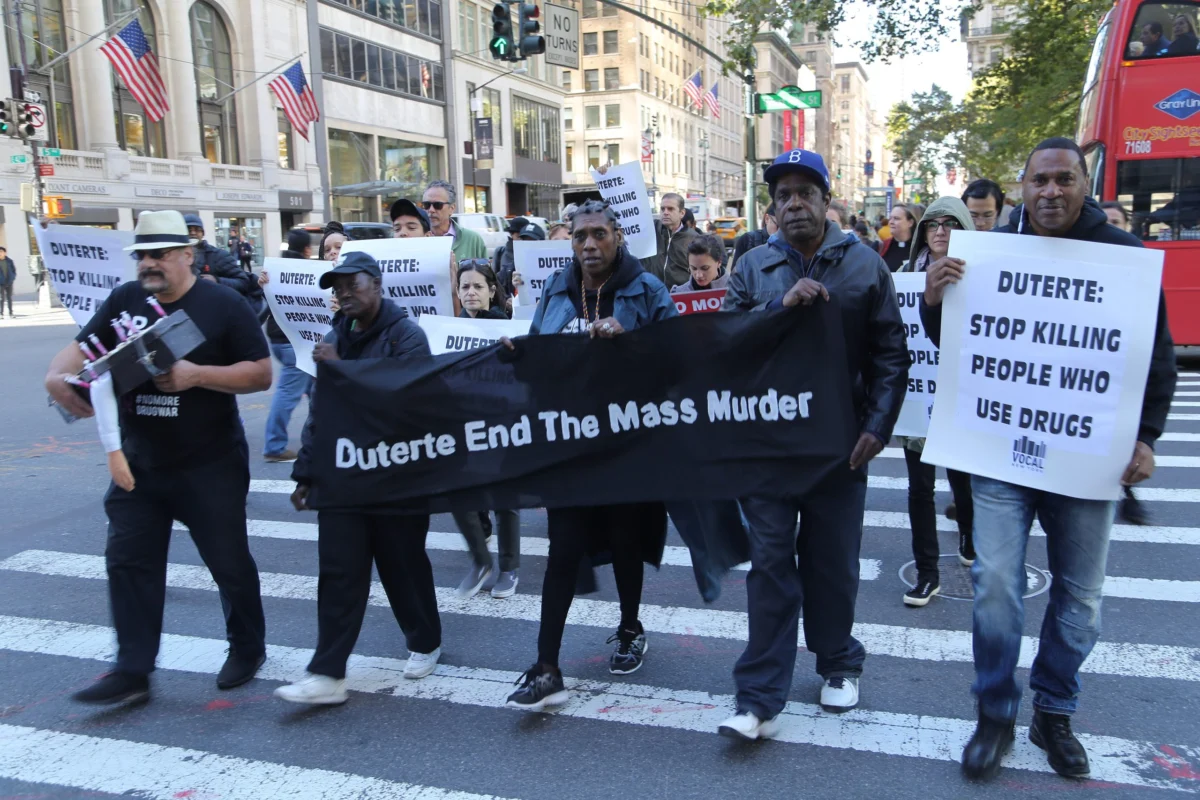
- Late 20th Century to Present: The prohibitionist model is exported globally through international treaties and diplomatic pressure. Countries as diverse as Canada and the Philippines adopt similar punitive measures, often leading to extrajudicial violence or the mass incarceration of marginalized populations.
- 2021: The UN Human Rights Council establishes the International Independent Expert Mechanism via Resolution 47/21, specifically tasked with identifying and dismantling systemic racism in law enforcement.
- September 2026: The Expert Mechanism submits its comprehensive findings to the Human Rights Council, arguing that the global architecture of drug enforcement is incompatible with modern human rights standards.
Supporting Data and Evidence: A Consistent Pattern
The findings of the Expert Mechanism are far from isolated. They represent the culmination of decades of research conducted by human rights organizations, legal watchdogs, and other United Nations bodies.
The Myth of Usage Rates
Data consistently refutes the idea that drug use is inherently higher in Black communities. Yet, research by organizations like Human Rights Watch and the Equal Justice Initiative demonstrates that individuals of African descent are statistically more likely to be stopped, searched, arrested, and convicted. Once in the system, these individuals face harsher sentencing and fewer opportunities for diversionary programs compared to their white counterparts.
Regional Case Studies
The report emphasizes that the "War on Drugs" is not a U.S.-centric phenomenon. In Canada, indigenous and Black populations face disproportionate levels of scrutiny under drug statutes. In the Philippines, the anti-drug campaign has been the subject of international outcry, with the UN monitoring the devastating impact of extrajudicial killings and the erosion of due process.
The Institutional Consensus
The Expert Mechanism’s report aligns with the broader stance of organizations like Amnesty International, which has advocated for years for the decriminalization of drug possession and a pivot toward community-based support systems. The consensus among these experts is clear: the current model fails to reduce harm, instead exacerbating it by criminalizing poverty and race.
Official Responses and Proposed Reforms
The Expert Mechanism is calling for a fundamental, not incremental, shift in policy. Their recommendations aim to replace the punitive status quo with a "racial justice-centered" approach.
Key Pillars of Reform:
- Human Rights-Based Approach: Drug policy should be viewed through the lens of public health rather than criminal law. This includes ensuring access to healthcare and addiction support without the threat of incarceration.
- Ending Criminalization: The Mechanism advocates for the removal of penalties for drug use, arguing that incarceration serves as a tool for systemic oppression rather than rehabilitation.
- Institutional Accountability: The report demands that law enforcement agencies acknowledge and address the "over-policing" of Black communities, specifically by reforming practices like racial profiling and stop-and-search policies.
- Addressing Historical Harms: Any reform must include a recognition of the historical inequities—such as the legacy of colonialism and enslavement—that influence current enforcement patterns.
While some conservative political factions globally maintain that punitive measures are necessary for public safety, the Expert Mechanism argues that such views ignore the empirical reality of the failure of the "War on Drugs."
Implications: The Path Toward September 29th
The implications of this report are significant for both international law and domestic policy. By explicitly linking drug enforcement to racial discrimination, the UN has provided a framework that human rights lawyers can use to challenge existing legislation in domestic courts.
Political Pressure
As the 63rd session of the Human Rights Council approaches, member states will be under pressure to respond to these findings. Governments that have long relied on the "War on Drugs" rhetoric may face diplomatic consequences if they fail to align their policies with these new human rights standards.
The Future of Policing
The report also provides a roadmap for internal reform within police departments. By highlighting the specific stages where bias enters the criminal process—questioning, arrests, and sentencing—the Mechanism has given activists a concrete checklist to demand transparency and equality in law enforcement.
A Global Shift?
The move away from prohibition toward regulation is already underway in various parts of the world, from the decriminalization efforts in parts of Latin America to harm-reduction programs in Europe. However, the UN Expert Mechanism’s intervention marks the first time such a powerful international body has categorized these policies as an issue of global racial justice.
The debate in Geneva on September 29 will likely be contentious. However, the Expert Mechanism has made its position clear: as long as drug laws are used as a proxy for racial control, true equality remains an impossibility. The world is watching to see whether the international community will choose to perpetuate a failed status quo or embark on the long, necessary journey toward a justice system that protects, rather than destroys, the most vulnerable among us.
