





In a bold move to transition Australia from a consumer of global technology to an exporter of sovereign innovation, the Small to Medium Enterprise Centre of AI (SMEC AI) has officially opened applications for its latest cohort. The “AI Pathfinder” program, an eight-week intensive initiative, aims to empower 1,500 Australians to transition from traditional industry professionals to AI-enabled founders.
This record-breaking intake marks the fifth iteration of the program, which is a cornerstone of the Australian Government’s “AI Adopt” initiative. By focusing on practical application rather than theoretical computer science, the program seeks to bridge the gap between burgeoning AI capabilities and the real-world operational challenges facing Australian small-to-medium enterprises (SMEs).
The Core Mandate: From Takers to Makers
The central thesis of the AI Pathfinder program is that the current national dialogue regarding artificial intelligence has been too narrow. While debates often center on regulation, ethics, and the existential risks of future models, SMEC AI argues that the more pressing concern for the Australian economy is industrial application.
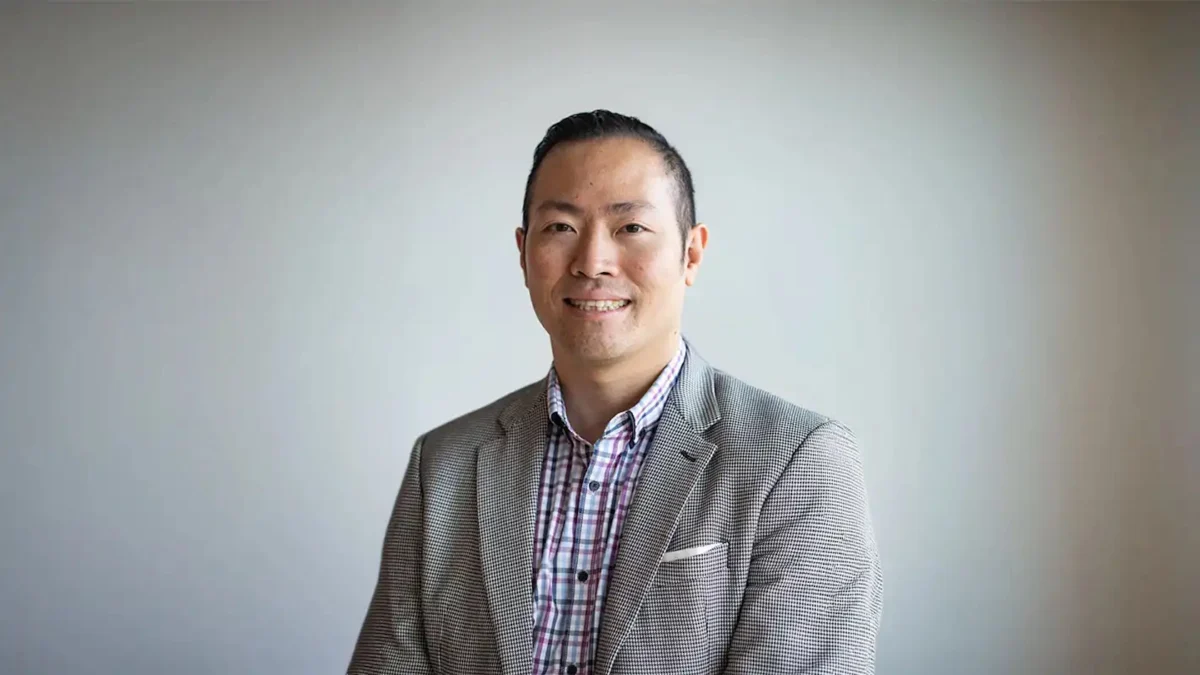
Andrew Lai, Managing Director of SMEC AI, believes that the path to a robust digital economy is paved by those who understand the nuances of specific sectors. "The government has been clear that Australia should be a nation of makers and not just takers," Lai says. By training 1,500 individuals—who are largely drawn from existing industries rather than the traditional tech startup bubble—the program aims to foster a generation of "domain-expert founders."
These are not people trying to build the next ChatGPT from scratch; they are logistics experts, agricultural consultants, and retail managers using AI to solve inefficiencies that have plagued their industries for decades.
Chronology: The Evolution of AI Pathfinder
The journey toward this record-breaking fifth cohort has been one of rapid scaling and iterative refinement.
- Phase 1: The Pilot (Concept and Validation): The initial pilot was launched to test the hypothesis that industry professionals, when equipped with no-code and low-code AI tools, could prototype viable business solutions faster than traditional software developers.
- Phase 2: Integrating the AI Adopt Program: Following the pilot’s success, SMEC AI was integrated into the federal government’s AI Adopt program. This partnership provided the legitimacy and infrastructure necessary to reach a broader, more geographically diverse audience.
- Phase 3: Expanding the Pipeline: By the third and fourth cohorts, the curriculum was refined to prioritize "problem-first" methodology. Participants were taught to define a specific business pain point before ever touching an AI tool, ensuring that the technology served a clear market need.
- Phase 4: The Scale-Up (Current): The fifth cohort represents a significant leap in capacity. By accommodating 1,500 participants, the program is moving from a boutique training initiative to a national workforce development effort.
Supporting Data: Why SMEs are the AI Frontier
The impetus for the Pathfinder program is rooted in the current state of Australia’s SME sector. According to recent industry data, while awareness of AI is at an all-time high, the actual adoption rate remains stalled due to a "capability gap."
- The Skills Deficit: Over 60% of Australian SMEs report that they know AI could benefit their business but lack the internal expertise to implement it without disrupting current operations.
- The "Maker" Economy: Research indicates that the highest ROI for AI in the next five years will not come from general-purpose models, but from "vertical AI"—specialized applications designed for specific industries like mining, health, and construction.
- Program Efficacy: Previous cohorts of the AI Pathfinder program have reported that 75% of participants successfully transitioned their prototype into a functional business tool or a new service offering within three months of completing the course.
By targeting 1,500 participants in a single intake, SMEC AI is effectively creating a "multiplier effect," where these founders return to their respective industries as nodes of expertise, potentially influencing the workflows of thousands of other workers.
Official Responses and Strategic Alignment
The AI Pathfinder program is not an isolated effort; it is a vital component of the federal government’s broader "Future Made in Australia" strategy. Government officials have emphasized that for Australia to remain competitive in a post-globalized economy, it must leverage its unique industrial strengths.
"We are moving beyond the hype cycle," says a spokesperson for the Department of Industry. "The goal is to ensure that Australian businesses are not just subscribing to global platforms, but creating indigenous solutions that account for our unique regulatory, geographical, and economic landscape."
For SMEC AI, the focus remains on the democratization of technical power. The program is intentionally free, removing the financial barrier to entry. "We are looking for the person who has been working in the logistics sector for fifteen years and knows exactly why a specific process is broken," says Andrew Lai. "We provide the AI toolkit; they provide the industry wisdom. That combination is unbeatable."
The Implications: What This Means for Australia
The rise of the "AI-enabled founder" has profound implications for the Australian workforce and the broader economic landscape.
1. Reskilling the Workforce
Rather than displacing workers, the Pathfinder program treats the workforce as the most valuable asset in the AI transition. By upskilling existing professionals, Australia mitigates the risk of structural unemployment while simultaneously boosting productivity.
2. Economic Sovereignty
As international tensions rise and supply chains become more volatile, digital sovereignty becomes a matter of national security. Having a domestic base of founders who understand how to build and maintain AI systems ensures that Australia is not overly reliant on foreign technology stacks that may not be optimized for local conditions.
3. A Shift in Venture Capital
The program is also likely to influence the investment landscape. Venture capital firms are increasingly looking for founders with deep sector experience. A participant who completes the Pathfinder program with a working AI prototype for, say, an automated irrigation system, is a far more attractive prospect to investors than a generic software engineer with a theoretical app idea.
4. Cultural Change
Perhaps most importantly, the program aims to shift the cultural perception of who a "founder" is. By removing the requirement for a computer science degree and replacing it with the requirement for industry experience, SMEC AI is broadening the funnel of entrepreneurship to include people who might have previously felt excluded from the tech boom.
Looking Ahead: The Challenges of Scale
While the ambition of training 1,500 founders is commendable, it does not come without significant hurdles. Scaling mentorship, ensuring the quality of the projects, and maintaining high engagement rates across an online-only format are logistical challenges that SMEC AI will need to navigate.
The success of this cohort will likely be measured by the "survival rate" of the ventures created. Will these 1,500 participants be able to transition from the eight-week program to long-term business viability?
Andrew Lai remains optimistic. "The goal is not to create 1,500 unicorns," he explains. "The goal is to create 1,500 businesses that are smarter, more efficient, and better equipped to compete on a global stage. Even if a fraction of these founders succeed in transforming their specific industries, the aggregate impact on the Australian economy will be transformative."
As applications close and the fifth cohort prepares to embark on their journey, all eyes will be on the AI Pathfinder program. It serves as a litmus test for Australia’s ability to pivot from a resource-dependent economy to an innovation-led one, proving that when the right tools are placed in the hands of those who understand the problem, the potential for growth is limitless.
For those interested in joining the movement, the message from SMEC AI is clear: you don’t need to be a coder to be a founder. You just need to have a problem worth solving and the willingness to master the technology that can solve it.
