



In the high-stakes world of ultra-luxury travel, the current trend is one of translation: take the architectural grandeur, the white-glove service, and the predictable opulence of a land-based five-star resort and transplant it onto a floating vessel. Industry giants like Aman, Four Seasons, and Orient Express are currently engaged in a nautical arms race, constructing massive, hyper-modern yachts designed to bring the traditional hotel experience to the high seas.
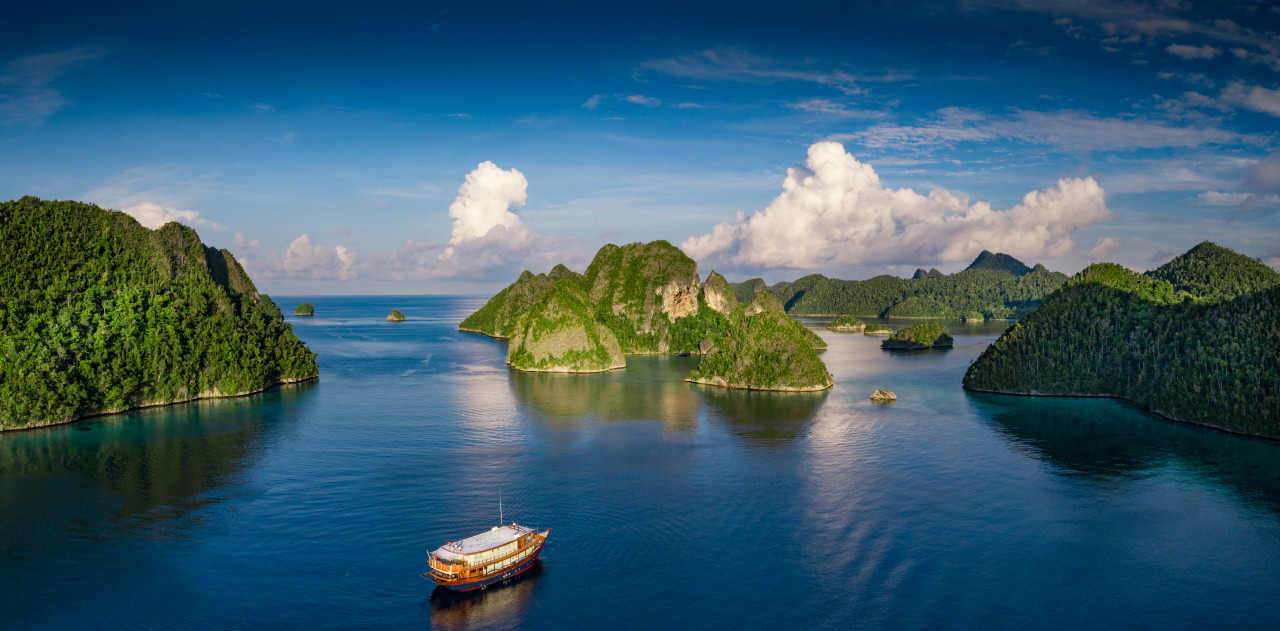
Yet, in a quiet corner of the Indonesian archipelago, Rascal Voyages is betting on a completely different philosophy. For co-founder Steve Ebsworth, the future of luxury isn’t found in more marble, more formality, or more gold plating. Instead, it is found in the "marine safari"—a model built on the principles of radical access, useful freedom, and the kind of agile, improvisational service that only a small-scale, expert crew can provide.
The Core Philosophy: The Freedom to Pivot
To understand the allure of Rascal, one must look at the psychology of the modern luxury traveler. The era of the rigid, pre-programmed itinerary is waning. Today’s high-net-worth individual craves autonomy above all else.
A recent voyage through the Indonesian islands highlighted this paradigm shift. During an excursion, a guest—feeling unwell—simply expressed a desire to return to the vessel. In a traditional luxury setting, this might involve a logistical hurdle, a sense of guilt, or a disruption to the planned flow of the trip. Instead, within five minutes, a tender boat was at the guest’s side. There was no pressure to "rally," no questioning of the decision, and no bureaucratic friction. The schedule simply bent to accommodate the human element.
This moment of "release from obligation" is the cornerstone of the Rascal brand. It represents a pivot from "hospitality as a performance" to "hospitality as a partnership."
A Chronology of the Marine Safari
The evolution of Rascal Voyages is rooted in a reaction against the industrialization of luxury cruising.
- 2017: The Inception: Steve Ebsworth and his team launched Rascal, a traditional Indonesian phinisi boat—a hand-built, wooden vessel that honors centuries of seafaring history. Unlike the steel-hulled giants of the industry, the Rascal was designed to feel like a private home on the water.
- 2018–2019: Refining the "Safari" Model: The brand began to distance itself from the term "yacht charter," opting instead for the "marine safari." This distinction was crucial: a yacht implies a destination-to-destination transport, whereas a safari implies an immersive, nature-led exploration where the journey is entirely fluid.
- 2020–2022: The Pandemic Stress Test: During the global travel hiatus, while large cruise lines struggled with public health perceptions, small-scale luxury vessels like Rascal proved to be the ultimate safe haven. The ability to control the environment and the crew—and to isolate in remote, uninhabited Indonesian waters—solidified the brand’s niche.
- 2023–2024: Expansion and Recognition: As the luxury market shifted back to international travel, Rascal began to gain traction not just as a boutique operator, but as a proof-of-concept for the "private expedition" market. They began to focus on hiring crews that were less "hotel school" and more "expeditionary," capable of improvising in remote environments.
Supporting Data: The Rise of the Expeditionary Traveler
The market data confirms that the "Rascal approach" is not merely a niche hobby, but a growing sector of the luxury travel industry. According to reports from the luxury travel consortium Virtuoso, bookings for "bespoke expedition travel" have increased by 42% over the last three years.
Furthermore, traveler sentiment surveys indicate a significant shift in priorities:
- Privacy as the Primary Luxury: 68% of travelers in the $1M+ net worth bracket now prioritize "exclusive access" over "luxury amenities."
- The "Slow Travel" Movement: The average duration of private marine charters has increased from 5.2 days to 7.8 days, suggesting a preference for depth over breadth.
- Human-Centric Service: 75% of high-end travelers cite "intuitive service"—the ability for staff to anticipate needs without being asked—as the primary factor in brand loyalty.
While the megayacht industry focuses on the "amenity density" (number of pools, helipads, and cinemas), Rascal is focusing on "interaction density"—the ratio of expert guides and crew to guests, and the level of meaningful engagement with remote locations.
Official Responses: The Philosophy of the Founder
When asked about the competition from global hotel brands entering the yachting space, Steve Ebsworth remains undeterred.
"The large-scale vessels are building hotels on water," Ebsworth stated in a recent briefing. "They are providing a familiar, safe, and highly structured experience. And for many, that is exactly what they want. But our guests are looking for the ‘marine safari’ experience. They want to be able to wake up, look at the horizon, and decide that they want to spend the next six hours diving in a location that isn’t on a map. You cannot do that on a 500-passenger ship. Our crew is trained to improvise, not to follow a manual."
Ebsworth emphasizes that the Rascal crew is deliberately composed of individuals who have spent their lives in the Indonesian waters, not just graduates of hospitality management programs. "We want people who understand the wind, the tides, and the local communities. That is a form of luxury that you cannot build in a shipyard."
The Implications: A New Frontier for Hospitality
The rise of the marine safari has profound implications for the future of the travel industry. It suggests that the "luxury arms race"—the competition to build the tallest, widest, and most extravagant vessel—may be reaching a point of diminishing returns.
The Shift Toward Agility
As travelers become more sophisticated, the "canned" experience is being viewed with suspicion. The ability to change course—literally and metaphorically—is becoming the new standard of value. Companies that rely on rigid scheduling are likely to find themselves at a disadvantage compared to operators that can offer "useful freedom."
The Decentralization of Luxury
Rascal’s model proves that you don’t need a corporate conglomerate or a massive marketing budget to compete for the world’s most discerning travelers. You need a distinct point of view, a deep connection to a specific geography, and a crew that functions more like a family than a staff.
Sustainability and Connection
There is also an ecological implication. Megayachts, by their nature, require significant infrastructure and cause greater environmental impact. The smaller, lighter, and more mobile approach of the marine safari is inherently more sustainable. It allows for a "leave no trace" ethos that is increasingly essential for luxury travelers who are conscious of their carbon footprint.
Conclusion
The story of Rascal Voyages is a case study in the power of subverting expectations. By moving away from the traditional, hotel-like formality of luxury travel, they have tapped into something more primal and deeply satisfying: the human need for exploration, the desire for autonomy, and the comfort of being taken care of by those who genuinely know the territory.
As the industry continues to chase the scale of the megayacht, Rascal is going the other way. They are finding that the true frontier is not in adding more, but in stripping away the unnecessary, allowing the traveler to finally feel the freedom of the open sea. In a world that is increasingly crowded and monitored, the ultimate luxury is no longer being served—it is being given the space to simply be.
