
In an era defined by the urgent race toward net-zero emissions and the complex realignment of global supply chains, the strategic partnership between India and Germany has never been more critical. As both nations grapple with the dual challenges of climate change and shifting geopolitical landscapes, a new collaborative journalism program aims to illuminate the intricacies of their bilateral green energy transition.
Clean Energy Wire (CLEW) and The Migration Story, in partnership with the Heinrich Böll Foundation, have launched a unique reporting initiative. This program invites fourteen journalists—seven from India and seven from Germany—to engage in deep-dive training, cross-border research, and collaborative reporting aimed at uncovering the human and policy-driven narratives behind the Indian-German climate partnership.
Main Facts: A Partnership Built on Green Ambition
The initiative comes at a time when the India-Germany relationship is moving beyond traditional diplomatic discourse. The partnership is now firmly anchored in the "Green and Sustainable Development Partnership" (GSDP), which focuses on three primary pillars: renewable energy transition, the mobility of skilled workers, and the secure sourcing of critical minerals.
The program offers a comprehensive support system for selected journalists, including:
- Virtual Training: Expert-led sessions providing deep insights into the current policy frameworks governing Indian-German climate cooperation.
- Networking: Facilitated matchmaking to foster cross-border collaboration between Indian and German reporters.
- Reporting Grants: Financial support for investigative projects that explore the impact of climate policy on the ground, ranging from industrial decarbonization to the social dimensions of the green transition.
While the application window for this cohort closed on January 27, 2026, the ripple effects of the program are expected to shape the discourse on global climate justice and energy security for the coming year.
Chronology: The Evolution of a Strategic Alliance
The trajectory of this partnership has been marked by significant milestones over the past few years, reflecting a growing recognition that neither nation can achieve its climate goals in isolation.
The Foundation (2022)
The Green and Sustainable Development Partnership was officially signed during the 6th Inter-Governmental Consultations in Berlin. This agreement set the tone for a multi-year commitment, pledging billions of euros in development assistance to support India’s renewable energy expansion.
The High-Level Reinforcement (2025)
Throughout 2025, technical delegations from both nations increased the frequency of their meetings, focusing on the integration of green hydrogen into the manufacturing sectors of both countries. This period saw a shift from high-level rhetoric to concrete technological cooperation.
The Chancellor’s Mission (January 2026)
In January 2026, the German Chancellor visited India, marking a pivotal moment in the bilateral relationship. The visit was characterized by a focus on "de-risking" supply chains—moving away from a reliance on single-source critical minerals—and ensuring that the green transition supports the creation of skilled labor markets in both countries.
Supporting Data: Why India and Germany?
The necessity for this collaboration is rooted in the distinct yet complementary economic profiles of the two nations.
The Indian Energy Landscape
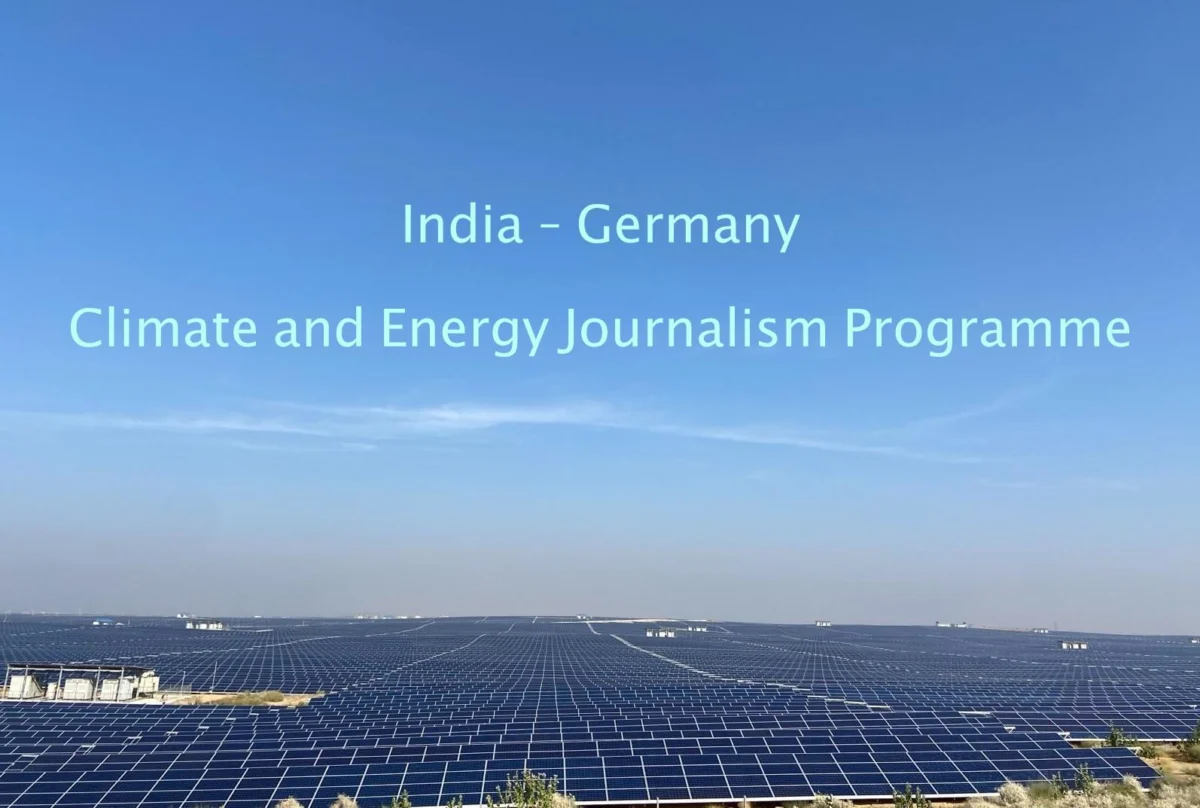
India is currently one of the fastest-growing energy markets in the world. With the massive Bhadla Solar Park in Rajasthan—one of the largest solar installations globally—India has demonstrated a capacity for rapid, large-scale infrastructure deployment. However, the nation faces the monumental task of providing reliable power to a growing population while transitioning away from its heavy historical reliance on coal.
The German Industrial Model
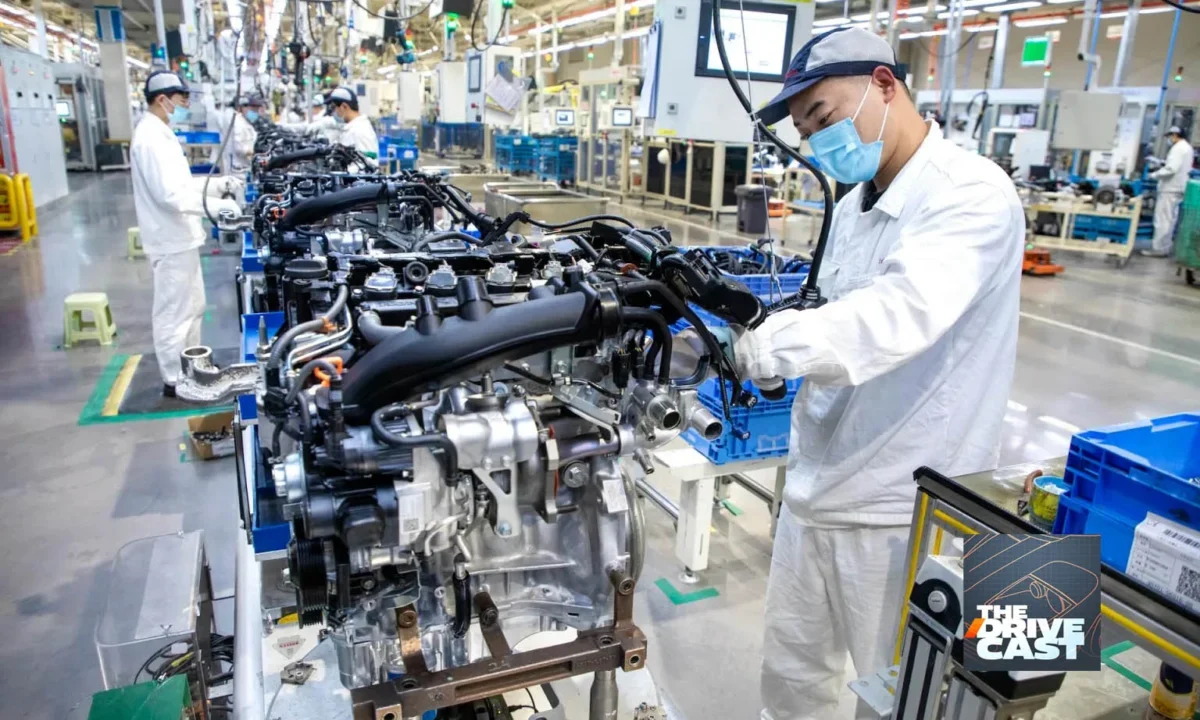
Germany, as Europe’s largest economy, is navigating the "Energiewende" (energy transition). Its challenges are largely centered on industrial decarbonization and the transition to a hydrogen-based economy. Germany possesses the technological expertise in green engineering but lacks the vast, sun-drenched geography required for massive renewable energy production.
The Synergy
The collaboration leverages these differences. Germany provides the technical expertise and capital; India provides the scale and the laboratory for testing climate solutions in a developing-nation context. According to recent trade data, the sector of "Green Tech" has seen a 25% year-on-year increase in bilateral investment inquiries, signaling a strong market appetite for this cooperation.
Official Responses and Strategic Perspectives
Government officials from both New Delhi and Berlin have framed this partnership as a blueprint for the "Global South-North" cooperation.
"Climate change does not respect national borders, and neither should our solutions," stated a representative from the Heinrich Böll Foundation during the program announcement. "By pairing a journalist from a village in rural India with a journalist in a German industrial hub, we are not just exchanging information; we are building a shared understanding of what a just transition looks like in practice."
Diplomatic cables suggest that both administrations view the role of the media as essential in building public support. As the transition away from fossil fuels inevitably leads to economic displacement in certain sectors, transparent reporting becomes the primary tool for maintaining public trust.
Implications: The Future of Climate Journalism
The initiative highlights a shift in how climate journalism is being practiced. Moving away from the "parachute journalism" of the past, this program emphasizes long-term, cross-border collaboration.
Addressing the "Just Transition"
One of the core themes of the reporting grants will be the "Just Transition"—ensuring that the shift to green energy does not leave vulnerable communities behind. Indian reporters will have the opportunity to document how the closure of coal mines in Germany compares to the phasedown of coal in India. Conversely, German reporters will gain first-hand access to the innovation ecosystems emerging in Indian cities, moving beyond the traditional narrative of the Global South as merely a victim of climate change.
The Role of Critical Minerals
As the world shifts to electric vehicles and advanced battery storage, the competition for critical minerals like lithium, cobalt, and nickel has intensified. The partnership explores how India and Germany can coordinate their supply chains to ensure ethical sourcing, minimizing the environmental degradation often associated with mining.
Shaping Public Opinion
By enabling journalists to produce content for their own media outlets while collaborating with peers abroad, the program ensures that the stories reach a domestic audience that is often insulated from the realities of the partner nation. This is crucial for creating the political capital necessary for sustained long-term international cooperation.
Conclusion: A Model for Global Dialogue
The collaboration between Clean Energy Wire, The Migration Story, and the Heinrich Böll Foundation represents more than just a training opportunity; it is a strategic effort to align the narratives of two of the world’s most influential democracies.
As we look toward the remainder of 2026, the work produced by these fourteen journalists will likely serve as a barometer for the success of the broader India-Germany climate partnership. By bridging the distance between the solar fields of Rajasthan and the hydrogen-ready factories of the Ruhr Valley, this program is setting a new standard for how international journalism can inform, influence, and improve global climate governance.
The stories that will emerge from this initiative—of workers, policymakers, and communities—will be vital in humanizing the technical data that usually defines climate discourse. In a world of increasing geopolitical fragmentation, the ability to tell a shared story about a sustainable future may be the most powerful tool we have.
