




In the competitive landscape of the automotive aftermarket, the true value of a business is not found in the tools on the floor or the diagnostic software on the tablets. It is found in the people. Yet, many shop owners face a recurring crisis: the "revolving door" of staff, characterized by high turnover and a lack of long-term vision.
The solution to this systemic issue is a strategic pivot toward mentorship. By formalizing the transfer of knowledge from seasoned veterans to the next generation, shop owners can move away from viewing their staff as temporary labor and begin cultivating a pipeline of career-minded professionals.
The Core Philosophy: Moving Beyond the "Job" Mindset
At its heart, the automotive service industry is currently undergoing a generational shift. As veteran technicians approach retirement, the knowledge gap between the "old guard" and incoming apprentices threatens to undermine the quality of service that clients expect.
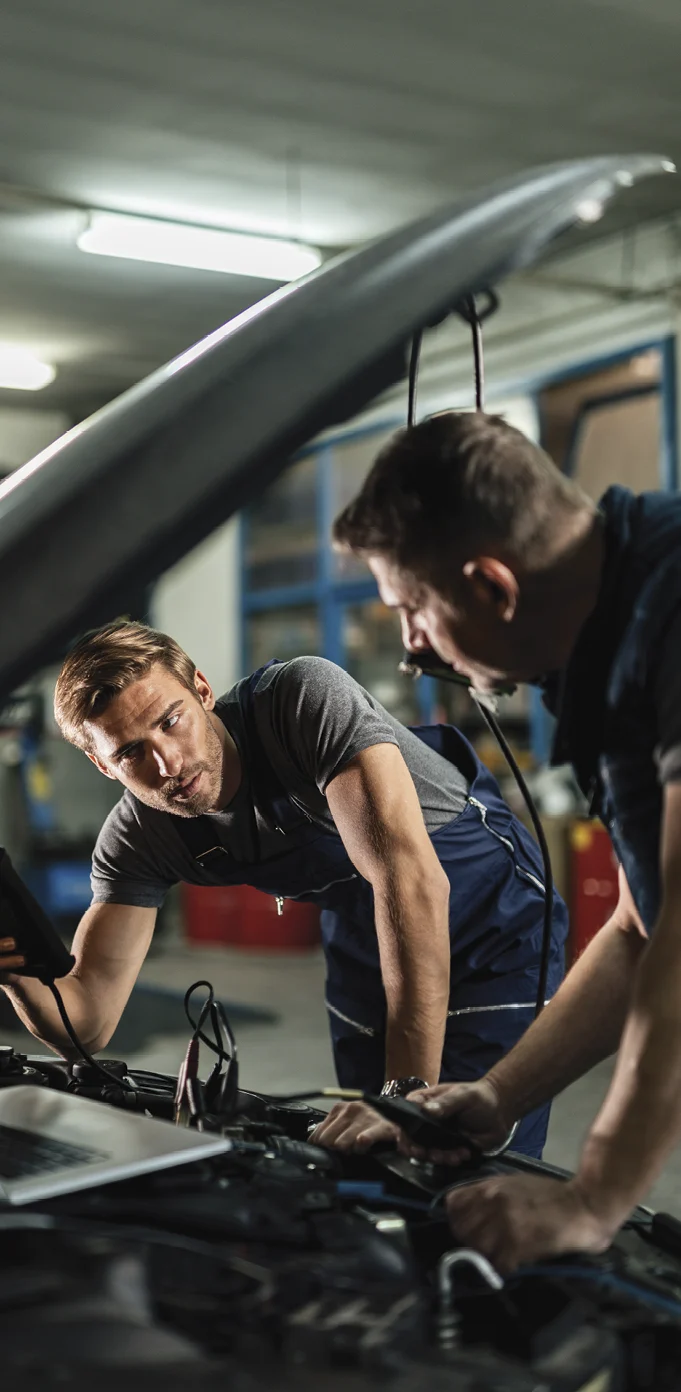
To bridge this gap, shop owners must stop viewing apprenticeship as a burden and start viewing it as an investment. Providing seasoned technicians with the time, resources, and administrative support to mentor younger staff is not just a "nice-to-have" luxury; it is an essential business strategy. When a veteran is given the autonomy to train a protégé, it validates the veteran’s expertise while simultaneously fast-tracking the newcomer’s proficiency.
This transformation elevates the shop culture from a collection of people holding down a "job" to a unified team building a "career."
A Chronological Evolution: The Path from Apprentice to Owner
To understand the necessity of this shift, one must look at the historical trajectory of the industry. For many current owners, the path into the automotive sector was anything but linear.
The Early Days: The "Survival" Era
Many shop owners today, like Erin Vaughan of Kinetic Auto Service, did not start with a straight line to business ownership. Before the diagnostic tools and the service bays, many industry leaders spent years in the gig economy—flipping burgers, working in retail, or even unconventional roles like event DJing.
The Entry Point
For those who entered the automotive trade 20 years ago, the landscape was often indifferent. Many apprenticeships were "sink or swim" environments. There was little in the way of structured mentorship; rather, there was a culture of guarding secrets and survival of the fittest. When the shop floor lacks a culture of support, the most ambitious talent often leaves, either to find a better environment or to strike out on their own.
The Realization of Intentionality
The turning point for many successful shop owners is the recognition that their current staff’s career trajectory is a reflection of the shop’s leadership. Recognizing that the "old ways" of training—or lack thereof—led to personal frustration, owners are now moving toward a more intentional model. This involves auditing hiring practices, focusing on long-term goals rather than short-term labor needs, and creating clear pathways for advancement.
Supporting Data: Why Mentorship Retains Talent
Industry data consistently points to a direct correlation between employee retention and career development opportunities. According to recent workforce studies, employees who feel their employer is invested in their professional growth are 30% more likely to stay with a company for over five years.
- Cost of Turnover: Replacing a skilled technician can cost a shop upwards of 150% of the individual’s annual salary when factoring in lost productivity, recruitment fees, and onboarding time.
- The Mentorship Multiplier: Shops that implement formal mentorship programs report a 25% increase in first-time fix rates. Why? Because the mentorship process forces a standardization of procedures and a collaborative approach to complex diagnostics.
- Client Satisfaction: A stable, experienced team translates to higher customer trust. When clients see the same faces year after year, the business shifts from being a commodity service provider to a trusted local institution.
Official Perspectives: The Duty of the Shop Owner
The responsibility for this change rests squarely on the shoulders of the shop owner. As industry veteran Erin Vaughan notes, the first step is a radical shift in communication: understanding the goals of each team member.
The "Goal-Alignment" Strategy
Owners must conduct periodic, deep-dive meetings with both new hires and long-term staff. These sessions should not be about shop quotas, but about personal and professional growth.
- For the Aspiring Leader: Some staff members have the natural aptitude to manage service advisors or oversee shop operations. Owners must provide them with the management training needed to eventually step into leadership roles.
- For the Technical Specialist: Others have no desire to manage; they simply want to be the best at what they do. Mentoring these individuals involves sending them to advanced training seminars and giving them the space to master complex systems.
When an owner supports an employee’s specific roadmap, the employee becomes a partner in the shop’s success. Their growth becomes the engine for the business’s growth.
Implications: The Long-Term Impact on the Industry
The implications of prioritizing mentorship are profound, impacting the shop, the staff, and the community at large.
1. Future-Proofing the Business
Succession planning is often the biggest failure point for small business owners. Without a clear path for junior staff to grow into senior or management roles, the owner becomes "trapped" in their own business. By creating a mentorship culture, owners build a team that can eventually handle the heavy lifting, allowing the owner to transition toward retirement or explore expansion.
2. Attracting "Career-Minded" Talent
The "revolving door" is often a self-fulfilling prophecy. If a shop doesn’t offer a career path, it will only attract people looking for a temporary paycheck. By advertising a culture of mentorship and growth, shops signal to the market that they are premium employers, attracting the high-caliber talent that will define the next generation of the trade.
3. Elevating the Profession
The automotive industry often struggles with an image problem. By treating technicians as professionals with a clear path to mastery, the industry can better compete with white-collar trades for young talent. Mentorship is the bridge that turns a "mechanic" into a "service professional."
Conclusion: A Shared Vision
The mandate for today’s shop owner is clear: you must build a business that serves the people working for it just as much as it serves the clients paying for the service.
It is easy to get caught up in the day-to-day grind—the parts orders, the customer complaints, and the financial pressures. However, the most successful shops are those where the owner looks at an apprentice and sees not just an extra set of hands, but a future leader.
By investing time in mentorship, providing the right tools for growth, and aligning the goals of the individual with the goals of the company, shop owners can secure a legacy. When you ensure that your team can achieve their personal goals through your business, you create a symbiotic environment where everyone thrives. The result is not just a more profitable shop, but a stronger, more resilient automotive industry for everyone.
This article is based on the insights provided by Erin Vaughan, owner of Kinetic Auto Service in Regina, and reflects the evolving best practices in the modern automotive service sector.
