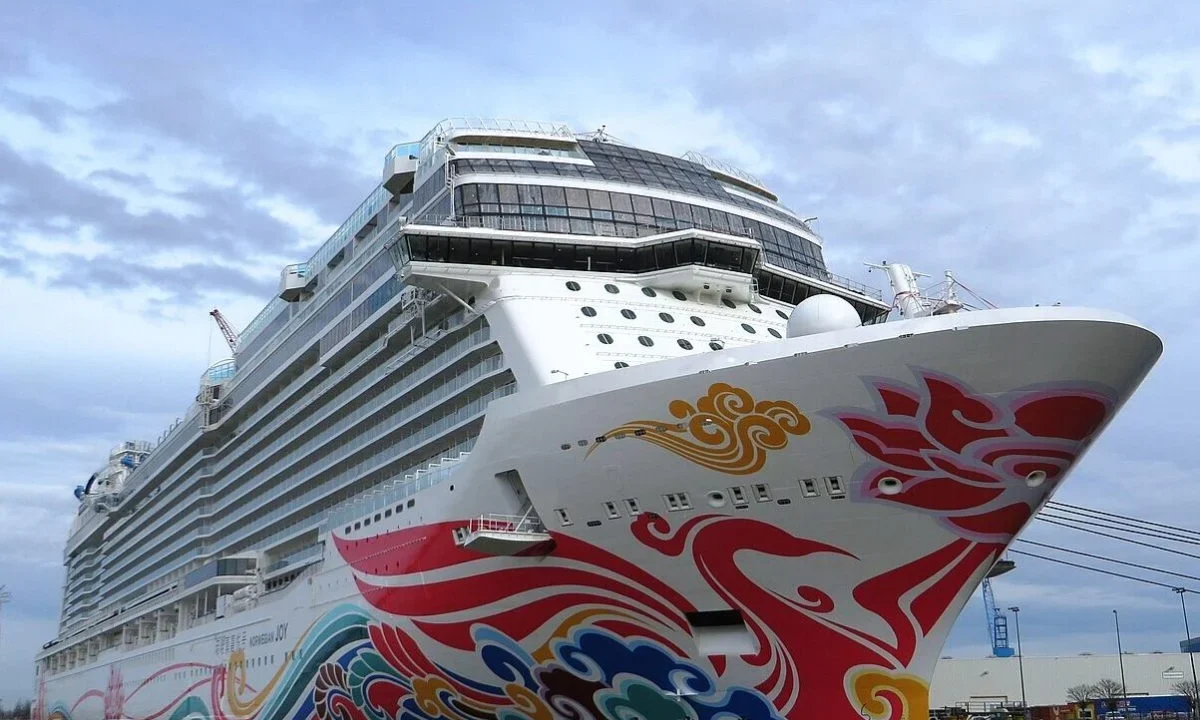




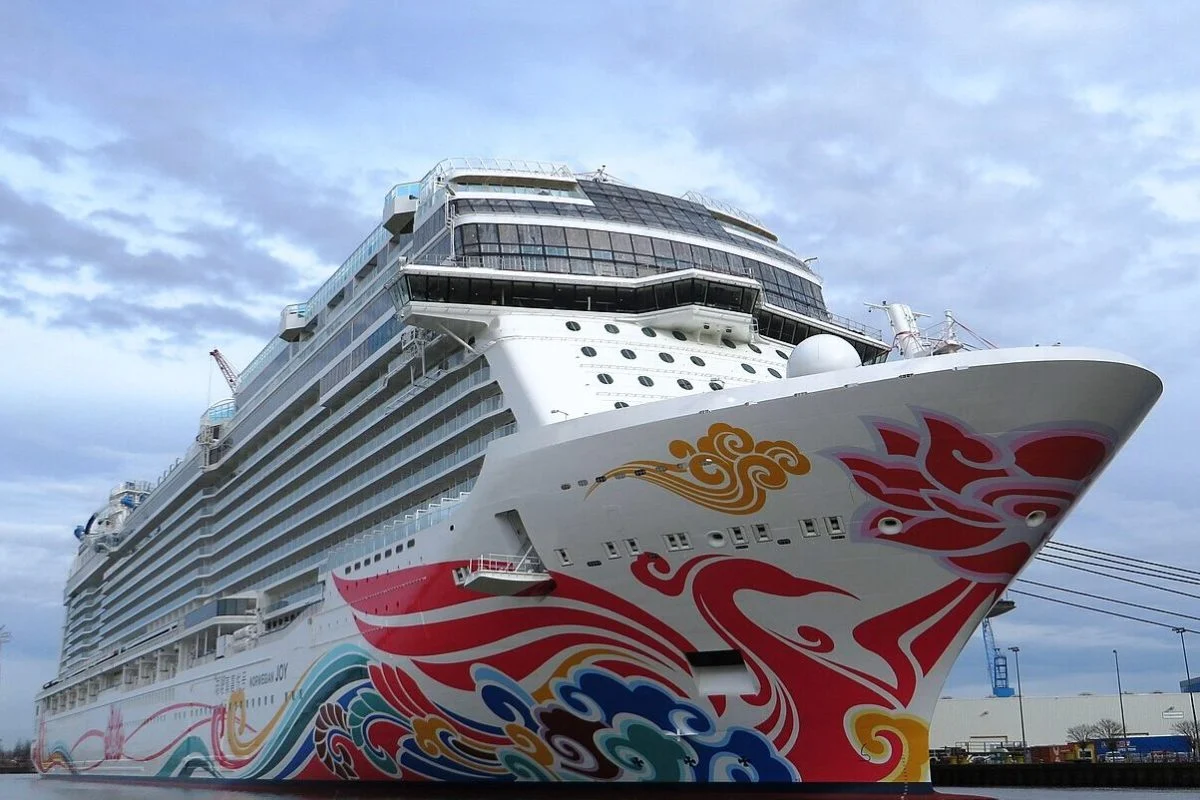
Norwegian Cruise Line Holdings (NCLH) has officially entered a high-stakes chapter of its corporate evolution. Following a third-quarter performance that exceeded market expectations, the cruise giant finds itself at a pivotal juncture. While the latest earnings report suggests that the company’s internal restructuring efforts are finally gaining traction, industry analysts remain cautious, noting that the path to reclaiming its market position is far from complete.
For a company that has spent much of the post-pandemic era navigating choppy financial waters, the recent positive momentum is a welcome relief. However, the road ahead involves balancing aggressive growth targets with the necessity of operational discipline—all while under the watchful eye of activist investors who have demanded nothing short of a total transformation.
The State of Play: Third-Quarter Financial Highlights
The company’s latest financial disclosure paints a picture of a business hitting its stride. NCLH reported results that comfortably surpassed their previous guidance, a feat attributed to two primary drivers: a surge in "close-in" bookings—last-minute demand that often commands higher premiums—and a robust increase in onboard spending.
Onboard revenue, which encompasses everything from specialty dining and spa treatments to shore excursions and beverage packages, has become a critical barometer for cruise line health. NCLH’s ability to extract more value from its passengers while they are at sea signals a successful shift in its revenue management strategy.
Furthermore, the company’s bottom line was bolstered by rigorous cost-discipline measures. By streamlining operations and delaying certain expenditures into the fourth quarter, NCLH managed to keep unit costs lower than initial projections. This financial maneuvering provided the breathing room necessary to demonstrate progress to shareholders, though it also creates a steeper mountain to climb as those deferred costs inevitably hit the books in the coming months.
A Chronology of Conflict and Change
To understand the current state of Norwegian Cruise Line, one must look back at the friction that brought the company to this point. The narrative of 2024 has been defined by a public clash between management and shareholders.
The Catalyst: Activist Intervention
In February 2024, the landscape shifted dramatically when Elliott Investment Management, a powerhouse in the world of activist investing, disclosed a stake of more than 10% in NCLH. Elliott did not mince words. In a scathing assessment, the firm accused Norwegian of suffering from "a decade of strategic misjudgments and poor execution," arguing that the company had allowed its competitive advantage to erode compared to rivals like Royal Caribbean and Carnival Corporation.
The Boardroom Overhaul
The pressure from Elliott was immediate and effective. Within weeks of the disclosure, the company announced a significant board overhaul, appointing five new members. This move was intended to placate investors and inject fresh, objective perspectives into a boardroom that many felt had become stagnant.
The Leadership Transition
The most significant change, however, was at the top. The company transitioned leadership, bringing in John Chidsey—the former chief of Subway and Burger King—to steer the ship. Chidsey’s background in high-volume, high-efficiency consumer brands was seen as a deliberate choice by the board to pivot away from legacy cruise-industry thinking toward a more consumer-centric, operational-efficiency model.
Supporting Data and Market Performance
The data reveals a company in the middle of a delicate balancing act. While the third-quarter beat is a positive signal, analysts are looking at the broader, multi-year trends.
- Yield Management: The increase in onboard spend is not merely a sign of consumer confidence but a testament to the company’s updated digital booking platforms and dynamic pricing models. By optimizing the guest experience to encourage pre-cruise purchases, NCLH is capturing revenue earlier in the customer journey.
- Cost Efficiency: While the "shift" of expenses into the fourth quarter helped the third-quarter margins, it raises questions about the long-term sustainability of these savings. Wall Street is currently watching to see if the company can maintain these cost controls without compromising the quality of the guest experience—a challenge that has tripped up many competitors in the past.
- Capacity and Demand: NCLH continues to benefit from a general "revenge travel" tailwind that has persisted longer than many economists predicted. With demand remaining resilient, the company’s focus has shifted from simply filling ships to filling them with the highest-paying demographic.
Official Responses and the "Self-Inflicted" Narrative
CEO John Chidsey has been notably candid about the challenges facing the company. In his public remarks, he did not shy away from the criticisms levied by Elliott Investment Management. Instead, he framed the company’s recent history through the lens of "self-inflicted wounds."
Chidsey’s leadership philosophy focuses on simplifying the business and removing the friction points that prevent the company from maximizing its potential. His background in the fast-food industry—a sector where pennies matter and efficiency is the difference between survival and bankruptcy—is clearly influencing his approach to the cruise sector.
"We have spent too long distracted by external factors," Chidsey noted in a recent investor call. "The focus now is on what we can control: the product, the price, and the platform." This sentiment represents a departure from the previous management, which often blamed geopolitical instability, fuel costs, or lingering pandemic-related travel hesitancy for lackluster results. By taking ownership of the company’s past performance, Chidsey has managed to earn a degree of "breathing room" from the activist board members who installed him.
Implications: The Road Ahead
As Norwegian Cruise Line looks toward 2025, the implications of its current strategy are far-reaching. The company is effectively trying to modernize its infrastructure while simultaneously paying down debt—a classic corporate turnaround scenario.
1. The Operational Efficiency Mandate
The most immediate implication is that "business as usual" is over. NCLH is currently undergoing a top-to-bottom audit of its supply chain, port operations, and onboard staffing models. The goal is to create a leaner, more agile operation that can pivot quickly when demand shifts.
2. Competitive Pressure
NCLH is operating in a fiercely competitive environment. With Carnival and Royal Caribbean also investing heavily in new, larger, and more technologically advanced vessels, Norwegian cannot afford to rest on its laurels. The company must prove that its "strategic misjudgments" are truly in the past by delivering a consistent, high-end guest experience that justifies the premium pricing it is currently achieving.
3. Investor Relations
The presence of Elliott Investment Management ensures that the company remains under intense scrutiny. Any future failure to meet earnings expectations will likely result in a much more aggressive push for further structural changes. This environment of high-pressure accountability is both a hurdle and a catalyst for the company’s ongoing evolution.
4. Consumer Perception
Ultimately, the success of the turnaround will be determined by the passenger. If the cost-cutting measures begin to erode the quality of the cruise experience, the company will face a decline in brand loyalty. Balancing the desire for increased onboard spend with the necessity of keeping the passenger experience "premium" will be the defining challenge for Chidsey’s team in the coming year.
Conclusion
Norwegian Cruise Line Holdings is a company in transition. The third-quarter results provide a glimmer of hope that the leadership changes and the board shakeup were the right moves. However, the shadow of a "decade of strategic misjudgments" remains long.
The market has responded with cautious optimism, acknowledging the gains in efficiency and demand while remaining wary of the long-term sustainability of these results. For John Chidsey and his team, the next four quarters will be the real test. They must prove that they can turn the ship around not just in terms of financial metrics, but in terms of long-term strategic value.
As the industry continues to evolve, NCLH finds itself in a race against its own past. Whether it emerges as a leaner, more profitable titan or continues to struggle with the legacy of its previous strategies remains an open question. For now, the investors are watching, the bookings are strong, and the company is finally moving in a direction that suggests a new, more disciplined era of cruising is underway.
