





Executive Summary: A Milestone in Corporate Philanthropy
In a significant expansion of its philanthropic footprint, Hyundai Hope On Wheels (HHOW) has officially entered its second year of operations within the Canadian landscape. The initiative, which is intrinsically tied to the automotive manufacturer’s sales success, has announced a substantial $650,000 injection of funding directed toward four prominent children’s hospitals across Western Canada. This contribution is but a fraction of a broader, ambitious $4.1 million investment strategy earmarked for 2026 to bolster childhood cancer research, specialized care, and essential family support programs nationwide.
By bridging the gap between automotive retail and medical innovation, Hyundai is repositioning the traditional corporate social responsibility (CSR) model. This latest round of funding is designed not only to provide immediate financial relief to overburdened healthcare institutions but also to accelerate the development of life-saving medical breakthroughs, such as advanced immunotherapy for pediatric leukemia.
The Pillars of Funding: Supporting Western Canada’s Healthcare Infrastructure
The $650,000 disbursement has been strategically allocated to ensure that regional centers of excellence have the resources required to maintain high-quality pediatric oncology services. The four beneficiary institutions—each receiving a $100,000 grant—are pillars of care for families across the Prairies and the West Coast:
- Alberta Children’s Hospital Foundation (Calgary, AB): A leading center for pediatric research and patient care in Southern Alberta.
- Stollery Children’s Hospital Foundation (Edmonton, AB): Serving the specialized needs of children across Northern Alberta and beyond.
- Jim Pattison Children’s Hospital Foundation (Saskatoon, SK): A provincial hub dedicated to the unique needs of Saskatchewan’s youth.
- Children’s Hospital Foundation of Manitoba (Winnipeg, MB): Providing critical oncology support for the province and parts of Nunavut.
These funds are designated for "care and support" programs, which cover a wide spectrum of necessities, including hospital-based child life programs, specialized equipment, and direct financial assistance for families enduring the immense economic strain that often accompanies a cancer diagnosis.
A Chronology of Care: From Foundation to Research Frontier
The journey of Hyundai Hope On Wheels in Canada is rooted in a decades-long legacy established in the United States. Recognizing the success of the model—where a portion of every new vehicle sold contributes to a charitable fund—Hyundai Canada sought to replicate this impact to address the specific challenges facing Canadian pediatric cancer patients.
- Year One (2025): The launch of the program in Canada established the framework for national outreach, identifying the most critical areas of need within the pediatric oncology sector.
- Early 2026: Hyundai Canada formalized its partnership with the C17 Council, the preeminent network of pediatric hematology and oncology programs in Canada. This partnership was instrumental in identifying high-impact research projects that require private-sector funding to bridge the "valley of death" between laboratory theory and clinical application.
- August 12, 2026: A pivotal date in the program’s calendar, marked by the Handprint Ceremony. This event serves as the emotional anchor of the program, bringing together hospital staff, families, and corporate representatives to acknowledge the courage of children currently fighting cancer.
Supporting Data: Advancing the Frontier of Leukemia Treatment
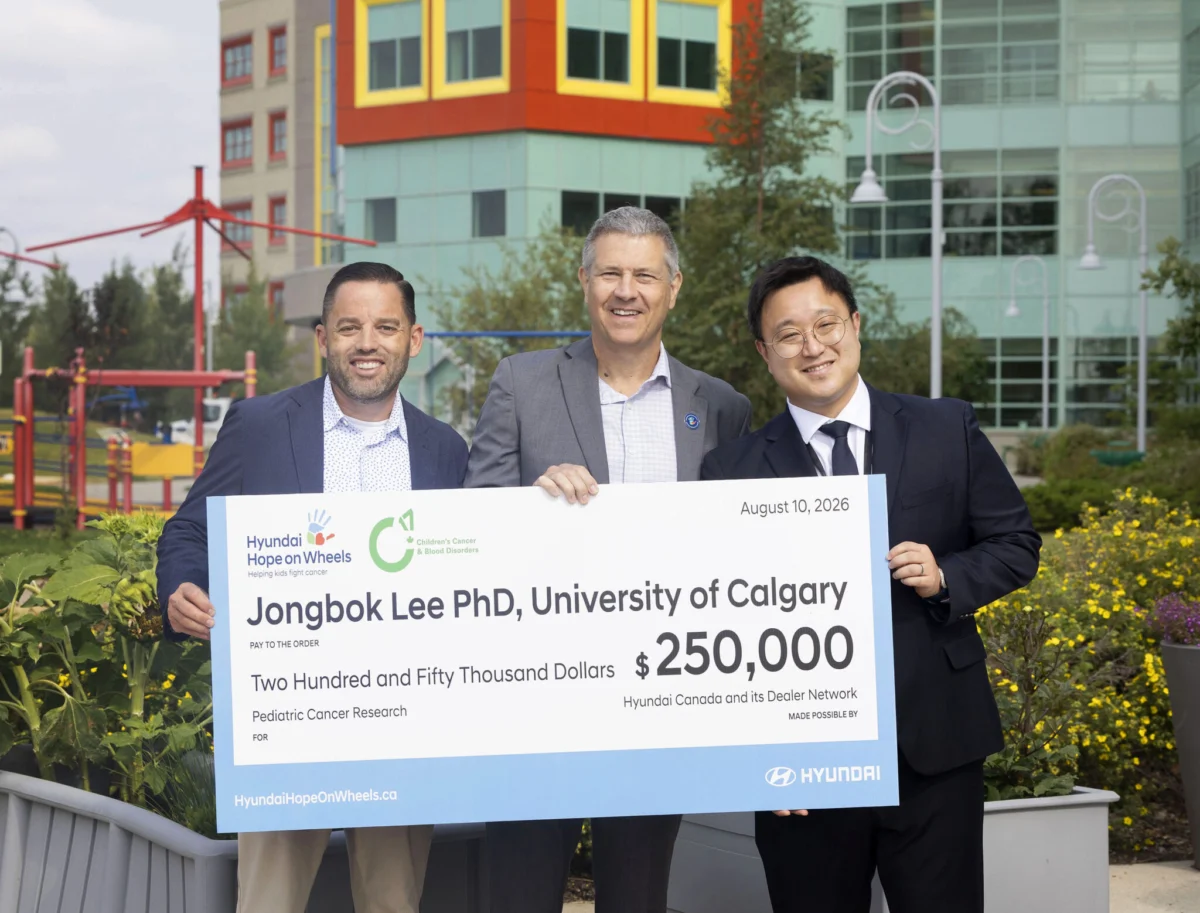
Perhaps the most significant component of this year’s investment is the $250,000 research grant awarded to Dr. Jongbok Lee at the University of Calgary. Through the collaboration with the C17 Council, HHOW has targeted the cutting edge of oncological science: immune cell therapy.
The Science of Survival: CAR-T Cell Therapy
Dr. Lee’s research focuses specifically on Acute Myeloid Leukemia (AML), a particularly aggressive form of cancer that often presents significant treatment challenges for pediatric patients.
"Our research aims to make life-saving CAR-T cell therapy more accessible and reduce wait times for children who need it most," Dr. Lee stated during the announcement.
CAR-T (Chimeric Antigen Receptor T-cell) therapy is a form of immunotherapy that involves reprogramming a patient’s own immune cells to recognize and destroy cancer cells. While the technology has shown remarkable promise in clinical trials, it remains complex, expensive, and time-consuming to manufacture. Dr. Lee’s project seeks to streamline the production and delivery pipeline, ensuring that Canadian children are not subjected to the dangerous, often fatal, wait times that currently plague the standard care model.
The Human Element: Stories of Resilience and Remembrance
While the financial figures and scientific abstracts provide the structural foundation for the initiative, the heart of Hyundai Hope On Wheels lies in the stories of the families it supports.
At the August 12 ceremony held at the Jim Pattison Children’s Hospital, the atmosphere was a mix of profound grief and enduring gratitude. The event honored the memory of a young patient named Clarke, who spent over three years battling an aggressive form of leukemia. Her journey—a testament to the resilience of the human spirit—ended last year, but her legacy continues through the advocacy of her mother, Cassandra Thiesen.
Reflecting on the impact of the hospital staff and the support provided by the community, Thiesen noted that the Jim Pattison Children’s Hospital was "our second home." Her message to the attendees served as a powerful reminder of why corporate investment in pediatric care is vital: "Clarke would be so happy knowing Hope on Wheels is helping all the other kids who spend their days doing the hard things."
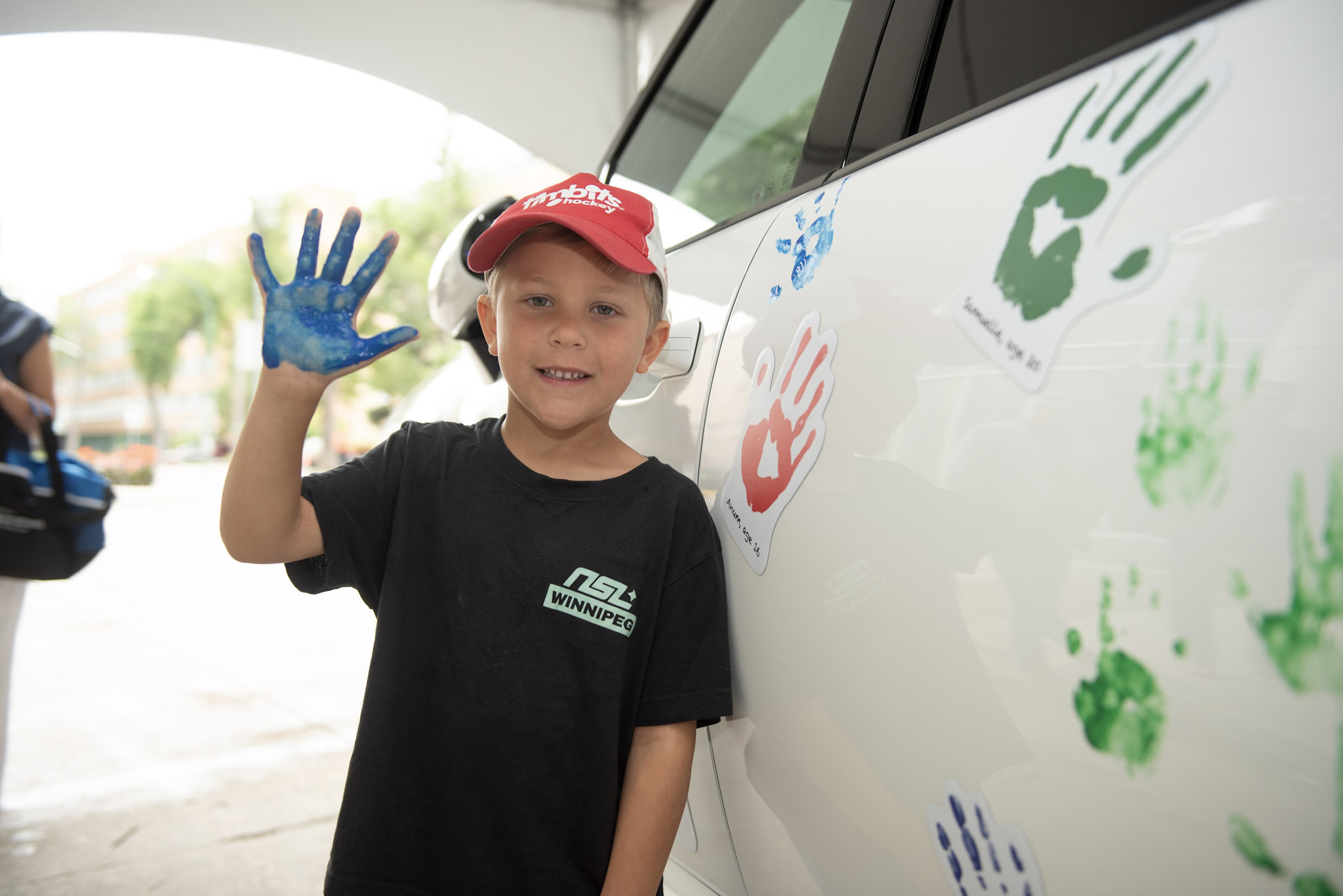
This narrative highlights the "Handprint Ceremony," a symbolic tradition where children place their painted handprints onto a Hyundai vehicle. These handprints serve as a permanent, visible reminder of the individual lives behind the statistics, transforming a commercial asset—the car—into a symbol of hope and survival.
Implications: The Role of Private Sector Engagement in Public Health
The model employed by Hyundai Hope On Wheels has significant implications for the future of pediatric healthcare in Canada. As public healthcare budgets face increasing pressure due to aging populations and rising costs of specialized medicine, the role of private-sector philanthropy has become more than just "charity"—it has become a necessity.
1. Accelerating Innovation
Public research grants are often conservative and highly competitive, making it difficult for researchers to pursue high-risk, high-reward projects like novel immunotherapies. By providing dedicated, private funding, HHOW allows researchers like Dr. Lee to bypass traditional bureaucratic delays, effectively "buying time" for patients who do not have the luxury of waiting.
2. Standardizing Support Programs
The consistent, national nature of the Hyundai initiative helps standardize the level of support available to families regardless of geography. By supporting hospitals in provinces like Saskatchewan and Manitoba alongside those in major hubs like Alberta, the program helps mitigate the "postcode lottery" effect in pediatric cancer care.
3. Corporate Social Responsibility as Brand Identity
For Hyundai, this initiative is deeply embedded in their corporate identity. By tying sales to a direct social outcome, the company fosters a sense of purpose among its dealership network and its customers. Every new vehicle sale becomes a symbolic act of community support, which strengthens the brand’s emotional connection with the Canadian public.
Conclusion: A Long-Term Vision for Health
As Hyundai Hope On Wheels looks toward the remainder of 2026 and beyond, the roadmap is clear. The combination of $4.1 million in annual funding, strategic research grants for complex diseases like leukemia, and a steadfast commitment to the families who endure the most difficult moments of their lives, positions the initiative as a cornerstone of the Canadian pediatric oncology landscape.
The success of the program will ultimately be measured not in dollars, but in the survival rates of the children who benefit from the advanced therapies now being developed. Through the marriage of automotive excellence and medical innovation, Hyundai is demonstrating that when a corporation aligns its success with the welfare of the most vulnerable, it creates a legacy that extends far beyond the road. The handprints on the vehicles are not just paint; they are a promise to every child currently fighting that they are not alone, and that there is a collective effort working tirelessly to ensure their future.
