




By Investigative Desk
Human Rights Watch (HRW) has issued a scathing indictment of United States immigration policy, warning that the systematic deportation of Haitian nationals is placing hundreds of lives in immediate jeopardy. Following the expiration of Temporary Protected Status (TPS) for Haitians in late July, the US government has significantly accelerated removal flights to a nation currently paralyzed by systemic gang violence, economic collapse, and a humanitarian emergency that the US State Department itself has classified as "Level 4: Do Not Travel."
The report, released Monday, details a chaotic reception process in Cap-Haïtien, where the influx of returnees has overwhelmed local resources. With the primary airport in Port-au-Prince closed to US aircraft due to extreme criminal activity—a restriction now slated to continue through March 2027—the logistics of these deportations have forced returnees into an increasingly volatile northern region, leaving them without adequate food, shelter, or safety.
The Core Facts: A Policy of Rapid Removal
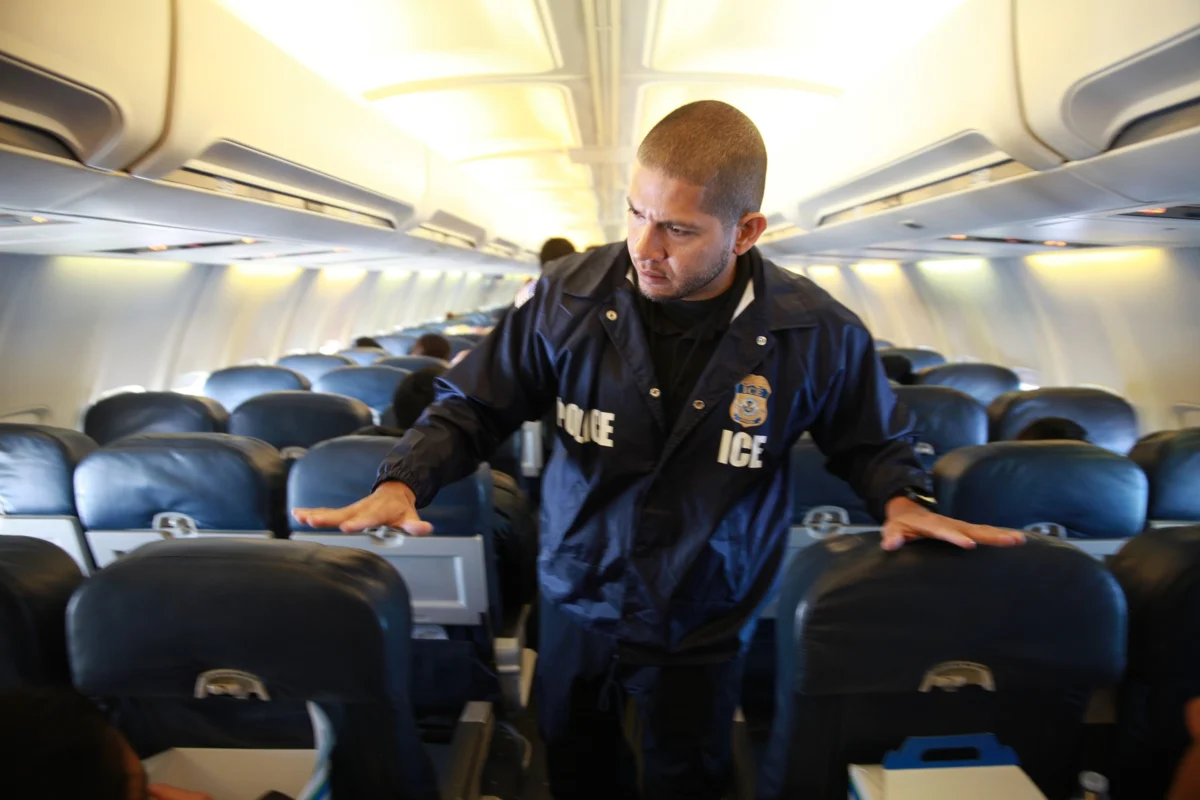
Since the termination of TPS protections, US Immigration and Customs Enforcement (ICE) has transitioned from a monthly deportation schedule to a high-frequency operation. Between August 20 and September 17, the agency conducted five consecutive weekly flights, forcibly returning 474 individuals to a country struggling to maintain basic civil order.
HRW researchers, who conducted extensive fieldwork in Cap-Haïtien from August 24 to 30, interviewed 44 deportees and several local officials. Their findings paint a harrowing picture: returnees are arriving in a city where the population has effectively tripled due to internal displacement. These individuals, many of whom have lived in the United States for years and have deep familial ties to American citizens, are being sent back to an environment where they have no existing support networks and are immediate targets for the gangs that dominate much of the nation’s infrastructure.
"The United States is returning people, some with pending asylum claims, to a country that doesn’t have the capacity to protect them from violence, let alone help them find food and shelter," said Nathalye Cortino, a senior Americas researcher at HRW.
Chronology of the Crisis: From Legal Ruling to Forced Departure
The current situation is the culmination of a months-long legal and humanitarian struggle. The timeline of the crisis is marked by key judicial and administrative milestones:
- June 25, 2026: In the landmark ruling Mullin v. Doe, the US Supreme Court affirmed the authority of the administration to terminate TPS for approximately 330,000 Haitians. This status had been a lifeline since the 2010 earthquake, providing a renewable reprieve from deportation.
- Late July 2026: TPS protections officially expired. Despite international outcry, the administration proceeded with the planned revocation, leaving hundreds of thousands of residents vulnerable to immediate removal.
- August 20, 2026: ICE commenced an aggressive series of weekly deportation flights, moving away from the previous sporadic monthly schedule.
- August 24–30, 2026: HRW researchers conducted on-the-ground interviews in Cap-Haïtien, documenting the failure of reception systems and the vulnerability of returnees.
- August 30, 2026: White House “border czar” Tom Homan publicly defended the policy on national television, citing legal enforcement while admitting a lack of situational awareness regarding current conditions in Haiti.
- September 2026: Ongoing deportation flights continue, even as the FAA extends the ban on flights to Port-au-Prince until March 2027, highlighting the inherent danger of the regions to which deportees are being returned.
Supporting Data: Violations of Due Process and International Law
The HRW report highlights significant procedural irregularities during the deportation process. According to data provided by Haiti’s Office National de la Migration (ONM), a significant portion of those deported had established lives in the US, with many separated from children and spouses who hold American citizenship.
Crucially, the investigation found that many deportees were denied fundamental access to legal counsel. Numerous individuals were placed on flights without ever being granted the opportunity to appear before an immigration judge to plead their asylum cases. This lack of due process stands in direct contradiction to international human rights standards.
HRW specifically cites the principle of non-refoulement—a cornerstone of international law that strictly prohibits the return of individuals to territories where their life or safety is threatened. By returning individuals to Haiti, the US is arguably in breach of its obligations under international human rights treaties. The Inter-American Commission on Human Rights (IACHR) echoed these concerns in an August statement, explicitly urging the US to guarantee protections for Haitians, noting that the "serious risk" posed to returnees cannot be mitigated by the current Haitian state.
Official Responses: A Clash of Ideology and Reality
The US administration’s stance has been characterized by a rigid focus on legal enforcement over humanitarian assessment. Tom Homan, acting in his capacity as the administration’s border lead, provided a stark defense of the deportations during his appearance on CNN’s State of the Union.
When pressed on the security risks faced by those returning to a country where gangs control key transit routes and urban centers, Homan admitted, "I am not familiar with the conditions in Haiti." He justified the flights by stating, "We are just enforcing the law." This response has drawn widespread criticism from human rights advocates, who argue that the administration is operating with a "willful blindness" to the reality of the crisis on the ground.
In contrast, the Haitian government, despite being the recipient of these deportees, has struggled to facilitate their reintegration. The ONM has highlighted the lack of international donor support for a coordinated national reception plan, leaving the burden of housing, feeding, and protecting returnees to a state that is itself fighting for survival against armed insurgencies.
Implications: The Long-Term Consequences of Current Policy
The decision to continue these deportations carries profound implications for both US foreign policy and the future of the Haitian nation.
1. Humanitarian Consequences
The primary consequence is the immediate risk to human life. Returnees are often arriving with nothing but the clothes on their backs. Without a functioning social safety net, many are forced into makeshift encampments that are frequently targeted by gangs. The separation of families—where breadwinners are removed while their US-citizen families remain in poverty—is also expected to lead to long-term social instability.
2. Legal and Diplomatic Precedent
By ignoring the non-refoulement principle, the US is undermining its own credibility as a global champion of human rights. International partners, particularly within the Organization of American States (OAS), are watching closely to see if the US will adjust its stance in response to the IACHR recommendations. Continued inaction could lead to further diplomatic friction.
3. Legislative Stagnation
Despite the urgency of the situation, Congress remains deadlocked. A House-approved bill that would extend TPS for Haitians through 2029 has seen no movement in the Senate. The failure to pass this legislation suggests that the humanitarian crisis has been subsumed by the hyper-partisan nature of immigration politics in the US.
4. The "Level 4" Paradox
The fact that the State Department maintains a "Level 4: Do Not Travel" advisory for Haiti—the highest possible warning—while simultaneously flying hundreds of people into the country creates an untenable moral contradiction. It suggests a policy that prioritizes administrative throughput over the safety of the individuals caught in the machinery of the immigration system.
Recommendations for Reform
HRW’s report concludes with a clear call to action, demanding:
- An Immediate Moratorium: An instant halt to all deportation flights to Haiti until the security situation allows for safe and dignified return.
- Due Process Guarantee: Ensuring every Haitian national currently in detention has full, unhindered access to legal counsel and a fair hearing before an immigration judge.
- Legislative Action: Immediate Senate passage of the House-approved bill extending TPS through 2029.
- Integrated Support: A collaborative effort between the US, the Haitian government, and international donors to build a sustainable reception and reintegration program that focuses on the basic human rights of those affected.
As the weeks pass and the flights continue, the international community faces a critical test: whether the rules of international law can be upheld in the face of domestic political pressure. For the 474 individuals already returned—and the thousands waiting in detention—the outcome of this debate is not merely a matter of policy; it is a matter of life and death.
