





In a significant departure from long-standing federal strategies, the U.S. Department of Housing and Urban Development (HUD), in collaboration with the White House Office of National Drug Control Policy and the Department of Health and Human Services (HHS), has unveiled a comprehensive "Treatment First" toolkit. This new guidance, released this month, marks a deliberate effort by the Trump administration to move local municipalities away from the "Housing First" model—a strategy that has been the cornerstone of federal homelessness policy for decades—toward a framework that emphasizes recovery, sobriety, and self-sufficiency as prerequisites for long-term stability.
The Core Shift: From Housing First to Treatment First
For years, the "Housing First" approach has operated on the premise that providing permanent housing to individuals experiencing homelessness, without preconditions such as sobriety or participation in mental health services, is the most effective way to stabilize their lives. Proponents argue that housing is a fundamental human right and a necessary foundation for any other social services to be effective.
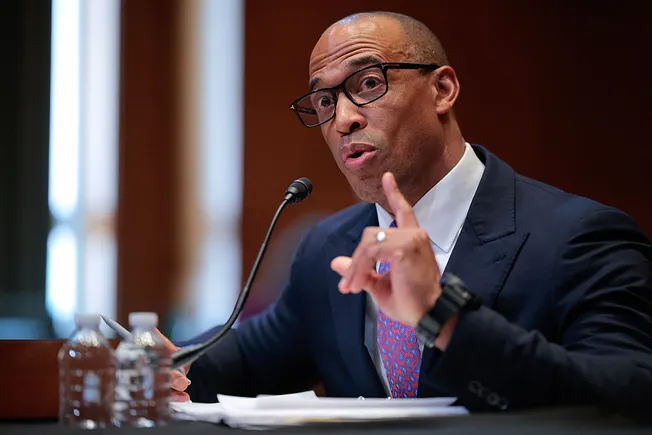
However, the current administration has explicitly broken with this philosophy. HUD Secretary Scott Turner has been a vocal critic of the traditional model, characterizing it as an ineffectual use of taxpayer dollars that leaves individuals trapped in cycles of addiction. The newly launched "Treatment First" toolkit is intended to serve as a practical, expert-designed playbook that challenges local leaders to rethink how they distribute resources.
"Housing is essential, but housing alone is not enough," Secretary Turner stated during the August 12 rollout. "This toolkit gives communities a practical playbook designed by experts across the country to put treatment first and help more homeless Americans achieve lasting recovery, stability, and independence."
Chronology of the Policy Evolution
The introduction of the "Treatment First" toolkit is the culmination of a broader strategic shift within federal housing and health agencies. To understand the current policy, one must look at the recent trajectory of U.S. homelessness initiatives:
- The Post-Pandemic Spike: Following the COVID-19 pandemic, the U.S. saw a record-breaking surge in homelessness across major metropolitan areas. This crisis catalyzed a national debate over the efficacy of existing policies.
- Reassessing "Housing First": During the subsequent administrative review, federal agencies began auditing the outcomes of long-term "Housing First" grant programs. Reports from the executive branch suggested that while some individuals were being housed, many were not achieving "long-term recovery," leading to a push for more conditional support systems.
- The Joint Agency Initiative: Recognizing that homelessness is inextricably linked to substance use and mental health crises, HUD coordinated with the Office of National Drug Control Policy and HHS to integrate medical and social service expertise into housing policy.
- August 2026 Rollout: The formal release of the "Treatment First" toolkit provides a unified federal message, offering a standardized, if flexible, framework for states and cities to adopt as they apply for federal grants and coordinate local outreach efforts.
Analyzing the "Treatment First" Framework
The toolkit does not mandate a singular, rigid model; rather, it offers a menu of "best practices" designed to foster accountability. At its heart, the policy emphasizes that success should no longer be measured solely by the number of people housed, but by "meaningful progress toward long-term recovery-oriented outcomes."
The Five-Phase Path to "Thriving"
The playbook outlines a structured, five-phase trajectory for individuals transitioning from the streets to permanent stability:
- Crisis: Immediate intervention and safety.
- Stabilization: Addressing immediate health and survival needs.
- Treatment: Intensive engagement with substance use or mental health services.
- Early Recovery: Building the habits necessary for independent living.
- Thriving: The final objective, defined by the toolkit as long-term abstinence from addiction, mental health stability, full-time employment, and, ultimately, the transition to non-subsidized, private-market housing.
A notable feature of this new approach is the encouragement for local jurisdictions to mandate substance-free living environments. This marks a stark contrast to previous federal guidance, which cautioned against sobriety requirements as a barrier to entry for the most vulnerable populations.
The "Whole-of-Community" Approach
The toolkit advocates for a collaborative model that reaches beyond government agencies. It encourages local leaders to forge deeper partnerships with faith-based organizations and local non-profits. The rationale is that faith-based entities often possess unique, long-term support structures that can offer the consistent, community-based accountability that government programs sometimes struggle to maintain.
Supporting Data and Real-World Applications
While the federal government advocates for this shift, the landscape of homelessness in the U.S. remains complex. Last year, the U.S. recorded a 3% decline in the total number of individuals experiencing homelessness, a positive turn after the record-high spikes observed in the previous cycle. The administration points to this modest decline as evidence that local adjustments—and a stronger focus on services—can yield results.
The LA County Model for Encampment Resolution
Perhaps the most detailed case study within the new toolkit is the Homeless Outreach Services Team (HOST) model, utilized by LA County. The toolkit highlights this approach as a gold standard for managing encampments without resorting to punitive measures.
The HOST model relies on:
- Multidisciplinary Teams: Integrating specialized law enforcement with housing navigators, substance use clinicians, and public works crews.
- Non-Punitive Resolution: The toolkit notes that in LA County, this program has cleared over 1,500 encampments without a single arrest, use of force, or lawsuit.
- Trauma-Informed Engagement: Rather than conducting one-off "sweeps," the model emphasizes repeated, persistent outreach to build trust with individuals living in encampments before attempting to transition them into services.
Official Responses and Public Controversy
The publication of the "Treatment First" toolkit has sparked immediate and intense debate among housing advocates, policy experts, and disability rights organizations.
The Disability Rights Education and Defense Fund (DREDF) has been one of the most vocal critics, issuing a statement that condemned the toolkit as a "blueprint for conditioning shelter on compliance." DREDF and other advocacy groups argue that by linking housing to sobriety and treatment compliance, the federal government is effectively creating new barriers that will force the most vulnerable individuals back into the streets if they experience a relapse or fail to meet stringent program benchmarks.
Conversely, supporters of the administration’s shift argue that the "Housing First" model—when implemented without robust wrap-around services—has inadvertently isolated individuals in precarious housing situations where their addiction or mental health needs go unaddressed. They contend that the new toolkit provides the necessary "teeth" to ensure that housing support is a vehicle for personal recovery, rather than merely a temporary roof.
Implications for Local Municipalities
For local leaders, the "Treatment First" toolkit creates a new strategic landscape. Municipalities that are currently dependent on federal HUD funding may find themselves under increasing pressure to align their local policies with these new guidelines.
Financial and Administrative Implications
Local governments will likely face a shift in how they allocate their budgets. Instead of prioritizing rapid re-housing, cities may be required to invest more heavily in clinical treatment facilities, recovery-oriented housing, and longitudinal tracking systems to monitor the "thriving" metrics outlined by the federal government.
The Challenge of Implementation
The transition to a "Treatment First" approach is not without its operational risks. Critics point out that forcing sobriety in high-barrier settings can be dangerous, potentially leading to overdoses if individuals are abruptly removed from supportive environments due to relapse. Furthermore, the reliance on faith-based partnerships may raise legal and constitutional questions in certain jurisdictions regarding the separation of church and state, particularly if those organizations receive significant public funding.
The Outlook
As communities begin to digest the toolkit, the national conversation on homelessness is shifting from a debate over "housing" versus "no housing" to a more nuanced, albeit contentious, discussion about the conditions of assistance. The success of the "Treatment First" initiative will likely be measured in the coming years by whether it can actually improve long-term recovery rates without significantly increasing the number of people living in unsheltered conditions.
For now, the federal government has signaled a firm commitment to this new direction. Local leaders are left to navigate the balance between the federal pressure to prioritize "Treatment First" and the immediate, humanitarian demands of the populations they serve. As cities test these strategies, the data—both in terms of housing placement and long-term recovery—will be under intense scrutiny from both the administration and its detractors.
