



As persistent drought conditions, volatile climate patterns, and rapid population growth converge, communities across the globe are confronting a harsh reality: the traditional "take-from-nature" model of water management is no longer sustainable. With reliance on snowpack, rivers, and groundwater proving increasingly precarious, water authorities are turning to a proven, climate-resilient solution: Direct Potable Reuse (DPR).
DPR—the process of purifying treated wastewater to a level that meets or exceeds drinking water standards and introducing it directly into the municipal supply—is the next frontier in water security. While the engineering behind the process is sophisticated and robust, the technology’s greatest hurdle has never been technical. Instead, it has been a battle of perception, defined by a decades-old branding war that once threatened to derail the future of sustainable water.
The Science of Purity: Understanding the Process
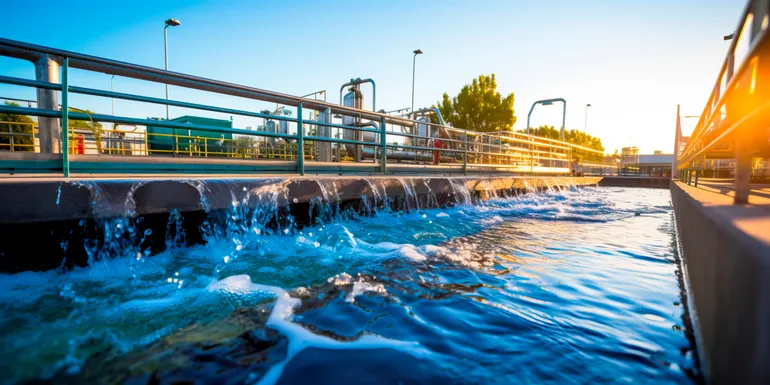
At its core, potable reuse comes in two primary forms: Indirect Potable Reuse (IPR) and Direct Potable Reuse (DPR). Both rely on advanced treatment technologies, including microfiltration, reverse osmosis, and ultraviolet light disinfection.
"Both direct and indirect potable reuse rely on advanced treatment technologies that produce water meeting or exceeding drinking water standards," explains Kevin Goetz, a construction manager with PCL Construction, Inc. "The difference is where that purified water goes next."
In IPR, the purified water is routed through an environmental buffer—such as an aquifer or a reservoir—before it is drawn back into the system for treatment and consumption. DPR eliminates that intermediate step, delivering the purified water directly into the municipal distribution system. By utilizing multiple "treatment barriers," engineers ensure that the final product is pristine, safe, and entirely independent of the volatility of weather-dependent surface water sources.
A Chronology of Conflict and Redemption
To understand why DPR is only now gaining traction in the United States, one must look back to the 1990s. This was a period when early attempts at implementing reuse projects were systematically dismantled by a combination of political maneuvering and media-fueled public fear.
The Rise of the "Toilet-to-Tap" Narrative
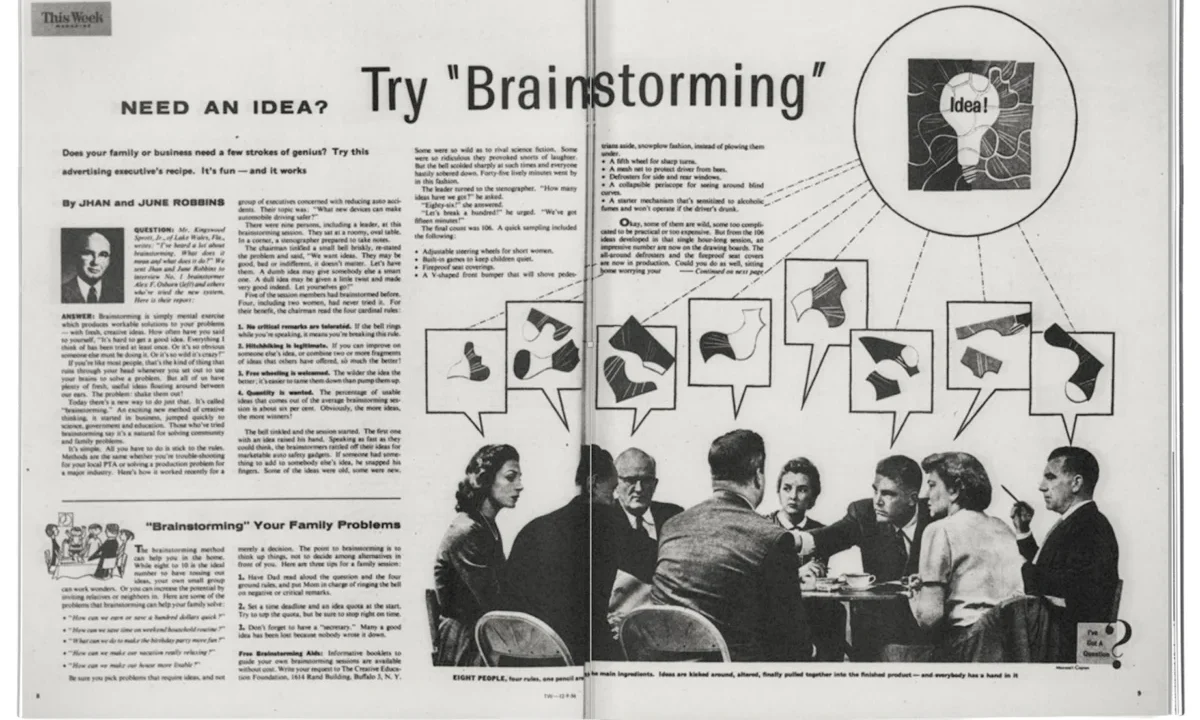
In the 1990s, proponents of water reuse in cities like San Diego, Tampa, Los Angeles, and the Upper San Gabriel Valley faced a messaging crisis. Opponents of these projects successfully weaponized the phrase "toilet-to-tap." This label, while technically inaccurate, proved to be an incredibly potent piece of political rhetoric. It reduced a highly sophisticated, multi-stage, industrial-grade purification process into a singular, visceral image that triggered an instinctive, negative emotional response from the public.
"The early wave of potable reuse projects in the 1990s collapsed under the weight of public fear and political pressure," says Sara Katz, partner and strategic advisor at Bodewell Group. "The technology was there, but the narrative got ahead of the industry: ‘toilet to tap’ became shorthand for risk and distrust."
The result was a wave of canceled, shelved, or indefinitely delayed projects. For nearly two decades, the United States lagged behind the rest of the world, despite having the technological capacity to implement these systems safely.
The Global Blueprint
While the U.S. stalled, other nations treated water reuse as a strategic necessity. In 1968, facing acute scarcity, Windhoek, Namibia, launched the world’s first large-scale potable reuse facility. More than 50 years later, that system continues to operate safely, providing up to 25% of the city’s drinking water.
Similarly, Singapore’s "NEWater" system and Belgium’s pioneering DPR facilities have served as long-term proof-of-concept. These success stories demonstrate that when transparency, public education, and rigorous performance reporting are prioritized, public trust naturally follows.
El Paso: The U.S. Turning Point
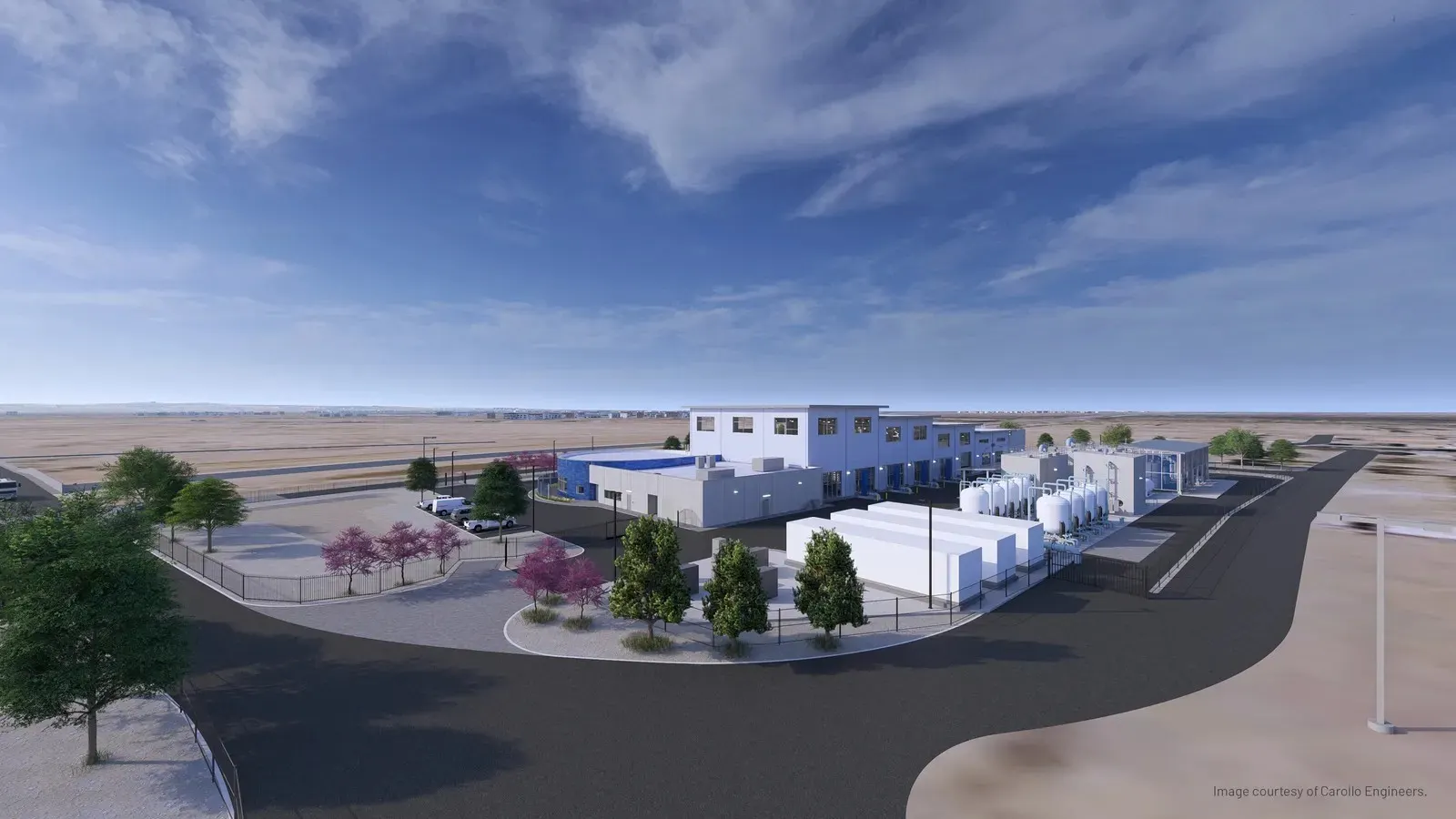
The tide finally began to turn in the 2020s. In early 2025, El Paso Water, in partnership with PCL Construction and Carollo Engineers, broke ground on the El Paso Water Pure Water Center. This project is a landmark achievement, marking the first time a U.S. city will deliver DPR-treated water directly to residents’ taps.
The facility is designed to produce up to 10 million gallons of purified drinking water per day. Unlike the projects of the 90s, the Pure Water Center is built on a foundation of a decade of intensive planning, regulatory collaboration, and transparent community engagement.
"Public engagement has become as important to modern potable reuse projects as the treatment technology itself," note project leads. The facility features a public education center designed to demystify the process. By offering interactive exhibits and viewing areas where the public can see the purification technology in action—and even sample the final product—El Paso is replacing fear with familiarity.
Supporting Data: Why Now?
The shift toward DPR is not merely a policy preference; it is a mathematical necessity. Data from various municipal water agencies highlights the critical state of current water supplies:
- Groundwater Preservation: In desert cities like El Paso, DPR is projected to reduce reliance on groundwater pumping by double-digit percentages, allowing over-taxed aquifers to recharge.
- Climate Resilience: DPR provides a "drought-proof" supply that does not rely on rainfall, snowmelt, or the health of distant river basins.
- Diversification: Cities like San Diego are currently building out infrastructure to ensure that by 2035, roughly 50% of their local water supply will come from recycled sources, drastically reducing the city’s dependence on imported water from the Colorado River.
- Regulatory Evolution: State-level frameworks are finally catching up. Across the U.S., particularly in the West, environmental protection agencies are moving from ad-hoc approval processes to comprehensive, standardized regulations for DPR, providing the legal certainty necessary for long-term infrastructure investment.
Implications for Future Water Security
The implications of the success in El Paso and the expansion of programs in Denver, San Diego, and across California are profound. We are witnessing a transition from water reuse as a "fringe" or "emergency" measure to water reuse as a cornerstone of urban infrastructure.
The Shift in Public Perception
The decline of the "toilet-to-tap" narrative is a testament to the power of transparent communication. By shifting the conversation toward "water circularity" and "resilience," water authorities are successfully framing DPR as an act of environmental stewardship rather than a necessity of the destitute.
The Technological Imperative
As global temperatures rise and population centers grow, the "take-from-nature" model is increasingly viewed as an anachronism. The success of modern DPR projects suggests that future municipal planning will be judged by its ability to close the loop. If a city can take its own wastewater, treat it to a state of absolute purity, and return it to the tap, it effectively becomes its own headwaters.
Conclusion: The Final Verdict
After decades of stagnation, the era of direct potable reuse has officially arrived in the United States. The barriers that once prevented adoption—political hesitation, media-driven skepticism, and lack of a regulatory roadmap—are falling away.
The science behind DPR is no longer the subject of debate; it is the industry standard. As the global water crisis intensifies, the narrative has shifted from "can we do this?" to "how quickly can we build it?" For communities across the country, the Pure Water Center in El Paso serves as a clear signal: the future of water is circular, and the technology to secure it is already at our fingertips. The question facing modern policymakers is no longer whether direct potable reuse is an acceptable risk, but whether, in the face of a changing climate, a community can afford the risk of ignoring it.
