





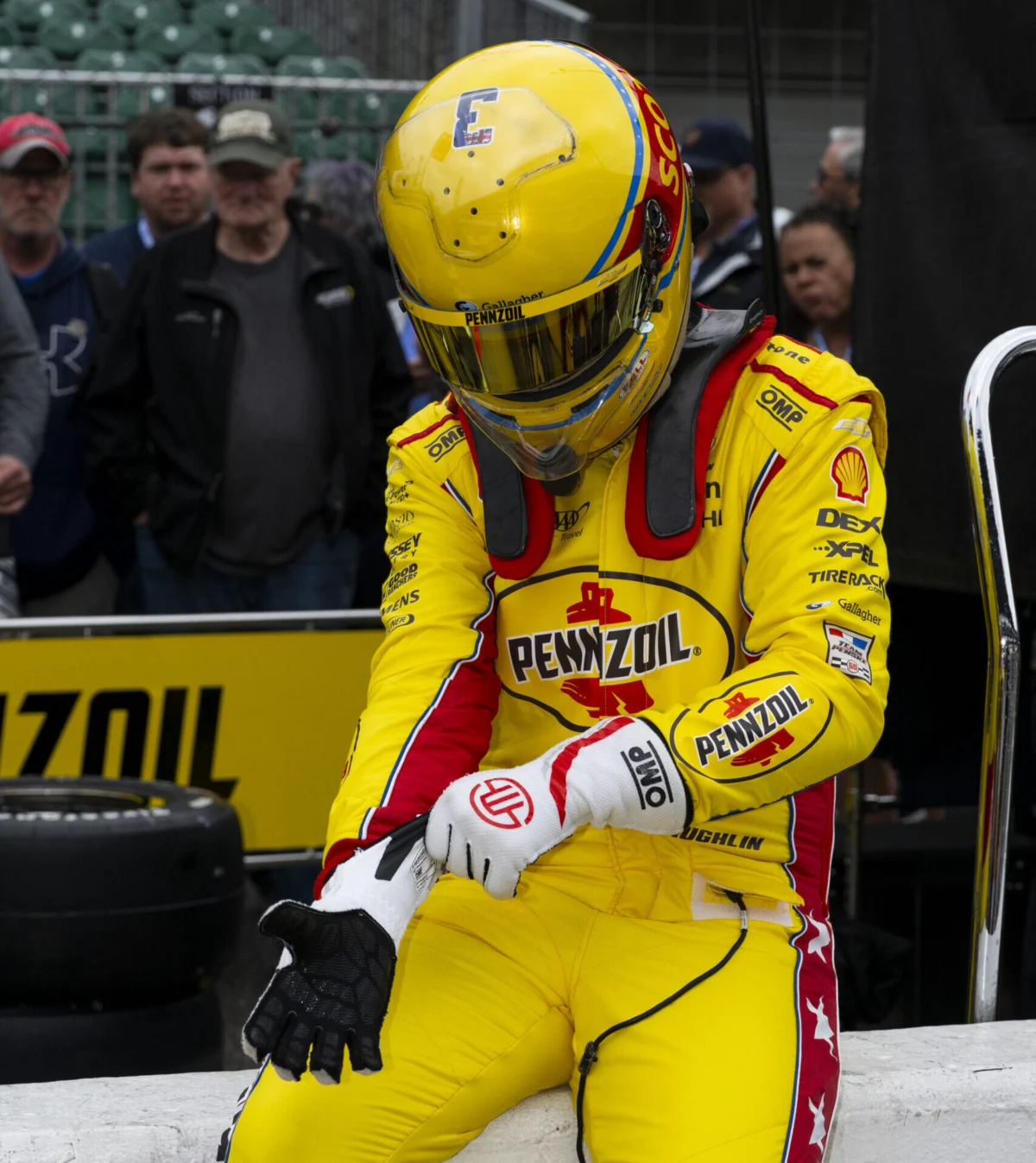
The world of professional motorsports serves as the ultimate laboratory for automotive engineering. Nowhere is this more evident than in the NTT IndyCar Series, where the marriage of high-speed performance and cutting-edge chemistry creates a testing environment that pushes lubricants far beyond the boundaries of conventional consumer automotive use.
For Pennzoil, the official lubricant supplier for Team Penske and the NTT IndyCar Series, the racetrack is not merely a venue for branding; it is a high-pressure, high-temperature furnace where the future of engine protection is forged. By analyzing how oils behave under the sustained, punishing stresses of a 2.2-litre twin-turbo V6 engine, engineers are able to refine the chemistry that eventually finds its way into the oil pans of everyday passenger vehicles.
The Crucible: Engineering Challenges on the Track
IndyCar engines are masterpieces of compact power. These powerplants, supplied by manufacturers like Honda and Chevrolet, routinely generate upwards of 700 horsepower while screaming past 12,000 RPM. Unlike a standard sedan that spends much of its life at idle or cruising at low engine loads, an IndyCar engine spends entire race weekends at full throttle, subjected to constant heat, extreme internal pressure, and relentless friction.
The primary challenge for any lubricant in this environment is maintaining structural integrity. As Dr. Jung Fang, associate technology manager for North American motorsports at Shell-Pennzoil, explains, the oil is tasked with an impossible balancing act: it must remain thin enough to reduce drag and improve efficiency, yet thick enough to maintain a protective film between high-speed metallic components.
"You can’t get to a viscosity so low that you break the oil film between those metallic components," says Andrew Miller, an INDYCAR development engineer at Team Penske. "Once that film breaks, you’re looking at direct metal-on-metal contact, which leads to catastrophic wear. Maintaining that balance, particularly as temperatures soar, is the fundamental challenge of racing lubrication."
Chronology of a Data-Driven Partnership
The relationship between Pennzoil and Team Penske is built on a cycle of constant observation, analysis, and iteration. This synergy is particularly visible during high-profile race weekends, such as the series’ recent stops in Canada. For Dr. Fang, these Canadian events are more than just races; they represent milestones in a long-standing tradition of technical collaboration.
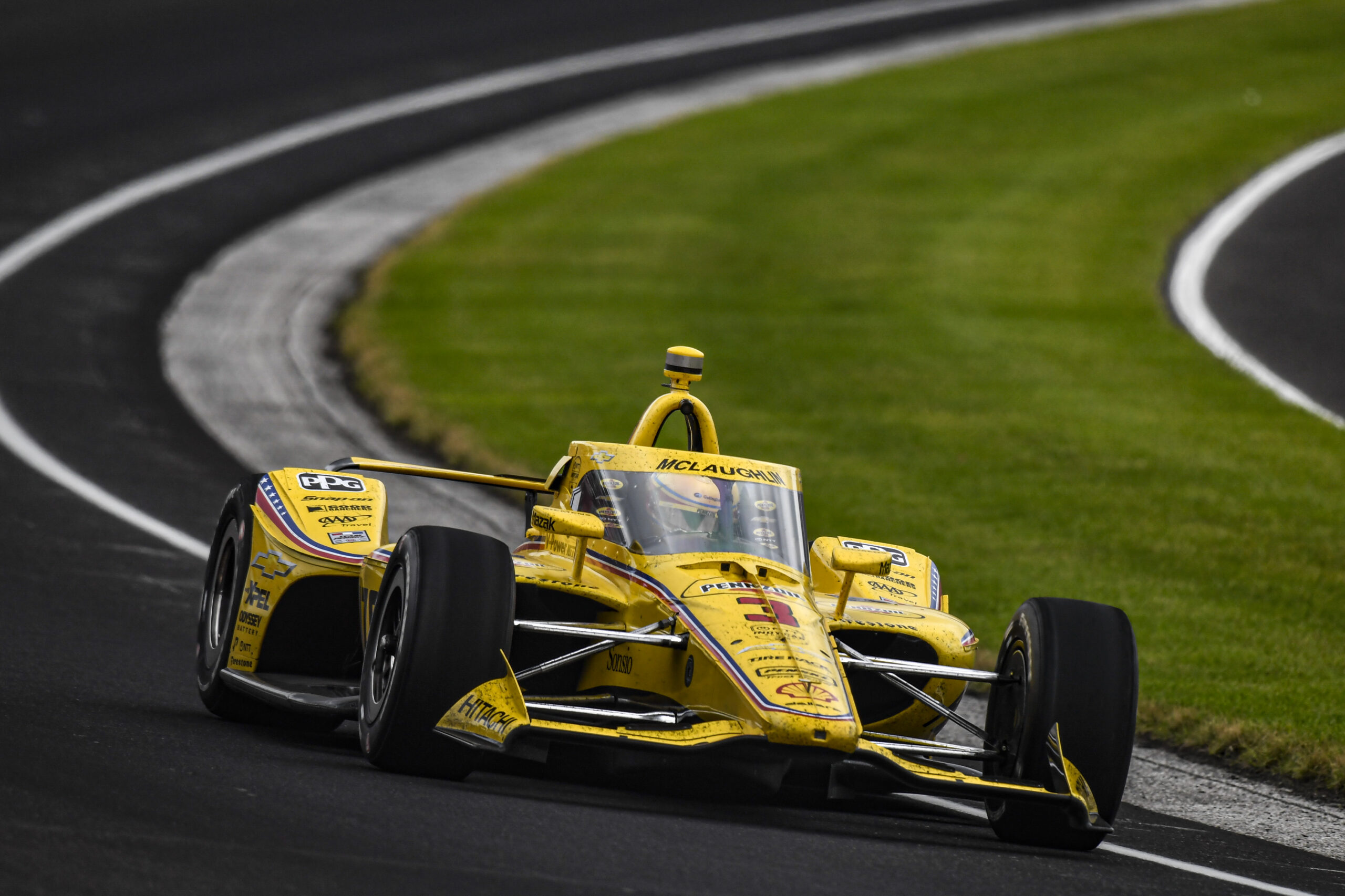
"I remember my very first IndyCar race was in the Exhibition Place in Toronto," Fang recalls. "Canada and the IndyCar series have always had a special place in my heart. Watching our technology perform here, in the heart of these intense, technical street circuits, brings the work we do in the lab into the real world."
Throughout a race weekend, the chronology of data collection is rigorous:
- Pre-Race Baseline: Engineers establish oil pressure and thermal operating windows based on simulation models.
- Real-Time Telemetry: During practice, qualifying, and the race itself, sensors on the car provide live feedback on oil temperature, pressure, and flow rates.
- Post-Session Analysis: Immediately after the car returns to the pit lane, oil samples are extracted for "wear-metal" analysis.
- Iterative Formulation: Findings from the laboratory are fed back into the development cycle to tweak additive packages or base oil chemistry for the next race.
Supporting Data: The Science of Survival
To understand how an oil holds up under the duress of 200-mph racing, engineers focus on two critical metrics: thermal stability and oxidative stability.
Thermal Stability
As engine temperatures spike, the physical density of the oil naturally decreases. If the oil cannot resist thinning, it loses its ability to lubricate the tight tolerances of the engine. Furthermore, extreme heat can lead to "foaming"—a phenomenon where air bubbles become trapped in the lubricant. Because air is a poor conductor of heat and offers no protection against friction, foam is the enemy of the high-performance engine.
Oxidative Stability
At high temperatures, oil is prone to reacting with oxygen, a process known as oxidation. This causes the oil to thicken, form sludge, and lose its protective capabilities. "Oil temperature is a vital indicator for the thermal and oxidative stability of the fluid," says Dr. Fang. "If the temperature exceeds our design parameters, it doesn’t just mean the oil is hot; it means the oil is potentially breaking down at a molecular level."
Wear-Metal Analysis
The most telling evidence of an oil’s success lies in the microscopic debris left behind. By analyzing samples for trace amounts of iron, aluminum, and copper, engineers can map exactly where wear is occurring. If elevated levels of aluminum are found, it suggests the oil film failed near the pistons; if iron levels spike, the camshafts or crankshaft bearings may be under stress. This quantitative data allows the team to make micro-adjustments to the car’s cooling systems or the lubricant’s viscosity grade on the fly.
Official Responses: The Engineering Perspective
The partnership between Team Penske and Pennzoil is characterized by a deep level of mutual trust. Andrew Miller notes that while they rely on advanced sensor suites to monitor the car, the human element—the interpretation of that data—remains paramount.
"We monitor everything from the gearbox to the engine power output," Miller says. "When we see a trend in the telemetry, we’re not just looking at the engine; we’re looking at the health of the oil. We adjust cooling options and air ducts to ensure the lubricant stays in its ‘sweet spot.’ If we see a degradation in performance, we don’t just blame the mechanical parts; we analyze the oil as a mechanical component itself."
Dr. Fang emphasizes that this, in turn, informs their commercial research. "This test data really probes the extreme limits of our lubricant technology. When we prove that a specific additive can withstand the shear forces of a 12,000-RPM engine, we know that same additive will provide unparalleled protection for a consumer’s SUV in stop-and-go traffic."
Implications: From the Track to Your Driveway
While the oil in a professional race car is formulated with a different set of priorities than the oil in a daily commuter vehicle, the fundamental lessons are universal. The "extreme testing" of IndyCar allows engineers to identify weaknesses in chemical formulations that might take years to surface in a standard road car.
Why This Matters for the Everyday Driver
- Enhanced Longevity: The same anti-wear additives developed to save a race engine from failure at 12,000 RPM help your daily driver’s engine reach 200,000+ miles with minimal internal wear.
- Temperature Resilience: By learning how to prevent oil breakdown at extreme heat, engineers have improved the viscosity stability of consumer oils, making them more resistant to the thermal cycles of daily driving.
- Efficiency Gains: The push for low-friction lubricants on the track has directly led to the development of fuel-efficient, "thin" oils for passenger cars that reduce internal drag without sacrificing engine protection.
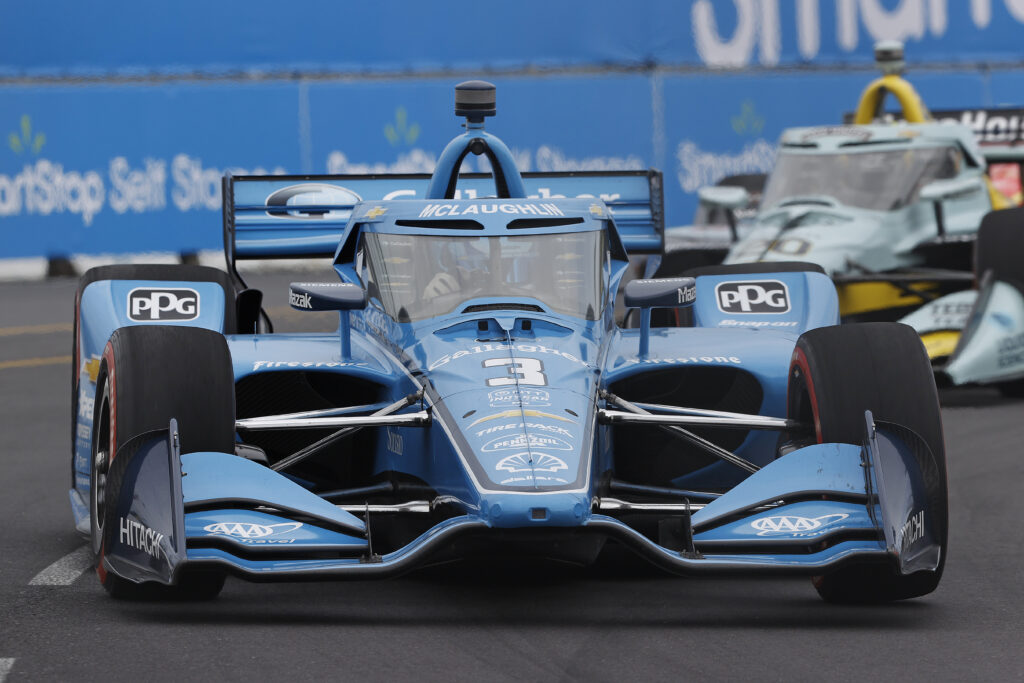
As the automotive landscape shifts toward more efficient engines and more demanding driving conditions, the data harvested from the NTT IndyCar Series remains a cornerstone of innovation. Whether it is Scott McLaughlin’s No. 3 Chevrolet navigating a tight street circuit or a family vehicle commuting through rush hour, the goal remains the same: ensuring that every moving part is shielded by a thin, yet unbreakable, layer of chemistry.
The next time you pull into a service station for an oil change, remember that the fluid going into your engine carries the DNA of a thousand laps around the world’s most demanding race tracks. Through the rigorous, data-driven partnership between Pennzoil and the legends of IndyCar, the pursuit of perfection on the track continues to drive the standard for the road.
