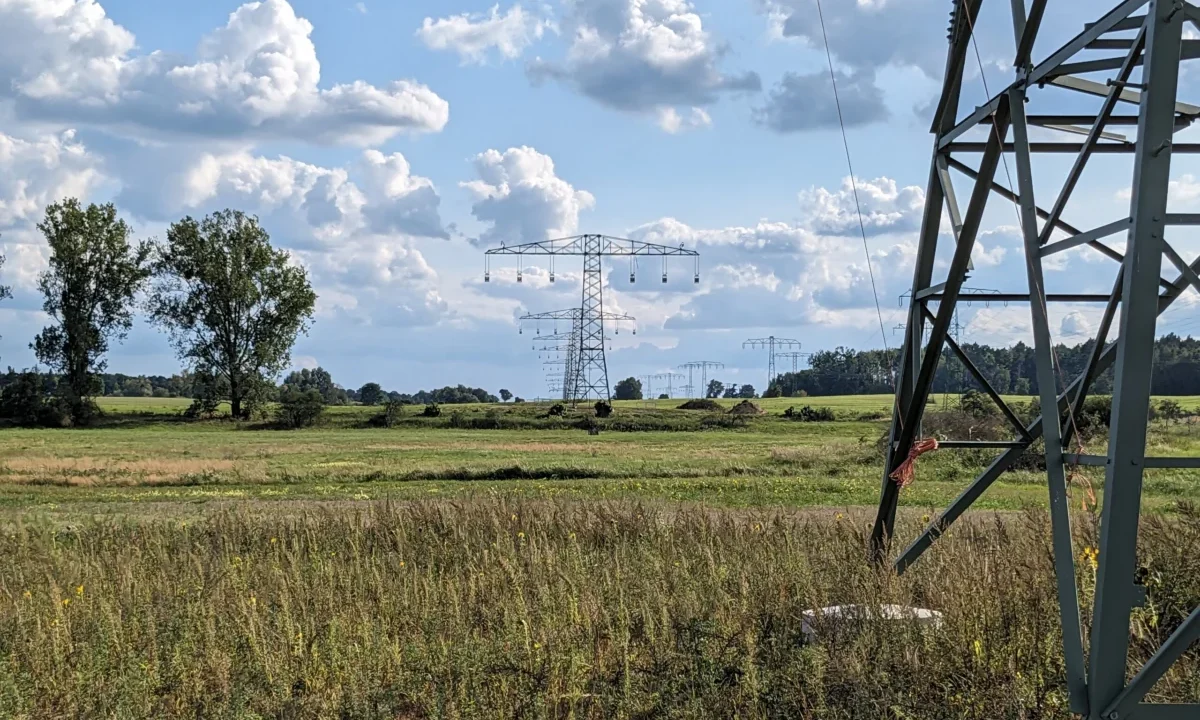



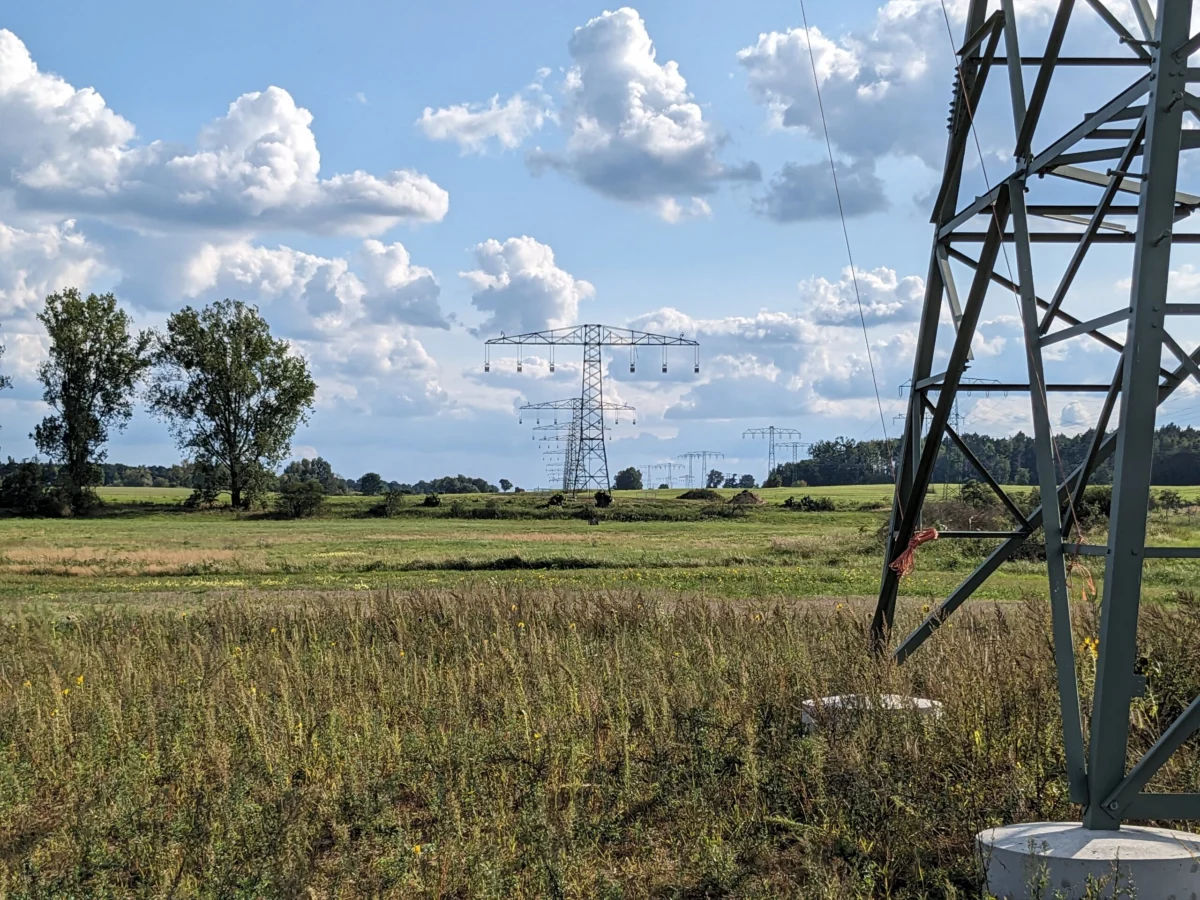
The German Energiewende—the nation’s ambitious, decades-long transition toward a carbon-neutral energy system—is facing a structural crisis. As wind farms, solar parks, and battery storage facilities proliferate across the country, the physical capacity of the national electricity grid has struggled to keep pace. The result is a growing backlog of connection requests and a surge in “curtailment” costs, where grid operators must pay renewable energy producers to switch off their plants during periods of peak generation to prevent grid instability.
In a bid to manage these rising costs and stabilize the system, the German government has proposed a controversial “grid connection package.” However, this legislative maneuver has ignited a fierce debate, as it proposes to strip renewable energy projects of their long-standing "privileged access" to the grid—a cornerstone of Germany’s energy policy that has historically provided the investment security necessary to lure capital into the sector.
The Core Conflict: Stability vs. Expansion
For years, the German legal framework prioritized renewable energy, guaranteeing that green power would be integrated into the grid as a matter of principle. This “privileged access” was the engine of the country’s renewable growth. However, as the volume of green energy has surged, the grid has reached a saturation point.
The government’s proposed reforms aim to shift the burden of grid integration from the taxpayer and the grid operator to the private developers. By limiting the automatic right to a connection, the government hopes to incentivize better planning and force a more controlled expansion of the renewable energy portfolio. Yet, critics argue that this move undermines the very foundations of the Energiewende. The renewable energy industry, environmental advocacy groups, and even major religious institutions have voiced concerns, warning that the reforms may inadvertently trigger a “bottleneck effect,” slowing down the transition at the exact moment it needs to accelerate.
Chronology: How the Grid Crisis Unfolded
- Early 2000s: Germany establishes the Renewable Energy Sources Act (EEG), granting green power priority access to the grid, establishing the legal bedrock for the Energiewende.
- 2010–2020: Rapid growth in onshore wind and solar energy outpaces the slow, bureaucratic, and often politically fraught construction of high-voltage transmission lines from the windy north to the industrial south.
- 2022–2023: Rising energy prices and the geopolitical shift away from Russian gas increase the urgency of domestic renewables. Grid congestion hits record highs, forcing frequent curtailment of wind farms.
- Summer 2024: The German government begins drafting the “grid connection package,” citing the urgent need to lower the costs associated with grid bottlenecks.
- October 2024: Parliament begins formal debates on the reform package. The industry reacts with immediate alarm, signaling a potential chilling effect on new investment.
Supporting Data: The Cost of Congestion
The necessity for reform is backed by sobering financial data. According to recent calculations by Agora Energiewende, the costs associated with grid stabilization and curtailment have reached unprecedented levels. When the grid cannot handle the surplus of renewable energy, grid operators must pay plant owners for the electricity that is never produced or delivered.
- Curtailment Costs: These costs have ballooned into the billions of euros annually. In 2023 alone, the compensation payments made to operators of wind farms and other green facilities for idle capacity created a significant fiscal strain on the national budget.
- The Queue: Connection queues for new projects have grown by an estimated 30% year-over-year. Developers now face waiting periods that can stretch from two to five years, depending on the region and the local grid’s capacity.
- Investment Risk: Industry analysts note that without the guarantee of grid access, the “bankability” of new projects decreases. Commercial banks are less likely to finance projects that face the risk of being barred from the grid, potentially increasing the cost of capital for renewable energy developers.
Official Responses and Stakeholder Positions
The debate in the Bundestag has highlighted a widening rift between the government’s fiscal hawks and the environmental lobby.
The Government’s Stance
Federal officials argue that the status quo is financially unsustainable. The Ministry for Economic Affairs and Climate Action maintains that the current “privileged access” model creates a “first-come, first-served” chaos that does not align with regional grid capacity. They propose a more managed approach, where grid connections are granted based on the ability of the grid to absorb the power, thereby incentivizing projects to locate in areas with spare capacity or to integrate battery storage.
The Renewable Industry’s Warning
Industry associations, including the German Renewable Energy Federation (BEE), have labeled the reform a “bureaucratic hurdle.” They argue that the government is punishing developers for the state’s failure to build the necessary transmission infrastructure. If a developer secures a permit, they argue, the government has a moral and legal obligation to ensure that the power can be delivered to the market.
The Moral Dimension
In an unexpected turn, the country’s major churches have entered the fray. Concerned about the social implications of climate change, church leaders have issued statements urging the government not to prioritize short-term fiscal savings over long-term climate goals. They warn that slowing the Energiewende will disproportionately impact vulnerable populations who are most susceptible to the effects of climate change, arguing that the “grid connection package” represents a retreat from Germany’s moral commitment to a clean energy future.
Implications for the Future of the Energiewende
The outcome of this legislative battle will likely define the next decade of German climate policy. There are three primary scenarios that analysts are watching:
1. A Market-Driven Consolidation
If the reforms pass as currently drafted, the market may see a shift toward larger, more integrated energy companies that can afford to build their own storage solutions or manage the risks of delayed grid access. Smaller, community-led renewable projects, which have been a hallmark of the German transition, may struggle to survive under these new regulatory pressures.
2. The Technological Pivot
The reforms could force an acceleration of battery storage adoption. If developers can no longer rely on immediate grid access, they will be forced to invest in massive storage capacity to manage their own output. This could lead to a more resilient, decentralized energy system, provided that the government supports the transition with subsidies or favorable tax treatment for storage.
3. A Stalling of Targets
The most pessimistic outlook is that the reform will lead to a “wait-and-see” approach among investors. If legal uncertainty persists regarding grid access, capital may flow toward other European markets with clearer, more favorable regulatory environments, causing Germany to miss its 2030 and 2045 climate targets.
Conclusion: A Delicate Balance
The German government finds itself in a precarious position. It is tasked with the dual challenge of managing the massive costs of the energy transition while simultaneously ensuring that the transition does not lose its momentum. The “grid connection package” is a symptom of a larger, systemic friction: the physical limits of a 20th-century grid attempting to carry the energy of a 21st-century economy.
While the desire to curb spiraling grid costs is understandable, the government must be careful not to dismantle the legal certainty that has made Germany a global leader in renewables. As the debate moves through the legislative process, the central question remains: Is this reform a necessary evolution of the Energiewende, or is it a sign that the political will to sustain the transition is beginning to falter under the weight of its own success?
The eyes of the European Union are on Berlin. How Germany navigates this impasse will likely set a blueprint—or a cautionary tale—for other nations attempting to overhaul their national power systems in the face of the climate crisis. For now, the renewable industry remains in a state of anxious observation, waiting to see if the government will hold firm to its green promises or retreat in the face of fiscal reality.
