




In the high-stakes world of international hospitality, Hyatt Hotels Corporation has emerged as a clear victor in the battle for the affluent traveler. As the company navigates a shifting macroeconomic landscape, its third-quarter financial results for 2026 reveal a company firing on all cylinders, buoyed by an unwavering demand for high-end, experiential travel. By leaning heavily into luxury and all-inclusive segments, Hyatt has outperformed market expectations, signaling that for the world’s most discerning guests, the appetite for premium hospitality remains largely insulated from inflationary pressures.
Main Facts: A Quarter of Exceptional Performance
Hyatt’s third-quarter earnings report provides a clear narrative: the company is successfully capturing the "premium traveler" demographic. The headline figure—a robust 8.2% increase in U.S. Revenue Per Available Room (RevPAR)—underscores the strength of the brand’s positioning. This growth was not merely organic; it was bolstered by a significant lift from the 2026 FIFA World Cup, which served as a catalyst for occupancy and average daily rates (ADR) across key host cities.
Beyond the raw RevPAR numbers, the company reported a 19% increase in Adjusted EBITDA, reaching $295 million. These figures were adjusted to account for hotel divestitures from the previous year, offering a "like-for-like" look at the health of the ongoing portfolio. The financial success of the quarter has led Hyatt’s leadership to revise their annual outlook upward, with RevPAR growth now projected at 5% to 5.5% for the full 2026 fiscal year—a notable jump from the 3.5% to 4.5% guidance provided just three months prior.
Chronology: The Road to the Third Quarter
To understand how Hyatt arrived at this position of strength, one must look at the strategic decisions made over the preceding eighteen months:
- Early 2025 – The Acquisition Integration: Following the acquisition of key all-inclusive brands, Hyatt spent the first half of 2025 integrating these assets into the World of Hyatt loyalty program. This created a seamless "earn and burn" ecosystem that incentivized luxury travelers to stay within the brand family.
- Q1 2026 – Anticipating the World Cup Surge: Recognizing the revenue potential of the 2026 FIFA World Cup, Hyatt began aggressive marketing campaigns and inventory management strategies early in the year, ensuring that their premium properties were positioned as the "home base" for high-net-worth fans and corporate sponsors.
- July 2026 – The Conservative Outlook: In their mid-year earnings call, Hyatt executives maintained a cautious stance, citing potential economic volatility and fluctuating travel patterns. This led to the initial, more modest RevPAR growth forecast of 3.5% to 4.5%.
- October 2026 – The Performance Pivot: With the third quarter in the books, the data showed that the "premium traveler" was not slowing down. The realization that luxury demand had remained constant led to the revised guidance and the bullish outlook for the remainder of the year.
Supporting Data: The Metrics of Success
The data presented by Hyatt paints a compelling picture of a company that has successfully navigated the post-pandemic "revenge travel" phase and transitioned into a period of sustained luxury growth.
RevPAR Performance
The 8.2% climb in U.S. RevPAR is particularly significant when compared to industry averages. While mid-scale and economy segments have shown signs of cooling as consumer discretionary spending tightens, Hyatt’s focus on its luxury lifestyle portfolio—including brands like Park Hyatt, Andaz, and the Impression by Secrets collection—has provided a buffer.
EBITDA and Asset Recycling
The 19% rise in Adjusted EBITDA is a testament to Hyatt’s "asset-light" strategy. By selling off traditional, high-maintenance real estate and reinvesting into management and franchise agreements, Hyatt has significantly improved its margins. This capital recycling strategy allows the company to generate higher cash flows with less overhead, a move that Wall Street has responded to with increased confidence.
Market Expectations vs. Reality
Prior to the earnings call, analysts were forecasting a RevPAR growth average of 4.7% for the full year. Hyatt’s new guidance of 5% to 5.5% represents a "beat" on market sentiment, placing them ahead of the consensus. This delta is critical; it suggests that Hyatt possesses a better understanding of its core consumer base than the broader analyst community, many of whom were bracing for a luxury slowdown that simply did not materialize.
Official Responses: The Leadership Perspective
During the Thursday earnings call, Hyatt CEO Mark Hoplamazian was unequivocal about the source of the company’s success. He characterized the luxury leisure sector as a "juggernaut of growth," noting that the resilience of the premium traveler has exceeded company models.
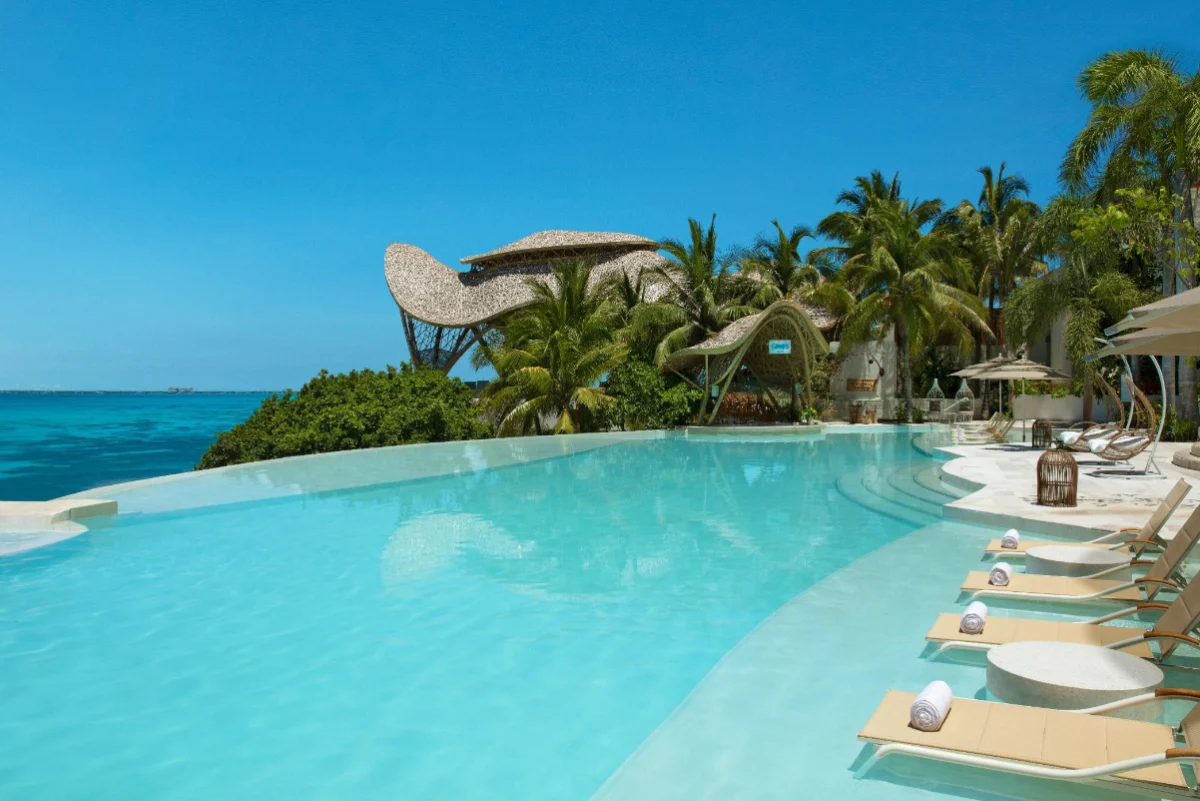
"Luxury leisure has just remained the juggernaut of growth for us," Hoplamazian stated. He emphasized that the company’s investment in the all-inclusive space—exemplified by properties like Impression Isla Mujeres by Secrets—has provided a unique value proposition. According to the CEO, these properties offer an experience that is difficult to replicate in the traditional luxury hotel market, combining the privacy of a resort with the high-touch service of an ultra-luxury brand.
The CFO also addressed the impact of the World Cup, noting that the "lift" of 50 basis points was a direct result of the company’s ability to maximize yield during high-demand events. The leadership team signaled that while they are keeping a close eye on the broader macroeconomic environment, the current momentum in the luxury segment provides a solid foundation for the next several quarters.
Implications: The Future of the "Premium Traveler"
The success of Hyatt’s strategy has profound implications for the hospitality industry at large.
The Polarization of Travel
Hyatt’s performance underscores a growing divide in the travel market. We are seeing a distinct polarization where the "luxury leisure" segment continues to thrive, while the middle market faces increased price sensitivity. Hyatt’s pivot suggests that the future of major hotel groups lies in the extreme ends of the spectrum: either high-volume, cost-efficient economy lodging or highly curated, experiential luxury.
The All-Inclusive Renaissance
For years, the all-inclusive model was viewed as a "commodity" product, often associated with budget-conscious travelers. Hyatt has effectively "premiumized" the segment. By integrating high-end culinary programs, personalized butler service, and sophisticated design into the all-inclusive framework, they have attracted a demographic that previously shunned such properties. This is a significant competitive advantage that other major players are now scrambling to emulate.
The Role of Loyalty Programs
The integration of Hyatt’s new luxury acquisitions into the World of Hyatt program has proven to be a masterclass in customer retention. By providing a pathway for members to use points at ultra-luxury resorts, Hyatt has locked in a loyal base of high-spending travelers. This creates a "sticky" ecosystem where the traveler has little incentive to look elsewhere, as their loyalty points provide tangible, high-value rewards within the Hyatt luxury umbrella.
Long-Term Outlook
As Hyatt moves toward the end of 2026, the question remains whether this growth is sustainable. While the World Cup surge was a temporary event, the underlying strength in luxury leisure suggests a structural shift in how the affluent class allocates their disposable income. Travel is no longer viewed as a discretionary "extra" but as a core component of the lifestyle of the high-net-worth individual.
Hyatt’s ability to scale this luxury experience while maintaining an asset-light financial model puts them in a dominant position. As they look to 2027, the company is expected to continue its expansion into emerging markets, targeting high-growth areas where the demand for premium experiences remains largely untapped.
In conclusion, Hyatt’s third-quarter performance is more than just a successful three-month financial snapshot; it is a validation of a long-term strategic bet. By betting on the "juggernaut" of luxury leisure, Hyatt has effectively insulated itself from the volatility that has plagued other segments of the economy. If the current trends hold, the company is well-positioned to maintain its status as a leader in the luxury hospitality space for the foreseeable future.
