


The gaming giant has solidified its governance structure, opting for a strategic alignment over a potential acquisition.
In a definitive move that signals the end of months of market speculation, MGM Resorts International has formally announced that merger discussions with IAC/InterActiveCorp—the media and internet conglomerate chaired by billionaire Barry Diller—have officially concluded. The resolution comes in the form of a revised voting agreement, a strategic maneuver that reinforces the independence of the casino operator while settling the long-standing questions regarding the influence of its largest shareholder.
The development, disclosed in a Wednesday regulatory filing, marks a significant turning point for the Las Vegas-based hospitality behemoth. By aligning the voting power of its most influential investor with the directives of its own board, MGM has effectively neutralized the possibility of a hostile takeover or a disruptive merger, choosing instead a path of operational stability.
The Core Facts: A Shift in Power Dynamics
The crux of the agreement lies in a fundamental realignment of voting rights. IAC, which has held a significant equity stake in MGM Resorts for several years, has entered into an amended voting pact. Under the terms of this new arrangement, IAC and its chair, Barry Diller, have committed to voting all of their MGM Resorts shares in lockstep with the recommendations of the MGM board of directors.
This "voting in line" provision is a powerful tool for corporate governance. It ensures that the company’s leadership maintains a unified front, preventing the largest shareholder from leveraging its stake to force strategic changes, management shakeups, or, as previously rumored, a full-scale corporate merger. For MGM Resorts, this provides a shield against external volatility, allowing CEO Bill Hornbuckle to focus on the company’s long-term digital transformation and international expansion strategies without the looming threat of boardroom friction.
Chronology: A Relationship Defined by Tension and Opportunity
To understand the weight of this announcement, one must look at the historical trajectory of the relationship between MGM Resorts and IAC.
The Initial Investment (2020)
The narrative began in August 2020, during the height of the global pandemic. While the travel and hospitality sectors were reeling from lockdowns, IAC made a bold, contrarian move by acquiring a 12% stake in MGM Resorts. At the time, Diller cited the "compelling value" of the company, specifically identifying MGM’s potential to dominate the burgeoning U.S. online sports betting and gaming market.
The Strategic Push (2021–2023)
Throughout this period, IAC’s presence was viewed by many analysts as a catalyst for digital evolution. MGM’s BetMGM joint venture with Entain became a central pillar of the company’s valuation. During this time, Diller became an increasingly vocal proponent of MGM’s digital potential, fueling market chatter that IAC might eventually look to acquire the remainder of the company or push for a more aggressive integration of media and gaming assets.
The Rise of Speculation (Early 2024)
By early 2024, as MGM’s share price showed volatility and competition in the Las Vegas luxury sector intensified, rumors of a potential buyout or a "merger of equals" began to circulate in financial circles. Investors speculated that Diller—a master of media consolidation—might be eyeing a way to take MGM private or fold it into a broader digital-entertainment empire.
The Resolution (September–October 2024)
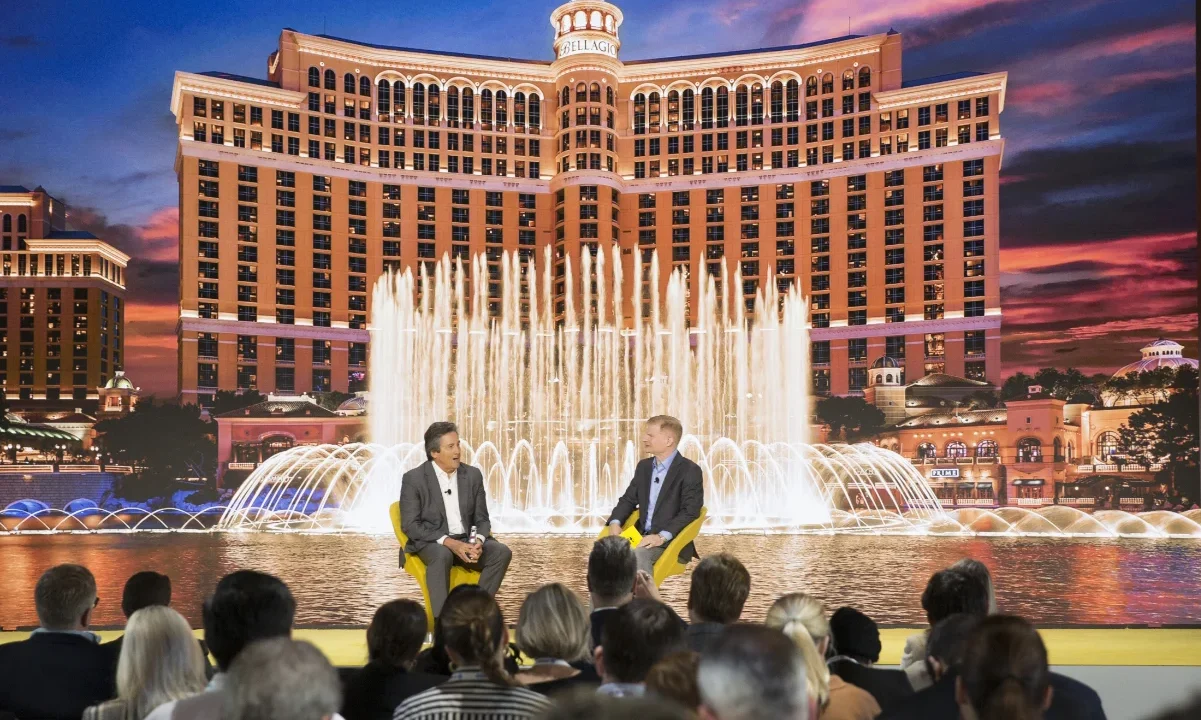
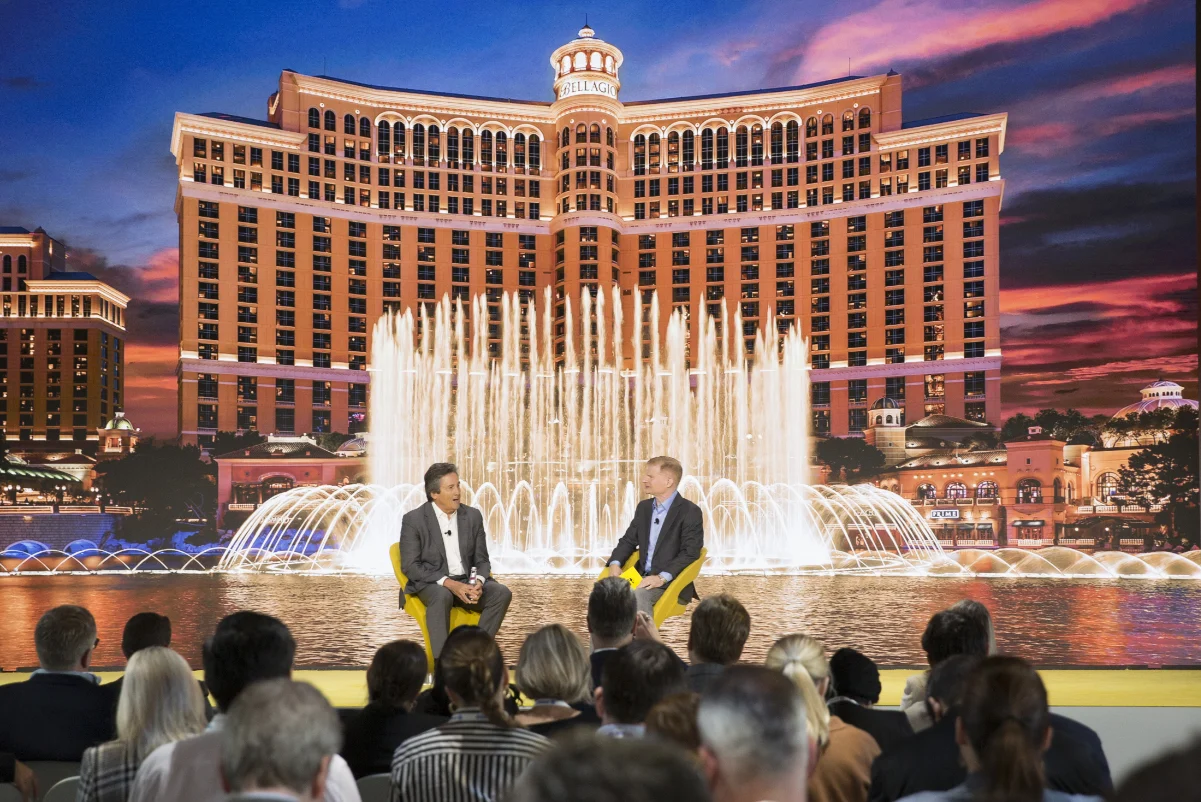
The tension reached a head in September 2024, during the Skift Global Forum in New York. MGM Resorts CEO Bill Hornbuckle addressed the crowd, speaking to the company’s resilience and strategic path. Shortly thereafter, the parties engaged in intensive negotiations to resolve the ambiguity of the voting arrangement, leading to the definitive agreement filed this week.
Supporting Data: Why the Stakes Were So High
The financial weight of this decision is underscored by the sheer scale of the entities involved.
- IAC’s Stake: IAC/InterActiveCorp has remained a primary shareholder, with its holdings representing a significant portion of MGM’s outstanding common stock. Even a small shift in how those shares are voted could swing the outcome of major board resolutions.
- The BetMGM Factor: BetMGM, the online gaming platform that sits at the center of this relationship, generated billions in revenue during the last fiscal year. MGM’s ability to control its digital future was tied directly to how much influence its largest shareholder could exert on board decisions.
- Market Capitalization: MGM Resorts maintains a market capitalization that has frequently fluctuated between $13 billion and $16 billion over the past year. The prospect of a merger—which would have required a substantial premium—kept institutional investors on edge, leading to the "speculative discount" that often plagues stocks subject to M&A rumors.
Official Responses and Corporate Sentiment
While the parties have kept the granular details of the negotiations private, the filing serves as a public declaration of the company’s unified direction.
For the MGM board, the agreement is a victory for continuity. By securing the promise that Diller will vote alongside the board, the company effectively removes the "Diller Factor" as a source of corporate uncertainty. Analysts suggest that this move was necessary to appease institutional investors who prefer a stable, predictable leadership team over one that is subject to the whims of a high-profile activist shareholder.
In his recent public appearances, including his session at the Skift Global Forum, Bill Hornbuckle emphasized that MGM’s priority is "operational excellence and customer experience." By finalizing this agreement, he has cleared the decks of distractions, allowing the executive team to focus entirely on the integration of its international properties and the optimization of its Las Vegas flagship resorts.
Implications: What This Means for the Future
The resolution of the MGM-IAC saga has several far-reaching implications for the gaming and hospitality industry.
1. Stabilization of Corporate Strategy
With the voting pact secured, the market can now value MGM Resorts based on its fundamental performance rather than its M&A potential. This is likely to lead to a more stable stock price, as the "merger premium" is stripped away and replaced by a focus on earnings growth and debt reduction.
2. The Future of BetMGM
With the board’s control over the company’s future clearly defined, MGM can move forward with its digital strategy. Questions regarding whether MGM might seek to buy out its partner, Entain, in the BetMGM venture remain, but they are now viewed as strategic business decisions rather than outcomes of a potential IAC-led power struggle.
3. Barry Diller’s Role
Barry Diller’s role as an activist investor has been redefined. By agreeing to vote in line with the board, he has signaled that he is satisfied with the current leadership’s direction. This serves as a "vote of confidence" in Bill Hornbuckle’s tenure, which may reassure other shareholders who have been cautious about MGM’s direction.
4. Broader Industry Trends
The trend of media and gaming convergence has been a dominant theme of the last five years. However, this development suggests a cooling period for such aggressive integrations. As the gaming industry matures, the focus is shifting from "big-bang" mergers to incremental, data-driven revenue growth. The MGM-IAC truce is a bellwether for this shift.
Conclusion
The end of merger talks between MGM Resorts and IAC is not merely a corporate housekeeping item; it is a profound realignment of one of the gaming world’s most complex relationships. By formalizing a voting agreement that prioritizes the board’s collective vision, MGM Resorts has opted for long-term stability over the short-term shocks of an acquisition.
As the travel and leisure sector continues to navigate a landscape defined by digital disruption and changing consumer behaviors, MGM Resorts finds itself in a stronger position to execute its strategy. With the specter of a takeover removed, the company is now free to pursue its path of global expansion and operational refinement, ensuring that its legacy as a leader in hospitality remains intact in an increasingly competitive, data-driven world.
For shareholders, the message is clear: the path forward for MGM is one of consistent growth, led by a unified board, with the backing of its most powerful partner. The era of uncertainty has ended, and the era of execution has begun.
