



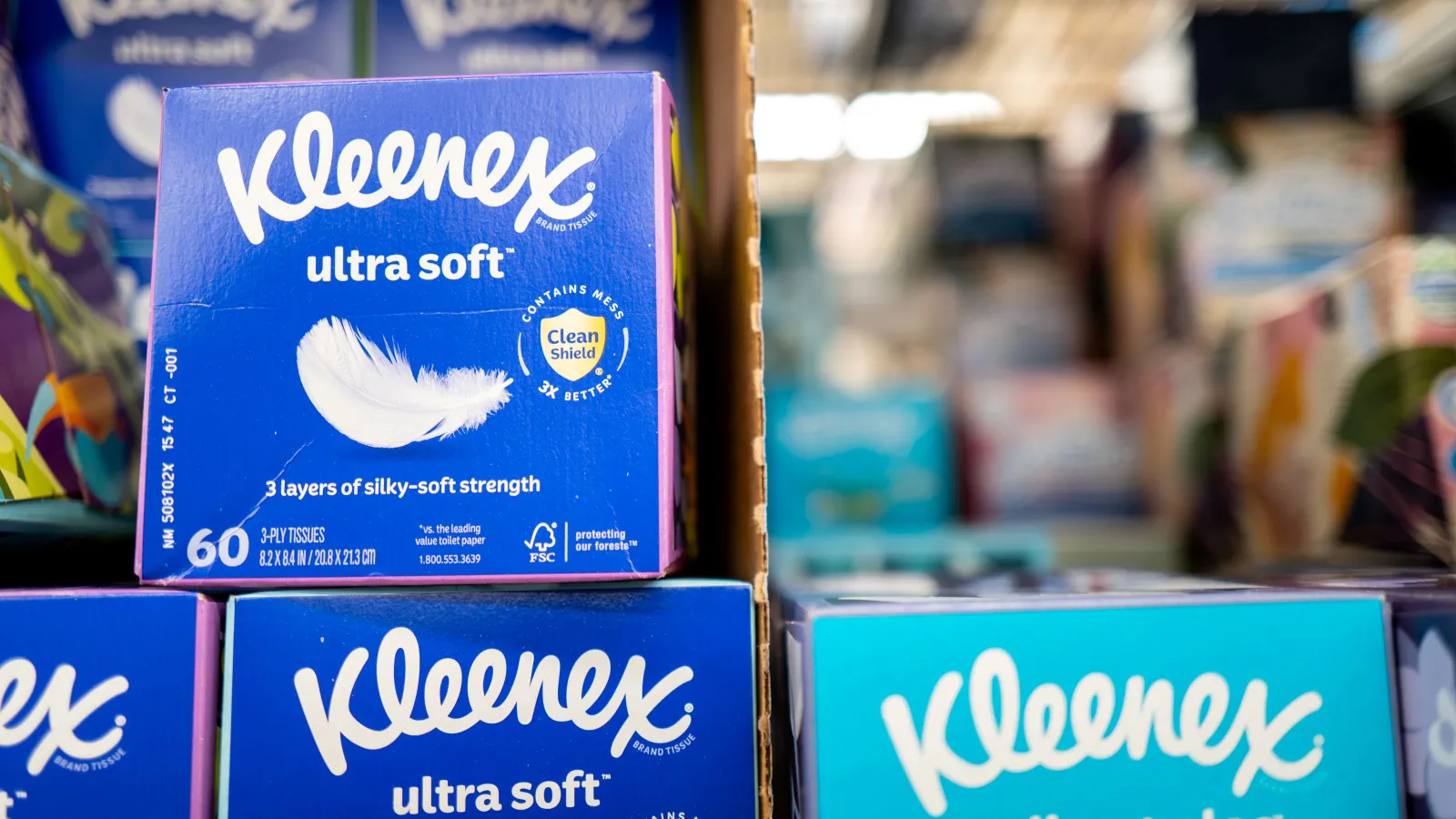
In an era defined by climate volatility and resource scarcity, consumer packaged goods (CPG) giants are increasingly looking beyond traditional supply chains to ensure long-term operational viability. Kimberly-Clark, the multinational powerhouse behind household staples like Kleenex, Huggies, and Cottonelle, has officially embarked on a transformative journey to integrate natural, alternative fibers into its manufacturing ecosystem. This initiative, centered on experimental agricultural programs in the American Southwest, represents a deliberate move to decouple the company’s massive production needs from conventional pulp sources, signaling a shift toward a more resilient, circular future.
Main Facts: Redefining the Fiber Supply Chain
The core of Kimberly-Clark’s latest endeavor is a comprehensive "test-and-learn" initiative focused on identifying and scaling non-traditional natural fibers. By collaborating with local growers, agricultural technical experts, and regional stakeholders, the company is attempting to validate new fiber sources that could eventually replace or supplement traditional wood pulp.
While the project remains in its nascent stages, its strategic intent is clear: to build a supply chain capable of withstanding the shocks of global market fluctuations and environmental stressors. The program is currently sequestered in the Southwestern United States, a region chosen for its unique climate and potential for cultivating specific fiber-yielding crops.
For Kimberly-Clark, this is not merely a sustainability project; it is a defensive strategy against the long-term risks associated with deforestation, rising transportation costs, and the intensifying competition for high-quality wood fiber. By exploring diverse material inputs, the company aims to establish a "plug-and-play" capability for its production facilities, allowing it to pivot between fiber sources depending on availability, quality, and environmental impact.
Chronology: The Evolution of Kimberly-Clark’s Sustainability Roadmap
To understand the weight of this new initiative, one must look at the timeline of Kimberly-Clark’s broader modernization efforts.
- 2019-2021: The Foundation of Digital Transformation: Kimberly-Clark began laying the groundwork for supply chain resilience years ago, focusing on digitalization. This era saw the implementation of advanced procurement software designed to provide real-time visibility into tier-one and tier-two supplier networks.
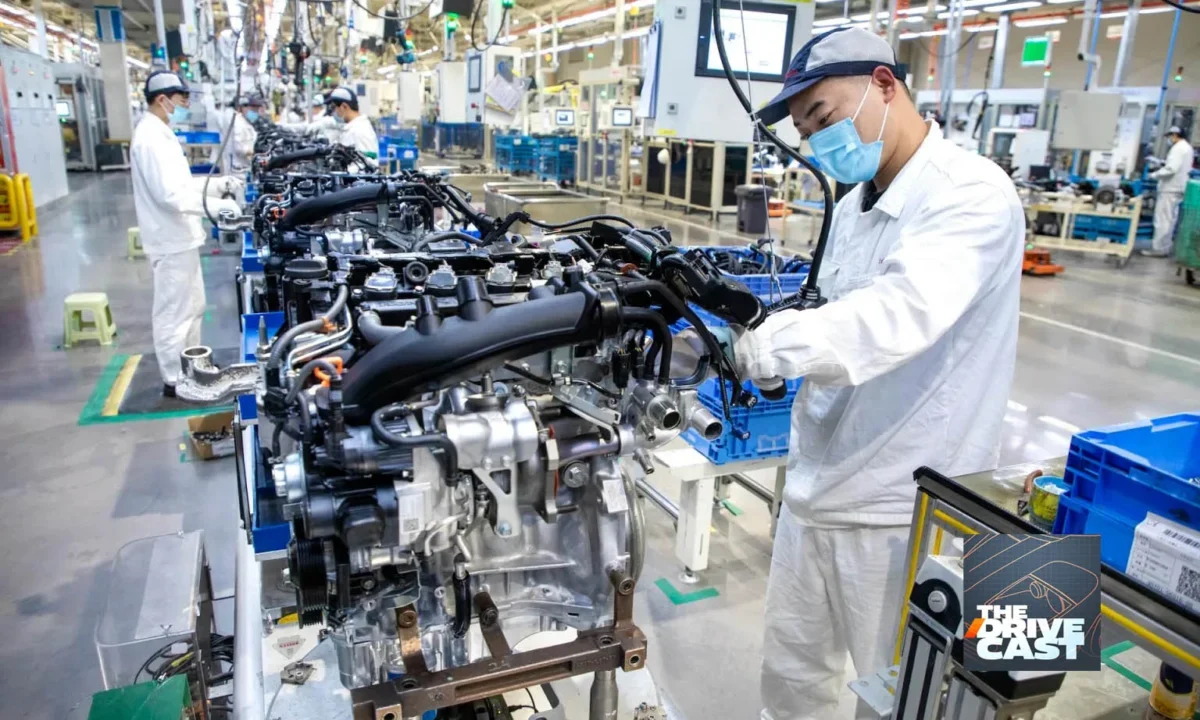
- 2022-2023: AI Integration and Workforce Development: The company ramped up its technological adoption by piloting artificial intelligence agents within its manufacturing network to predict maintenance needs and optimize production throughput. Simultaneously, it launched an "academy-based" learning program aimed at upskilling its supply chain workforce to manage automated, data-driven systems.
- 2024: The Alternative Fiber Pivot: Having digitized the core of its operations, the company turned its focus toward the "upstream" component—the raw materials themselves. The launch of the Southwestern natural fiber program marks the current chapter, shifting from process optimization to product-material innovation.
Supporting Data: Why Alternative Fibers Matter
The necessity of this pivot is underscored by the shifting landscape of global commodities. Traditional pulp and paper production has long relied on virgin wood fiber, a resource increasingly under pressure from stricter environmental regulations, such as the EU’s Deforestation Regulation (EUDR), and the impacts of climate change on boreal and tropical forests.
- Supply Chain Volatility: Over the past five years, the price of market pulp has experienced significant volatility. By diversifying fiber sources, Kimberly-Clark aims to hedge against these price swings.
- ESG Pressure: Institutional investors and consumers alike are demanding transparency. Kimberly-Clark’s sustainability reports highlight a commitment to reducing its environmental footprint by 50% by 2030. Integrating alternative fibers that require less water and fewer chemicals than traditional wood pulp is a key lever to reaching these targets.
- Technological Efficiency: The company’s recent wins in procurement software and AI-driven manufacturing provide the necessary infrastructure to handle the complexities of a multi-source supply chain. Without the digital backbone installed in previous years, managing the logistics of niche, locally sourced fibers would be operationally prohibitive.
Official Responses: Insights from Leadership
Lisa Morden, Chief Sustainability Officer at Kimberly-Clark, has been the primary architect of this communication, emphasizing that the project is built on the philosophy of long-term resilience rather than immediate cost-cutting.
"This program has the potential to give us more flexibility in how we source fiber in the future and strengthen the resilience of our supply chain over the long term," Morden stated in an interview with Supply Chain Dive. "It’s part of our efforts to explore additional fiber sources and reduce dependence on traditional options."
Addressing the timeline for commercial implementation, Morden struck a note of disciplined caution. "We believe the technology could eventually be used across our hygiene products portfolio, but it’s still early, and we’re not sharing specific commercialization timelines at this point."
This response highlights a critical reality in CPG innovation: the journey from a field-grown pilot program to a mass-produced consumer product involves years of rigorous testing for material strength, absorbency, and softness—the "holy trinity" of the hygiene category.
Implications: The Road Ahead for CPG Manufacturing
The implications of Kimberly-Clark’s initiative extend far beyond the company’s own balance sheet. As one of the world’s largest manufacturers of paper-based hygiene products, their success or failure in this endeavor will likely set the tone for the entire industry.
1. Decentralization of Procurement
If Kimberly-Clark successfully scales its use of locally grown, alternative fibers, it could spark a trend of "regionalization" in CPG supply chains. Instead of sourcing pulp from thousands of miles away, companies may look to cultivate raw materials closer to their manufacturing centers, significantly reducing their Scope 3 carbon emissions related to logistics.
2. The Tech-Ag Nexus
The convergence of agriculture and high-tech manufacturing is a growing trend. Kimberly-Clark’s use of AI in manufacturing is expected to play a crucial role in processing these new, potentially inconsistent raw materials. By using machine learning, the company can adjust manufacturing parameters in real-time to compensate for natural variations in fiber quality, ensuring that the final product meets consumer standards regardless of the source.
3. Future-Proofing the Workforce
The "academy-based learning program" mentioned in the company’s recent disclosures is essential to this shift. Moving from a standardized wood-pulp supply chain to a complex, multi-fiber supply chain requires employees who understand both agronomy and industrial engineering. Kimberly-Clark is essentially building a workforce capable of managing the "factory of the future."
4. Regulatory Resilience
With global regulators cracking down on supply chain transparency, companies that can prove their fiber sources are sustainable and ethically produced have a competitive advantage. By controlling the source—or at least having a direct hand in the cultivation of their materials—Kimberly-Clark is insulating itself against future regulatory shocks that could render traditional wood-pulp sources non-compliant or prohibitively expensive due to carbon taxes.
Conclusion: A Measured Strategy for a Turbulent World
Kimberly-Clark’s move into alternative fibers is a calculated, strategic response to a world where "business as usual" is no longer an option. By prioritizing a "test-and-learn" methodology, the company is avoiding the pitfalls of premature scaling while keeping the door open for a fundamental change in its material inputs.
The combination of advanced procurement software, AI-driven manufacturing, and now, experimental agricultural partnerships, positions Kimberly-Clark as a leader in the next generation of supply chain management. While the commercialization of these natural fibers remains a horizon-level goal, the steps taken today ensure that when the time comes to pivot, the company will have the infrastructure, the data, and the partnerships required to thrive.
As the CPG industry watches, the success of the Southwest program may well dictate the future of what we wipe, clean, and protect with—transforming the very nature of the materials that have defined the household hygiene market for over a century.
