
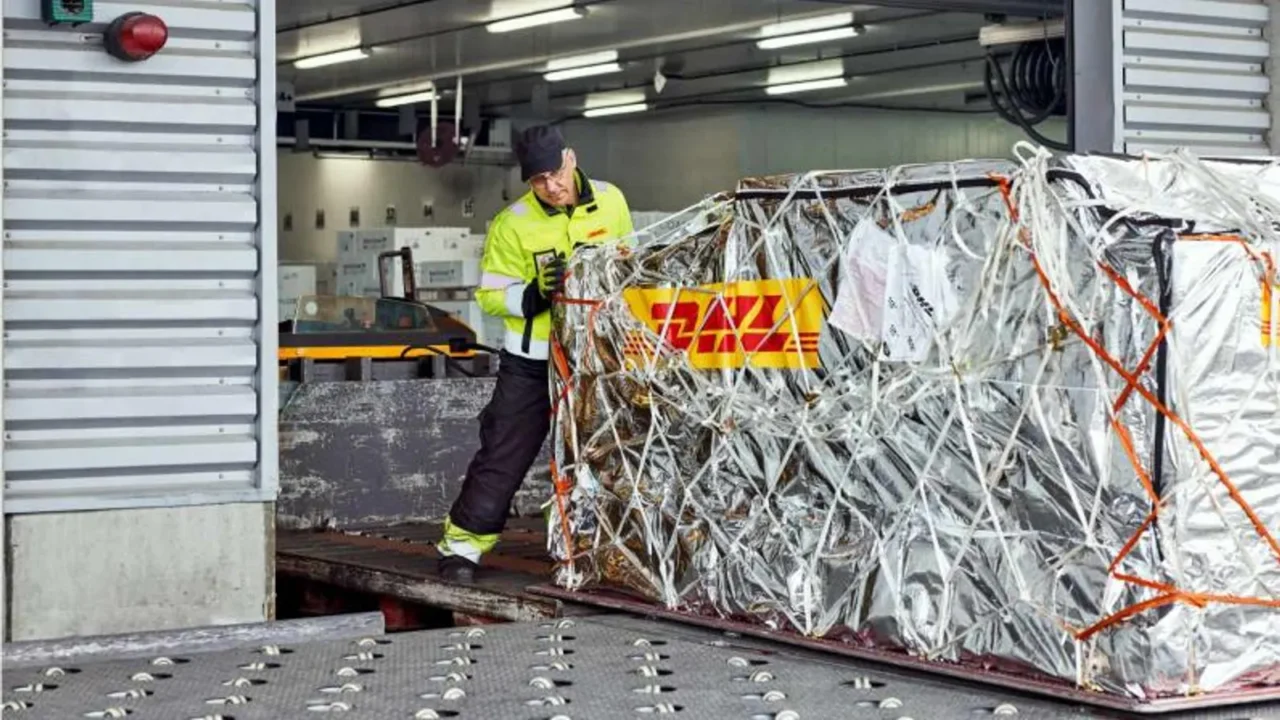




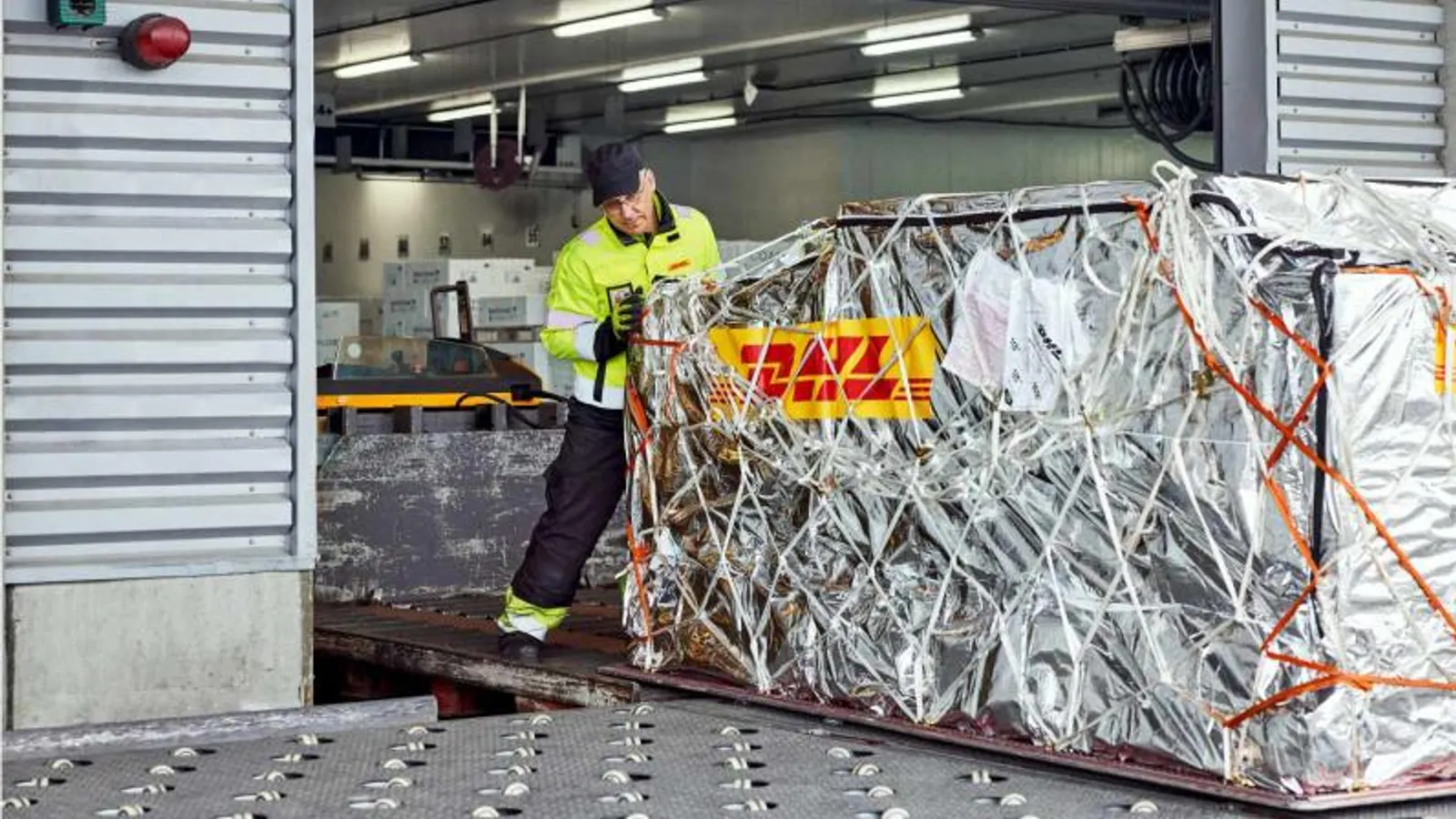
As the global pharmaceutical landscape becomes increasingly complex, the logistical backbone supporting it must evolve at a commensurate pace. DHL, a global leader in logistics and supply chain management, is aggressively expanding its "Health Logistics Cold Chain Network." By enhancing specialized healthcare corridors, investing in state-of-the-art infrastructure at key gateways like the Cincinnati/Northern Kentucky International Airport (CVG), and deploying advanced temperature-controlled technology, DHL is positioning itself to handle the rigorous demands of biologics, vaccines, and clinical trial materials.
Main Facts: Strengthening the Pharmaceutical Supply Chain
The core of DHL’s recent initiative is the optimization of dedicated healthcare corridors designed to maintain strict temperature integrity for sensitive medical products. These corridors are not merely transit routes; they are sophisticated ecosystems comprising specialized handling processes, GDP (Good Distribution Practice) compliant infrastructure, and dedicated air freight capacity.
The network is specifically engineered to handle the "cold chain," a logistics process that requires constant temperature monitoring from the point of origin to the final destination. Whether transporting high-value biologics or time-sensitive clinical trial materials, DHL’s infrastructure ensures that the efficacy of these products is not compromised by environmental fluctuations.
A key component of this expansion is the utilization of DHL’s Boeing 777 fleet. These aircraft are uniquely equipped with three distinct compartments, each capable of maintaining dedicated temperature settings. This flexibility allows DHL to transport multiple types of healthcare goods on a single flight while adhering to diverse temperature requirements, thereby maximizing efficiency without sacrificing safety or compliance.
Chronology: A Roadmap of Strategic Growth
DHL’s current expansion is the culmination of a multi-year strategy aimed at capturing a larger share of the specialized life sciences logistics market.
- Early 2024: DHL Group officially launched the Brussels (BRU) to Cincinnati (CVG) route, a critical artery in its cold chain network. This launch served as a proof-of-concept for the high-volume, high-compliance requirements of the modern pharmaceutical industry.
- Ongoing (2024-2025): The company has focused on optimizing current corridors, particularly those connecting North American and European manufacturing hubs to the rapidly growing Asia-Pacific market.
- 2027 Milestone: DHL is slated to open a new, massive airside facility at the CVG hub. This facility will provide temperature-controlled storage for Unit Load Devices (ULDs) directly adjacent to the aircraft, effectively eliminating the "tarmac gap" where temperature excursions are most likely to occur.
- Future Outlook: Beyond 2027, the company is preparing to integrate new off-airport facilities that will augment ULD build-up and break-down capabilities, further streamlining the transition of cargo from air to ground transport.
Supporting Data: Shifting Trade Flows and Capacity Needs
The expansion of these corridors is driven by clear market data. According to DHL Freight spokesperson Laura Lehnen, there is a marked surge in demand originating from pharmaceutical manufacturing hubs in North America and Europe, with a destination bias toward Asia.
"Current volume expectations are weighted toward inbound Asia shipments," Lehnen noted. Consequently, a significant portion of the network’s available air freight capacity has been reallocated to support these Asia-Pacific trade flows. This data-driven approach allows DHL to remain agile, adjusting capacity in real-time as global manufacturing and distribution patterns shift.
The investment in CVG is also strategic. As one of DHL’s primary global hubs, CVG provides the necessary scale to handle complex logistics. When combined with the dedicated life sciences facility in Indianapolis, DHL creates a "healthcare super-corridor" in the American Midwest, capable of serving as a primary entry and exit point for international pharmaceutical shipments.
Official Responses and Strategic Rationale
DHL’s leadership emphasizes that the expansion is not just about moving boxes; it is about providing a resilient service that pharmaceutical clients can rely on regardless of external conditions.
"The healthcare corridors respond to customer demand for reliable pharmaceutical shipment connectivity," said Laura Lehnen. "DHL can support both directions of trade as customer demand evolves and manufacturing and distribution patterns continue to develop."
The company is also proactively addressing the risks posed by extreme weather. The "near future" deployment of five temperature-controlled dollies at the CVG hub is a prime example of risk mitigation. These dollies act as mobile refrigerators, protecting healthcare shipments during the critical window between the aircraft hold and the climate-controlled warehouse facility. By removing the threat of heat or cold exposure during the transfer process, DHL is setting a new standard for reliability in the sector.
Implications for the Healthcare Industry
The implications of DHL’s investment extend far beyond the logistics industry; they are fundamentally tied to patient safety and the viability of modern medical treatments.
1. Ensuring Product Efficacy
Many modern drugs, particularly biologics and personalized gene therapies, are extremely sensitive to heat and light. A minor temperature deviation can render an entire shipment useless. By investing in end-to-end temperature control, DHL is directly contributing to the integrity of life-saving treatments before they reach the patient.
2. Supporting Clinical Trial Integrity
Clinical trials often involve high-cost, experimental materials that are irreplaceable. The failure of a single shipment can delay a trial by months or even years. DHL’s focus on GDP-compliant corridors provides pharmaceutical researchers with the peace of mind required to conduct trials across international borders.
3. Increased Competition in Logistics
The expansion of DHL’s network is part of a broader "arms race" in the healthcare logistics sector. Competitors like FedEx have also been aggressively scaling their capabilities. FedEx, for instance, launched a dedicated life sciences suite last year and established a direct air link between Dublin (DUB) and Indianapolis (IND). This heightened competition is ultimately a positive development for the healthcare industry, as it drives down costs, increases route options, and encourages the adoption of new, more robust technologies.
4. Supply Chain Resilience
The post-pandemic era has taught the global economy that supply chains are fragile. By building dedicated, permanent infrastructure for healthcare—rather than relying on ad-hoc arrangements—DHL is creating a more resilient global medical supply chain. This stability is essential for preparing for future global health crises, where the rapid, secure transport of vaccines and medical supplies may again become the world’s top priority.
Conclusion: The Path Forward
As we look toward 2027 and beyond, the logistics sector will continue to be a defining factor in the success of the pharmaceutical industry. DHL’s commitment to its Health Logistics Cold Chain Network is a clear indicator that the future of healthcare delivery is not just about the science in the lab, but the efficiency and precision of the supply chain that brings that science to the world.
By combining the capacity of the Boeing 777 fleet, the strategic importance of the CVG gateway, and the upcoming integration of airside storage facilities, DHL is constructing a logistical moat. For pharmaceutical manufacturers, this represents a reliable partner in a volatile world. For patients, it represents the assurance that the medication they receive has been handled with the highest level of care, maintained at the perfect temperature, and delivered with the speed that modern medicine demands.
As the industry continues to evolve, the focus will likely shift further toward digitalization and real-time monitoring. However, the foundational investment in infrastructure—the dollies, the warehouses, and the dedicated corridors—remains the bedrock upon which all future medical logistics success will be built. DHL’s aggressive stance ensures that they will remain at the forefront of this critical industry for years to come.
