



When one thinks of the quintessential rock-star garage, images of candy-apple red Ferraris, vintage Porsche 911s, or perhaps a collection of private jets immediately come to mind. Yet, James Hetfield, the frontman and rhythmic backbone of the world’s most iconic heavy metal band, Metallica, has carved out a legacy that defies the standard celebrity automotive trope. Rather than seeking out the latest limited-run hypercar for a climate-controlled showroom, Hetfield chose to focus his passion on the gritty, high-torque world of heavy construction equipment.
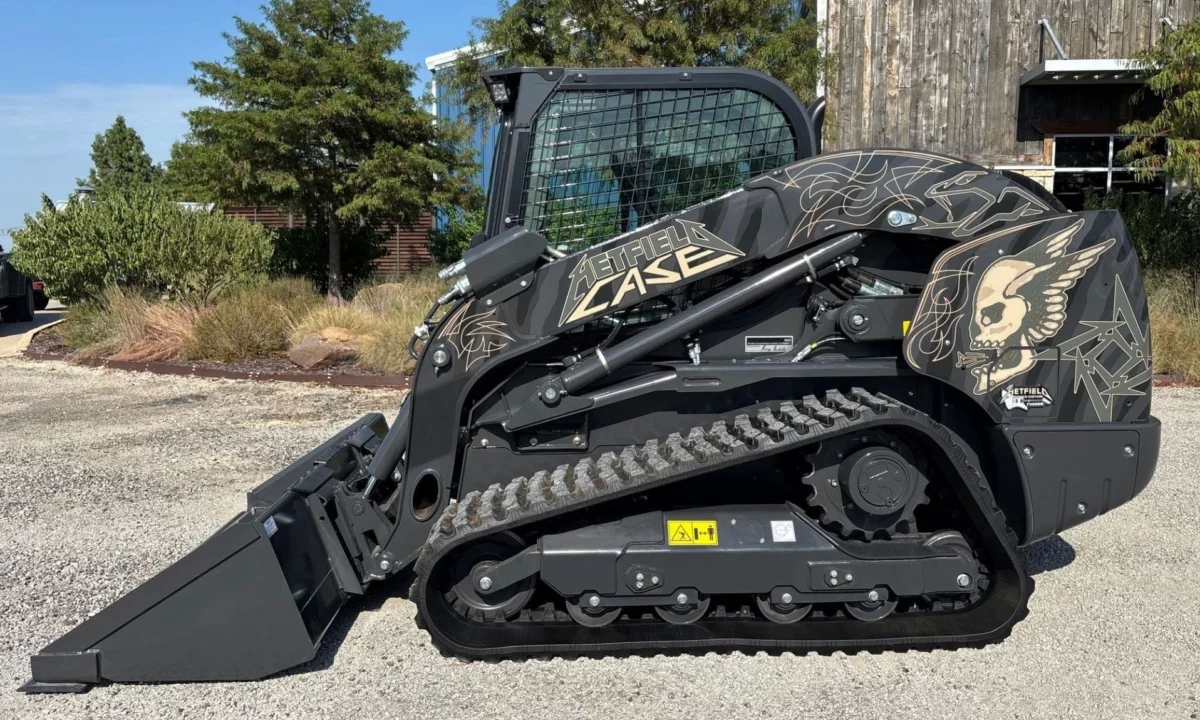
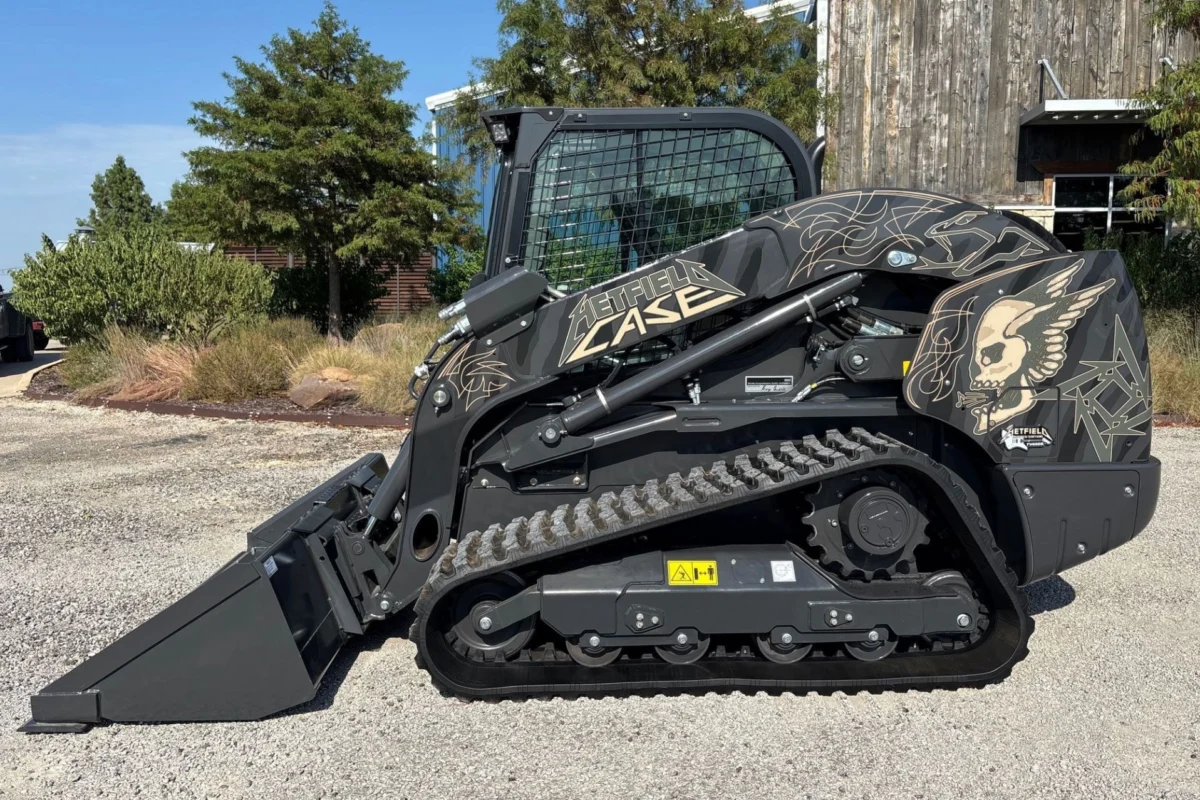
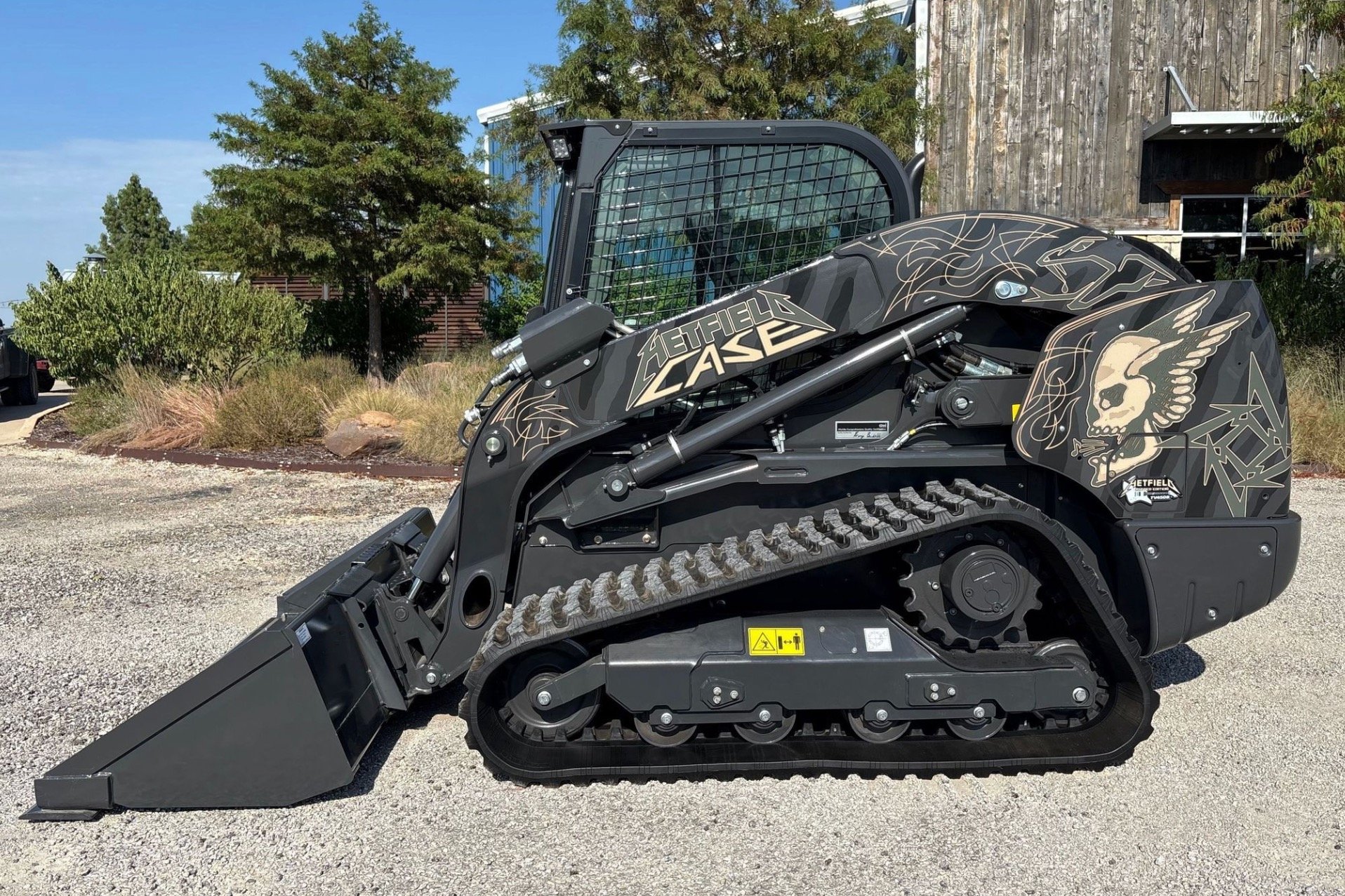
The result is the "Hetskid"—a heavily customized, bespoke Case TV450B skid-steer loader that is as much a work of art as it is a formidable piece of agricultural machinery. What began as a practical necessity for maintaining his sprawling California ranch has evolved into a unique intersection of heavy metal culture and industrial engineering, culminating in a limited-edition series that is currently turning heads in the auction world.
The Genesis of the Hetskid: Merging Aesthetics with Utility
The narrative of the Hetskid began in 2024, when Hetfield sought a piece of equipment capable of tackling the demanding terrain of his private property. While most high-net-worth individuals might outsource such labor, Hetfield—a known gearhead with a deep appreciation for mechanical design—wanted a machine that reflected his own aesthetic sensibilities.
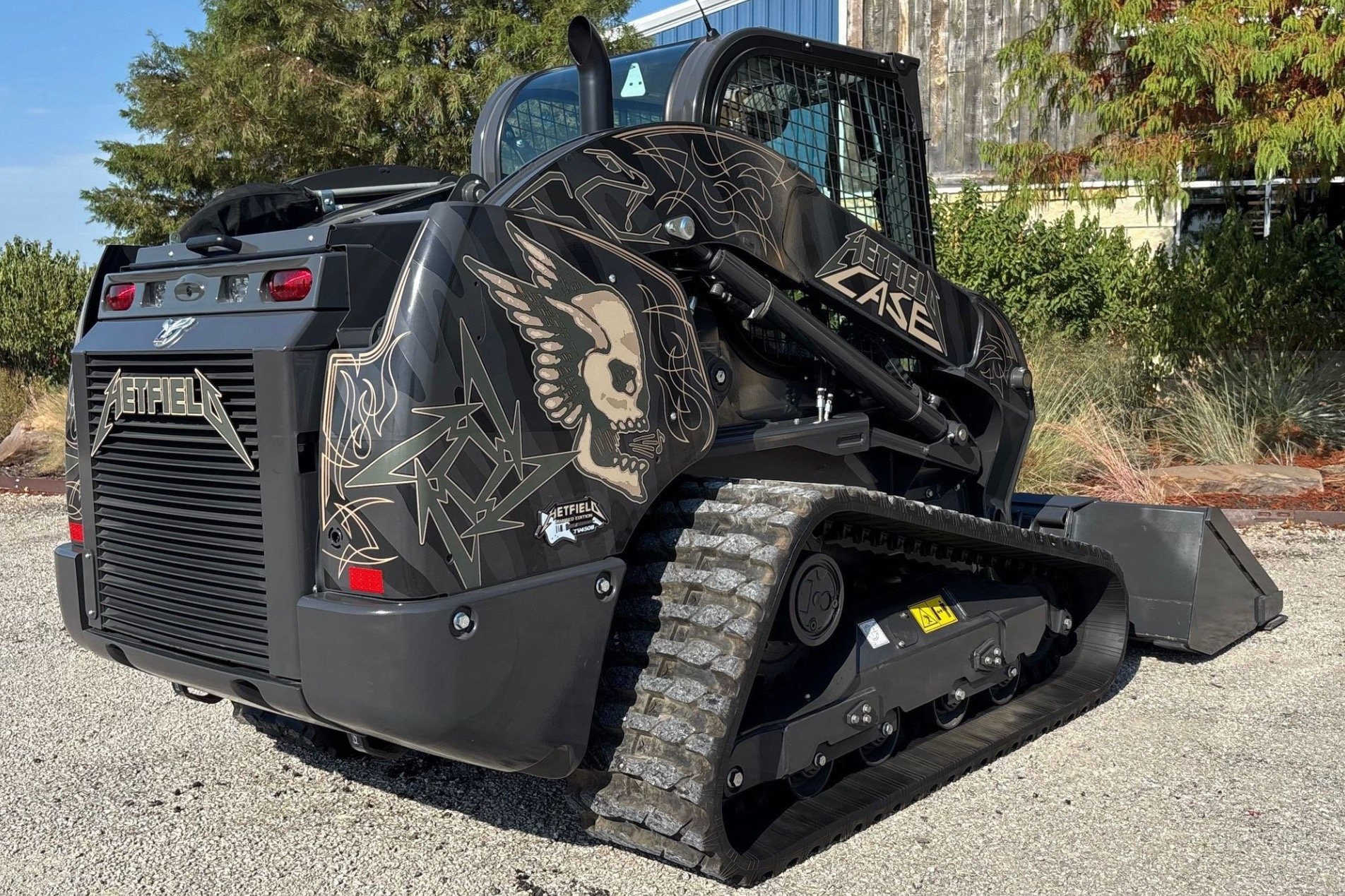
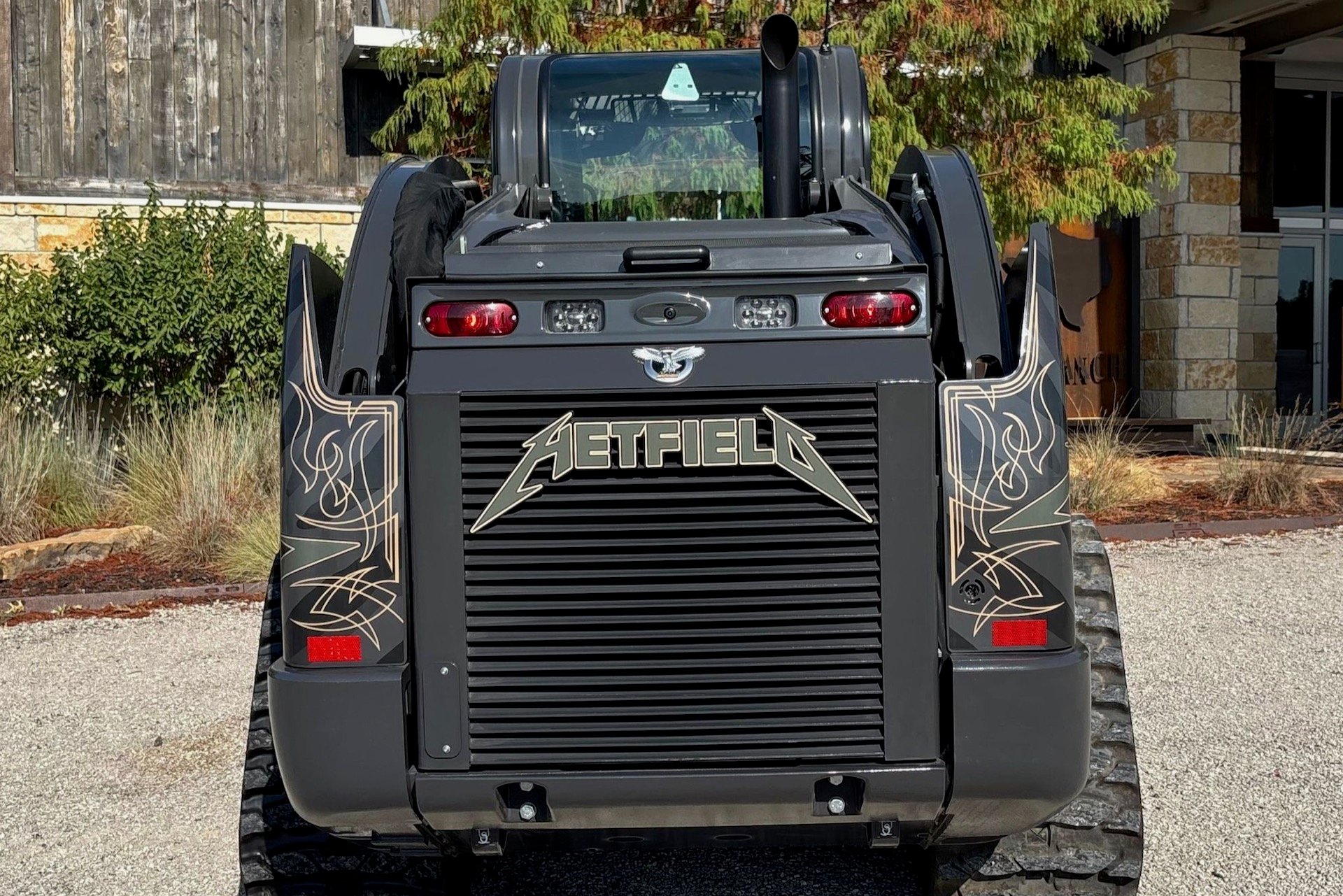
He didn’t want the standard "Case Construction" yellow. Instead, he collaborated with Case to create a one-of-a-kind machine that serves as a tribute to his career and his passion for custom fabrication. The design language of the skid-steer is heavily borrowed from his legendary custom guitar collection, specifically his signature ESP "Snakebyte." The chassis features a sophisticated camouflage pattern that mirrors the guitar’s finish, complemented by intricate pinstriping inspired by the bespoke hot rods he has famously commissioned over the years.
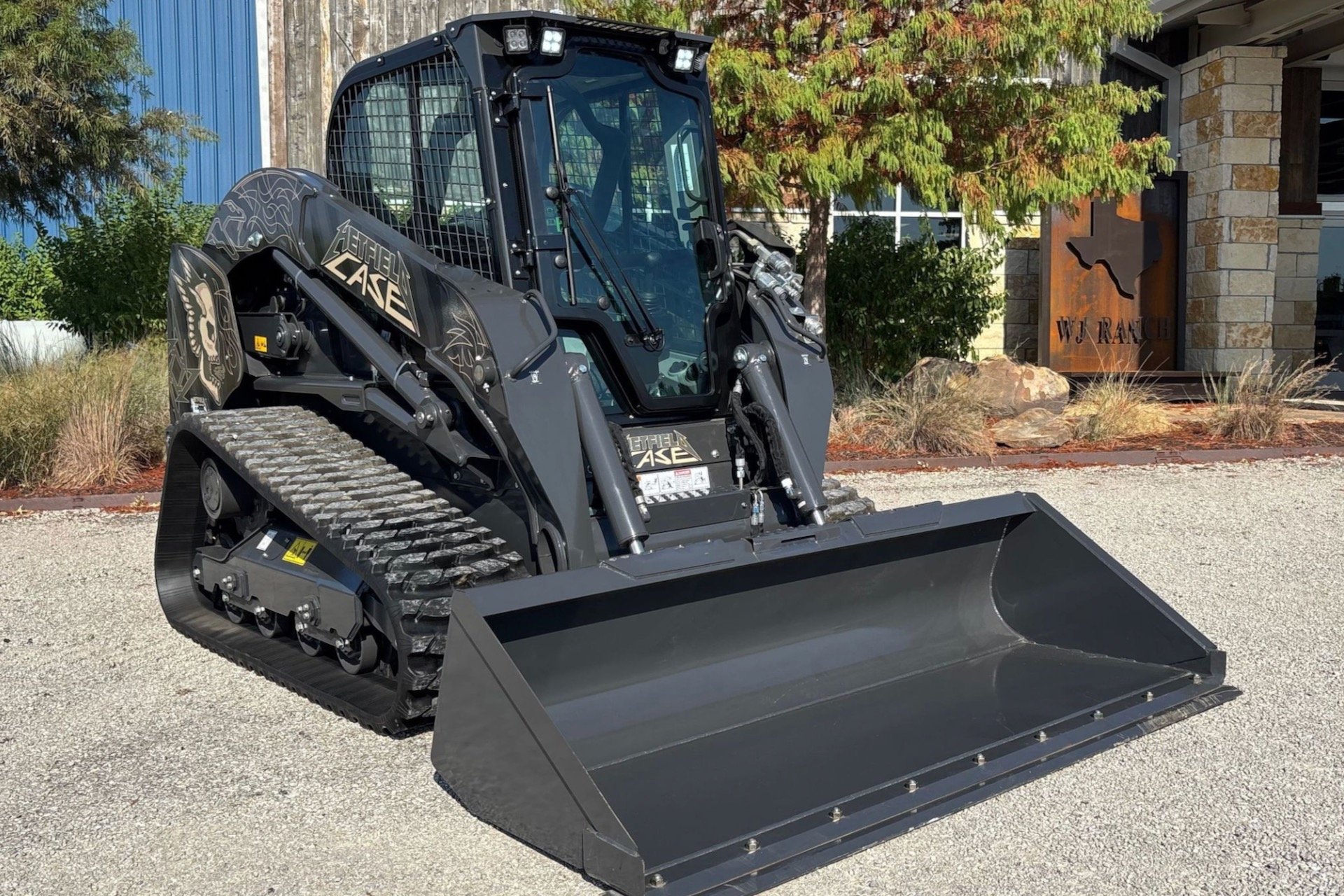
Perhaps most striking is the inclusion of his signature winged skull tattoo, emblazoned on the body of the loader. The aesthetic choice is deliberate: it transforms a utilitarian tool—designed for earthmoving, grading, and material handling—into a heavy-metal statement piece. It challenges the conventional boundaries of what "luxury" equipment can look like, proving that even a skid-steer can possess the "cool factor" typically reserved for custom-built automobiles.
A Chronology of the Project
- Early 2024: James Hetfield approaches Case Construction with a vision for a customized TV450B skid-steer, intended for use on his private ranch.
- Mid-2024: The "Hetskid" is completed. It gains internal and public attention for its unique blend of industrial power and heavy-metal design cues.
- Late 2024: Recognizing the interest from the fan base, Case announces a limited production run of 25 "Hetfield Limited Edition" replicas based on the original prototype.
- October 2026: The first unit of the 25-piece limited series is slated for auction through Purple Wave, with proceeds earmarked for the band’s charitable foundation.
- November 2026: Delivery and integration into the winner’s collection, marking the transition of the Hetskid from a private tool to a high-value collector’s item.
Supporting Data: Under the Hood of the Beast
Beyond the custom graphics and pinstriping, the Case TV450B is a serious piece of machinery. It is not merely a "show" vehicle; it is designed to perform at the highest level of efficiency on any job site or ranch.
Technical Specifications:
- Engine: 3.4-liter, four-cylinder diesel engine.
- Power Output: 90 horsepower.
- Operating Capacity: Designed for heavy-duty lifting and earthmoving.
- Bucket Volume: 75-cubic-yard capacity, suitable for large-scale landscaping or material handling.
- Track System: High-traction rubber tracks, optimized for maneuverability in soft or uneven terrain.
The technical prowess of the machine ensures that while it bears the name and branding of a rock icon, it remains true to its purpose: moving mountains, clearing debris, and maintaining land. This juxtaposition—the fusion of brute force with artistic branding—is what makes the Hetskid such a compelling case study in brand collaboration.
Philanthropic Implications: All Within My Hands
The auction of the first limited-edition Hetskid is not just a vanity project; it serves a greater purpose. The sale is being conducted to benefit All Within My Hands (AWMH), the non-profit foundation established by Metallica in 2017.
The foundation is dedicated to creating sustainable communities by supporting workforce education, the fight against hunger, and other critical local services. The choice to auction the Hetskid is particularly poignant, as AWMH has a strong history of investing in trade schools and vocational training. By selling a piece of heavy construction equipment—a tool that literally builds the infrastructure of the world—the band is directly supporting the next generation of laborers, mechanics, and engineers.
The auction package adds further incentive for deep-pocketed fans: the winner will receive two tickets to see Metallica perform at the Sphere in Las Vegas. This marriage of high-octane performance and philanthropy serves to elevate the auction from a simple transaction to a cultural event.
Hetfield’s Legacy in Automotive Art
James Hetfield’s interest in machinery goes well beyond skid-steers. Over the past decade, he has established himself as a serious patron of the custom automotive arts. His "Black Pearl," a breathtaking creation based on a 1948 Jaguar, and "Aquarius," a fluid, art-deco-inspired vehicle loosely based on a 1934 Packard, have garnered awards at some of the most prestigious car shows in the world, including the Petersen Automotive Museum.
While other artists and musicians often collect Ferraris or Lamborghinis—cars that are frequently locked away in storage units, never to see a drop of rain or a pothole—Hetfield’s approach is notably different. He favors the "maker" culture. Whether it is a custom hot rod or a track loader, Hetfield’s machines are built to be operated, modified, and appreciated for their mechanical integrity.
This distinction is important. In a world where celebrity car collections are often viewed as mere "assets" or "investments," Hetfield’s collection feels organic. He understands the mechanics, the history of the design, and the utility of the build. His influence on the custom scene has been profound, encouraging fans and collectors alike to look beyond the factory badge and focus on the craftsmanship of the build itself.
The Implications for Heavy Equipment Branding
The existence of the Hetskid forces a conversation about the intersection of pop culture and industrial manufacturing. Historically, construction equipment manufacturers have prioritized safety, visibility, and standardized branding. The idea of a "limited edition" machine—let alone one inspired by a thrash metal band—was once considered antithetical to the seriousness of the industry.
However, the Hetskid proves that there is a market for personalization in the heavy-duty sector. Just as the automotive world has seen a surge in interest for custom trucks and "overlanding" rigs, there is an untapped demographic of property owners who view their heavy equipment as an extension of their personal brand. By partnering with Hetfield, Case has effectively bridged the gap between the construction yard and the concert arena.
If this auction proves successful, we may see a shift in how equipment manufacturers market their flagship models. Could we see branded, limited-run loaders for other industries or cultural icons? It is a distinct possibility. The Hetskid has paved the way for a new type of "enthusiast-grade" machinery that values individual expression just as much as hydraulic pressure.
Conclusion: A New Standard for Rock Star Collections
The Hetskid is more than just a piece of metal painted with cool graphics. It is a testament to the evolving interests of one of rock music’s most enduring figures. By turning his attention from the stage to the soil, James Hetfield has challenged the status quo of celebrity collecting.
Whether it ends up in the hands of a die-hard Metallica fan, a construction company owner with a flair for the dramatic, or a museum curator, the Hetskid will forever hold a unique place in history. It serves as a reminder that even at the highest levels of fame, the drive to create—to build, to modify, and to contribute to the trades—remains a fundamental human instinct. As the hammer falls on the Purple Wave auction, the Hetskid will not just be changing hands; it will be continuing its mission: moving the earth, one load at a time, for a cause that resonates far beyond the walls of a concert hall.
