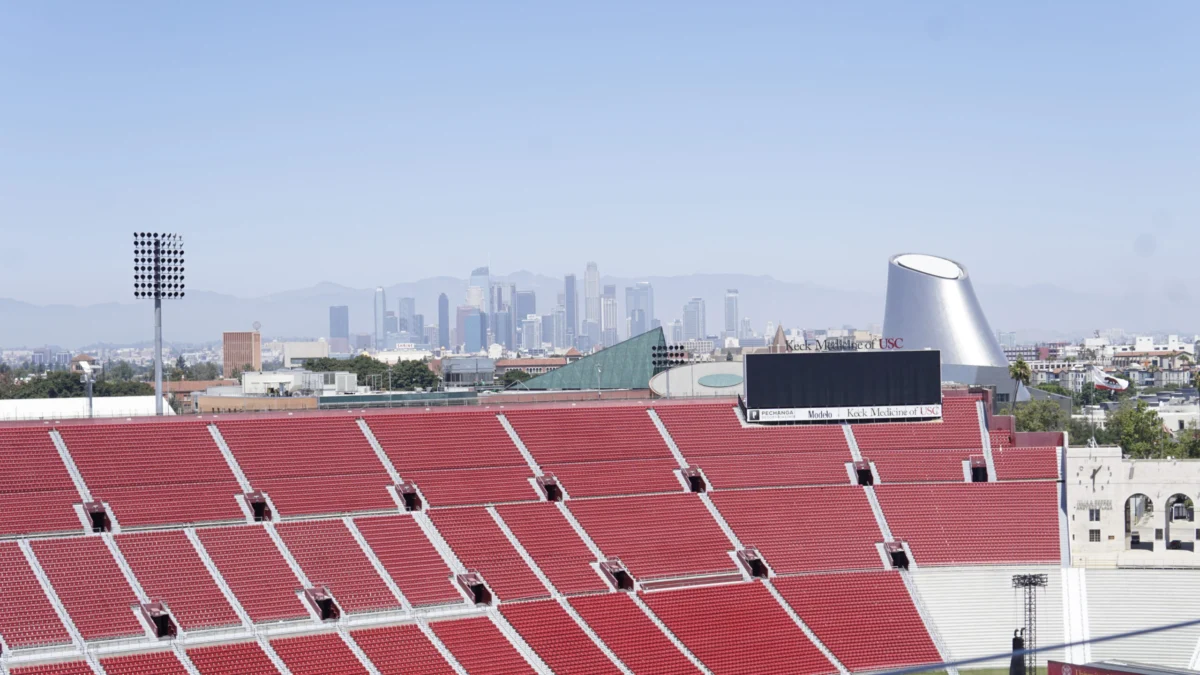



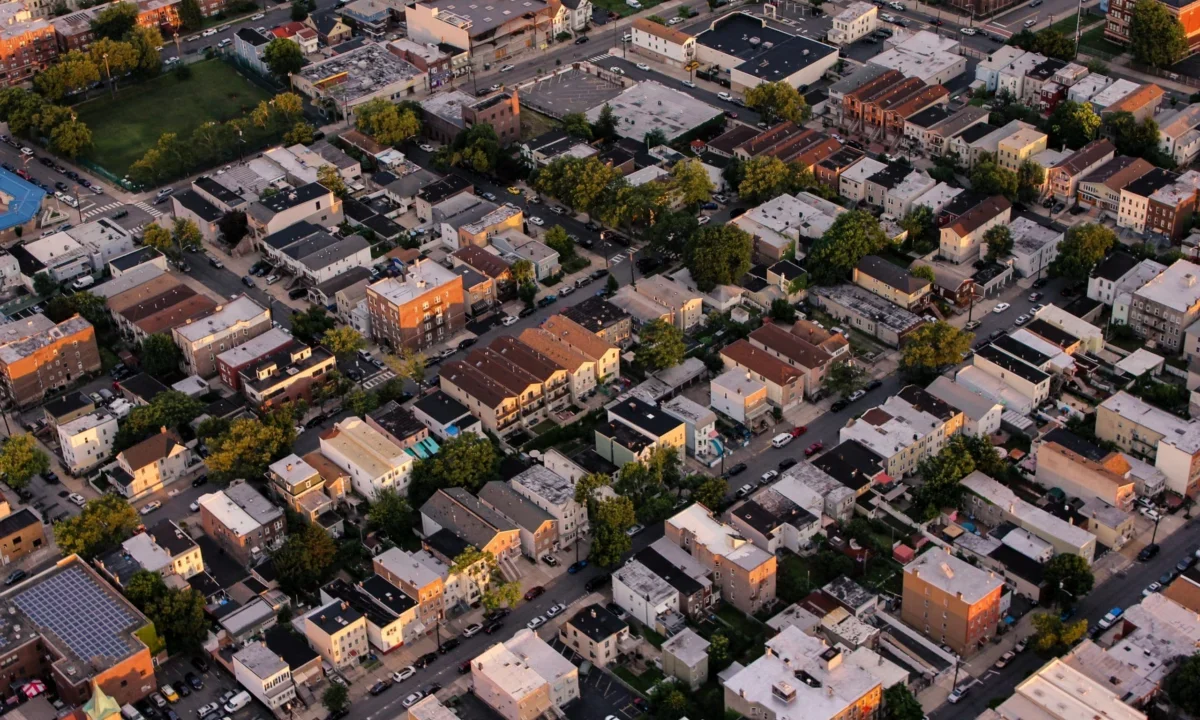

As the world turns its eyes toward the 2028 Summer Olympics in Los Angeles, a deeper, more urgent narrative is unfolding beneath the surface of athletic excellence. With an expected global audience of over five billion people, the Games are set to be the most-watched event in history. Yet, for Los Angeles, the challenge is not merely hosting a spectacle; it is navigating the thin line between urban transformation and climate catastrophe. In a city still scarred by the memory of devastating wildfires, the 2028 Games serve as a high-stakes laboratory for the future of sustainable urban planning.
Main Facts: A New Model for the Global Stage
On June 23, 2026, experts, urban planners, and climate advocates will convene for a landmark webinar as part of London Climate Action Week to dissect the "LA 2028" strategy. The central question is whether the Olympics can act as a catalyst for genuine climate resilience rather than merely serving as a carbon-heavy vanity project.
The organizers of the Los Angeles Games have made bold, foundational pledges that deviate sharply from the resource-intensive "build-it-all" model of the past. Key pillars of their strategy include:
- Infrastructure Efficiency: A commitment to utilize 100% existing or temporary venues, effectively eliminating the carbon footprint associated with the construction of new permanent stadiums.
- Mobility Revolution: A concerted effort to minimize car reliance in a city defined by its freeway culture, pushing for massive investment in public transit and non-motorized infrastructure.
- Climate Resilience: Integrating long-term wildfire recovery and heat-mitigation policies into the short-term preparations for the Olympic cycle.
Chronology: From Wildfire Recovery to the Olympic Spotlight
The trajectory of Los Angeles toward 2028 is a story of resilience forged in fire. Understanding the current climate requires looking back at the recent past and ahead to the challenges of the late 2020s.
2020–2024: The Era of Vulnerability
The early 2020s saw Southern California grappling with record-breaking temperatures and catastrophic wildfire seasons. These events reshaped the city’s consciousness, forcing policymakers to prioritize "climate adaptation" over mere "growth." The scars of these fires are not just ecological; they are embedded in the city’s urban policy and emergency response frameworks.
2025–2026: The Planning Pivot
As the Games draw closer, the 2026 London Climate Action Week webinar marks a pivotal moment. By this time, the city will have moved past the initial bidding euphoria and into the grueling phase of infrastructure implementation. This period is critical for testing whether the promised public transit upgrades are actually manifesting or if they remain on the drawing board.
2027: The Pre-Game Stress Test
The year before the Games will serve as a global litmus test. With the world watching, LA must demonstrate that its urban systems—from energy grids to water management—can withstand the influx of millions of visitors while concurrently managing the seasonal heat waves that have become the "new normal."
Supporting Data: The Weight of Expectations
The sheer scale of the Olympics necessitates a look at the data behind the sustainability claims.
The Carbon Footprint of Mega-Events
Historically, the carbon footprint of the Olympic Games is dominated by two factors: construction and international travel. By opting for existing infrastructure, LA 2028 aims to slash construction-related emissions by an estimated 40% compared to previous host cities. However, the travel emissions of five billion spectators remain a massive, unresolved variable.
Mobility and Urban Density
Los Angeles is notoriously car-dependent, with the average resident spending nearly 100 hours a year in traffic. The Olympic Committee’s goal to "minimize car use" implies a radical shift in behavioral economics. To succeed, the city must integrate a "no-car" policy for spectators, relying on a revamped Metro system. Data suggests that if even 30% of attendees shift from private vehicles to public transit, the daily emissions reduction during the games could reach record lows for a city of this size.
Official Responses and Stakeholder Perspectives
The discourse surrounding LA 2028 is polarized. On one hand, the International Olympic Committee (IOC) and local organizers argue that the Games are the ultimate opportunity to "future-proof" the city.
"We are not building for the Games; we are building for the people of Los Angeles," noted a representative from the organizing committee in early planning briefs. They emphasize that the transit lines being fast-tracked for 2028 are permanent assets that will serve the city for decades.
Conversely, climate activists remain skeptical. During the upcoming June 23 webinar, critics are expected to raise pointed questions:
- Greenwashing vs. Reality: Are the "temporary venues" truly low-impact, or do they simply displace carbon emissions to other industries?
- The Wildfire Paradox: How can a city justify the immense logistical energy required for a global party while it simultaneously fights the existential threat of wildfire-induced urban displacement?
- Equity: Will the climate-resilience investments be concentrated in the high-visibility Olympic corridors, or will they reach the low-income communities most vulnerable to extreme heat and poor air quality?
Implications: Can the Olympics Survive the Climate Crisis?
The survival of the Olympic Games as an institution depends on its ability to adapt to a warming world. The "LA Model" will effectively determine the viability of future mega-events.
Reimagining the Sporting Stage
If Los Angeles succeeds, it sets a template where the Olympics become a catalyst for urban renewal rather than an environmental burden. If it fails, it may prove that mega-events are fundamentally incompatible with the urgent requirements of climate change, potentially leading to a permanent shift toward decentralized or regionalized games.
Urban Policy as a Legacy
The greatest legacy of the 2028 Games may not be the medals won or the records broken, but the structural transformation of Los Angeles. The pressure to "put on a show" creates a unique political window where massive public investment is not only possible but required. If these investments prioritize climate resilience—such as green-roofing, urban forestry, and heat-resistant infrastructure—the city may emerge from the Olympics not just as a host, but as a global leader in climate adaptation.
The Human Element
Finally, the Games must reckon with the human cost of climate change. The interaction between recovery efforts from past wildfires and the glitz of the Olympics is a delicate balance. For the residents of Los Angeles, the Games represent a moment to showcase their resilience, but they also highlight the inequities of a city defined by its extremes.
As we look toward the 2026 webinar, the conversation is clear: the 2028 Olympic Games are no longer just about sport. They are a test of human ingenuity in the face of an uncertain climate future. Whether Los Angeles rises to the occasion will be determined by whether the organizers can move beyond the marketing slogans and deliver a tangible, lasting, and sustainable urban legacy.
For those interested in the intricacies of this challenge, the upcoming webinar on June 23, 2026, promises to be an essential forum for the architects of our future. As the clock ticks down, the question remains: will the 2028 Games be remembered as the moment the Olympics finally got serious about the planet, or as the last grand spectacle before the reality of climate change permanently altered the landscape of global sport?
For more information on the upcoming webinar and to join the discussion on the future of urban resilience, please consult the official London Climate Action Week portal.
