




The United States’ water sector, long considered the "soft underbelly" of national critical infrastructure, is finally receiving a significant infusion of defensive resources. In a coordinated effort to stave off both digital sabotage and the compounding pressures of climate change, federal and state authorities have launched a multi-pronged initiative aimed at hardening drinking water systems against an increasingly hostile threat landscape.
This week, the U.S. Environmental Protection Agency (EPA) announced nearly $12 million in targeted grant funding to fortify 10 midsize and large drinking water systems. Simultaneously, the White House, in partnership with the state of Texas, unveiled "Project Watershed 250," an ambitious public-private venture designed to provide cost-free cybersecurity defense tools to utilities that are often under-resourced and over-exposed.
The Main Facts: A Dual-Front War
The dual announcements represent a pivot in how the federal government approaches infrastructure security. Rather than merely mandating compliance through audits, the government is moving toward a model of active assistance.
The $12 million in EPA funding is designated for the "Midsize and Large Drinking Water System Infrastructure Resilience and Sustainability Grant Program." The beneficiaries include municipalities across the country: Anderson, California; Bay City, Texas; Bloomington, Indiana; Coffeyville, Kansas; Hemet, California; Lake City and Orange City, Florida; San Diego; the California-American Water Company in Sacramento; and Denver Water in Colorado.
These funds are not strictly for "cyber" defense; they are also earmarked for hardening facilities against extreme weather—a tactical acknowledgement that the threats facing water utilities are often interconnected. A facility crippled by a flash flood is just as vulnerable to digital infiltration as one with outdated firewall protections.
Chronology of the Crisis: From Warning to Action
The urgency behind these initiatives is the result of years of mounting evidence that water systems are falling behind in the digital arms race.
- 2023: The EPA took a firm step toward oversight, mandating that states begin assessing public water systems’ cybersecurity practices during periodic sanitary surveys. This marked the first time federal regulators moved to systematically quantify the digital risk across thousands of disparate utilities.
- Early 2024: A report by the U.S. Government Accountability Office (GAO) delivered a stinging critique, finding that while the EPA had provided technical assistance, it lacked a coherent, unified strategy to address the systemic risks facing the sector. The GAO report acted as a catalyst, urging federal agencies to move beyond advisory roles.
- Mid-2024: As reports of cyber-intrusions targeting municipal water infrastructure gained visibility, industry bodies like the American Water Works Association (AWWA) intensified their lobbying efforts. In August 2026, the AWWA sent a formal letter to congressional leaders, emphasizing that "continued cybersecurity investment" is no longer optional but a matter of national survival.
- Late 2026: The current announcements from the EPA and the White House represent the most significant federal investment and strategic realignment to date.
Supporting Data and the "Scalability Gap"
The fundamental problem facing U.S. water infrastructure is a massive disparity in resources. While a metropolis like San Diego or a large utility like Denver Water may have dedicated IT security teams, thousands of smaller, regional water districts operate with limited staff and archaic digital architectures.
Bobby Suber, senior manager of solutions architecture for state and local government at Elastic, points out that the current model of security is inherently broken. "Critical infrastructure is increasingly interconnected, but the resources available to defend it are not equally distributed," Suber noted. "Many smaller water utilities, municipalities, and hospitals operate essential services without the 24×7 monitoring capabilities available to larger agencies. The answer cannot simply be asking every local organization to build its own Security Operations Center (SOC). That model doesn’t scale."
The data supports this concern. As the Association of State Drinking Water Administrators (ASDWA) noted in their assessment of the recent funding, the frequency and visibility of cyberattacks on water utilities have spiked. The threat actors are no longer just opportunistic hackers; they are increasingly identified as state-sponsored entities or sophisticated criminal syndicates seeking to hold public health hostage.
Official Responses and Strategic Policy
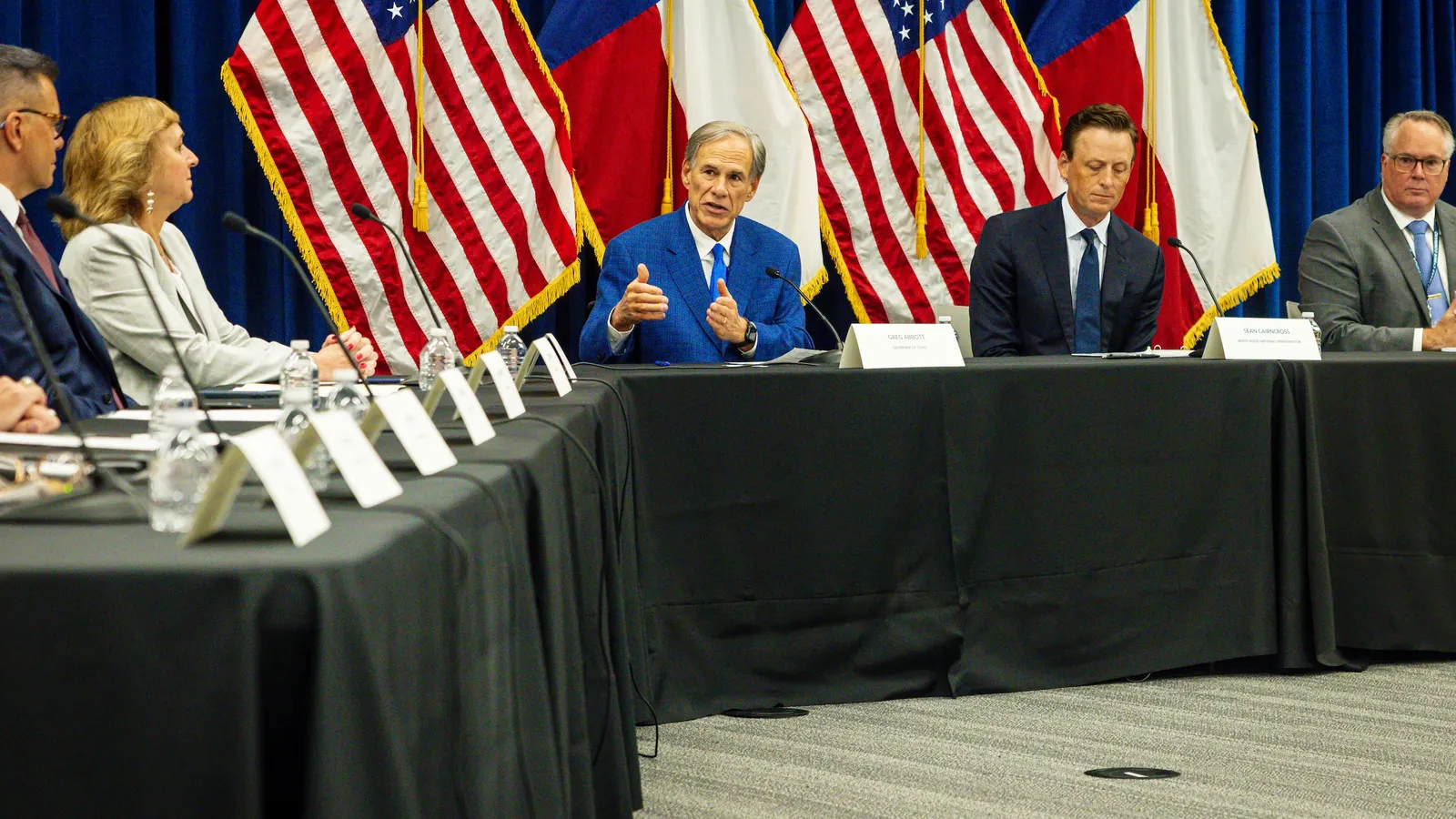
The federal government’s approach is now defined by the "Project Watershed 250" initiative. Announced in San Antonio by National Cyber Director Sean Cairncross and Texas Governor Greg Abbott, the project aims to leverage private-sector expertise to defend the water supply.
"This funding will help strengthen critical infrastructure, improve national security, and support long-term resilience," said EPA Region 7 Administrator Jim Macy, highlighting the practical reality of the threat. Coffeyville, Kansas—a city under Macy’s purview—is a case study in why these grants are necessary; the city was recently battered by severe flash flooding, which highlighted how natural disasters can destabilize a system’s operational continuity.
From the state perspective, Governor Abbott has framed the issue as a matter of geopolitical defense. Project Watershed 250 is explicitly designed to make Texas water systems "harder targets for China, Iran, and other hostile foreign adversaries." By partnering with the Texas Cyber Command—a body established by the state legislature specifically to counter state-level cyber threats—the White House is signaling that the defense of water is a collaborative effort between the local, state, and federal levels.
Implications: The Future of Infrastructure Resilience
The implications of this shift are profound for both the utility industry and the American public.
1. The End of "Security by Obscurity"
For decades, many water utilities operated under the assumption that their systems were too obscure or specialized to be targeted. The rise of interconnected "Smart City" technologies has effectively ended that era. The new federal grants are forcing utilities to adopt modern security standards as a prerequisite for receiving funding.
2. A Shift to Public-Private Partnerships
The White House’s involvement in Project Watershed 250 indicates a realization that the government cannot build these defenses alone. By connecting utilities with private cybersecurity firms willing to provide resources at no cost, the government is creating a "force multiplier" effect. This model is expected to be replicated in other states, moving the burden of cybersecurity from individual, cash-strapped utilities to a centralized, tech-forward coalition.
3. Resilience as a Holistic Concept
The EPA’s inclusion of both cyber defense and extreme weather protection in the same grant program signifies a new, holistic understanding of "resilience." A utility that is secure from hackers but vulnerable to the next century of climate change is not truly resilient. By bundling these risks, the federal government is encouraging a more integrated approach to infrastructure management.
4. The Legislative Hurdle
Despite the infusion of $12 million, industry experts argue this is merely a down payment. The American Water Works Association continues to push for sustained, multi-year federal funding. The challenge remains that the cost of modernizing the digital backbone of the U.S. water sector runs into the billions, not millions.
As the digital landscape continues to evolve, the resilience of the nation’s water supply will depend on whether this initial $12 million serves as a permanent baseline for federal support or remains a one-time relief effort. For now, the message from the White House and the EPA is clear: the era of reactive, piecemeal security for water utilities is coming to an end. In its place, a more aggressive, collaborative, and technologically advanced defense strategy is beginning to take root, one that recognizes that clean water is the foundation of national security.
