





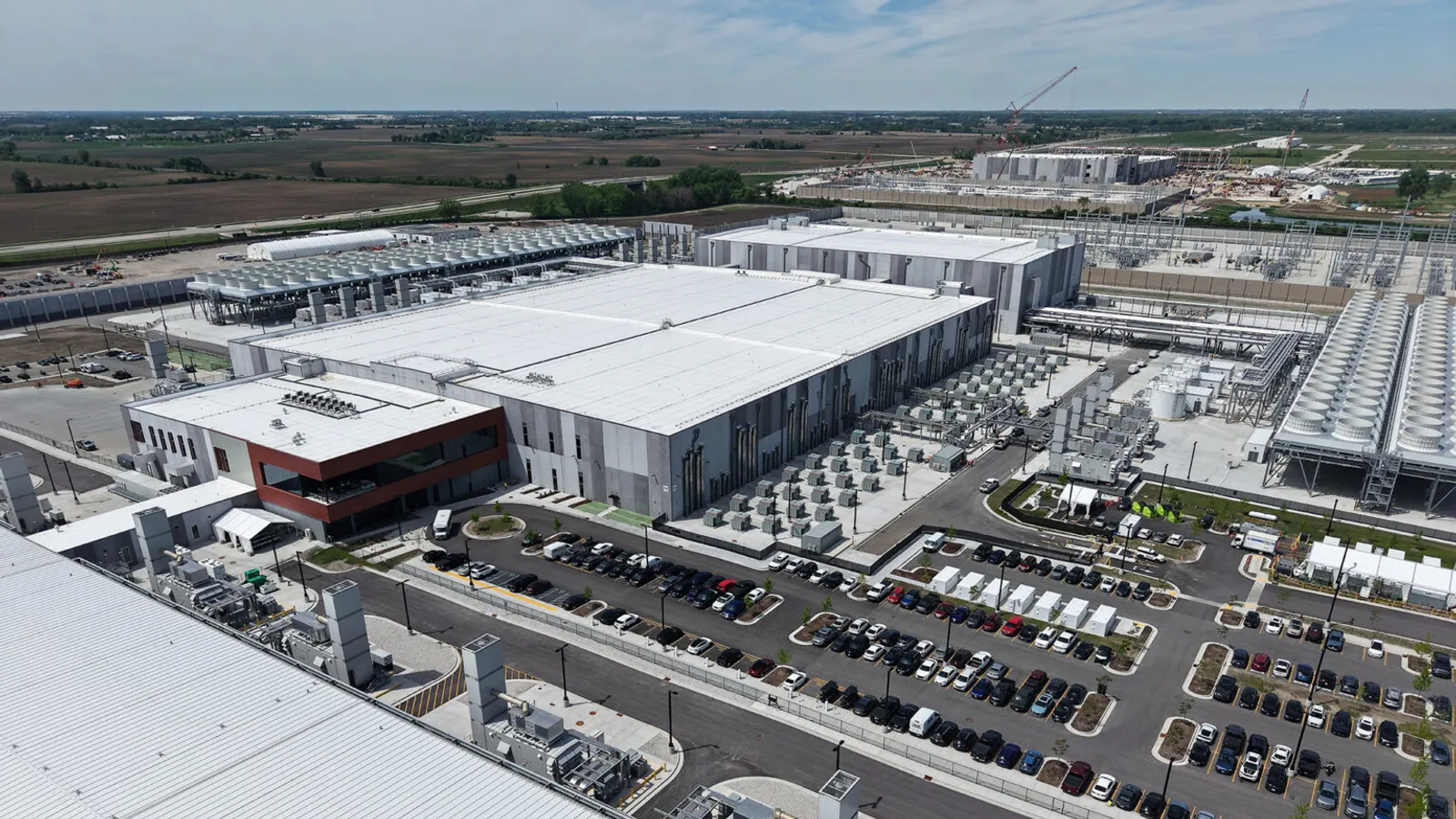
As the global demand for artificial intelligence and cloud computing surges, the physical footprint of the digital age is expanding at an unprecedented rate. However, as massive data centers rise in suburban and rural landscapes, they are bringing with them a byproduct that residents find increasingly difficult to ignore: pervasive, low-frequency noise. A significant spike in noise-related litigation this year suggests that the “hum” of the digital economy has become a legal liability for the world’s largest technology companies.
From Mississippi to New Jersey, communities are mobilizing against tech giants, claiming that the constant drone of massive cooling systems and power generators is eroding their quality of life, damaging their health, and devaluing their property. Legal experts note that while nuisance and negligence claims are long-standing legal doctrines, the targeting of data center operators as the primary defendants represents a new and complex frontier in corporate litigation.
The Core Conflict: Why Data Centers Are Getting Louder
At the heart of the controversy is the architecture of modern data centers. To maintain the stability of high-performance computing clusters, these facilities require immense cooling power. This involves thousands of industrial-grade chillers, compressor arrays, and slow-turning fans that operate 24/7.
The technical challenge, as highlighted in recent lawsuits, lies in the frequency of the sound emitted. Traditional noise ordinances—the laws that municipalities use to regulate everything from construction sites to loud parties—rely on "A-weighted" decibel (dBA) measurements. This metric is designed to mimic the sensitivity of the human ear, which is particularly attuned to higher-pitched sounds.
However, data center equipment often emits a low-frequency hum that falls outside the effective range of standard dBA monitoring. Residents living near these facilities report a constant, rhythmic vibration that persists even when windows are closed. Because this noise does not "register" on the tools local governments use to enforce compliance, data centers often operate in technical compliance with local codes while still causing significant distress to neighbors.
Chronology of a Growing Legal Trend
The surge in litigation began to gain momentum in early 2024, with at least half a dozen major cases surfacing across the United States.
- June 2024: Residents in Southaven, Mississippi, filed a high-profile lawsuit against xAI, the artificial intelligence company led by Elon Musk. The plaintiffs allege that the facility’s operation of dozens of gas turbines has created an environment plagued by constant noise, vibration, and air pollution. The legal team at Weitz & Luxenberg, representing the residents, stated, "xAI has made no meaningful effort to halt the harm," setting a confrontational tone for future proceedings.
- Early June 2024: A lawsuit was filed against Microsoft regarding its Fairwater data center in Mount Pleasant. This case is being watched closely by industry analysts because it explicitly challenges the adequacy of current noise measurement standards, arguing that the facility’s cooling systems generate long-wavelength noise that traditional monitors fail to capture.
- Ongoing Regional Cases: Similar legal challenges have emerged in Vineland, New Jersey; Dowagiac, Michigan; North Tonawanda, New York; and Hood County, Texas. These cases collectively suggest that the friction between data center developers and local communities is not an isolated phenomenon but a nationwide trend.
Supporting Data and Technical Arguments
The legal arguments being deployed by plaintiffs center on the failure of operators to utilize available mitigation technologies. In the Microsoft litigation, for example, the complaint details a series of "reasonable and feasible" steps that the company allegedly failed to take.
Proposed Mitigations
Plaintiffs argue that the nuisance could be significantly reduced through:
- Acoustic Barriers: Installation of sound-dampening walls, shields, and perimeter berms specifically designed to absorb low-frequency waves.
- Infrastructure Upgrades: Transitioning to low-noise cooling systems and high-efficiency fan arrays that operate at lower decibel levels.
- Monitoring Systems: Implementing continuous, real-time noise monitoring that tracks low-frequency decibels (dBC) rather than just standard dBA.
- Operational Planning: Establishing rigorous noise-prevention plans that limit the use of heavy generators during overnight hours when ambient noise levels are typically lower.
The complaint asserts that "a properly operated, maintained, and/or constructed Data Center will contain, capture, or otherwise prevent the emission of excessive noise." By failing to do so, plaintiffs claim, operators are showing a negligent disregard for the surrounding environment.
Precedents and Settlement Patterns
While most noise-related data center cases have yet to reach a summary judgment or trial, there is a precedent for settlements in related environmental disputes. In March 2026, Amazon agreed to a $20.5 million settlement in Oregon after it was discovered that nitrates from a data center had contaminated a local groundwater basin.
At the time of that settlement, Amazon spokesperson Kylee Yonas framed the decision as a strategic move: "Company officials chose to settle early with the plaintiffs to avoid a lengthy legal battle and to focus our time and resources on supporting the community rather than on litigation."
Legal analysts suggest that if the current noise lawsuits gain traction, tech companies may find themselves forced to choose between massive capital expenditures to retrofit facilities—which could run into the tens of millions per site—or engaging in similar, costly settlement agreements.
Official Responses and Corporate Strategy
To date, the response from the technology sector has been largely guarded. Microsoft, when contacted for comment on the Fairwater case, did not immediately provide a statement. This silence is typical of companies currently involved in active litigation, yet it leaves a vacuum that local advocacy groups are quick to fill with their own narratives.
Industry observers note that the lack of proactive communication from operators is exacerbating the tension. In many cases, residents report that their initial attempts to resolve the issue through municipal planning boards or direct outreach to company community relations teams were met with indifference, leaving litigation as the only perceived path for recourse.
Implications for the Future of Data Center Development
The legal shift toward treating noise as a nuisance carries profound implications for the data center industry, which is currently undergoing a massive expansion to support the generative AI boom.
1. Regulatory Hurdles
Local municipalities, sensitive to the concerns of their constituents, are likely to begin revising their zoning ordinances. This may include stricter noise thresholds that specifically account for low-frequency sound, effectively raising the barrier to entry for new developments.
2. Escalating Capital Costs
If companies are forced to integrate advanced acoustic shielding and low-noise cooling into their initial designs, the cost of building data centers will rise. This will, in turn, increase the operational costs for the cloud service providers and AI firms that lease this space.
3. The "NIMBY" Evolution
The "Not In My Backyard" (NIMBY) movement is evolving. Whereas previous complaints against industrial sites often focused on visual aesthetics or traffic, the focus on "acoustic pollution" is more scientifically grounded and harder for corporations to dismiss. This is likely to become a central pillar of community opposition in future planning hearings.
4. Need for Standardized Metrics
The legal pressure may eventually force the industry to adopt a new standard for noise measurement. If dBA is no longer sufficient, developers may need to work with environmental engineers to develop a "Data Center Noise Standard" that is recognized by courts and local governments alike.
Conclusion
As the digital and physical worlds continue to collide, the "hum" of the data center has become a symbol of a deeper disconnect between the tech industry and the communities that host its infrastructure. Whether through court-ordered retrofits or proactive community engagement, the industry is entering an era where quiet operation is no longer just a courtesy—it is a requirement for continued growth.
For the residents currently living under the shadow of these massive facilities, the lawsuits are not just about noise; they are about the right to peace in their own homes. For the tech giants, the coming years will be a test of their ability to scale their infrastructure without losing their "social license" to operate. As the legal system begins to weigh in, one thing is certain: the era of ignoring the low-frequency drone of the cloud is coming to an end.
