




NORLINA, N.C. – A pattern of alleged deceit has come to a screeching halt in Warren County, as state authorities have apprehended a local man accused of orchestrating a calculated insurance fraud scheme targeting popular restaurant chains. Melvin Junior Jones, a resident of Norlina, now faces serious felony charges after investigators determined that a series of claims regarding “contaminated food” were part of an elaborate fabrication designed to extract illicit payouts from business insurance policies.
North Carolina Insurance Commissioner Mike Causey announced the arrest of Jones this week, marking a significant victory for the Department of Insurance’s Criminal Investigations Division (CID). The charges, which include one count of insurance fraud and one count of attempting to obtain property by false pretense, highlight the growing concern regarding predatory litigation and fraudulent claims that plague the hospitality industry.
The Anatomy of the Allegations
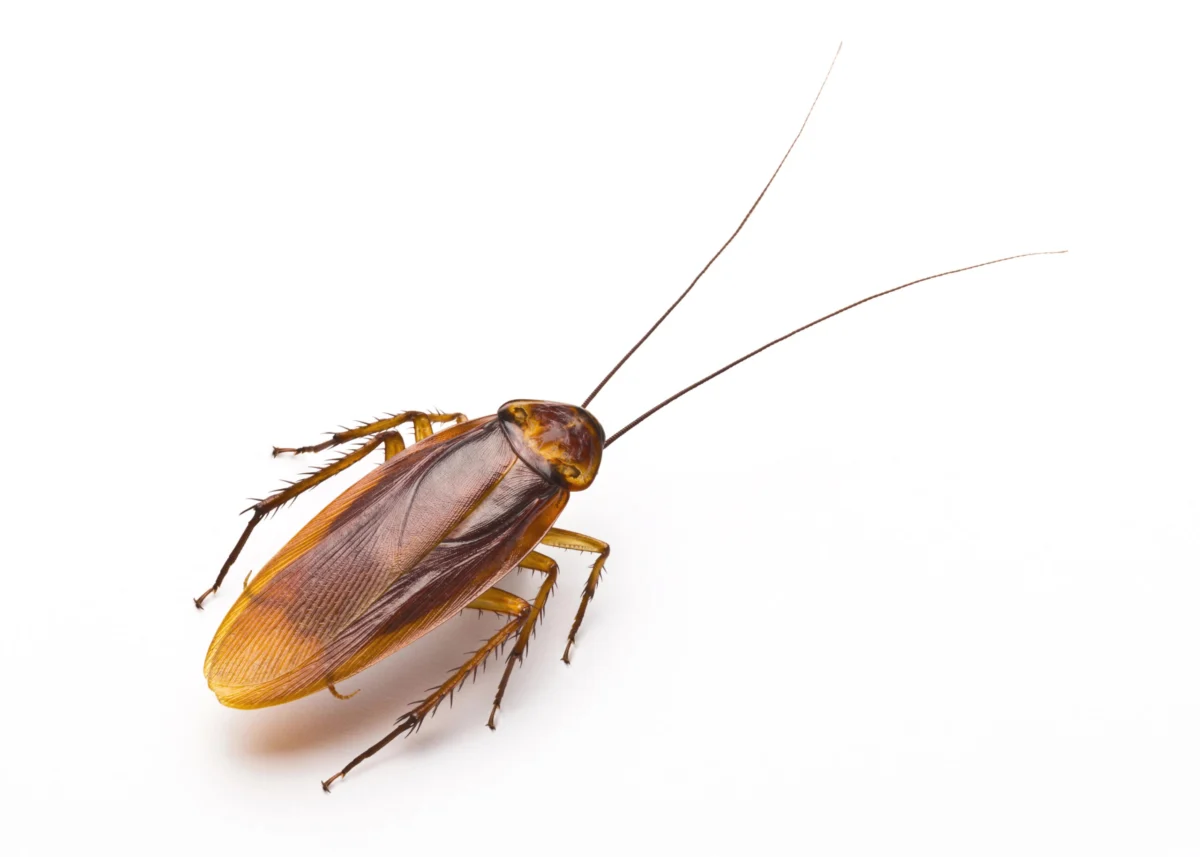
The catalyst for the investigation was a claim filed against a KFC franchise in Creedmoor, North Carolina. Jones alleged that while dining at the establishment, he discovered two cockroaches in his meal. He subsequently initiated a claim against the restaurant’s business insurance policy, held by PMA Insurance Group, demanding a payout of approximately $4,000.
While such complaints are typically treated with extreme caution by food service providers due to health code concerns and public relations risks, the sheer frequency of Jones’s complaints eventually raised red flags. Special agents assigned to the case delved into Jones’s history, uncovering a suspicious pattern that stretched across multiple counties and major restaurant brands.
According to official documents provided by the Department of Insurance, the Creedmoor KFC incident was not an isolated event. Investigators discovered that Jones had allegedly filed a total of four similar complaints between August 15, 2024, and August 7, 2025. In addition to the KFC incident, Jones is accused of targeting two separate Waffle House locations and a Denny’s Restaurant.
The modus operandi appears to have been consistent: Jones would allegedly report the presence of foreign objects—specifically cockroaches—in his food, leverage the threat of public health scrutiny and negative publicity, and attempt to secure financial settlements from the businesses or their insurance providers.
A Chronology of the Alleged Scheme
The timeline established by investigators provides a clear picture of an individual who authorities believe was operating a systematic campaign of fraud.
- August 15, 2024: The beginning of the identified sequence of events. While the specific location remains part of the ongoing evidentiary record, this date marks the first instance in the series of alleged fraudulent claims.
- Late 2024 – Mid-2025: Throughout the following months, Jones allegedly repeated his claims at various restaurant chains, specifically targeting high-traffic, national franchises known for standardized operations.
- August 7, 2025: The final alleged incident in the chain, which led to heightened scrutiny and the eventual intervention by the North Carolina Department of Insurance.
- Post-Investigation: Following the collection of evidence and coordination with local law enforcement, special agents finalized their report, leading to the arrest of Melvin Junior Jones.
- Current Status: Jones has been released on a $40,000 secured bond. He awaits future court appearances, where his defense team will be tasked with responding to the felony allegations leveled by the state.
The Economic and Operational Impact of "Nuisance" Fraud
While the dollar amount of a single $4,000 claim may seem negligible in the context of global insurance markets, the cumulative impact of such activity is profound. Insurance fraud is often mischaracterized as a “victimless crime,” a sentiment that Commissioner Mike Causey was quick to refute during his announcement.
“Insurance fraud is not a victimless crime,” Causey stated. “It hits all of us in the pocket through higher premiums and higher prices.”
For the restaurant industry, the implications of such fraud go beyond the direct financial loss of a settlement. When a customer alleges a serious health violation—such as the presence of vermin—restaurants must often initiate internal investigations, report to local health departments, and undergo potentially disruptive inspections. These actions consume valuable operational time, damage brand reputation, and can lead to unnecessary scrutiny from regulatory bodies.
Furthermore, when insurance companies are forced to settle fraudulent claims, these costs are inevitably factored into future premium calculations for business owners. In a post-pandemic economy where the restaurant sector has faced unprecedented labor and food cost inflation, the added burden of fraudulent litigation serves as a tax on legitimate commerce.
Official Responses and Investigative Rigor
The role of the North Carolina Department of Insurance’s Criminal Investigations Division (CID) is critical in cases involving serial claimants. By maintaining a centralized database of complaints and insurance filings, the CID is uniquely positioned to identify patterns that might otherwise appear to be localized, one-off events to individual store managers or regional insurance adjusters.
In the case of Melvin Junior Jones, the CID’s intervention highlights the state’s commitment to curbing white-collar crime. The investigation involved sophisticated data cross-referencing, linking disparate incidents at various restaurants to a single individual. The thoroughness of the investigation ensured that the charges moved beyond simple misdemeanor complaints to felony-level accusations, reflecting the severity of the alleged deception.
Legal analysts note that the charge of “attempting to obtain property by false pretense” is a serious legal hurdle for a defendant. It requires the prosecution to prove that the individual knowingly made a false representation with the specific intent to defraud another party of their property or money. The fact that the state has brought these charges suggests a high degree of confidence in the evidence gathered by the special agents.
The Broader Landscape of Insurance Fraud
The case against Jones occurs against a backdrop of increasing vigilance by insurance companies. Advances in digital record-keeping and data sharing between insurance carriers and state agencies have made it significantly more difficult for serial claimants to "fly under the radar."
Many insurance providers now utilize predictive analytics to flag claims that deviate from statistical norms. For example, if a customer files multiple claims regarding foreign objects in food across different geographic regions, the system triggers an automatic investigation. This technological shift has transformed how companies like PMA Insurance Group defend themselves against predatory behavior.
Moreover, the legal system has become increasingly intolerant of "nuisance lawsuits." Courts in North Carolina and across the United States have implemented stricter requirements for evidence in slip-and-fall and food contamination cases to prevent the exploitation of small businesses.
What Lies Ahead for the Defendant
As the legal proceedings against Melvin Junior Jones commence, the court will weigh the evidence presented by the Department of Insurance. Should he be convicted of the felony charges of insurance fraud and attempting to obtain property by false pretense, the consequences could be severe. In North Carolina, felony convictions carry the potential for significant prison time, heavy fines, and long-term probation.
Beyond the legal penalties, Jones faces the prospect of being "blacklisted" by the insurance industry. His name and details of his alleged scheme will likely be added to databases used by insurers to assess the risk profile of claimants, effectively making it difficult for him to obtain future coverage or secure settlements in the event of legitimate grievances.
For the restaurant industry, the case serves as a cautionary tale—and a source of relief. It reinforces the importance of diligent record-keeping, the value of reporting suspicious activity to the proper authorities, and the necessity of refusing to be intimidated by threats of legal action when there is no factual basis for such claims.
Conclusion
The arrest of Melvin Junior Jones serves as a stark reminder that the integrity of our economic system relies on the honesty of individuals and the vigilance of oversight agencies. By allegedly targeting multiple businesses with false claims of contamination, Jones not only attempted to defraud insurance companies but also cast a shadow over the reputation of hardworking restaurant employees.
As the state of North Carolina pursues this case, the broader message to the public is clear: insurance fraud is a high-stakes crime with real-world consequences. The Department of Insurance remains committed to rooting out those who seek to profit from deception, ensuring that the costs of doing business—and the premiums paid by honest consumers—are not artificially inflated by the actions of a few.
For now, the restaurant owners who were targeted in this string of alleged incidents can take solace in the fact that the wheels of justice are turning. The case against Jones is expected to move through the Warren County court system in the coming months, providing a definitive resolution to a series of events that began with a false report and ended in a courtroom.
