


Skift Take
Southwest Airlines has signaled a definitive shift in its operational philosophy, pivoting away from pure expansion toward a rigorous focus on network optimization, product refinement, and dynamic pricing models to sustain long-term profitability in a volatile economic climate.
The Landscape of Record-Breaking Performance
Southwest Airlines, long known as the king of the point-to-point domestic market, recently reported a landmark second quarter. The carrier achieved a record-breaking $8.4 billion in total operating revenue, representing a significant 16.4% year-over-year increase. This financial milestone, while impressive, serves as a testament to a broader industry trend: the aggressive recalibration of airfares and the implementation of ancillary fees designed to absorb the persistent sting of fluctuating jet fuel prices.
However, behind the topline revenue figures lies a deeper story of internal transformation. CEO Bob Jordan has explicitly stated that the carrier is entering a phase of strategic "optimization." After years of focusing on capacity growth and market share, Southwest is now recalibrating its machinery to ensure that every flight, every route, and every cabin seat contributes more effectively to the bottom line.
Chronology of a Strategic Pivot
To understand the current state of Southwest Airlines, one must look at the timeline of the last 24 months, a period defined by immense turbulence and necessary adaptation.
The Post-Pandemic Rebound (2022)
Following the initial shocks of the pandemic, Southwest, like many of its peers, faced an environment of labor shortages and operational inefficiencies. The airline spent the better part of 2022 attempting to stabilize its network while managing the rising costs of fuel and labor. During this period, the focus was on returning to service levels that could meet the surge in revenge travel.
The Operational Reckoning (Early 2023)
The winter operational meltdown of late 2022 served as a wake-up call for the organization. The event highlighted the limitations of the airline’s legacy scheduling software and the fragility of its expansive network. This prompted a leadership-led review of the carrier’s infrastructure, leading to heavy investments in technology and operational resilience.
The Optimization Era (Late 2023–Present)
The second quarter of 2024 marked the transition from "recovery mode" to "optimization mode." Having fixed its core operational systems, Southwest moved to leverage its pricing power. By refining its revenue management systems and recalibrating its route network, the airline successfully navigated a period of high inflation, passing costs to consumers while maintaining robust load factors.
Supporting Data: The Anatomy of Profitability
The $8.4 billion revenue achievement is not merely a byproduct of increased demand; it is a result of calculated financial engineering.
Revenue Drivers
- Ancillary Revenue Growth: Baggage fees and premium seating options played a pivotal role in boosting revenue per available seat mile (RASM).
- Pricing Power: Despite concerns regarding consumer spending power, Southwest maintained high ticket prices throughout the quarter, signaling that the "budget traveler" segment remains resilient.
- Operational Efficiency: Through improved load factors—the percentage of available seats filled—the airline squeezed more utility out of every aircraft in its fleet.
The Fuel Hedge Challenge
Southwest has historically used sophisticated fuel hedging strategies to protect itself against market volatility. However, as global energy markets shifted, the airline’s ability to manage these costs became a focal point of investor scrutiny. The success in the second quarter suggests that the company’s current hedging strategy is effectively mitigating the impact of geopolitical instability on fuel prices.
Official Responses and Leadership Vision
CEO Bob Jordan has been vocal regarding the "new" Southwest. In his recent address to stakeholders, Jordan emphasized that the business model is no longer static.
"Our business model now benefits from a broader and more diversified revenue stream," Jordan stated. He pointed out that the significant changes implemented over the past two years—ranging from changes in the flight schedule to the introduction of more flexible booking options—have fundamentally altered the company’s risk profile.
"We are not just selling seats," Jordan noted. "We are selling a network that has been tuned for modern consumer habits. By focusing on product refinement, we are ensuring that we remain competitive in a market where passengers are increasingly looking for value beyond just the base fare."
The sentiment from the executive suite is clear: the era of "growth at all costs" has been superseded by "growth with margin." The leadership team is prioritizing the strengthening of the balance sheet, ensuring that Southwest remains one of the most solvent players in the aviation industry, regardless of future macroeconomic headwinds.
Implications for the Aviation Industry
The strategic shift at Southwest has profound implications for the airline industry at large.
1. The Death of the "Pure" Budget Model
Southwest is moving further away from the traditional low-cost carrier (LCC) model. By introducing more complex pricing tiers and focusing on network optimization rather than aggressive expansion, the carrier is inching toward a hybrid model. This places them in direct competition with legacy carriers for the premium traveler, while still retaining their appeal to price-conscious vacationers.
2. Network Rationalization
The airline is increasingly focusing on high-margin hubs and routes. This means that secondary, less profitable routes may be consolidated or eliminated to ensure that aircraft are utilized in the most efficient manner possible. This trend is likely to be mirrored by competitors as they seek to maximize profit margins in an era of high interest rates.
3. Pricing Transparency and Ancillaries
Southwest’s reliance on ancillary revenue is a signal to the entire market. As passengers become more accustomed to paying for "extras," airlines will continue to unbundle their services. Southwest, which famously maintained a "bags fly free" policy for decades, is now navigating the delicate balance of maintaining its brand identity while exploring new ways to monetize its customer base.
4. Technological Integration
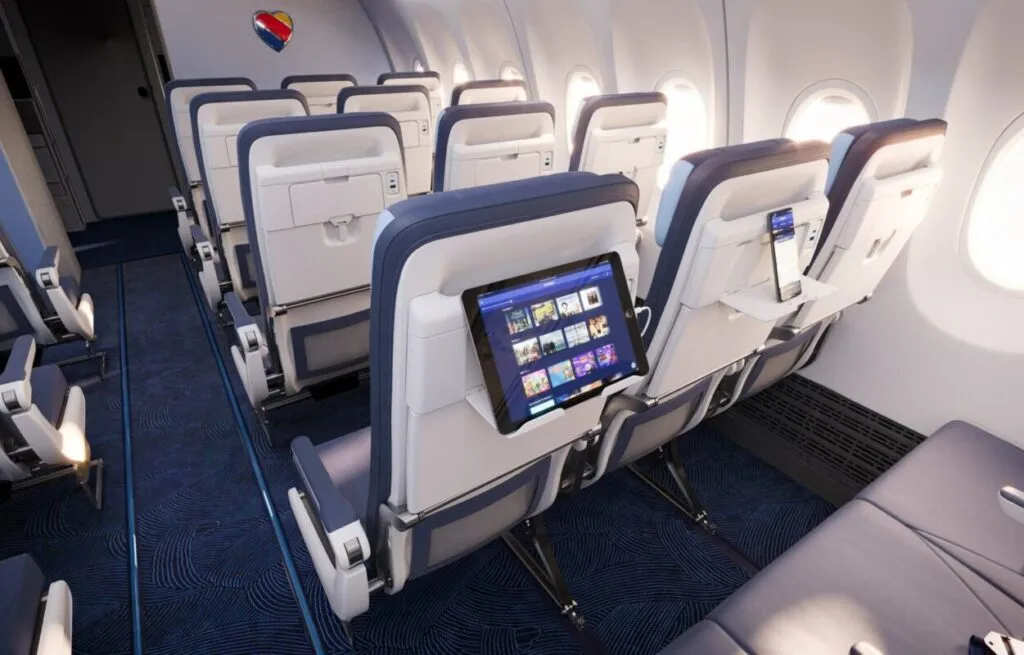
The focus on "product enhancement" is intrinsically linked to digital transformation. Southwest is investing heavily in its mobile application, website interface, and booking systems. The goal is to provide a seamless, personalized experience that allows for more effective "upselling" during the booking process.
Future Outlook: Navigating the Next Horizon
As Southwest moves into the second half of the fiscal year, the challenges remain significant. The aviation sector is currently grappling with supply chain disruptions—specifically regarding aircraft deliveries from manufacturers—and a tight labor market that continues to put upward pressure on wages.
However, the foundation laid by the second quarter’s performance provides a buffer. The company’s focus on "earnings potential" suggests that Southwest is prepared to sacrifice volume if it means protecting profitability. For the investor, this indicates a more disciplined approach to capital expenditure. For the traveler, it signals a more refined, albeit potentially more expensive, flying experience.
Southwest Airlines stands at a crossroads. By leaning into its strengths—its legendary culture, its robust network, and its newly minted commitment to operational optimization—it is positioning itself to be more than just a domestic carrier. It is aiming to be a high-performance, resilient enterprise capable of thriving in an era where the only constant is change.
As the industry watches, the success of this strategy will be measured not just in quarterly revenue, but in the ability to maintain customer loyalty while navigating the complexities of an evolving global travel market. The "Southwest way" is evolving, and the results of this evolution will likely set the tone for the airline industry for years to come.
