


By Dan Zukowski | July 31, 2026
The landscape of American urban mobility is undergoing a tectonic shift. In a landmark development for the autonomous vehicle (AV) industry, Zoox—the Amazon-owned subsidiary known for its unique, carriage-style robotaxis—has received official regulatory approval to begin charging passengers for rides in Las Vegas. This milestone, which takes effect next month, marks a critical transition from experimental testing to a functional, revenue-generating commercial service, signaling that the era of the driverless commute is no longer a futuristic aspiration, but a present-day reality.
The Main Facts: A Milestone for Purpose-Built Autonomy
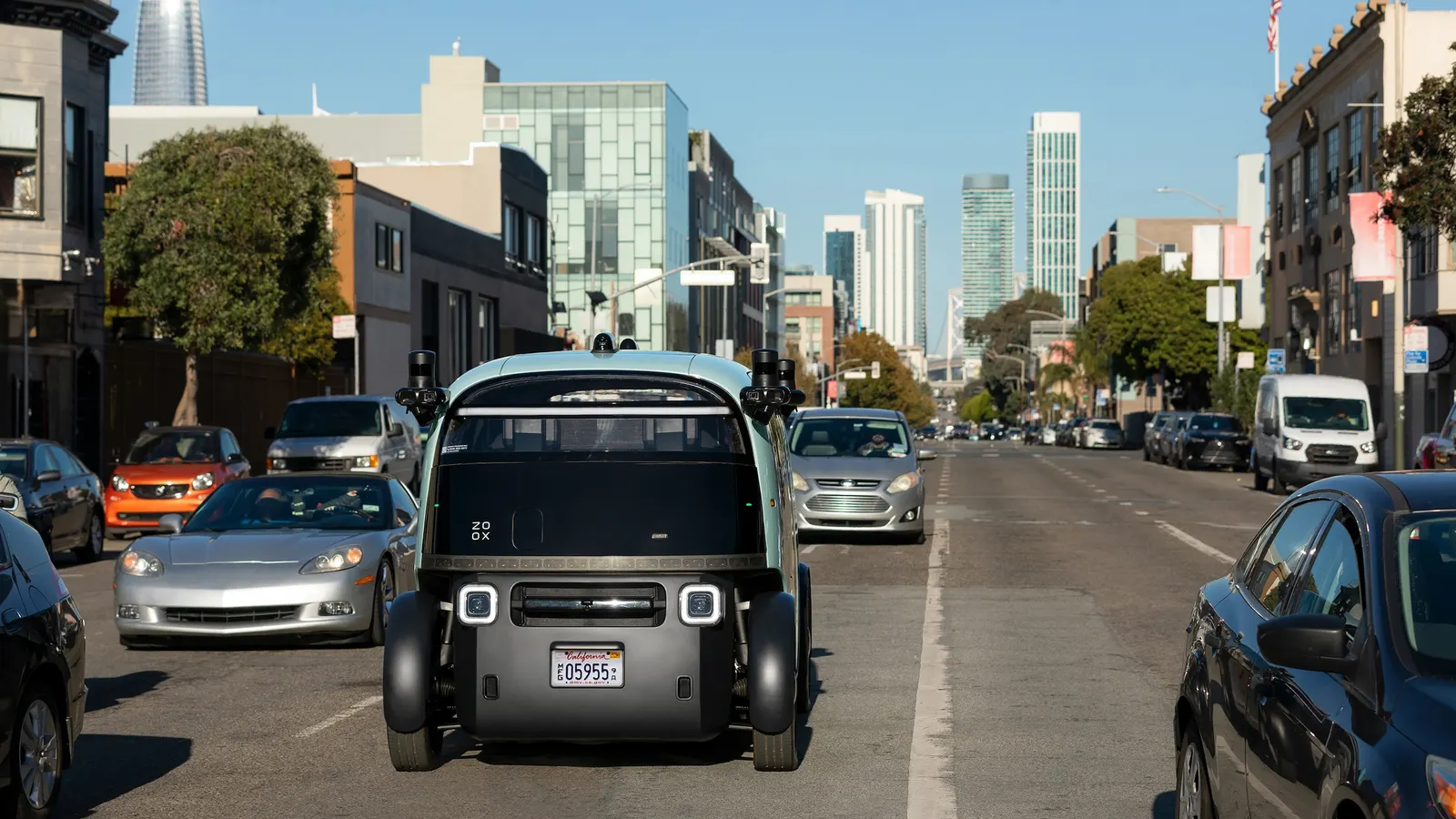
The vehicles slated for the Las Vegas rollout are distinct from the retrofitted sedans often seen in other autonomous fleets. Zoox’s flagship robotaxi is a purpose-built vehicle, designed from the ground up without the traditional human-centric controls that have defined automotive engineering for over a century. There is no steering wheel, no brake pedal, and no accelerator. Instead, the vehicle features a bidirectional cabin design where passengers sit face-to-face, prioritizing utility and comfort over the traditional "driver’s seat" configuration.
By receiving authorization to charge for these services, Zoox has effectively cleared the "innovation hurdle" that has stalled many of its competitors. The transition to a fee-based model in Las Vegas is not merely a logistical step; it is a validation of the company’s safety case and operational maturity in the eyes of regulators.
Chronology: From Concept to Commercialization
The path to this moment has been paved with years of rigorous testing and regulatory navigation.
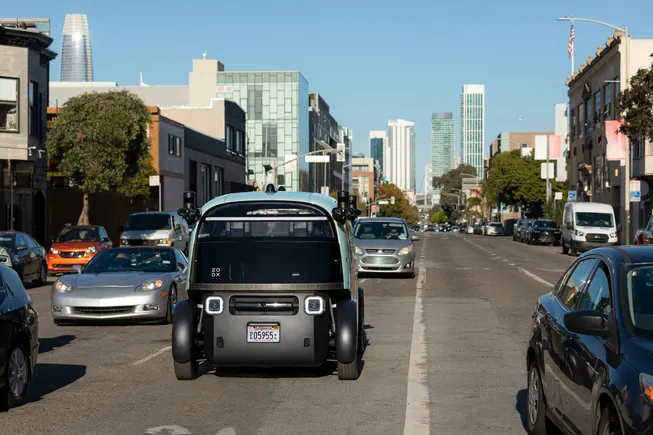
- Early Development: Zoox spent nearly a decade refining its sensing suite—a complex array of LiDAR, radar, and cameras—designed to provide a 360-degree field of view with no blind spots.
- The Amazon Acquisition: The 2020 acquisition by Amazon provided the deep capital reserves necessary to manufacture custom hardware at scale, a feat few startups in the space have achieved.
- Testing Phase: Following initial closed-course trials, Zoox expanded its footprint aggressively. As of March 2026, the company was conducting testing operations in major metropolitan hubs including Atlanta, Dallas, Los Angeles, Phoenix, Seattle, and Washington, D.C.
- Regulatory Breakthrough: Throughout early 2026, the National Highway Traffic Safety Administration (NHTSA) signaled a shift in its stance, aiming to accelerate AV deployment. This culminated in the current approval for Las Vegas operations.
- The Next Chapter: With Las Vegas serving as the primary commercial hub, Zoox has already identified Miami and Austin, Texas, as the next two cities slated for public-facing, revenue-generating operations.
Supporting Data: The Expanding Footprint of Robotaxis
Zoox is not operating in a vacuum. The competitive landscape for autonomous ride-hailing is heating up significantly. Waymo, a leader in the sector, recently launched its own iteration of purpose-built robotaxis last month, intensifying the race for market share in high-density urban environments.
Simultaneously, the entry of Tesla into the fray with its two-seat "Cybercab" adds a layer of manufacturing pressure to the sector. While Tesla has begun production and testing, the timeline for public availability remains opaque, leaving a window of opportunity for companies like Zoox and Waymo to establish "first-mover" advantages in key U.S. cities.
The scale of these operations is immense. By testing in at least nine U.S. cities, Zoox has collected petabytes of edge-case data, refining its neural networks to handle everything from inclement weather in Seattle to the chaotic, high-traffic corridors of Atlanta and Los Angeles.
Official Responses: A New Regulatory Framework
The approval granted to Zoox is part of a broader, more aggressive strategy by the NHTSA to modernize the regulatory environment for AVs. According to NHTSA Administrator Jonathan Morrison, the agency is committed to a "balanced approach" that prioritizes safety while dismantling "unnecessary barriers to innovation."
"By removing unnecessary barriers to innovation, developing industry guidance, and providing strong enforcement oversight while we create performance requirements, NHTSA is taking a balanced approach to AV regulation," Morrison said in a recent press briefing.

The agency’s new policy includes:
- Streamlined Exemptions: A more efficient application process for automakers to temporarily deploy a limited number of vehicles that deviate from traditional safety standards (such as the lack of a steering wheel).
- Consortium Collaboration: Working with industry partners to establish a unified set of national AV safety standards, replacing the current patchwork of state-by-state regulations.
- Administrative Flexibility: Granting the NHTSA administrator the authority to issue temporary exemptions for previously manufactured vehicles, allowing for faster iterative updates to fleet software and hardware.
In response to the news, the leadership at Zoox expressed gratitude for the collaborative spirit of the federal government. "We are grateful to Secretary Sean Duffy, the administration, Administrator Morrison, and the NHTSA for their engagement and their commitment to paving the way for Zoox and our fellow travelers to keep innovating and developing this critical technology here in the U.S.," the company stated in a formal press release.
Implications: The Future of Urban Mobility
The implications of a successful commercial rollout in Las Vegas extend far beyond the convenience of a driverless ride.
Economic and Infrastructure Impacts
The widespread adoption of robotaxis promises to reshape urban infrastructure. With autonomous vehicles capable of "dropping off" passengers and navigating to distant parking zones or continuing to serve other riders, the demand for high-value, city-center parking could plummet. This creates opportunities for urban planners to reclaim concrete parking lots for green spaces, affordable housing, or pedestrian-centric zones.
Safety and Policy
The shift to AVs is fundamentally rooted in the promise of increased safety. According to the Department of Transportation, over 90% of traffic accidents are caused by human error. By removing the human element, Zoox and its competitors are betting that they can drastically reduce collision rates. However, this creates a new policy challenge: how to hold corporations accountable for software failures compared to individual drivers. The NHTSA’s move to create "performance requirements" is the first step in establishing a legal framework for this new reality.

Public Trust and Adoption
The "Las Vegas Model" will be the ultimate litmus test for public trust. If Zoox can demonstrate consistent, accident-free, and affordable service, it could trigger a rapid shift in consumer behavior. However, the technology must overcome public skepticism regarding cybersecurity, data privacy, and the psychological comfort of sitting in a vehicle without a human operator.
The Competitive Dynamics
As Zoox pivots to Miami and Austin, the industry is entering a "scaling phase." Companies are no longer competing just on the ability to drive; they are competing on the ability to manage fleets, optimize pricing models, and integrate into existing public transit ecosystems. The partnership between Amazon and Zoox suggests that these vehicles may eventually serve as the final link in an integrated logistics chain, moving both people and e-commerce packages in the same, highly efficient autonomous infrastructure.
Conclusion
The decision by the NHTSA to facilitate the deployment of steering-wheel-free vehicles is a watershed moment for the 21st century. By sanctioning the commercial operation of Zoox in Las Vegas, the federal government has signaled that the safety standards of the past are evolving to accommodate the technology of the future.
As we look toward the remainder of 2026, the eyes of the automotive and tech worlds will be fixed on the streets of Las Vegas. Whether this leads to a safer, more efficient urban future or presents unforeseen challenges will depend on the real-world performance of these autonomous machines. One thing is certain: the driver’s seat is becoming an artifact of the past, and for millions of commuters, the future is arriving—one autonomous mile at a time.
