





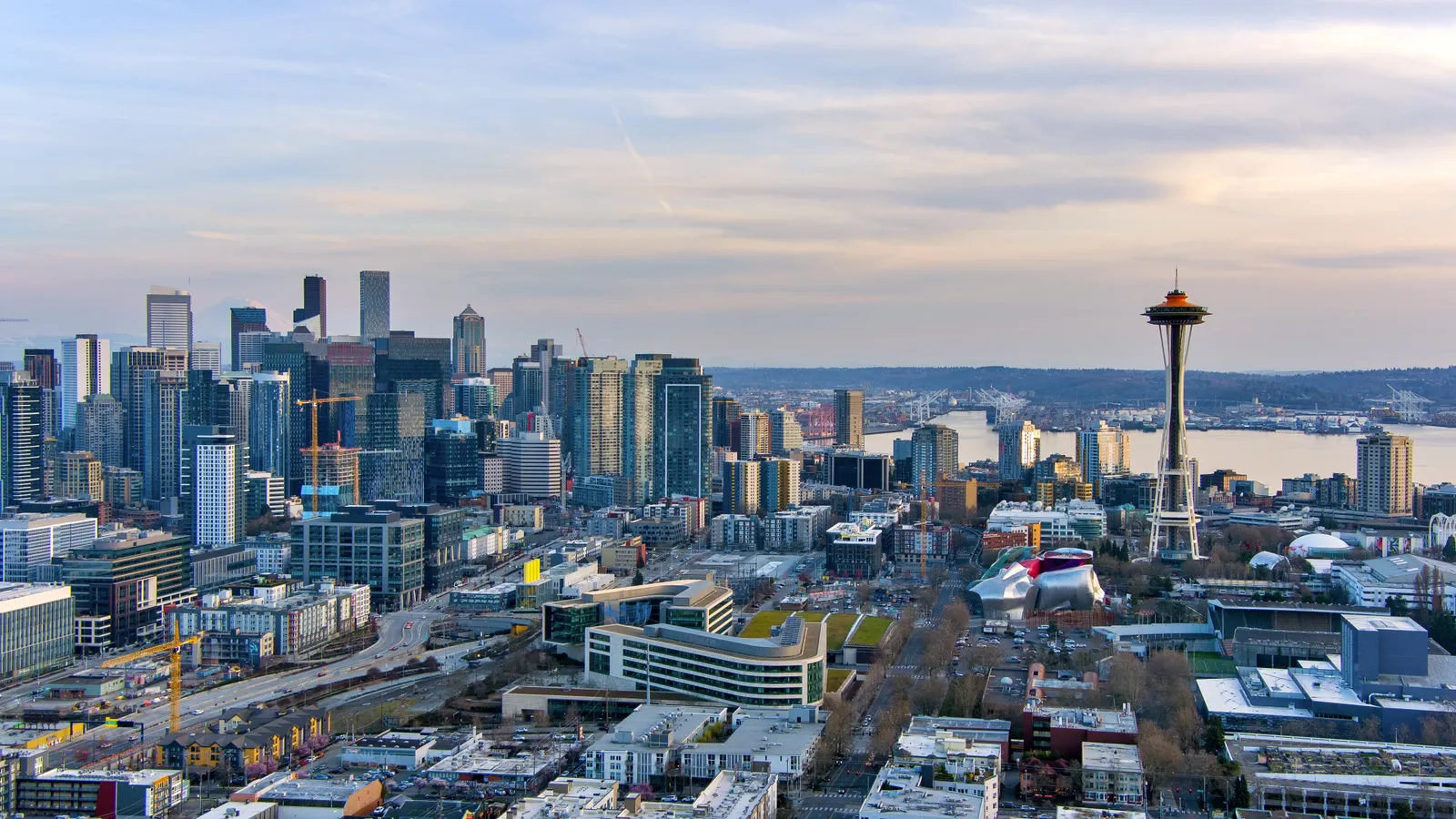
As urban centers across the United States grapple with the dual pressures of soaring housing costs and climate-conscious development, Seattle stands as a prominent case study in the friction between environmental protection and the urgent need for residential expansion. While the city government has moved to overhaul outdated zoning ordinances, a recurring hurdle has emerged: the State Environmental Policy Act (SEPA) appeal process.
For proponents of the city’s recent growth plans, these legal challenges represent a systemic barrier that forces critical infrastructure into a state of suspended animation. Conversely, critics of current development patterns argue that rigorous environmental scrutiny remains a necessary safeguard against unchecked urban densification. As the city navigates this complex landscape, the resulting delays are proving costly, both in terms of housing supply and long-term affordability.
Main Facts: The Intersection of Policy and Litigation
At the heart of the current conflict is the city’s attempt to modernize its Comprehensive Plan—a foundational document that dictates the scale, location, and density of future housing development. Mayor Bruce Harrell’s administration has championed these zoning reforms as essential tools to alleviate the city’s housing affordability crisis. However, these initiatives have faced significant headwinds.
The primary point of contention involves the State Environmental Policy Act (SEPA), a Washington state mandate that requires public agencies to identify and evaluate environmental impacts before approving major developments or policy shifts. While the spirit of the law is to ensure sustainable growth, the practical application in Seattle has allowed for administrative appeals that can pause development for months or even years.
According to data from the Seattle Department of Construction and Inspections (SDCI), these appeals are not merely administrative formalities; they are structural bottlenecks. The process, while intended to provide transparency and accountability, has become a frequent venue for project opponents to delay, complicate, or entirely derail new residential construction.
Chronology: A Timeline of Stalled Ambition
The path to the current stalemate is marked by years of legislative effort followed by recurring legal setbacks.
- 2016–2023: The Pre-Reform Era. During this period, the city navigated a series of localized housing debates, with the SDCI tracking administrative appeals to better understand the impact of SEPA on project timelines. Data collected during this decade showed that, while appeals were frequent, they rarely resulted in significant changes to the projects being challenged.
- Early 2024: The Push for Reform. Mayor Bruce Harrell introduced a series of aggressive zoning reforms designed to allow for higher density in historically single-family neighborhoods. The goal was to increase the housing stock significantly to meet the demands of a growing population and rising rental costs.
- Mid-2024: The Legal Wall. As the city moved to finalize these zoning changes, a series of legal challenges—rooted in SEPA compliance—were filed. These appeals forced the city’s growth plans into the appellate court system.
- Late 2024 to Present: The Judicial Queue. The zoning reforms remain "in the wings," awaiting court decisions. Every month that passes in the legal system is a month where shovel-ready projects are shelved, and the gap between housing supply and demand continues to widen.
Supporting Data: Analyzing the Efficiency of Appeals
To understand the scope of the problem, one must look at the empirical evidence provided by the SDCI. The department’s analysis of 28 administrative appeals cases between 2016 and 2026 offers a sobering perspective on the efficiency of the current review process.
The Low Success Rate of Appeals
Data shows that out of the 28 cases analyzed, only three resulted in a "remand"—a scenario where the city was forced to return to the drawing board to address specific environmental deficiencies. This means that in roughly 89% of cases, the appeals did not result in a significant finding of error that required a change in project design.
The Cost of Delay
Even when appeals are ultimately unsuccessful, they exact a heavy toll. In 19 of the 28 cases, the appeal was either dismissed or withdrawn before it reached a final resolution. Yet, during the time these appeals were active, the projects involved were effectively frozen. According to the SDCI, the SEPA appeal process can add up to 12 months to a project’s timeline. In the real estate industry, a 12-month delay can mean the difference between a project’s financial viability and its total collapse due to rising interest rates, labor costs, and material inflation.
The Correlation to Housing Costs
The data implies a direct link between the duration of the review process and the final price of the housing produced. When developers face a year-long delay due to an appeal, those holding costs are passed directly to the end-user—the renter or the homebuyer—contributing to the affordability crisis that the city is ostensibly trying to solve.
Official Responses: The Philosophy of Development
The debate over these delays has polarized local leadership, highlighting a fundamental disagreement over what constitutes "environmental protection."
Councilmember Dionne Foster has emerged as a vocal critic of the current appeal mechanism, arguing that the status quo is counterproductive to the city’s broader environmental goals. In a statement released on July 28, Foster framed the issue as an ecological paradox.
"Building housing in Seattle is one of the most effective ways to combat climate change," Foster stated. "When we block housing in our city, we contribute to harmful sprawl and the negative environmental impacts that we all want to protect against."
Foster’s argument relies on the concept of "smart growth." By increasing density within existing city limits, the city can reduce the need for longer commutes, preserve peripheral green spaces, and lower the carbon footprint of its residents. From this viewpoint, the SEPA appeals—often championed by neighborhood groups under the banner of environmentalism—are actually fueling the very sprawl that degrades the regional ecosystem.
On the other side of the aisle, some advocates for the current process maintain that environmental review is the only check against "developer-led" urban planning. They argue that without the ability to appeal, the city might sacrifice livability, tree canopy, and infrastructure capacity in the rush to hit housing targets.
Implications: The Future of Seattle’s Growth
The consequences of this impasse extend far beyond the construction sector. If Seattle fails to streamline its development process, the city risks several long-term structural outcomes.
The Economic Impact
A city that cannot build is a city that cannot compete. As housing becomes increasingly unaffordable, Seattle risks an exodus of the middle class and the essential workers who support the city’s economy. The current legal climate discourages developers from proposing projects in areas likely to face litigation, effectively creating "no-build zones" that further restrict supply.
The Social and Equity Implications
Housing scarcity is rarely distributed evenly. When projects are stalled, the most vulnerable populations often suffer the most. The inability to add housing density in high-opportunity neighborhoods forces low-income residents into areas with fewer amenities, longer commutes, and less access to public transit.
The Regulatory Evolution
The situation in Seattle is forcing a broader conversation about the future of the State Environmental Policy Act. Policymakers are now considering whether the state needs to legislate a "fast-track" for housing projects that meet certain density and sustainability criteria. If the current trend continues, there will likely be mounting pressure at the state level to amend SEPA to prevent it from being used as a tool for "not-in-my-backyard" (NIMBY) obstructionism.
The "Sprawl" Paradox
Perhaps the most significant implication is the environmental impact itself. If Seattle cannot accommodate its population within its current boundaries, the pressure will inevitably shift to the suburbs and rural fringe. This "sprawl-by-necessity" model leads to increased vehicle miles traveled (VMT), more pavement, and the destruction of rural habitats—results that are arguably worse for the climate than the densification of an existing urban neighborhood.
Conclusion
The standoff in Seattle is a microcosm of a nationwide struggle to balance the regulatory apparatus of the 20th century with the urgent needs of the 21st. The data provided by the SDCI is clear: the current iteration of the SEPA appeal process is frequently inefficient, costly, and ultimately counterproductive to the city’s own housing and climate objectives.
As the city awaits the outcome of the pending court cases, the path forward remains uncertain. Whether through legislative reform, judicial clarity, or a shift in public perception, Seattle must find a way to reconcile the necessity of environmental oversight with the fundamental requirement of building enough homes for its citizens. Until that balance is struck, the city’s housing goals will remain, like its zoning reforms, waiting in the wings.
