





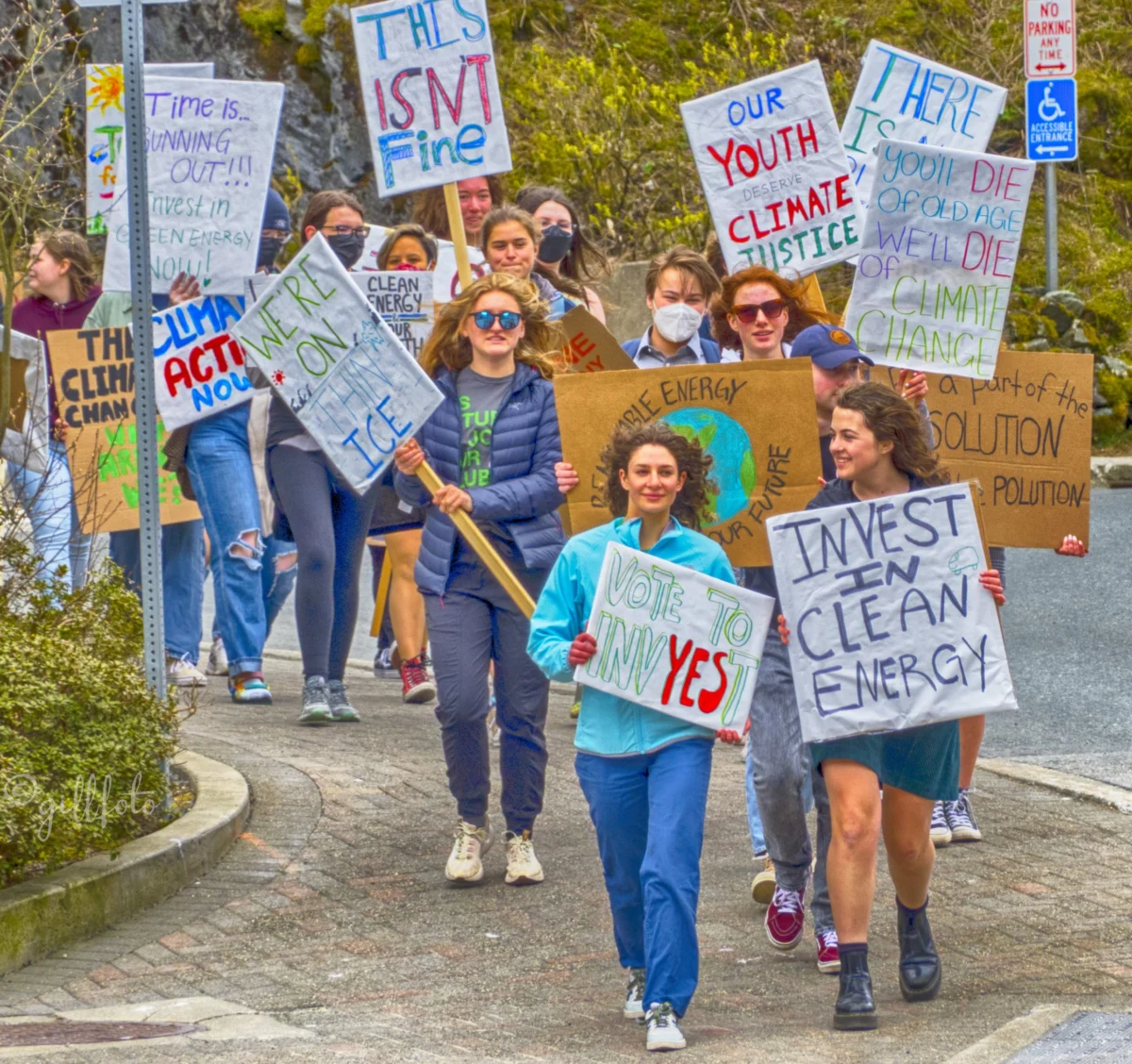
In a landmark assessment released this week, the United Nations has issued a clarion call for a fundamental paradigm shift in how global powers approach environmental policy. The report, co-authored by the UN Environment Programme (UNEP) and the Climate and Clean Air Coalition (CCAC), posits that air pollution and climate change are not separate challenges to be managed in isolation, but rather twin symptoms of the same systemic reliance on fossil fuels, inefficient industrial processes, and unsustainable agricultural practices.
The findings offer a compelling economic and humanitarian roadmap: by integrating climate and clean-air policies, nations can achieve a staggering 15-to-one return on investment. This unified approach, according to the UN, is not merely an environmental imperative but a cornerstone for future economic stability and global public health.
The Economic and Scientific Case for Convergence
A Synergistic Approach to Policy
For decades, the global community has largely siloed environmental efforts. Climate mitigation, centered on decarbonization, has often been treated as an expensive burden on national budgets, while air quality management has been relegated to local public health initiatives. The UNEP/CCAC report argues that this dichotomy is artificial and economically illiterate.
Because both climate change and air pollution share common drivers—most notably the combustion of fossil fuels—the interventions required to solve one naturally bolster the other. The report outlines 25 specific measures, ranging from the adoption of renewable energy and low-sulfur shipping fuels to the implementation of stringent vehicle emission standards and clean-energy solutions for domestic heating and cooking.
The 15-to-One Dividend
Perhaps the most striking figure in the report is the projected economic benefit. For every dollar invested in these coordinated measures, the global economy stands to gain approximately $15. This calculation accounts for the reduction in healthcare costs, increased labor productivity, and the avoidance of catastrophic climate-related damages.
"For too long, we have treated climate action as a cost to be managed and air pollution as the unfortunate outcome of development," stated Inger Andersen, Executive Director of UNEP. "This report shows the opposite: clean air is a key driver of development, and climate stability is an asset we must invest in."
Chronology of Environmental Advocacy and Policy Evolution
The journey toward this integrated policy framework has been marked by a series of escalating warnings and incremental shifts in global diplomacy.
- February 2026: Tensions regarding the supply chain for green energy rise as reports surface of illegal mining and geopolitical instability in resource-rich regions, prompting a focus on the ethical implications of the energy transition.
- March 2026: The UN formally urges the global community to adhere to international norms for the extraction and processing of critical minerals, acknowledging the environmental and social risks inherent in the green technology boom.
- June 2026: In a series of urgent warnings, the UN highlights the existential threat posed by a rapidly changing ocean and calls upon nations to accelerate their climate commitments, noting that the status quo is placing the future of humanity at risk.
- August 2026: International human rights organizations, including Amnesty International, classify global extreme heat as a "human rights emergency," underscoring the lethal nature of rising temperatures.
- September 2026: The UNEP and CCAC release their definitive report, providing a data-driven basis for the merger of clean-air and climate-mitigation agendas.
Supporting Data: The Human Cost of Inaction
The report provides a grim inventory of the health impacts linked to current environmental failures. In 2025 alone, human-caused outdoor air pollution was the primary driver behind 6.4 million premature deaths worldwide. The scale of the suffering is immense, with the report linking air quality directly to:
- 5.5 million new cases of childhood asthma: Representing a generational health crisis that will burden healthcare systems for decades.
- 2 million cases of dementia: Highlighting the neurological impacts of fine particulate matter.
- Widespread morbidity: Including increased incidence of strokes, lung cancer, and chronic pulmonary disease.
These figures illustrate that air pollution is not merely an environmental concern—it is a leading global health crisis. When combined with the projected benefits of the 25 recommended measures, the report estimates that implementation would allow the world to halve carbon dioxide emissions and prevent approximately 0.34 degrees Celsius of global warming by 2050.
Official Responses and Perspectives
The Financial Perspective
Elliott Harris, the independent co-chair of the assessment, emphasized that the report is designed to disrupt the current inertia in finance ministries. He argues that in any other sector, a project offering a 15-to-one return on investment would see an immediate influx of capital. The failure to attract this investment into clean-air policies is, according to Harris, a failure of perception and policy alignment.
Overcoming Structural Barriers
Despite the clear benefits, the report identifies significant obstacles to implementation. "Fragmented decision-making" and "weak government coordination" are cited as the primary reasons for the current delay in adopting these reforms. Many governments continue to treat air quality and climate change as disparate issues handled by different ministries, which often leads to contradictory policies and diluted outcomes.
The UN is now pushing for:
- Integrated Environmental and Economic Planning: Ensuring that ministries of finance and environment work in tandem.
- Alignment of Public and Private Finance: Creating fiscal incentives that mirror the long-term benefits of clean-air technology.
Implications for the Future
The Mineral Paradox
While the transition to renewable energy—such as wind turbines, solar arrays, and electric vehicles—is the backbone of the proposed strategy, it introduces a new set of complications. The extraction of critical minerals required for these technologies has led to significant social and environmental controversies. The UN’s intervention in March 2026 regarding the ethical extraction of these minerals underscores that the green transition must be "just." If the shift to clean energy relies on human rights abuses or local ecological destruction, it fails to meet the long-term goals of a sustainable society.
A New Strategic Mandate
The implications of the September 2026 report are clear: the era of "single-issue" environmental policy must end. The dual-track strategy of addressing air quality and climate change simultaneously offers a pathway that is more efficient, more profitable, and significantly more humanitarian.
As extreme weather events become more frequent and the health impacts of pollution become harder to ignore, the UN’s call for integrated action provides a pragmatic, evidence-based path forward. Whether nations have the political will to overcome the bureaucratic fragmentation of their own administrations remains the central question of this decade. If the $15-to-one return on investment is realized, it may well prove to be the most significant economic opportunity of the 21st century.
For policymakers, the mandate is clear: clean air is not just a byproduct of good climate policy; it is the catalyst for the economic and social stability of the future. The roadmap is set; the challenge now lies in the execution.
