





Introduction: A Sanctuary Above the Clouds
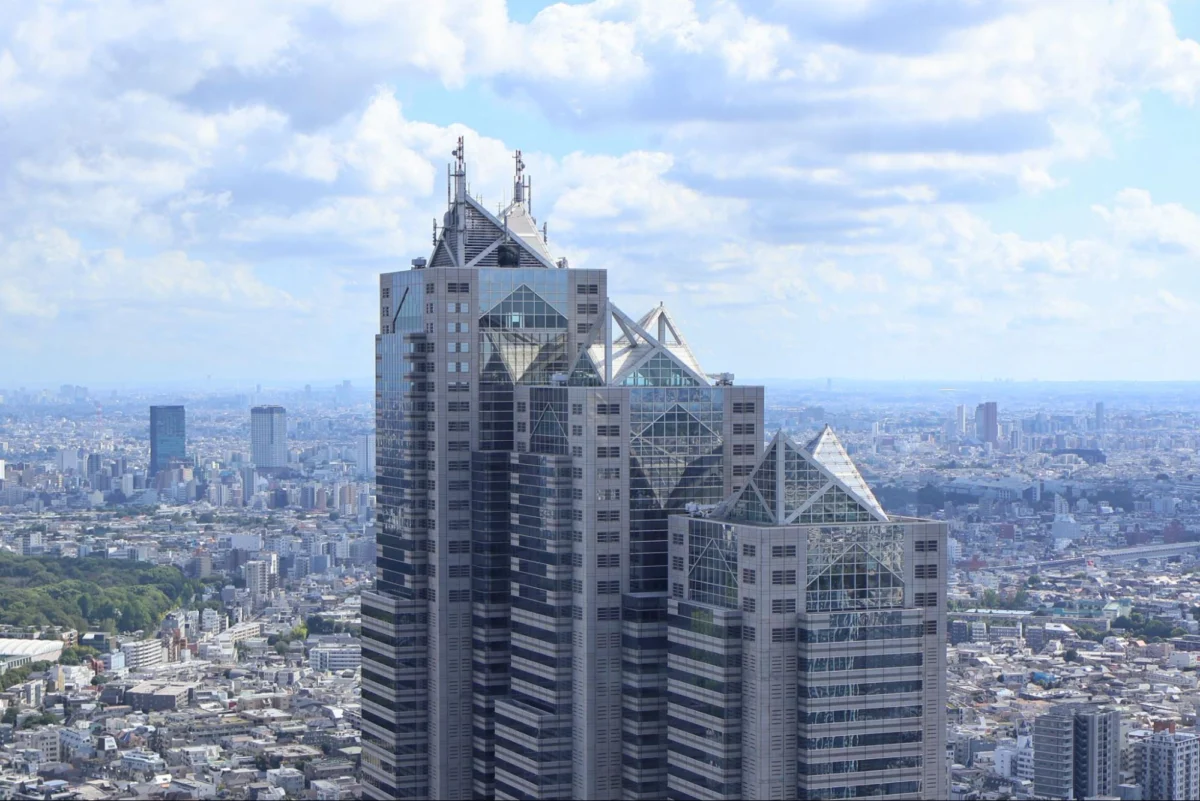
For over three decades, the Park Hyatt Tokyo has served as more than just a luxury hotel; it has been a cultural landmark, a cinematic icon, and a deeply personal sanctuary for thousands of travelers. When the hotel first opened its doors in 1994, it redefined the concept of "hospitality" in the heart of Shinjuku, transforming the top floors of the Shinjuku Park Tower into a sophisticated, cloud-piercing retreat.
For many, including long-term guests who recall their first tentative booking—perhaps back in the early internet era of 2008—the hotel represented a rite of passage. It was a destination that felt like a dare to one’s bank account, yet delivered an experience so profound that it fostered a lifelong loyalty. As the hotel enters its next chapter of transformation, we examine the legacy of a property that fundamentally altered the landscape of global luxury travel.
Chronology: From Architectural Marvel to Global Icon
The Genesis (1994)
Designed by the legendary architect Kenzo Tange, the Shinjuku Park Tower was already a marvel of modern engineering when the Park Hyatt Tokyo occupied its upper levels. The vision was clear: to create an "urban residence" that felt removed from the frantic, neon-soaked energy of Tokyo below.
The Cinematic Immortality (2003)
While the hotel was already a success among the business elite, its status as a global pop-culture phenomenon was cemented by Sofia Coppola’s 2003 masterpiece, Lost in Translation. The film did not merely feature the hotel; it treated the property as a primary character. Bill Murray’s character, Bob Harris, wandering through the New York Bar, became the definitive image of the lonely, sophisticated traveler. The film transformed the hotel from a luxury destination into a pilgrimage site for cinephiles.
The Decades of Distinction (2004–2024)
Throughout the early 21st century, the hotel maintained a rare equilibrium: it stayed current while remaining anchored in its own timeless aesthetic. It became a theater of life for its regulars. For those who visited dozens of times, the hotel ceased to be a place to sleep and became a place to live. Birthdays were celebrated in the suites, friendships were forged over cocktails at the New York Grill, and the staff became familiar faces—the architects of a seamless, anticipatory style of service that is increasingly rare in the modern era.
Supporting Data: The Anatomy of a Luxury Standard
What made the Park Hyatt Tokyo stand out in a market saturated with high-end competitors? The answer lies in the intersection of sensory experience and operational excellence.
Sensory Architecture
The hotel was built on the premise of sensory nuance. Regulars speak of the "faint wind" that travels through the elevators, a subtle reminder of the building’s immense height. They recall the specific, haunting sound of black Japanese crows cawing in the thermal updrafts outside the 47th-floor windows. These are not flaws; they are the textures of a living, breathing monument.
Data on Guest Retention
While private, industry analysts suggest that the Park Hyatt Tokyo maintained one of the highest "Return Guest Ratios" in the Hyatt portfolio. This data is not merely a reflection of room quality, but of the depth of the staff-guest relationship.
- Anticipatory Service: Staff members often tracked guest preferences down to the specific side of the building—often requesting rooms that offered the clearest winter views of Mount Fuji.
- The "Home" Factor: Frequent travelers reported that the staff at the New York Grill and the Peak Lounge recognized them by name, dietary preference, and even their favorite seating areas, reducing the cognitive load of travel and replacing it with a sense of homecoming.
Official Responses and Strategic Vision
As the hotel moves toward its temporary closure for renovations, Hyatt’s leadership has emphasized a commitment to honoring the property’s DNA. In official communications, the hotel group has noted that the renovation is designed to "refresh and elevate" the experience while preserving the "soul" that made the original design so iconic.
The decision to renovate is largely driven by the need to integrate modern sustainability standards and digital infrastructure into a structure that was built in a pre-smartphone era. However, the management team has been careful to reassure stakeholders that the iconic elements—the high-ceilinged atrium, the specific art installations like the bronzed wristwatch sculpture, and the legendary dining venues—will remain central to the identity of the property.
Implications: The Evolution of Luxury Hospitality
The closure and subsequent rebirth of the Park Hyatt Tokyo raise significant questions about the future of iconic hotels in a rapidly changing travel ecosystem.
The Challenge of Preservation vs. Modernization
The "Park Hyatt effect" is a delicate balance. If a hotel changes too much, it loses the loyal base that built its reputation. If it changes too little, it risks obsolescence. The renovation of this property will serve as a global case study for how legacy brands can modernize without alienating their core demographic.
The Shift in Traveler Expectations
The luxury traveler of 2024 is vastly different from the traveler of 1994. Today’s guest prioritizes hyper-connectivity, wellness, and local immersion. The Park Hyatt Tokyo must now figure out how to incorporate these modern demands into an architectural framework that was designed for privacy and isolation. Can a hotel known for its "haven-like" solitude adapt to a generation that views travel as a social, hyper-connected experience?
The Human Element
Perhaps the most significant implication is the preservation of the service culture. As hotels move toward automated check-ins and AI-driven concierge services, the Park Hyatt Tokyo’s legacy stands as a reminder that luxury is, at its core, a human interaction. The "anticipatory" service mentioned by decades-long guests is the result of long-tenured staff who understand the rhythm of the building. Maintaining that culture through a renovation period will be the hotel’s greatest challenge.
Conclusion: A Living Legacy
To visit the Park Hyatt Tokyo is to engage with a history of moments—a quiet drink at the New York Bar while the city lights twinkle like embers below, a morning glance at the snow-capped peak of Fuji, or the feeling of being known in a city of millions.
As the hotel prepares for its transition, it reminds us that hotels are more than the sum of their room rates and interior design. They are repositories for our personal histories. The Park Hyatt Tokyo succeeded because it allowed its guests to write their own stories within its walls. Whether it was the first time a guest nervously clicked "confirm" on a booking, or the fiftieth time they walked through the lobby as if returning to their own living room, the hotel proved that true luxury is not just about comfort—it is about belonging.
As the industry watches the transformation of this Tokyo landmark, the hope remains that the winds blowing through its elevators and the crows circling its peaks will continue to tell the same story: that even in a world of constant change, there are places that wait for us, unchanged in spirit, ready to welcome us home.
