





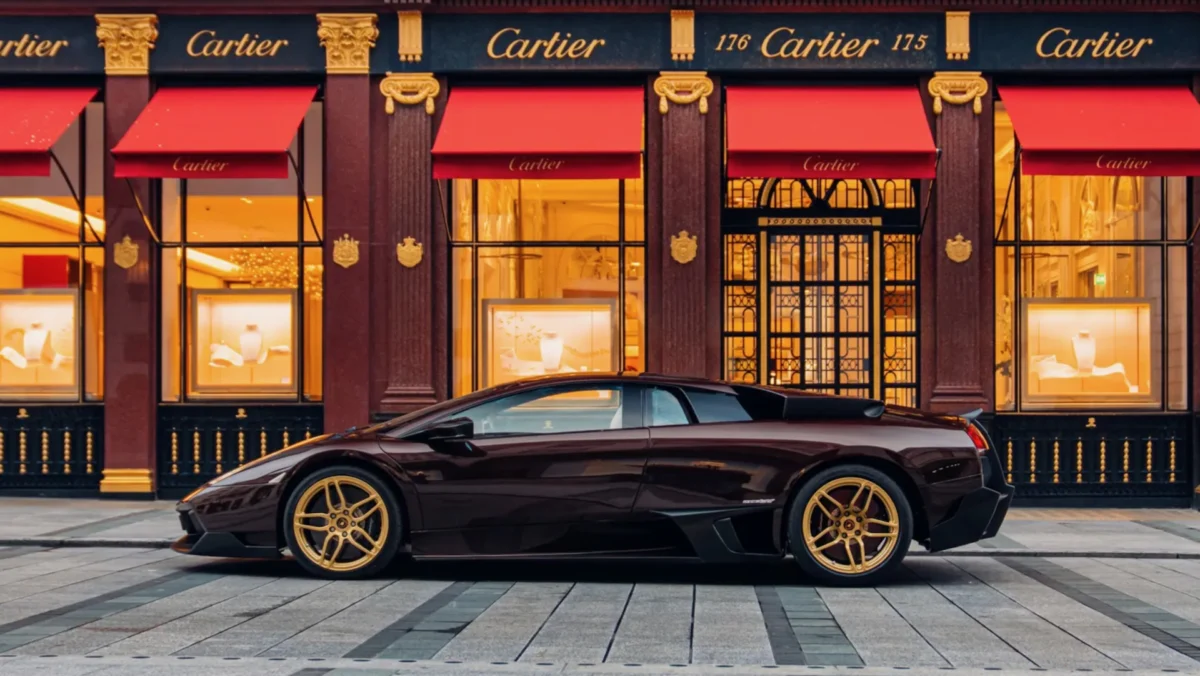
In the pantheon of automotive legends, few names command the same visceral reaction as the Lamborghini Murciélago. When it arrived in 2002, it was not merely a new car; it was a watershed moment that signaled the final transition of the Raging Bull from a boutique, independent Italian supercar maker into a sophisticated, high-performance powerhouse under the stewardship of the Volkswagen Group. Now, a singular, historically significant piece of that transition is set to cross the auction block at RM Sotheby’s: a 2010 Lamborghini Murciélago LP 670-4 Superveloce.
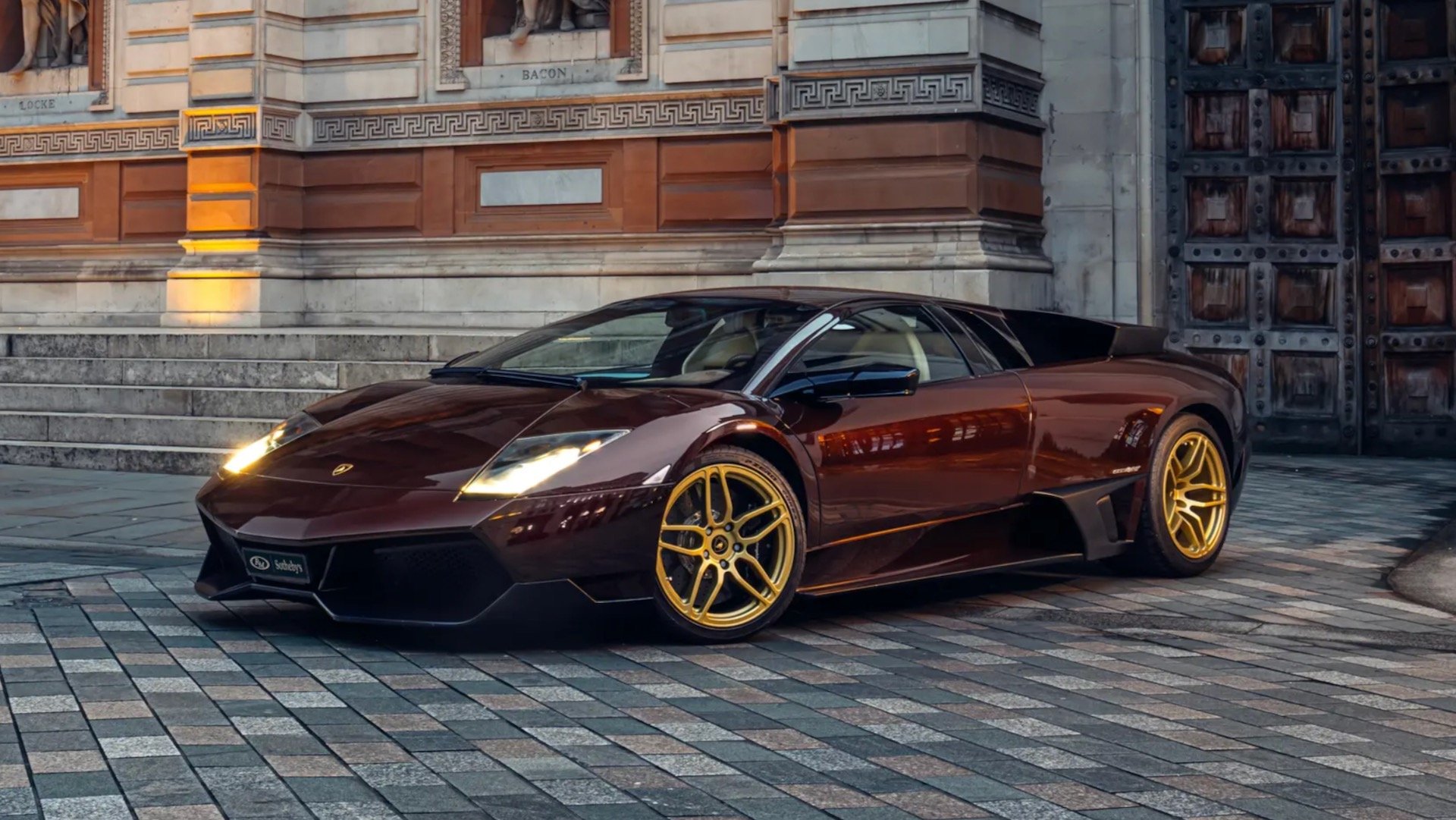
This is not simply another high-performance collector car. According to the auction documentation, this specific vehicle is one of only five LP 670-4 SV models ever produced with a traditional six-speed gated manual transmission. More poignantly, it is believed to be the final manual-transmission V12 Lamborghini ever built, marking the closing of a chapter that stretched back to the Miura and the Countach.
The Genesis of a Legend: The Murciélago’s Place in History
To understand the significance of this specific SV, one must understand the environment into which the Murciélago was born. By the turn of the millennium, Lamborghini was struggling under the weight of its own heritage and financial instability. When Audi—a subsidiary of Volkswagen Group—acquired the brand in 1998, there was palpable fear among enthusiasts that the brand’s "mad scientist" DNA would be diluted by German corporate pragmatism.
The Murciélago, designed by Luc Donckerwolke, was the answer to those fears. It retained the aggressive, angular "cab-forward" silhouette that defined Lamborghini, but it brought a new level of build quality, structural rigidity, and engineering focus that the Diablo lacked. It was the last supercar to feature the Bizzarrini-derived V12 engine—a mechanical masterpiece that had served as the heart of the company for decades.
The "LP" in the model designation stands for Longitudinale Posteriore, referring to the engine’s longitudinal orientation. The "670" signifies its output in metric horsepower, while the "4" denotes the permanent all-wheel-drive system that ensured all that power could actually be transferred to the tarmac.
Chronology: From the Diablo to the Hybrid Future
The timeline of the Murciélago is a story of constant refinement.
- 2002: The original Murciélago debuts, replacing the Diablo. It features a 6.2-liter V12 engine producing 571 horsepower.
- 2006: The LP 640-4 update arrives, increasing engine displacement to 6.5 liters and boosting power to 631 hp.
- 2010: The swan song of the model line, the LP 670-4 Superveloce (SV), is unveiled. It is lighter, faster, and more aggressive than any version before it.
- 2011: Production of the Murciélago ceases. The Aventador replaces it, introducing an automated manual transmission and a clean-sheet engine design.
- 2023-2024: The introduction of the Revuelto, Lamborghini’s first plug-in hybrid supercar, signals the brand’s final move away from pure combustion and traditional manual linkages.
The vehicle appearing at RM Sotheby’s represents the absolute pinnacle of this timeline. It is the bridge between the analog soul of the 20th century and the digital precision of the 21st.
The Anatomy of the 2010 Murciélago LP 670-4 SV
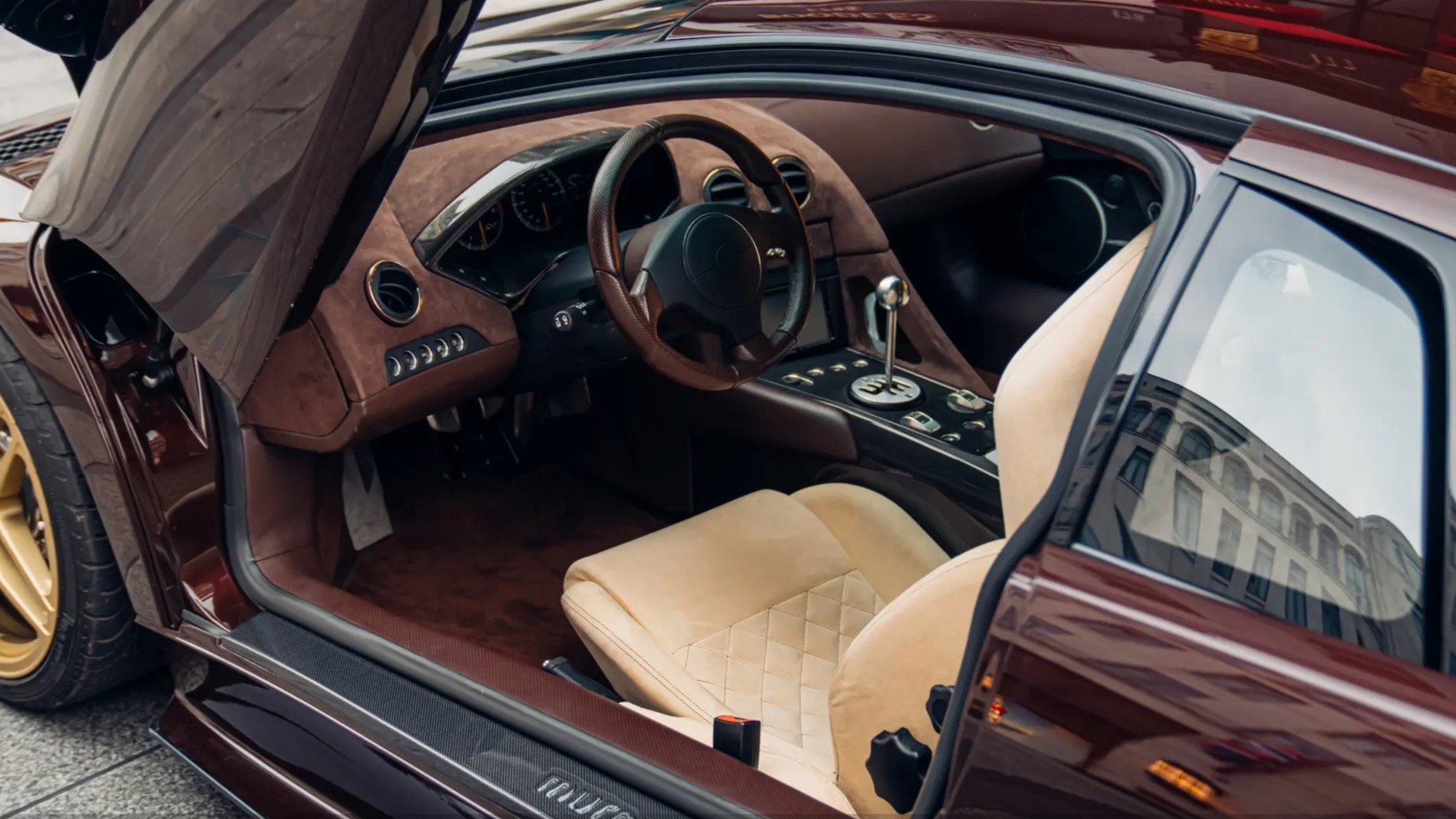
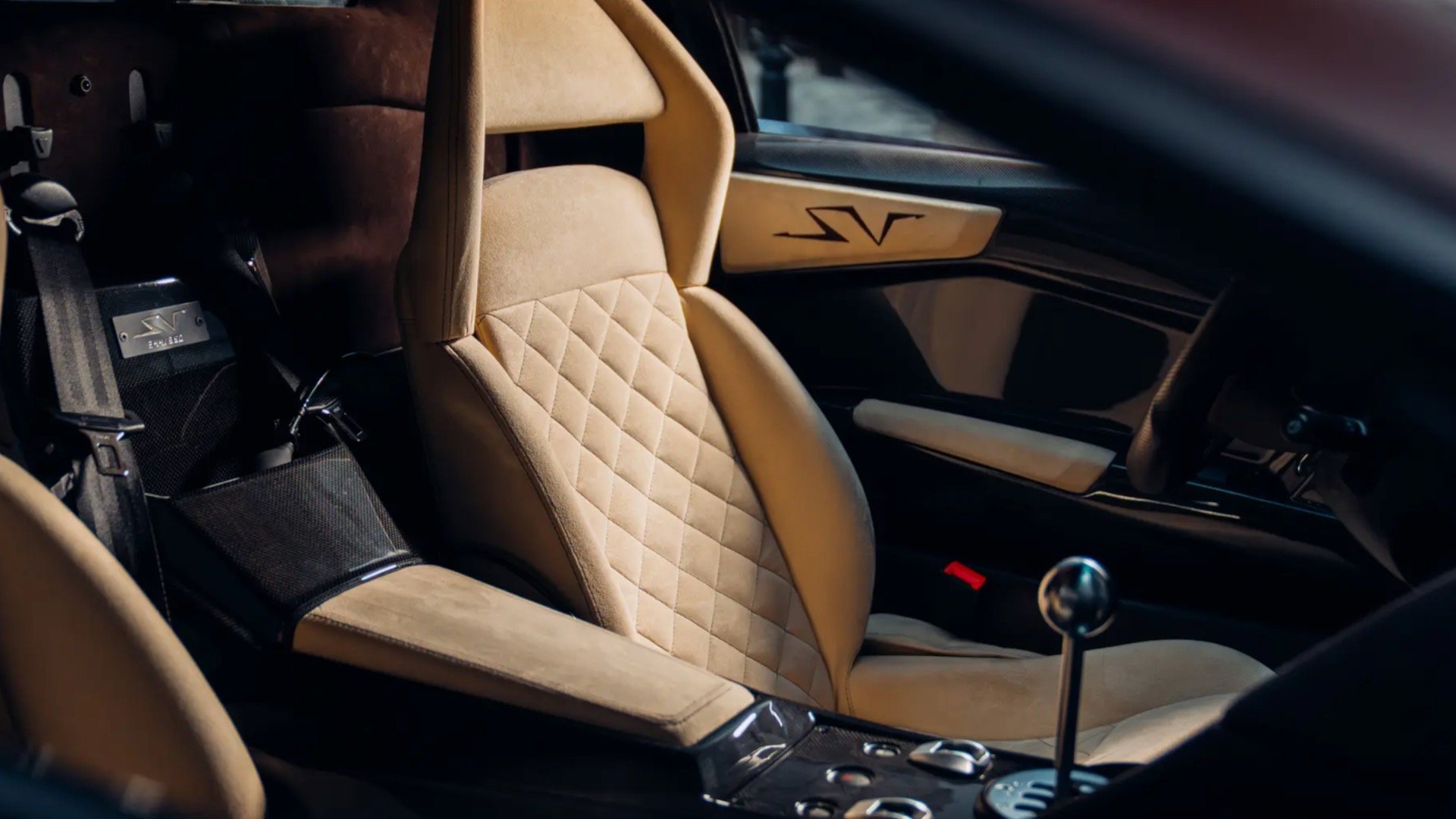
The Superveloce trim was engineered for the track, but this specific unit is defined by its defiance of the industry’s shift toward paddle-shift automatics. While most SV models were equipped with the "E-gear" automated manual system, the choice of a six-speed manual gated shifter makes this car an extreme rarity.
Engineering Mastery
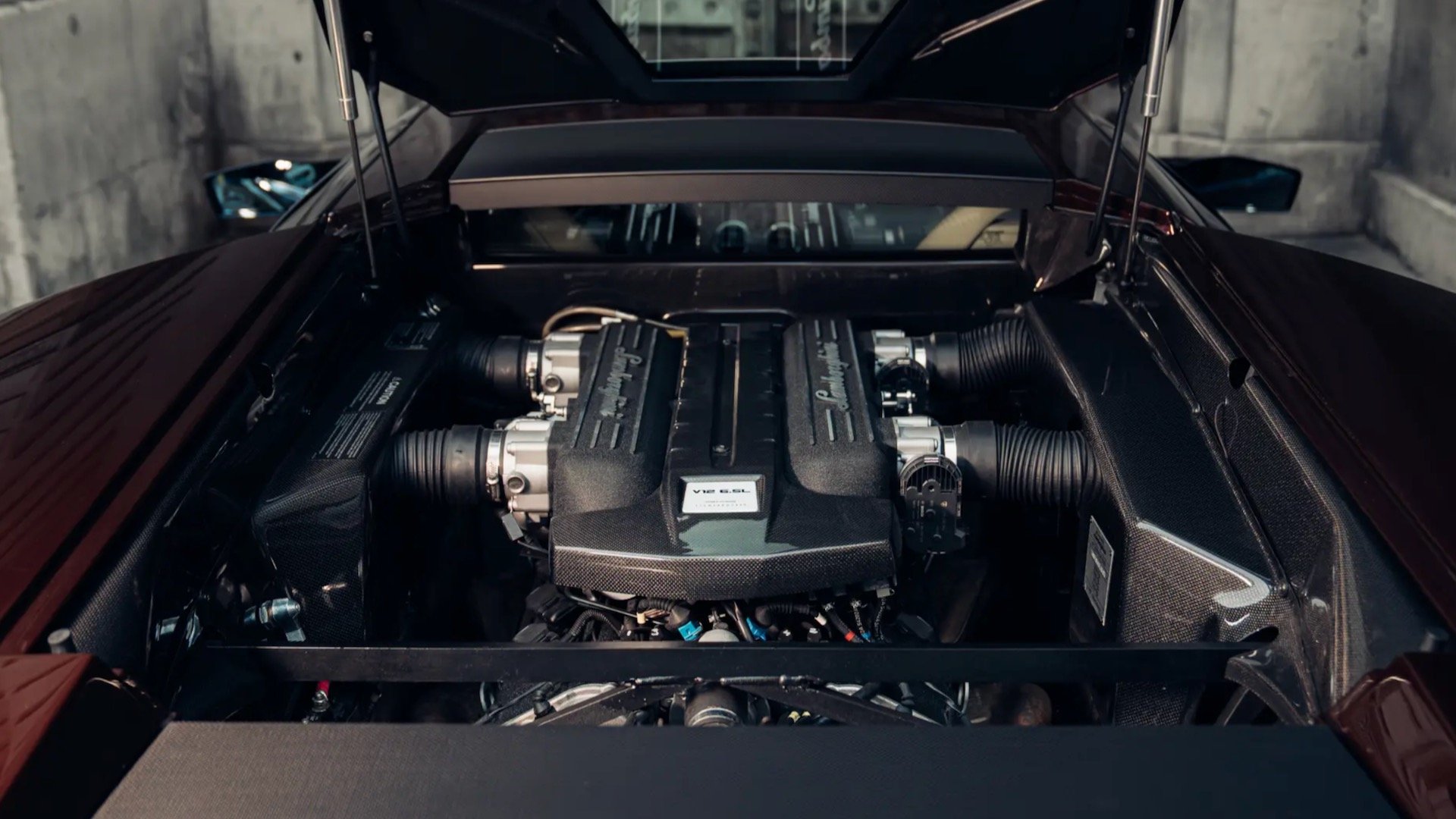
The SV benefited from a comprehensive diet, shedding 220 pounds compared to the standard Murciélago. Engineers achieved this through the extensive use of carbon fiber and a stripped-out interior. The 6.5-liter V12 was massaged to produce 670 metric horsepower, achieved through an improved air intake system, revised valve timing, and a significantly freer-flowing exhaust.
The "Low-Drag" Configuration
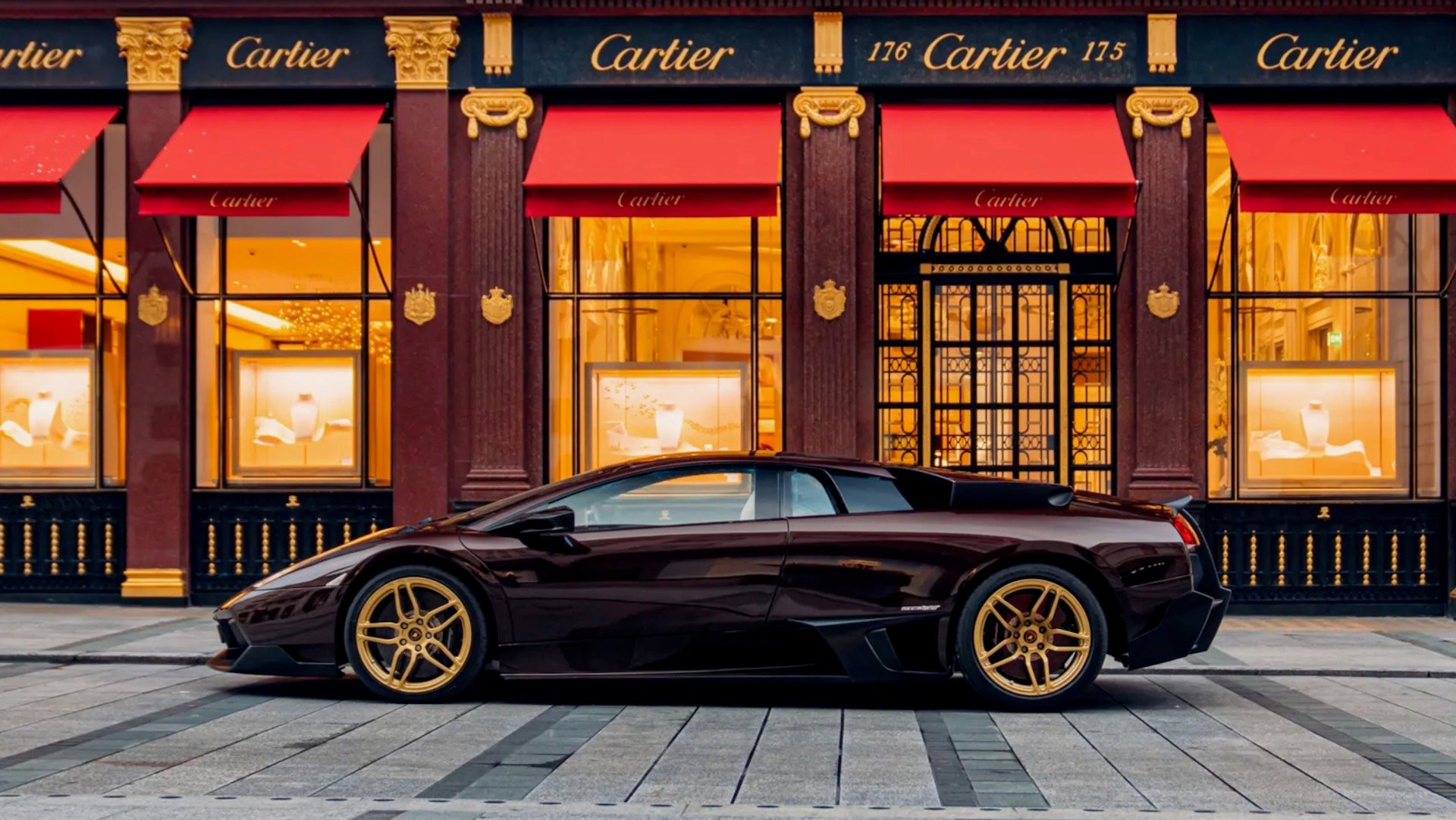
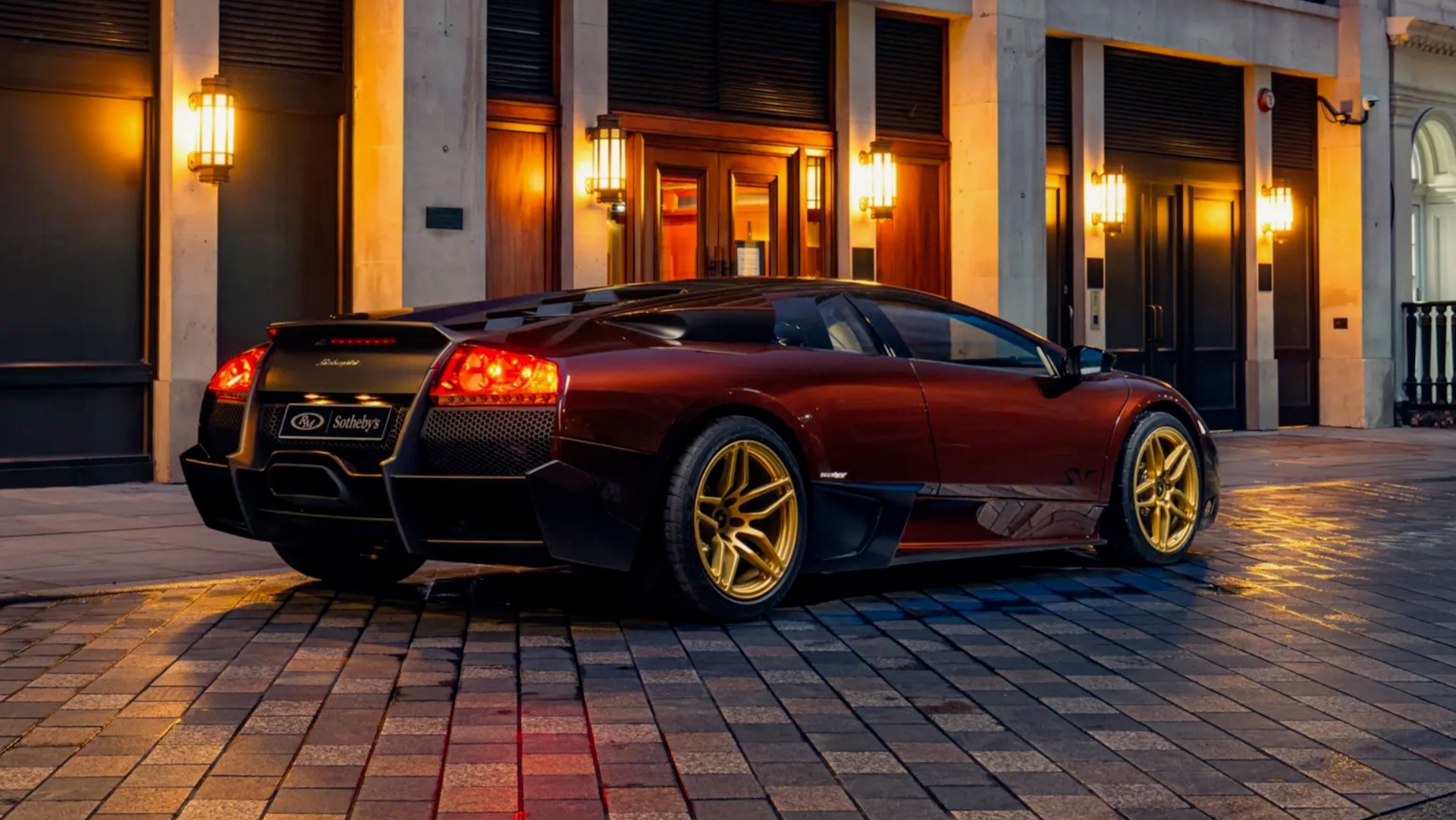
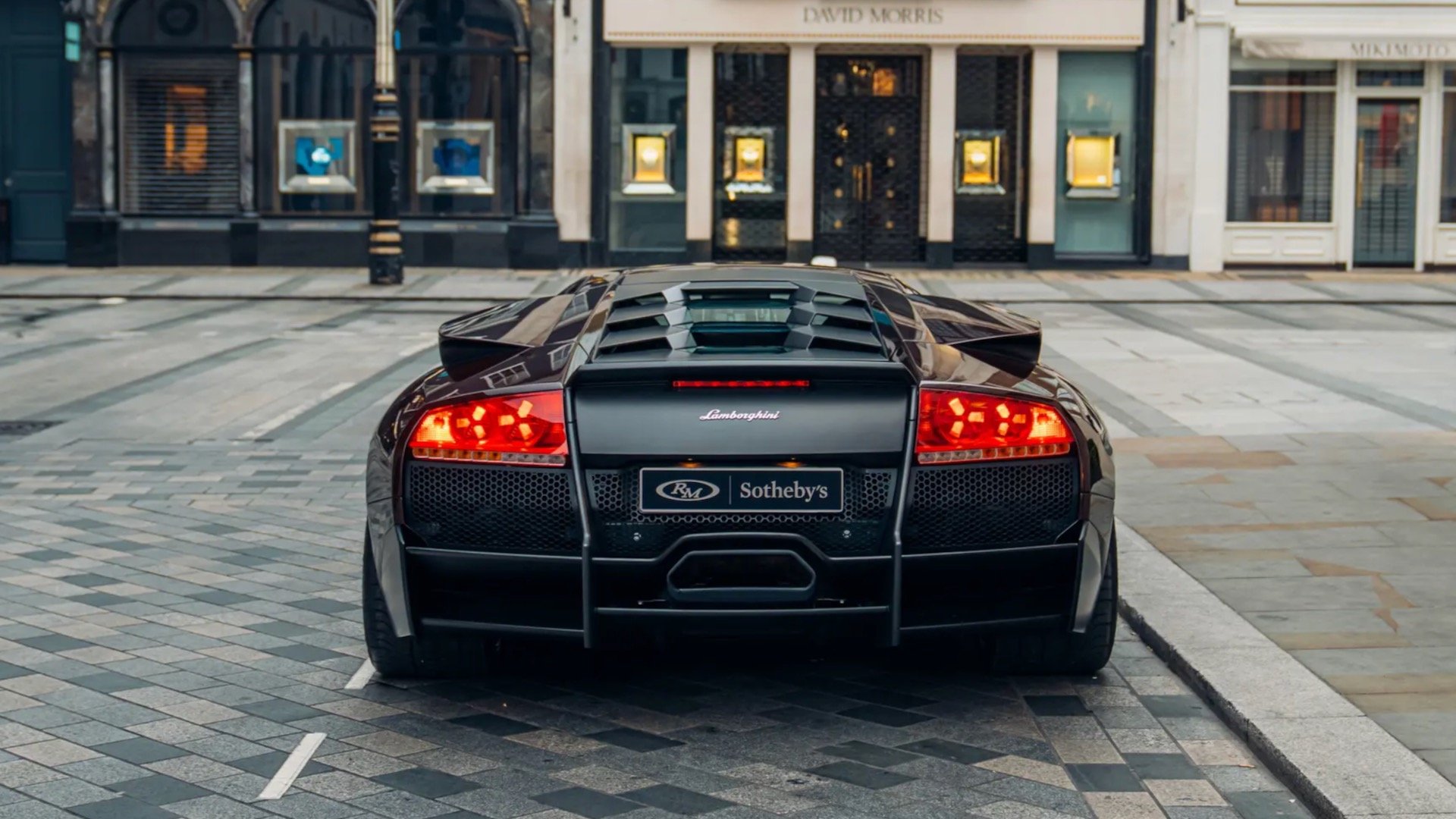
One of the most intriguing aspects of this particular car is its aerodynamic configuration. While most SVs are immediately recognizable by the massive "Aeropack Wing," this unit features the rare, low-drag rear spoiler. This option was rarely selected by buyers, as it favored top-end stability and maximum velocity—raising the car’s top speed from 209 mph to 212 mph—over the high-downforce cornering capabilities of the larger wing.
Bespoke Personalization
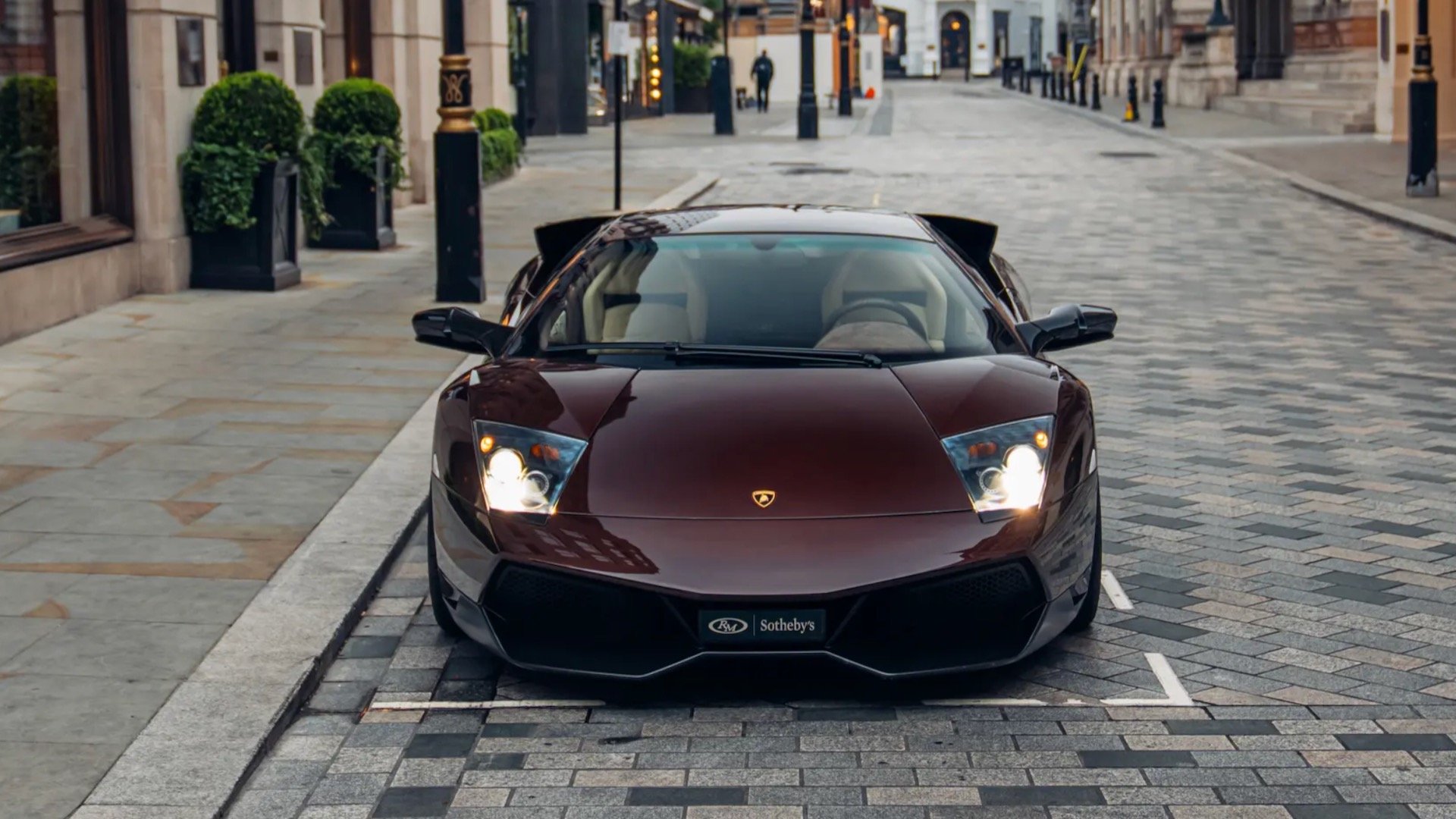
Beyond its mechanical configuration, this car is a visual anomaly. It is finished in Marrone Eklipsis, a stunning metallic brown paint previously seen on the Diablo VT 6.0 SE. The color palette is completed by gold-finished wheels and a two-tone Marrone Janus and Avorio Lilium interior, all curated through Lamborghini’s Ad Personam personalization program.
Supporting Data: Why This Car Matters to Collectors
The collector car market has seen a massive surge in interest for "analog" supercars. As modern hypercars move toward electrification, autonomous driving aids, and complex dual-clutch transmissions, the tactile experience of a heavy clutch and a metal-on-metal gated shifter has become a high-value commodity.
Data from recent high-end auctions suggests that "final edition" models, particularly those with rare manual transmissions, are seeing significant price appreciation. The Murciélago SV is widely considered the "holy grail" of the V12 Lamborghini era. When one adds the fact that this is likely the very last V12 manual supercar the brand will ever produce, the investment potential—and the cultural significance—becomes astronomical.
Official Perspectives on the Legacy
Lamborghini’s transition has always been framed as a necessity for survival. In past statements, company executives have emphasized that while the transition to hybrid technology like that found in the Revuelto is vital for performance and compliance, the "soul" of the brand remains tied to the V12 engine.
"The Murciélago was the car that brought Lamborghini into the modern era," noted a vintage brand specialist. "It kept the theater of the V12 but gave the driver the confidence to use it. The SV was the ultimate expression of that. Having a manual version is like owning the last page of a classic novel."
Implications for the Future of Supercar Collecting
The auction of this Murciélago LP 670-4 SV serves as a bellwether for the future of the automotive hobby. As the industry moves toward a future defined by software and silent electric motors, the valuation of combustion-powered, human-connected machines is decoupling from standard market trends.
For the potential buyer, this vehicle is not merely an asset; it is a time capsule. It represents the last moment in history where a manufacturer was willing to pair its most potent, high-displacement engine with a traditional manual gearbox. The implication for future collectors is clear: cars like this will become increasingly isolated from the broader market, driven by a shrinking supply of pure, analog experiences.
As the gavel falls at RM Sotheby’s, the result will likely shatter expectations. Regardless of the final price, the car’s legacy is already secured. It stands as a testament to a time when supercars were raw, demanding, and utterly unapologetic—a fitting end to the reign of the manual V12. For those who believe that the essence of driving lies in the connection between man, machine, and road, this Lamborghini is perhaps the most significant supercar of the last quarter-century.
