


By Editorial Staff
For seven years, Australian automotive enthusiasts and technology early adopters have held onto a promise that has finally evaporated. Tesla has officially confirmed that it is abandoning plans to bring its polarizing, stainless-steel Cybertruck to the Australian market. The announcement marks the definitive end of a long-running saga that saw thousands of Australians place deposits on a vehicle that will never navigate local roads in a factory-standard, right-hand-drive configuration.
For those who laid down a $150 deposit back in 2019, the news brings a long-awaited resolution—a full refund of their capital, coupled with an incentive offer for Tesla’s Full Self-Driving (FSD) suite. However, for many, the financial closure does little to dampen the frustration surrounding a project that has become a symbol of the challenges inherent in Tesla’s aggressive, often delay-prone product roadmap.
The Chronology of a Failed Launch
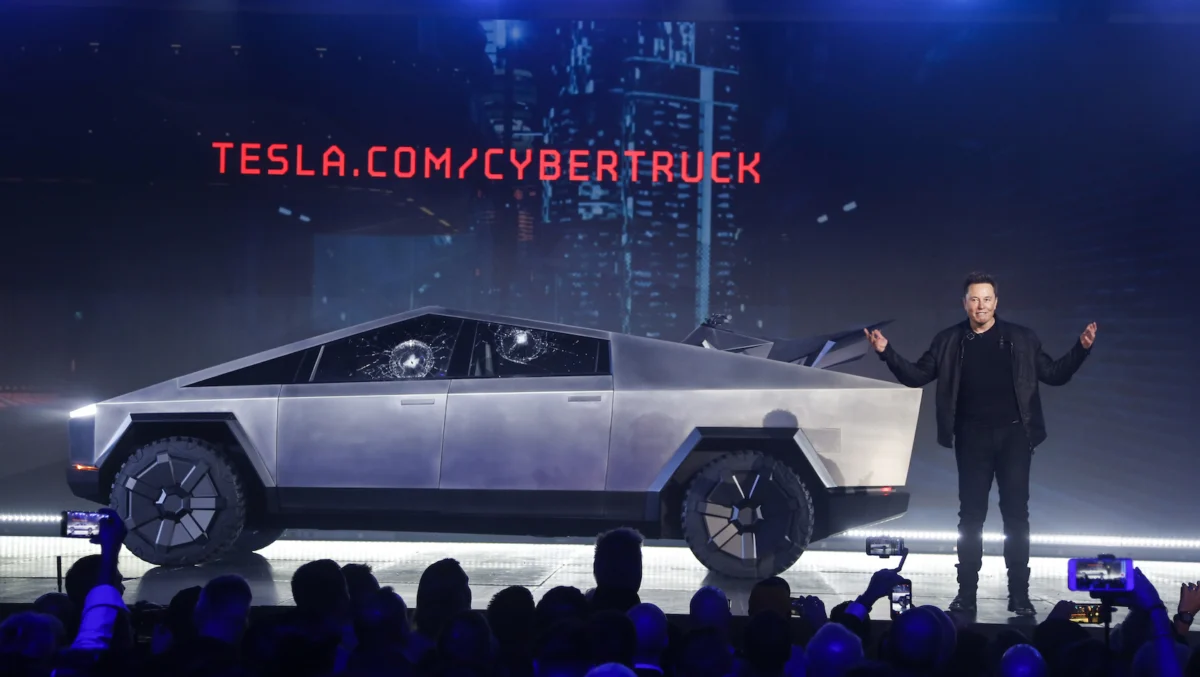
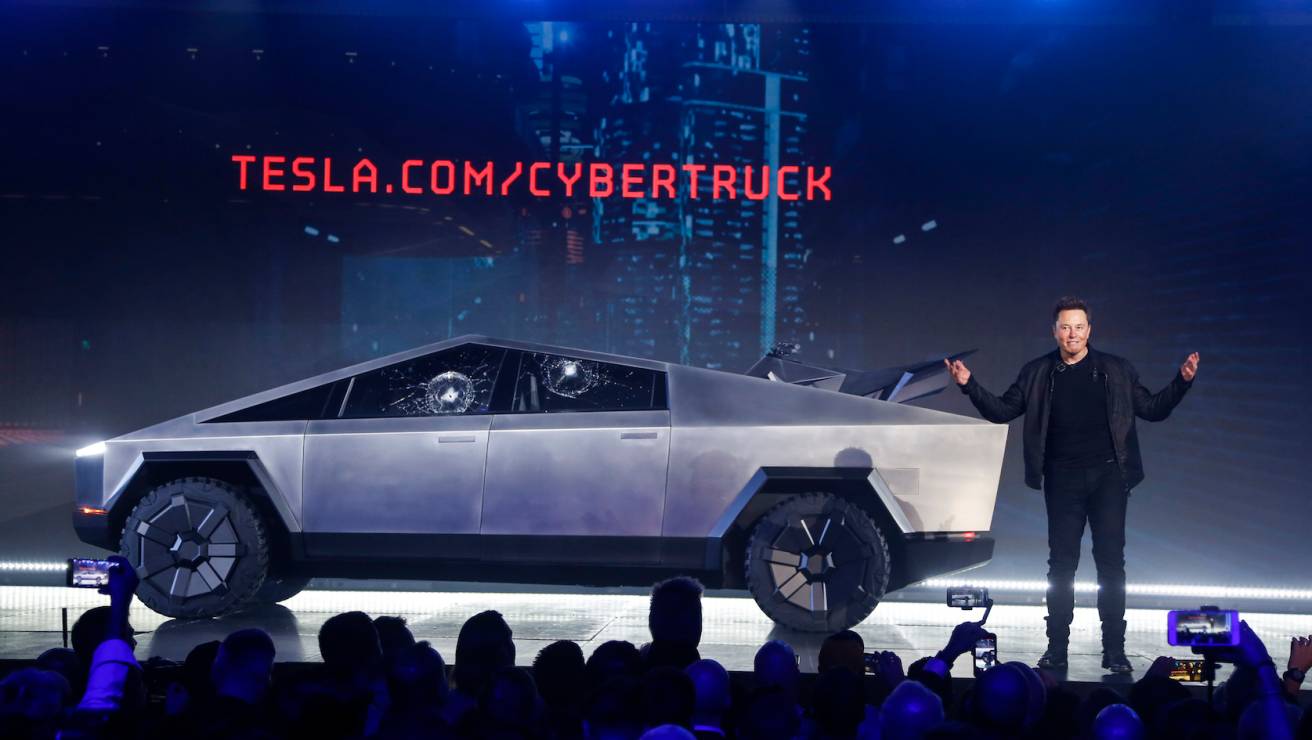
The story of the Australian Cybertruck began in November 2019, when Elon Musk unveiled the vehicle in California. With its angular, “Blade Runner”-inspired aesthetic and claims of bulletproof durability, the Cybertruck captured the global imagination. Within days, Australians—notorious for their love of utes and off-road capability—had flooded Tesla’s website, placing small deposits to secure a place in the virtual queue.
2019: The Initial Hype
Following the high-profile launch, where a demonstration of the truck’s "unbreakable" glass resulted in a cringe-worthy public failure, excitement in Australia remained undeterred. At the time, Tesla’s momentum appeared unstoppable, and the promise of a revolutionary electric pickup seemed to align with the country’s transition toward sustainable energy.
2020–2021: Growing Skepticism
As the global automotive industry grappled with supply chain disruptions and the COVID-19 pandemic, the timeline for the Cybertruck began to slip. While Tesla remained tight-lipped regarding specific regional rollouts, the lack of a right-hand-drive (RHD) prototype raised immediate concerns among automotive analysts in Australia. Producing an RHD version of the Cybertruck presented significant engineering hurdles, particularly given the vehicle’s unique manufacturing process involving ultra-hard 30X cold-rolled stainless steel.
2022: The "Pause"
In a move that signaled the writing was on the wall, Tesla stopped accepting new deposits for the Cybertruck from Australian customers in 2022. While existing reservation holders were told their spots remained secure, the suspension of new orders indicated that the vehicle’s production scalability was failing to meet expectations, let alone the requirements for international markets.
2026: The Final Curtain
Seven years after the initial deposit, the "bleeding obvious" was finally confirmed. Tesla has officially ceased efforts to adapt the platform for the Australian market. The company cited production constraints and the logistical difficulty of localizing the vehicle for the RHD Australian market as the primary drivers behind the decision.
Supporting Data: Why the Cybertruck Didn’t Make the Cut
The cancellation of the Australian Cybertruck program is not merely a result of poor planning; it is a symptom of broader structural issues within Tesla’s manufacturing strategy.
The Right-Hand-Drive Hurdle
The Cybertruck utilizes a "giga-casting" manufacturing technique that creates large structural components of the vehicle in a single piece. Adapting these massive, proprietary molds for a right-hand-drive configuration is an astronomically expensive undertaking. Unlike the Model 3 or Model Y, which share significant architecture with their international counterparts, the Cybertruck’s unique design makes modular adjustments difficult to implement without redesigning the entire chassis.
Production Throughput
Data from Tesla’s Giga Texas facility suggests that the company has struggled to hit the high-volume production targets initially projected by Musk. As of mid-2026, the global demand for the Cybertruck in its home market—the United States—remains high enough to consume almost the entirety of the factory’s output. For Tesla, the opportunity cost of retooling a line for a smaller, right-hand-drive market like Australia simply did not make economic sense.
Regulatory and Design Constraints
Australian Design Rules (ADR) impose strict safety standards on pedestrian protection and vehicle width. The Cybertruck’s sharp, rigid steel exterior has long been flagged by safety advocates as a potential danger to pedestrians, complicating its path to regulatory approval in Australia and Europe.
Official Responses and the "FSD Bait"
Tesla’s official communication regarding the cancellation has been characteristically minimalist. In emails sent to reservation holders, the company expressed gratitude for the "patience of the Australian community" while framing the decision as a strategic pivot toward focusing on mass-market vehicles that offer "greater utility for the broader Australian demographic."
To mitigate the backlash, Tesla is offering affected customers a full refund of their $150 deposit. More notably, the company is dangling a carrot in the form of a discount or trial period for its Full Self-Driving (FSD) software for those who decide to purchase a Model 3 or Model Y instead.
Industry experts have dubbed this "FSD bait"—a clear attempt to retain loyal brand advocates within the Tesla ecosystem despite the disappointment. Whether this will satisfy consumers who spent nearly a decade waiting for a truck remains to be seen.
Implications for the Australian EV Market
The cancellation has sent shockwaves through the Australian EV community, raising questions about Tesla’s commitment to the region.
The "Roadster" Precedent
The Cybertruck debacle is not the first time Australian customers have been left in limbo. The Tesla Roadster, unveiled in 2017 with a promised 2020 delivery, remains a phantom. The "about-face" on the Cybertruck is, by comparison, remarkably swift in the context of Tesla’s long-delayed product cycles. This pattern has led to growing cynicism among retail investors and prospective buyers.
Competition and Market Opportunity
The vacuum left by the Cybertruck is already being filled. Competitors such as Rivian, Ford (with the F-150 Lightning), and various Chinese manufacturers are making significant inroads into the Australian ute market. By failing to deliver the Cybertruck, Tesla has ceded a massive, lucrative segment of the Australian market to rivals who are more capable of navigating local logistics and regulatory frameworks.
The Impact on Brand Sentiment
Tesla has long relied on its "cult of personality" and a fan-driven marketing strategy. However, the recurring failure to deliver on high-profile product announcements threatens to erode the brand’s premium status. For the average Australian consumer, a vehicle is a functional tool. When a company fails to deliver that tool for seven years, brand loyalty eventually hits a ceiling.
Conclusion: A Lesson in Innovation versus Delivery
The demise of the Australian Cybertruck is a case study in the tension between visionary design and industrial reality. Elon Musk’s ability to "sell the future" has historically been one of Tesla’s greatest strengths, driving billions in market valuation and creating a dedicated customer base. However, when the future fails to arrive, that same strategy can lead to significant reputational risk.
For the Australian market, the Cybertruck will remain a digital curiosity—an interesting footnote in the history of the electric vehicle transition. As Tesla pivots toward more accessible, volume-heavy models, the lessons learned from this seven-year saga will likely influence how the company approaches international market entry in the future. For now, thousands of Australians are left with their $150 back, an FSD discount, and a long, empty space in their garages where they once hoped to park the future.
