





By [Your Name/Journalistic Desk]
Canada’s roads are becoming increasingly volatile, transforming the daily commute into a high-stakes environment defined by a convergence of technological distraction, mental fatigue, and a growing disconnect between road safety awareness and actual driving behavior. According to the latest comprehensive study commissioned by Desjardins Insurance, the Canadian driving landscape is undergoing a profound shift, with motorists navigating a complex web of internal and external stressors that threaten to undermine decades of progress in traffic safety.
The 2026 national survey, which polled nearly 4,000 Canadians, serves as a sobering mirror to the nation’s driving habits. While the dangers of the road are well-documented, the study reveals that the nature of these hazards is evolving, moving beyond simple tropes like “texting while driving” into a more nuanced, systemic issue of cognitive overload.
The Core Findings: A New Paradigm of Risk
The data suggests that the modern Canadian driver is perpetually compromised. The survey identifies a triad of primary factors currently eroding road safety: the shifting nature of distraction, the prevalence of mental fatigue, and an alarming culture of normalization regarding traffic violations.
The Shifting Landscape of Distraction
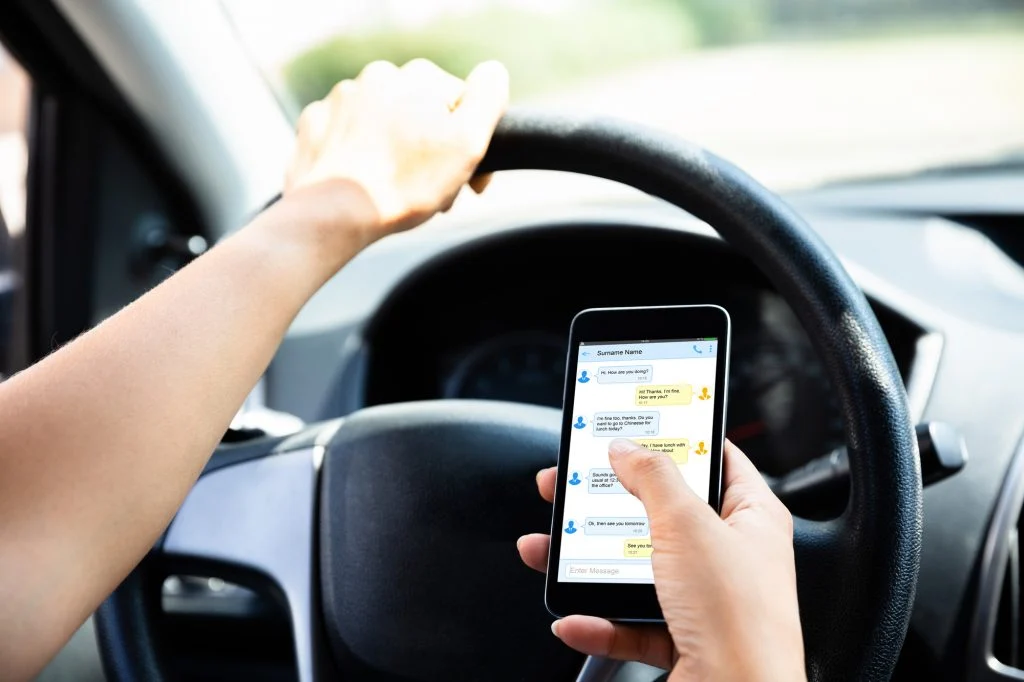
For years, public awareness campaigns have focused heavily on mobile device usage. While cell-phone-related distraction remains a critical issue, cited by 32% of respondents as a top concern, the survey highlights that external environmental factors have now eclipsed mobile technology.
A significant 35% of respondents identified "external factors"—including traffic congestion, pedestrian movement, and chaotic activity outside the vehicle—as their primary source of distraction. This shift indicates that the environment itself has become increasingly taxing, requiring a higher level of cognitive processing than infrastructure may currently support. Furthermore, in-vehicle technology—integrated infotainment systems, digital dashboards, and voice-activated interfaces—was cited by 26% of drivers as a major hurdle to maintaining focus, while 22% pointed to mundane, habitual activities like eating or drinking while behind the wheel.
The Fatigue and Stress Epidemic
Perhaps the most concerning discovery is the psychological state of the average driver. Nearly half (49%) of all respondents reported that they frequently operate a vehicle while feeling stressed or fatigued. This suggests that for a vast segment of the population, the act of driving is no longer a neutral activity but an extension of their high-pressure daily lives. Stress and fatigue are known to significantly diminish reaction times, peripheral vision, and the ability to process complex traffic signals—the very skills required to navigate today’s dense urban corridors.
Chronology: The Evolution of Canadian Road Safety
To understand the current crisis, one must look back at how Canadian road culture has arrived at this juncture.
- The Pre-Smartphone Era (Early 2000s): Road safety was primarily focused on mechanical issues, seatbelt usage, and impaired driving (alcohol/drugs). The primary distractors were radio tuning and passenger interaction.
- The Mobile Revolution (2010–2018): As smartphones became ubiquitous, legislative bodies across Canada moved to ban handheld device use. This era defined "distracted driving" almost exclusively as mobile phone use.
- The Tech-Integrated Era (2019–2024): With the rise of high-resolution touchscreens, advanced driver-assistance systems (ADAS), and constant connectivity, the car interior became a secondary office. The focus shifted toward human-machine interface (HMI) design and the resulting cognitive load.
- The Post-Pandemic "New Normal" (2025–2026): We are currently in a phase where post-pandemic behavioral shifts—including heightened anxiety, increased urban congestion, and an overall rise in aggressive driving—have converged with existing technological distractions. The 2026 Desjardins survey marks this as a distinct turning point, characterizing the driving environment as a "multi-layered challenge" rather than a singular issue.
Supporting Data: The Disconnect Between Awareness and Action
A recurring theme in the 2026 report is the "awareness-action gap." Despite millions of dollars spent on public safety campaigns, there is a persistent dissonance in how Canadians perceive risk versus how they behave on the road.
The most glaring example of this is the attitude toward speeding. While 85% of survey participants correctly identified speeding as a significant danger to road safety, 26% simultaneously admitted that they consider it "acceptable" to exceed posted speed limits. This suggests that for over a quarter of the driving population, safety guidelines are viewed as "suggestions" rather than mandates, likely influenced by the urgency of their daily schedules or the perceived safety of modern vehicle engineering.
Additionally, the survey touched upon the "witness effect." When asked about their observations of other drivers, a vast majority of respondents reported witnessing consistent unsafe behaviors, ranging from aggressive lane changes to total disregard for stop signs. This creates a feedback loop: when drivers perceive that "everyone else" is driving unsafely, they feel compelled to adopt similar behaviors to navigate the traffic flow or protect their space, effectively normalizing the very risks they fear.
Official Responses: Insights from the Industry
Valérie Lavoie, President and Chief Operating Officer of Desjardins General Insurance Group, emphasized that the solution cannot rest solely on the shoulders of the individual driver.
“Road safety is about more than individual behaviour; it’s shaped by the conditions drivers face every day,” Lavoie noted in the wake of the survey’s release. Her statement underscores a shift in how the insurance and automotive industries are beginning to view traffic safety—not as a series of isolated mistakes, but as a systemic issue.
“Canadians are navigating distraction, stress, and constant external demands all at once,” Lavoie added. This perspective suggests that insurers, policymakers, and urban planners must work in tandem to address the "whole" driver. This could mean advocating for smarter urban design that reduces congestion-induced stress, or perhaps pushing for industry-wide standards that limit the complexity of in-car digital interfaces, which are currently designed to capture—rather than support—the driver’s attention.
Implications: A Call for Systemic Change
The implications of the 2026 survey are profound. If nearly half of the driving population is operating while stressed or fatigued, the potential for catastrophic error remains high, regardless of how many safety features are installed in modern vehicles.
1. The Technological Paradox
Modern cars are safer than ever, with collision-avoidance systems and emergency braking. However, these features may be inducing a false sense of security, allowing drivers to engage in more distracting behaviors. The industry faces a paradox: as cars become "smarter," drivers are becoming more reliant on them, potentially leading to a degradation of essential driving skills and situational awareness.
2. Urban Planning and Mental Health
The high percentage of drivers citing external factors (traffic, congestion, pedestrians) as their primary distraction points to a need for better infrastructure. Urban environments that are poorly planned increase driver frustration. When a driver is constantly forced to make micro-decisions in heavy traffic, the cognitive load peaks, leading to the fatigue reported by the survey participants.
3. Policy and Enforcement
The disconnect regarding speeding suggests that current enforcement strategies—primarily focused on reactive ticketing—may have reached a point of diminishing returns. There is a clear need for a cultural shift. If 26% of people believe speeding is acceptable, the issue is not just lack of knowledge; it is a lack of social stigma. Future safety initiatives may need to focus on behavioral psychology and community-based education to change the cultural perception of speed and traffic compliance.
4. The Future of Insurance
For companies like Desjardins, the data suggests that the "risk profile" of a Canadian driver is no longer static. It is dynamic, fluctuating with the driver’s stress levels and the intensity of their daily environment. This may eventually lead to new approaches in insurance, where support for driver wellness and stress management tools could become part of the value proposition for policyholders.
Conclusion: Reclaiming the Road
The 2026 Desjardins survey is more than just a data set; it is a call to action. The era of focusing exclusively on mobile phones is over. To truly improve road safety in Canada, stakeholders must address the "whole" human experience behind the wheel.
This means acknowledging that stress and fatigue are not just personal problems—they are public safety hazards. It means recognizing that our vehicles and our city streets have become environments that can overwhelm the human brain. And finally, it requires a collective commitment to bridge the gap between knowing what is safe and actually doing it.
As the driving environment continues to evolve, the Canadian public must move from a posture of passive navigation to one of intentional, focused, and resilient driving. Safety, as the data clearly demonstrates, is a shared responsibility that begins long before the ignition is turned on.
