



NEW YORK CITY — For decades, the blueprint for hospitality marketing was as rigid as the corporate headquarters that designed it. It was a world of high-gloss brochures, meticulously staged photography, and polished, top-down messaging disseminated through traditional media buys.
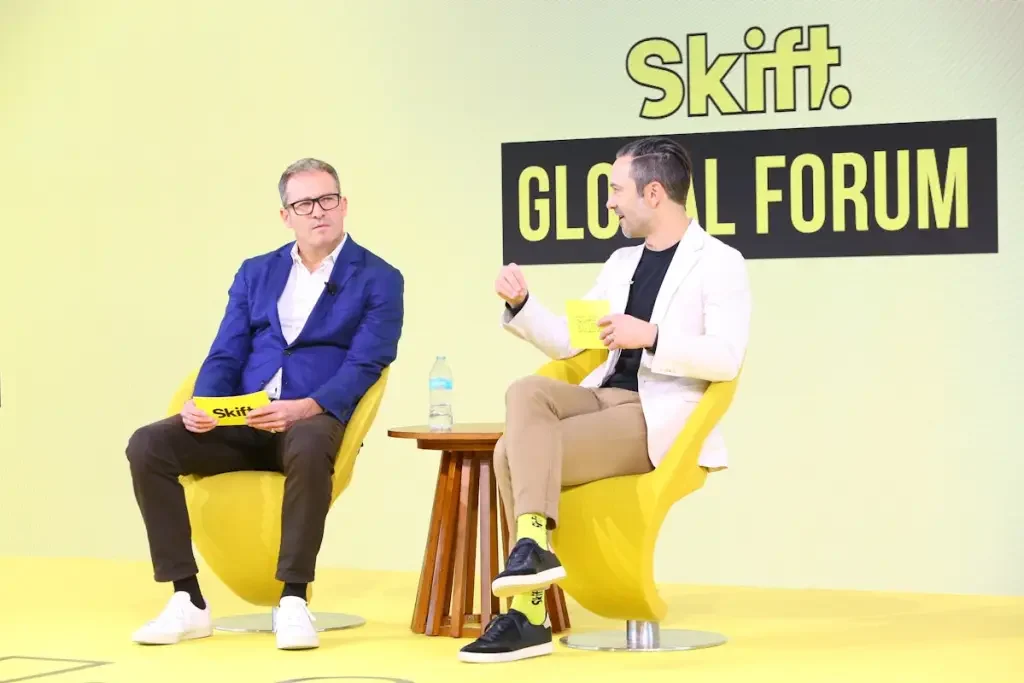
But as the travel industry gathered at the Skift Creator Summit in New York City this week, the narrative shifted dramatically. The keynote stage featured an admission that, ten years ago, would have been considered heresy in the boardroom of a global hospitality giant.
Connor Smith, Senior Vice President of Global Brands at IHG Hotels & Resorts, stood before a room of industry professionals and admitted that to survive in the modern travel ecosystem, he has had to relinquish control. After spending over a decade cultivating the precise identity of more than 7,000 hotels across 21 distinct brands, Smith is now intentionally handing the keys to that brand identity over to strangers armed with nothing more than iPhones, ring lights, and an authentic point of view.
“What I’m realizing is as the role of the creator becomes increasingly important for our marketing, in order to reach all of the different audiences that we need to reach, and in order to build the trust that we need to build… I really had to let go,” Smith said.
This sentiment, expressed against the backdrop of an evolving digital landscape, signals a seismic shift in how the world’s largest travel corporations interact with their consumers.
The Chronology of a Paradigm Shift
To understand why a hospitality titan like IHG is shifting its strategy, one must look at the evolution of travel marketing over the last fifteen years.
- 2010–2015: The Era of Controlled Narratives. Marketing was almost exclusively defined by the brand. Travel companies invested millions in professional production crews, celebrity endorsements, and television spots. The consumer was a passive recipient of these polished messages.
- 2016–2020: The Rise of Social Platforms. With the ascent of Instagram and the birth of the “Influencer,” travel brands began to dip their toes into partnerships. However, these were often highly scripted, transaction-based relationships where the creator acted more as a billboard than a storyteller.
- 2021–2024: The Authenticity Gap. As trust in traditional advertising plummeted, consumers turned to peer-to-peer recommendations. TikTok and Reels redefined how travelers discovered destinations, favoring raw, unedited, and relatable experiences over glossy advertisements.
- 2025–2026: The Creator Economy Integration. The present moment marks a full integration. Brands are moving away from "influencer marketing" (which implies reach) toward "creator partnerships" (which imply trust and creative collaboration). Companies are now embedding creators into the early stages of product launches and brand strategy.
Supporting Data: Why Trust Is the New Currency
The pivot toward the creator economy is not merely a creative whim; it is a data-driven survival tactic.
According to recent market analysis presented during the summit, the cost of customer acquisition through traditional digital advertising (paid search and display ads) has risen by nearly 40% since 2022. Conversely, the conversion rate for content created by trusted third-party voices—creators with established, niche audiences—is significantly higher.
The Credibility Gap
Research indicates that Gen Z and Millennial travelers—the primary growth engines for the travel sector—are twice as likely to book a hotel based on a creator’s recommendation than a branded advertisement. This is due to a phenomenon known as "ad fatigue."
- Trust Metrics: Studies show that 72% of travelers view user-generated content (UGC) as more reliable than corporate communications.
- Brand Sentiment: When brands attempt to force a corporate tone onto a creator, engagement rates drop by approximately 60%. When creators are given creative autonomy, engagement spikes, leading to longer watch times and higher shareability.
The Skift Creator Summit: A Convergence of Perspectives
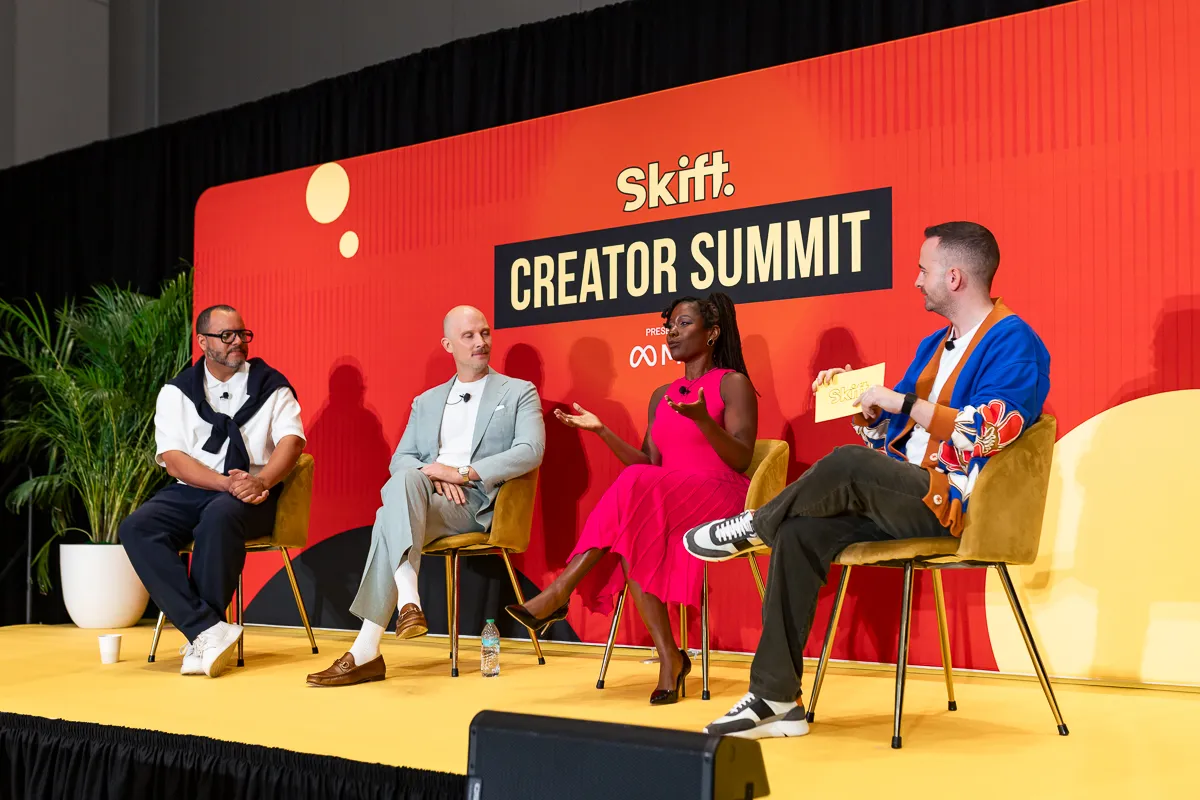
The panel, which included Virgin Voyages Senior Director of Global Operations, Experience, and Belonging Alex Zeitz and renowned content creator Oneika Raymond, underscored the tension between corporate risk management and creative freedom.
For Alex Zeitz of Virgin Voyages, the collaboration with creators is about "experience design." Virgin, which has built a brand on being disruptive and unconventional, views creators not as external vendors, but as partners in the guest journey. "We want to see our brand through their eyes," Zeitz noted. "If we tell them exactly what to say, we lose the ‘Virgin’ spirit. We need them to find the friction points and the delights that our internal teams might overlook because they are too close to the product."
Oneika Raymond, a creator who has navigated the travel industry for over a decade, offered the counter-perspective: "The best brands are the ones that hire us because they trust our perspective. When a brand treats me like a director rather than a prop, the audience feels that. They know when a partnership is authentic, and that’s when the conversion happens."
Implications: The New Corporate Architecture
The shift in strategy has profound implications for the structure of travel companies. We are seeing the rise of a new department: The Creator Relations Division.
1. From "Command and Control" to "Curation"
Large companies are moving away from the "command and control" model of marketing. Instead, brand managers are becoming curators. Their job is no longer to write the script, but to identify the right creators who align with the brand’s core values and then provide them with the access necessary to tell the story.
2. The Risk of Brand Dilution
Naturally, this creates tension with legal and communications departments. How does a brand maintain a consistent identity when the voice is fragmented across hundreds of creators? The answer, according to Smith, is in the "guardrails." IHG is developing a system where brand pillars are established, but the delivery of those pillars is left to the individual style of the partner.
3. The Death of the "Influencer"
The industry is collectively moving away from the term "Influencer." Influencers were often associated with vanity metrics—followers, likes, and reach. The industry is now prioritizing "Creators"—individuals who have specific expertise, a dedicated community, and a unique creative voice. The focus has shifted from who sees the content to how much they trust the source.
Looking Ahead: The Future of Travel Storytelling
As we look toward 2027 and beyond, the integration of creators into travel brands will likely move beyond social media into experiential design. We expect to see creators helping to design hotel lobby experiences, curating travel itineraries for loyalty program members, and even acting as consultants for new property openings.
The challenge for Connor Smith and his peers will be consistency. As the brand voice becomes decentralized, the risk of inconsistency increases. However, the risk of remaining stagnant—of being ignored by a generation that views corporate marketing with suspicion—is far greater.
"We are essentially letting our guests define who we are," Smith concluded. "It’s a bit terrifying, yes. But it’s also the only way to remain relevant in a world where trust is the most valuable commodity we have."
The takeaway from the 2026 Skift Creator Summit is clear: The age of the polished, top-down travel brand is fading. In its place is a more complex, more human, and arguably more authentic model where the brand is not what the company says it is, but what the creator shows it to be. For the travel industry, the message is simple: let go of the ring light, give the phone to the creator, and prepare for a much more honest conversation with the world.
