





For decades, the travel industry has been defined by a fierce, triangular rivalry: airlines, hotels, and online travel agencies (OTAs) battling for the top-of-mind awareness of the modern traveler. Executives poured billions into proprietary loyalty programs, sophisticated CRM systems, and aggressive marketing campaigns, all designed to ensure that a customer’s next booking was made directly through their ecosystem.
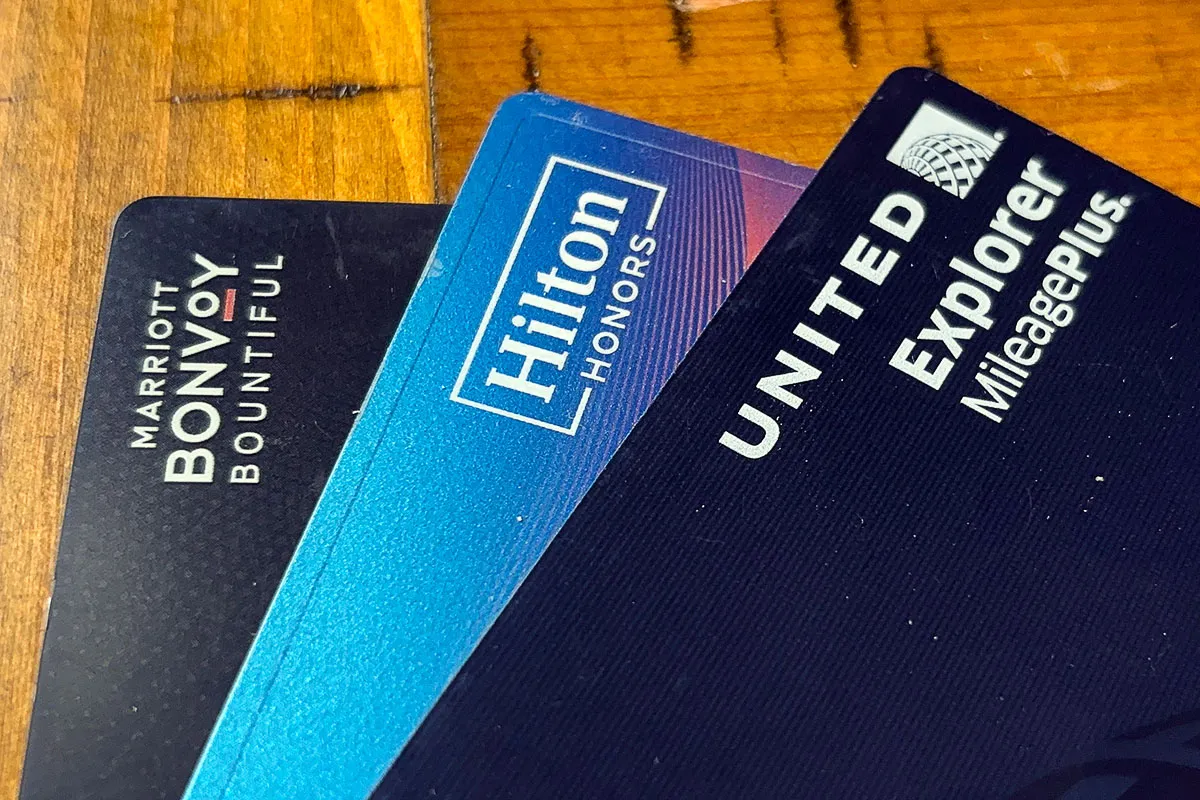
However, a paradigm shift is underway, one that reveals the travel industry’s biggest threat was never the competitor across the street or the OTA on a browser tab. Instead, the ultimate disruption to travel loyalty has been sitting quietly in the wallets of consumers all along.
According to the latest Global Travel Insights survey from Skift Research, the balance of power has fundamentally tipped. When travelers are asked which loyalty programs they find the most rewarding, credit card and bank-affiliated rewards have surged to the forefront, leaving traditional travel brands struggling to maintain their relevance in an increasingly fintech-driven travel landscape.
The New Hierarchy of Rewards
The data paints a stark picture of the current consumer psyche. When surveyed on the most rewarding loyalty programs, 32% of travelers identified credit cards and banks as their primary choice. In contrast, hotels trailed at 26%, followed by airlines at 20%. Perhaps most strikingly, online travel agencies—despite their dominance in booking volume—captured a mere 8% of the sentiment regarding loyalty value.
This hierarchy signifies a departure from the traditional "brand-first" model of travel. For years, a traveler might choose a specific hotel chain because they liked the brand experience. Today, they choose the hotel because the credit card they carry offers the best point-earning potential or status perks at that property. The credit card has evolved from a payment mechanism into the primary architect of the travel journey.
Chronology of a Shift: From Perks to Platforms
The rise of the "travel-plus-finance" model did not happen overnight. To understand how banks became the gatekeepers of travel, one must look at the evolution of loyalty over the last twenty years.
The Era of Brand Exclusivity (1990s–2005)
In the early days of loyalty, programs were strictly vertical. You flew an airline to earn miles; you stayed at a hotel to earn points. These programs were transactional and isolated. Loyalty was earned through "butt-in-seat" behavior.
The Rise of the Co-Branded Card (2005–2015)
As the travel industry matured, airlines and hotels began to recognize the massive revenue potential of selling miles and points to banks. This period saw the proliferation of co-branded credit cards. These products provided a massive infusion of capital to travel companies, allowing them to monetize their loyalty programs even when customers weren’t traveling.
The Fintech Disruption (2015–Present)
The current era is defined by the "Super-App" mentality and the commoditization of travel. With the emergence of premium credit card portfolios—such as those offered by Chase, American Express, and Capital One—the focus shifted from brand-specific loyalty to "flexible" currency. Travelers no longer want to be locked into one airline; they want a credit card that allows them to transfer points to a dozen different partners. The bank, not the travel provider, now controls the interface and the reward ecosystem.
Supporting Data: Why the Plastic Wins
The dominance of credit card loyalty is not accidental; it is built on structural advantages that traditional travel brands find difficult to replicate.
- Velocity of Accumulation: While a traveler might stay at a hotel a few times a year, they use their credit card daily. The ability to earn points on groceries, dining, and gas creates a much faster "earn-to-burn" cycle than traditional travel spend.
- The "Flexible Currency" Advantage: The Skift Research data highlights that modern travelers prioritize versatility. Credit card rewards allow for a "best of both worlds" approach: the ability to pool points and transfer them to various travel partners. This makes the credit card a centralized hub for all travel needs.
- The Barrier of Entry: Travel brands often require high status tiers for tangible benefits like lounge access or room upgrades. Premium credit cards offer "instant status" or access to these amenities regardless of previous travel history, effectively lowering the bar for the average consumer to enjoy a luxury experience.
Industry Perspectives: The View from the C-Suite
The industry’s reaction to this data has been one of cautious recalibration. Executives at major hospitality groups acknowledge that while their direct-booking channels remain vital, the role of the credit card partner has become an existential dependency.
"We aren’t just in the business of selling rooms anymore," said one executive from a leading international hotel group, speaking on condition of anonymity. "We are in the business of managing a financial ecosystem. If our loyalty program isn’t integrated seamlessly with the leading credit card issuers, we are effectively invisible to a large portion of our most lucrative customer segment."
Conversely, the banking sector views this as a validation of their pivot toward lifestyle banking. "Our customers don’t just want a card to pay for things," says a spokesperson for a major financial institution. "They want a travel concierge. They want the card to be the bridge between their daily lives and their aspirational experiences. The data confirms that we have become the primary travel partner for the consumer."
Implications: A Future Defined by Partnerships
The findings from Skift Research hold profound implications for the future of the travel sector. As credit cards solidify their position at the top of the loyalty hierarchy, the industry must prepare for several key shifts:
1. The Death of the "Siloed" Loyalty Program
Travel companies that persist in creating insular loyalty programs will find themselves increasingly marginalized. The future of loyalty is interoperability. Travel brands will need to become more "bank-friendly," allowing for deeper integration of points, status sharing, and co-branded experiences.
2. Marketing as Fintech Strategy
Marketing budgets will continue to shift away from traditional consumer advertising and toward "channel-marketing" within banking portals. If 32% of travelers view the bank as the most rewarding entity, that is where the travel brand’s marketing dollars must go. Being featured in a credit card’s "recommended" travel portal will become more valuable than a traditional search engine optimization (SEO) strategy.
3. The Risk of Brand Dilution
There is a looming danger for travel brands: the loss of brand identity. If a customer books a luxury hotel solely because their credit card portal offers the best rate or bonus points, they may not feel a psychological connection to the hotel brand itself. This risks turning hotels and airlines into "commoditized inventory" for banks. To combat this, travel brands must focus on the on-property or in-flight experience to ensure that, while the booking was driven by the bank, the loyalty is retained by the provider.
4. Regulatory Scrutiny
As banks become the de facto travel agencies of the world, they are likely to face increased regulatory scrutiny. Governments may begin to question the consolidation of power in the travel-financial nexus, particularly regarding data privacy and the fairness of reward valuations.
Conclusion: The Wallet as the New Frontline
The Skift Research data serves as a clarion call to the travel industry: the competition has moved from the terminal and the lobby to the financial statement. While the quality of service, the comfort of the seat, and the design of the hotel room remain the foundation of the guest experience, the access to that experience is now dictated by the plastic in the customer’s pocket.
For the travel executive, the path forward is clear: you must stop viewing the credit card issuer as a peripheral partner and start viewing them as the primary distribution channel. The loyalty of the future will not be earned through brand affinity alone; it will be earned through the value proposition of the financial products that make travel possible.
The industry is no longer just competing for the next trip; it is competing for the daily wallet share of the consumer. Those who master this new financial reality will thrive; those who ignore it risk becoming mere background actors in a game defined by the banks.
