





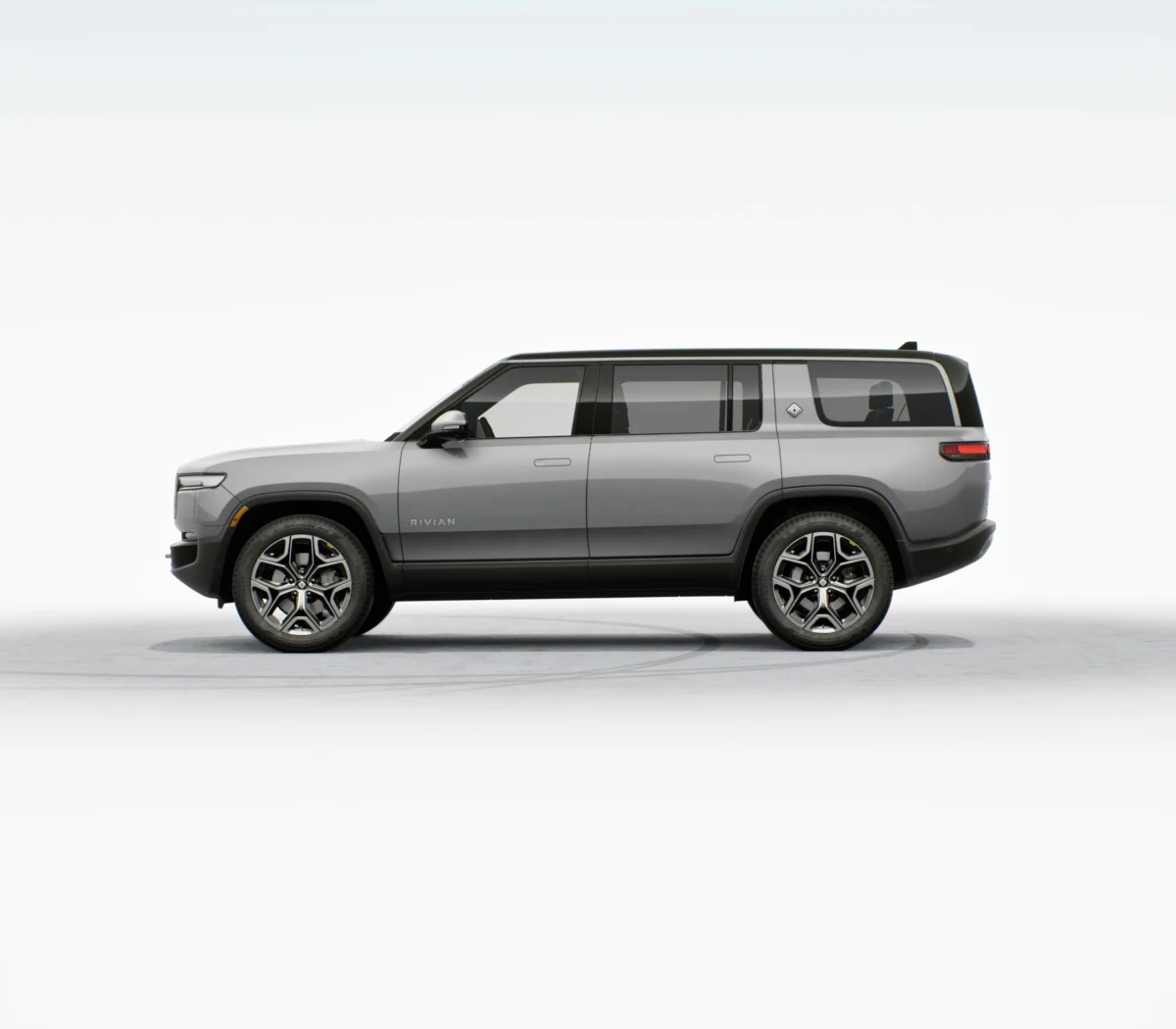
To the untrained eye, a car is simply a collection of panels, wheels, and lights. But to the automotive enthusiast, the road is a language of subtle signifiers. While massive rear wings, aggressive hood scoops, and quad-exhaust tips are the loud, attention-grabbing verbs of automotive design, the brake caliper has quietly become the industry’s most sophisticated adjective.
Automakers are increasingly leaning into the color-coding of brake calipers as a shorthand for performance pedigree. It is a brilliant, low-cost marketing strategy that serves a dual purpose: it provides an immediate visual hierarchy for the brand faithful, and it acts as a subtle status symbol for the owner. From the entry-level commuter to the high-strung track weapon, the color of your calipers is no longer just about heat dissipation—it is about identity.
The Hierarchy of Performance: How Manufacturers Set the Bar
For decades, the standard for a brake caliper was a utilitarian, unpainted, or silver-finished cast-iron piece. It was hidden behind a wheel, meant to be ignored. Today, that has shifted entirely. Brands like Nissan have masterfully integrated color-coding into their lineup to ensure that a quick glance at the wheel arch tells the observer exactly what kind of machine is idling next to them at a stoplight.
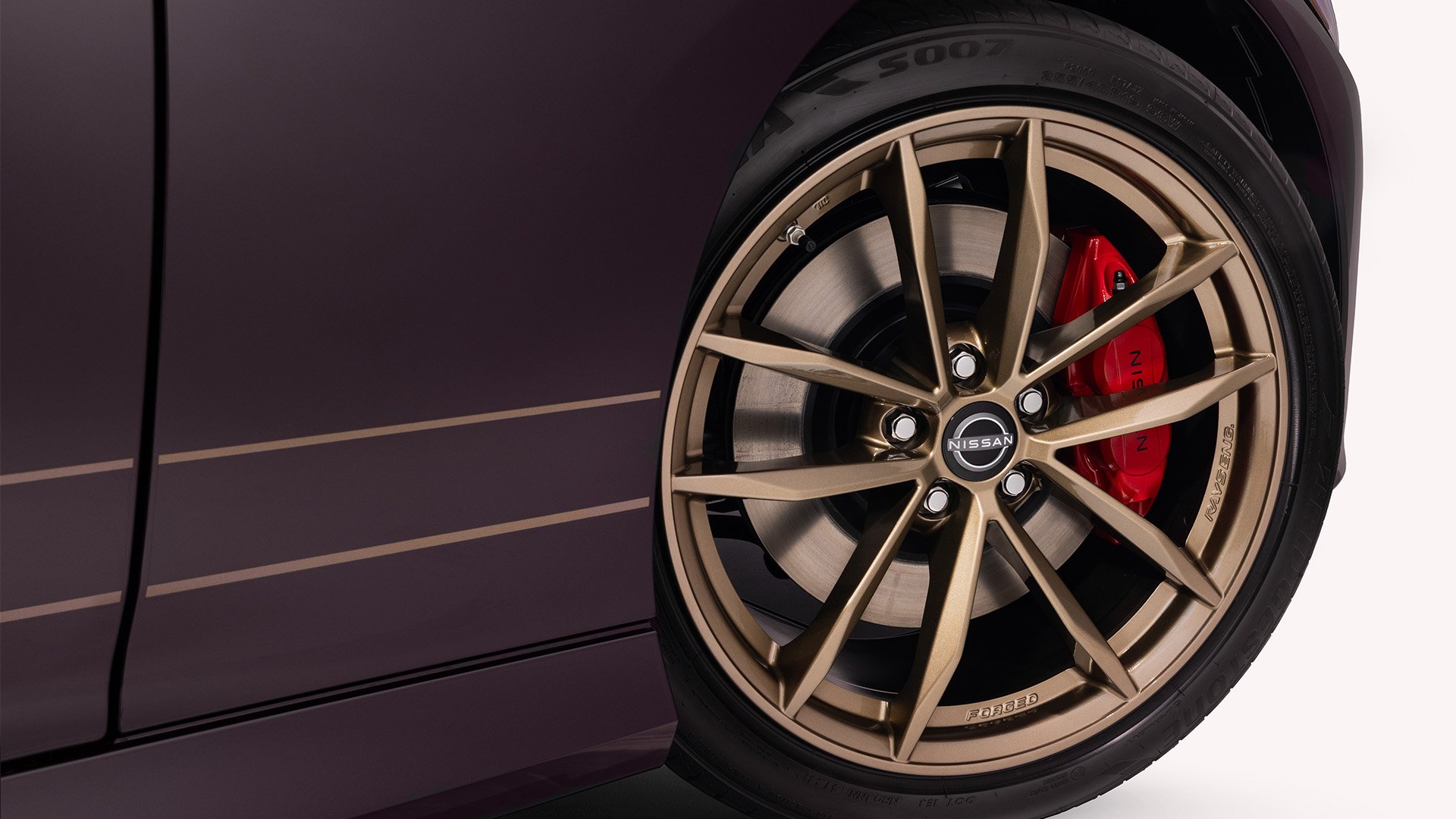
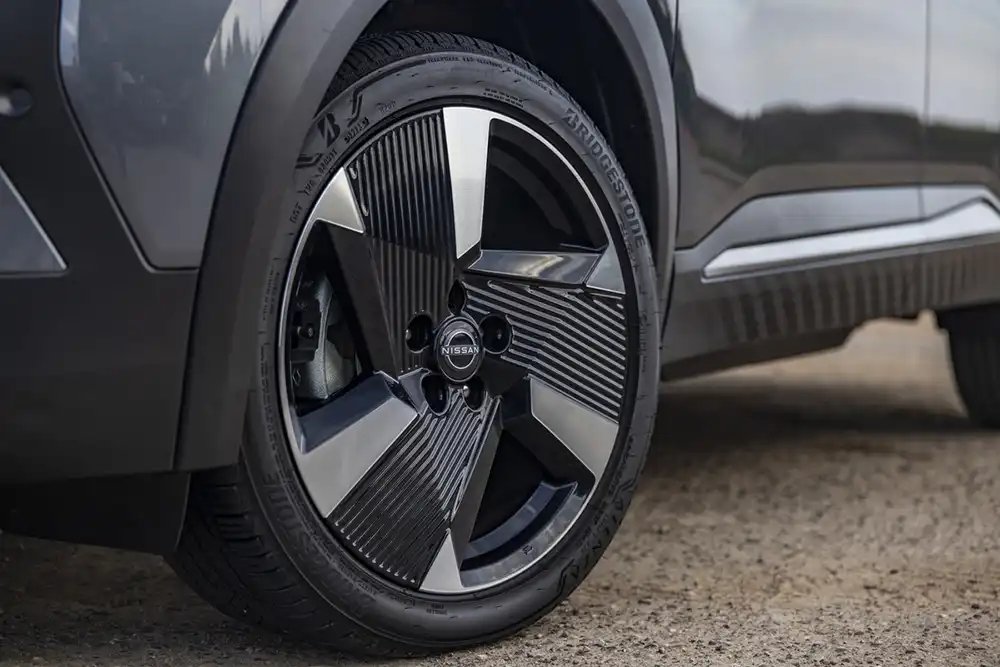
In the Nissan ecosystem, the distinction is deliberate. On their mass-market staples—the Rogue, the Sentra, and the now-discontinued Altima—the calipers remain a neutral, functional silver. Even the base-model Nissan Z, a car with legitimate sporting aspirations, adheres to this understated aesthetic.
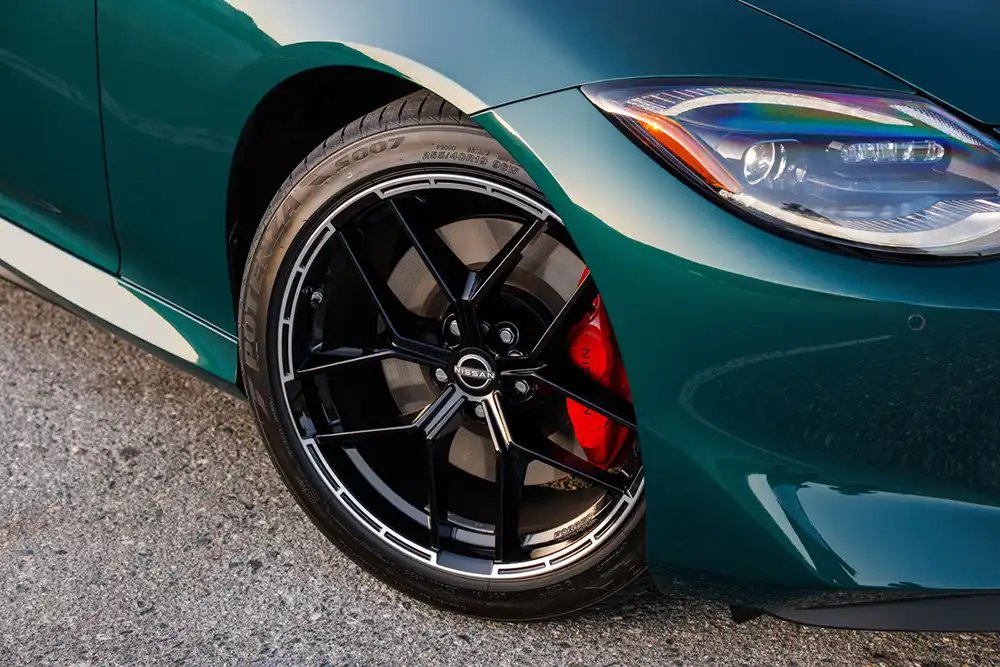
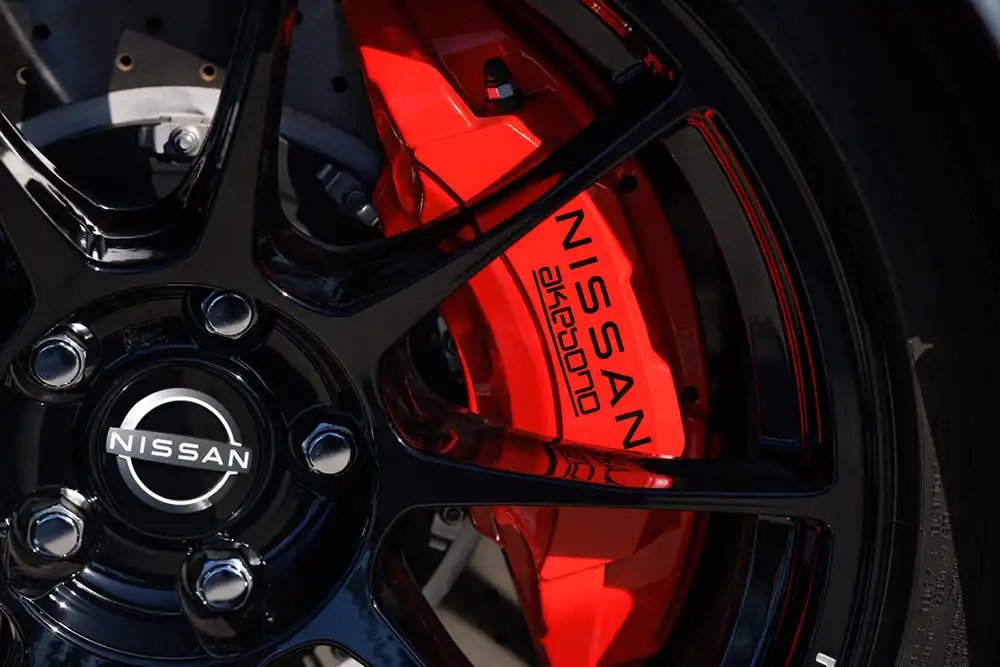
However, once you move into the "Performance" tier, the aesthetic shifts. The Nissan Z Performance package introduces Akebono four-piston front and two-piston rear calipers finished in a high-visibility red. It is a visual cue that tells the driver, and the world, that this vehicle is equipped to handle more aggressive cornering and shorter stopping distances. This same "Performance Red" is found on the Nissan Armada Nismo, a massive SUV that, despite its size, benefits from the psychological boost of high-performance aesthetic appointments.
Chronology of Color: From Racing Pits to Showroom Floors
The practice of coloring calipers originated in the crucible of professional motorsport. In the high-stakes world of Formula 1 and endurance racing, teams needed to identify specific braking components, cooling setups, and pad compounds at a glance during frantic pit stops.
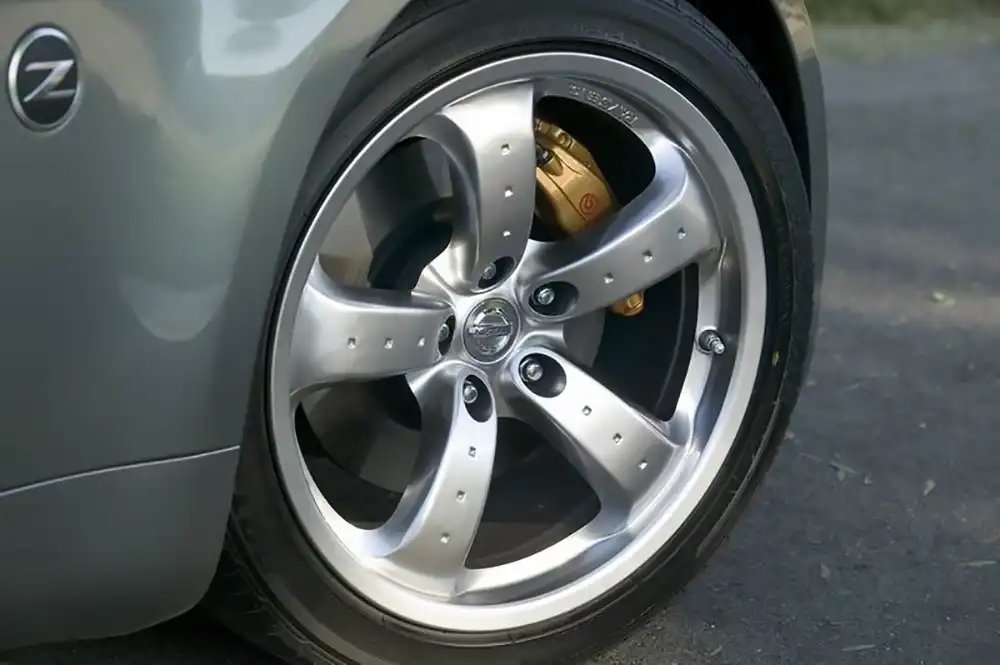
By the late 1990s and early 2000s, this functional necessity began to bleed into the world of high-performance road cars. The Nissan R34 GT-R, an icon of Japanese engineering, famously debuted with gold-finished Brembo calipers. This choice wasn’t merely cosmetic; it signaled the inclusion of premium, racing-derived stopping power. When the R35 GT-R arrived in North America in 2008, it carried that golden torch forward, cementing the association between gold calipers and elite, track-ready hardware.
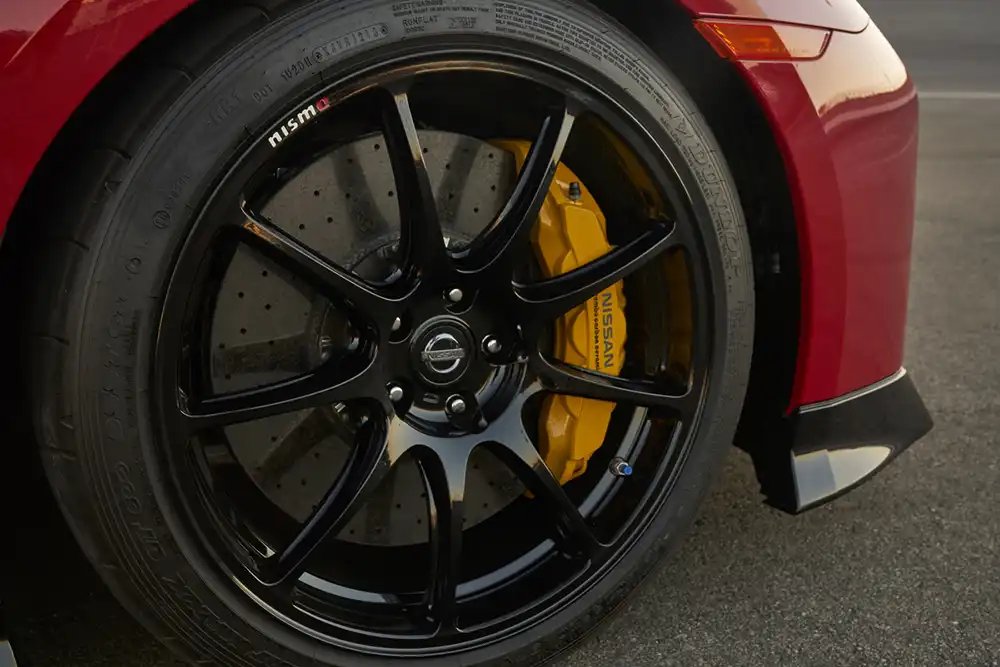
As material science evolved, so did the color palette. The introduction of carbon-ceramic brakes—the gold standard of stopping power—necessitated a new visual identifier. Because carbon-ceramic systems are incredibly expensive and usually reserved for the absolute peak of a manufacturer’s performance range, brands needed a color that commanded even more respect than red or gold. Thus, yellow became the industry-standard "color of choice" for carbon-ceramic systems.
This hierarchy—Silver (standard), Red (performance), Gold (premium/Brembo), and Yellow (carbon-ceramic)—has become a global, unspoken lexicon. However, as with any convention, there are outliers. The 2023 Nissan Z Proto Spec, for example, featured yellow calipers despite utilizing standard iron rotors. This exception proves that while the industry uses color as a guide, marketing and aesthetic cohesion often take priority over strictly functional labeling.
Supporting Data: The Electric Evolution
The trend is not confined to internal combustion engines; in fact, the rapid rise of electric vehicles (EVs) has accelerated this form of visual communication. Because EVs are significantly heavier than their gas-powered counterparts due to battery packs, they require more robust braking systems.
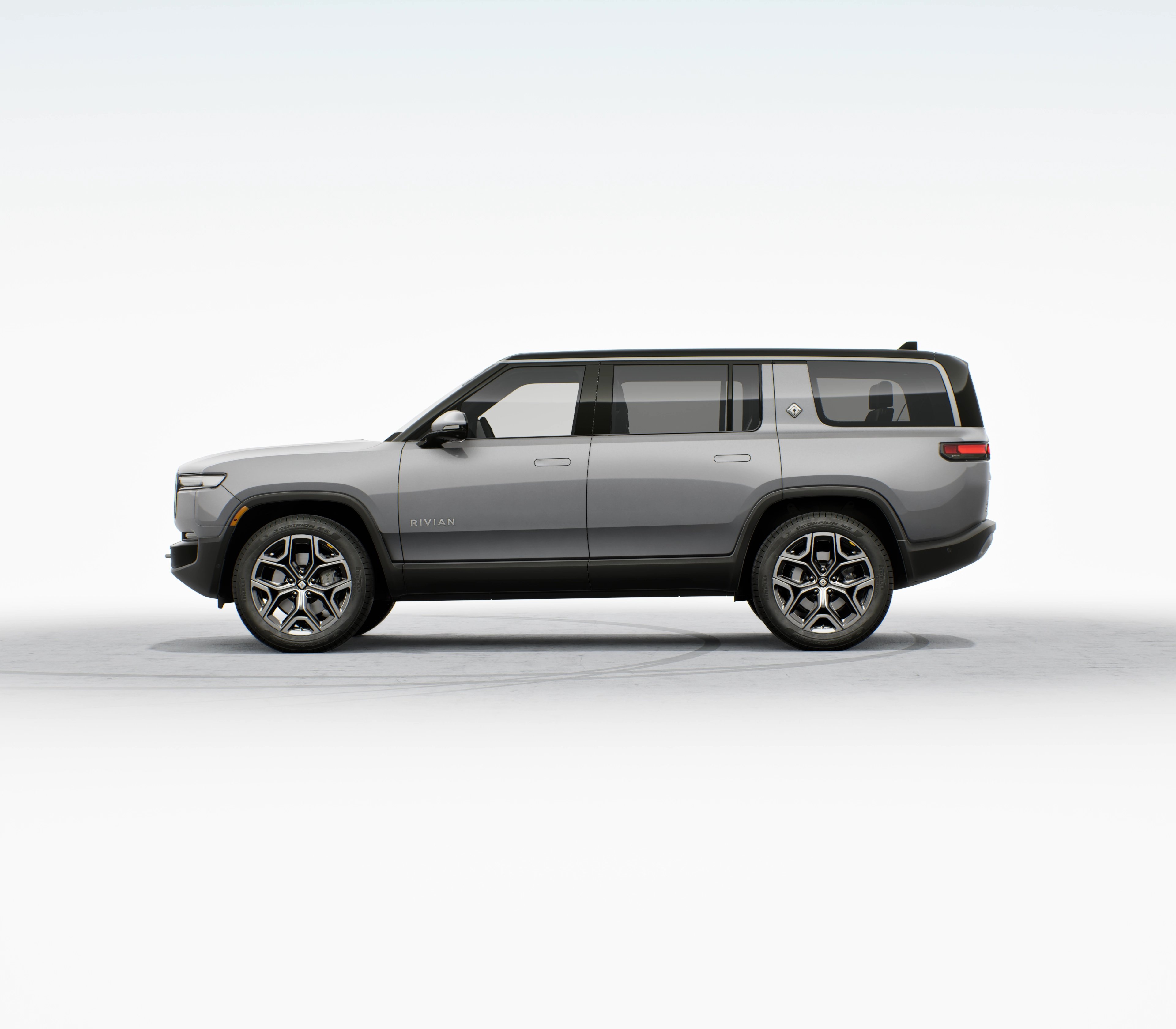
Rivian, the American EV manufacturer, has adopted a distinct color-coded system that aligns perfectly with their powertrain configurations. The logic is as follows:
- Dual-Motor Variants: Standard silver calipers, emphasizing efficiency and daily utility.
- Tri-Motor Variants: Yellow calipers, signaling an increase in both power output and the necessity for enhanced thermal management.
- Quad-Motor Variants: Blue calipers, representing the pinnacle of the current Rivian performance offering.
- Upcoming "RAD" Performance Variants: Anticipated to carry the blue theme forward, solidifying the color as the hallmark of their top-tier performance packages.
This segmentation allows consumers to differentiate between trim levels that might otherwise look identical from the curb. In an age where electric vehicles often share the same silhouette, the brake caliper becomes the most efficient way to signify that the driver opted for the top-of-the-line, high-performance trim.
Implications: The Psychology of "Fake" Performance
While color-coding provides a convenient shorthand for enthusiasts, it has also given rise to a secondary, often problematic, market: the aftermarket "caliper cover."
In recent years, social media has been flooded with "DIY" enthusiasts attempting to replicate the look of high-performance brakes on entry-level vehicles. This has led to the proliferation of cheap, snap-on plastic covers or, in extreme cases, amateur paint jobs that cover not just the caliper, but the rotors and brake pads themselves.
The mechanical implications of these modifications are significant. Brake systems rely on convective cooling; air must flow around the caliper and rotor to dissipate the extreme heat generated during deceleration. Adding non-functional, insulated plastic covers can trap heat, leading to brake fade or even catastrophic failure.
Furthermore, as noted in various automotive disaster stories, painting the rotor friction surface is a dangerous error. The friction surface must remain clean and metallic to allow the brake pad to grip properly. When a layer of paint is applied to the rotor, the initial "bite" of the brakes is compromised, leading to immediate safety concerns. These incidents serve as a stark reminder that while the look of high performance is desirable, the substance of a high-performance system is far more than just a color choice.
Official Perspectives and Industry Future
Automakers maintain that color-coding is a service to the customer. By providing visual differentiation, they help justify the price premium for performance packages. A consumer paying an extra $5,000 for a "Performance Trim" wants their neighbors to know they purchased the upgrade. Brake calipers are the perfect vessel for this—they are clearly visible through modern, open-spoke alloy wheels, and they offer a clean, high-contrast surface for high-temperature paint.
Looking forward, we can expect this trend to expand into even more granular territory. As custom "paint-to-sample" programs become more common, manufacturers are beginning to offer color-matched or bespoke caliper finishes as a factory-order option. Porsche, for instance, has long allowed customers to choose caliper colors regardless of the braking system, effectively breaking the traditional "color hierarchy" in favor of individual personalization.
However, the industry standard remains rooted in the traditional hierarchy. As we move further into the age of high-performance EVs, expect to see new colors—possibly neons or metallic finishes—emerge to signify specific motor configurations or battery discharge capabilities.
Conclusion: A Language Written in Heat
The evolution of the brake caliper from a hidden, greasy component to a bold statement piece is a testament to the modern automotive industry’s focus on branding and visual identity. Whether it is the subtle red of a Nissan Z or the crisp blue of a quad-motor Rivian, these colors provide a roadmap to the vehicle’s engineering intent.
For the enthusiast, it remains a fun, engaging way to decode the machinery on the road. For the casual observer, it is simply a splash of color. But for everyone, it serves as a reminder that in the automotive world, the most interesting stories are often found in the details—even the ones that spend their lives fighting the heat of the road.
As technology advances and our cars become more capable, our visual language will undoubtedly grow more complex. But as long as there is a need to distinguish the fast from the very fast, you can bet that the brake caliper will be wearing its performance on its sleeve—or rather, its housing—for all to see.
