



The travel industry is currently undergoing a structural transformation, shifting from a model defined by static search engines and legacy booking portals to one driven by the authentic, personalized narratives of digital creators. Recognizing this paradigm shift, Klook—the Hong Kong-based travel experiences giant—has announced a significant expansion of its "Kreator Shops" feature.
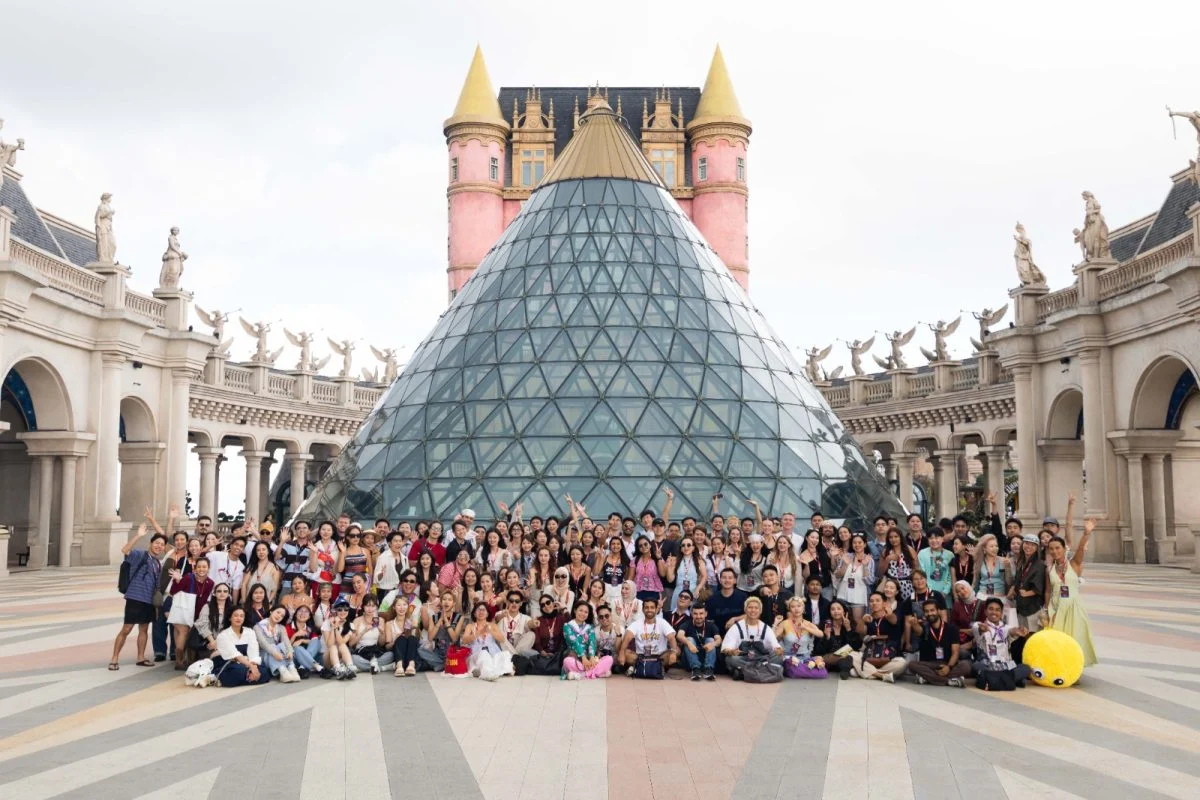
The initiative, now available to over 30,000 creators across 88 global markets, aims to bridge the gap between inspiration and transaction. By consolidating fragmented affiliate links into a single, cohesive digital storefront, Klook is effectively positioning itself as the infrastructure layer for the "creator-led travel" economy.
Main Facts: Converting Inspiration into Itineraries
For years, the travel influencer model has been plagued by friction. A creator might post a captivating video of a sunrise hike in Bali, followed by a caption containing a scattered list of disparate affiliate links for a hotel, a tour operator, and a local SIM card provider. For the follower, the path to booking was disjointed, often requiring multiple clicks and redirects that caused high churn rates.
Klook’s Kreator Shops solves this by providing creators with a dedicated, branded storefront. Within this space, creators can curate collections of experiences—hotels, attractions, local transportation, and eSIM connectivity—into a singular, bookable itinerary. Instead of selling a single product, the platform allows the creator to sell the "entire trip."
The move marks a transition from simple affiliate marketing to a more sophisticated "social commerce" strategy. By creating a one-stop-shop for a creator’s audience, Klook is streamlining the user experience while simultaneously increasing the average order value (AOV) per referral, as users are more likely to bundle multiple components of their trip once they are within a curated environment.
A Chronology of the Creator Economy in Travel
To understand the magnitude of this rollout, one must look at the evolution of digital travel marketing over the last decade.
- 2010–2015: The Era of the Blog and SEO. Travel content was dominated by static blog posts and search engine optimization. Monetization was rudimentary, relying on banner ads and basic affiliate banners.
- 2016–2019: The Rise of the Influencer. As platforms like Instagram and YouTube matured, creators became the primary source of discovery. Travel brands began experimenting with sponsored posts, though tracking ROI remained a significant challenge.
- 2020–2022: The Pandemic Pivot and Short-Form Video. During the global travel hiatus, creators doubled down on building trust. The explosion of TikTok and Instagram Reels shifted the focus toward high-production-value, short-form storytelling.
- 2023: The Integration Phase. Klook began piloting its affiliate programs and early creator tools to see how well traffic from social platforms converted into bookings.
- 2024: The Launch of Kreator Shops. Klook scaled its internal infrastructure to support 30,000 creators, officially moving from "sponsoring content" to "powering a creator’s business."
Supporting Data: Why Creators Are the New Travel Agents
The shift toward creator-led booking is backed by compelling consumer behavior data. According to industry research, Gen Z and Millennial travelers are significantly more likely to trust the recommendation of a creator they follow than traditional advertising.
- High Conversion Potential: Data suggests that when travelers book via a curated recommendation from a trusted voice, the conversion rate is often 3x to 5x higher than bookings originating from generic search ads.
- Market Reach: With 30,000 creators spanning 88 markets, Klook is effectively decentralizing its marketing department. By leveraging local influencers, the company gains instant credibility in niche markets that a traditional centralized marketing budget could never reach efficiently.
- Bundling Behavior: Internal testing of the Kreator Shops feature has shown that when products are presented as a "trip itinerary" rather than isolated items, users are 40% more likely to add a secondary item (such as an eSIM or local transport card) to their primary attraction booking.
Official Responses: The Philosophy of Frictionless Travel
Klook’s leadership views this rollout as a foundational shift in how travelers perceive the planning process. In a conversation with Skift, Marcus Yong, Klook’s Vice President of Global Marketing, emphasized that the goal is to align the platform’s technology with the way people actually experience travel.
"A trip is an entire itinerary, not a single product," Yong stated. "The Kreator Shops feature allows Kreators to display all their recommendations within their tried-and-tested itinerary for a destination."
Yong’s sentiment reflects a broader industry belief that the future of travel is "bundled." By providing the tools to build these bundles, Klook is empowering creators to act as modern-day travel agents, equipped with better data, more efficient payment rails, and a global inventory that would be impossible for an individual agent to aggregate manually.
"We are essentially democratizing the agency model," a spokesperson for Klook noted. "The creator provides the expertise and the audience; we provide the inventory, the logistics, and the customer service."
Implications: The Future of Travel Distribution
The launch of Kreator Shops is not merely a feature update; it is a signal of the changing landscape of travel distribution.
1. The Disintermediation of Traditional OTAs
Online Travel Agencies (OTAs) have historically relied on massive spend in search engine marketing (SEM). As creators become the primary discovery point for travel, the cost of customer acquisition through traditional search is rising. By partnering with the source of discovery—the creators—Klook is essentially "buying the audience" at the point of inspiration, effectively bypassing the expensive bidding wars for keywords on Google.
2. The Rise of the "Creator-Entrepreneur"
Kreator Shops provides creators with a professional-grade dashboard to track earnings, monitor booking trends, and optimize their itineraries. This shifts the creator’s role from "content producer" to "travel entrepreneur." This professionalization of the space will likely attract a new tier of creators who are more focused on long-term business growth and data analytics, rather than just viral trends.
3. The Trust Premium
In an era of AI-generated content and deepfakes, the value of human, verified experience is at an all-time high. Travelers are increasingly wary of "tourist traps" and generic content. A creator who has personally tested a hotel or a tour adds a layer of social proof that no corporate marketing campaign can replicate. Klook’s move to facilitate this is an acknowledgment that trust is the most valuable currency in travel.
4. Challenges Ahead
Despite the optimism, the model faces hurdles. Regulatory compliance in 88 different markets regarding influencer marketing and affiliate disclosures remains a complex web. Furthermore, maintaining quality control across 30,000 storefronts is a gargantuan task. If a creator recommends a subpar experience, does the brand damage affect the creator, Klook, or both? Balancing the autonomy of the creator with the brand integrity of the platform will be a defining challenge for Klook in the coming years.
Conclusion: A New Era of Travel Commerce
Klook’s expansion of Kreator Shops marks the end of the "scattergun" approach to affiliate marketing. By providing the tools to turn a social media feed into a functional, bookable storefront, Klook is betting that the future of travel is not found in a static search bar, but in the shared experiences of those who have already been there.
As the platform continues to scale, it will likely force other major travel players to reconsider their affiliate strategies. The era of the digital travel agent is not dead; it has simply migrated to Instagram, TikTok, and YouTube. With 30,000 storefronts now live, Klook has moved decisively to capture the loyalty of the next generation of travelers, one itinerary at a time. The success of this endeavor will depend on the platform’s ability to maintain a seamless user experience while providing creators with the data and tools they need to turn inspiration into action.
In the battle for the modern traveler’s attention, Klook has chosen its side: it is no longer just selling experiences; it is selling the authority of the creators who curate them.
