






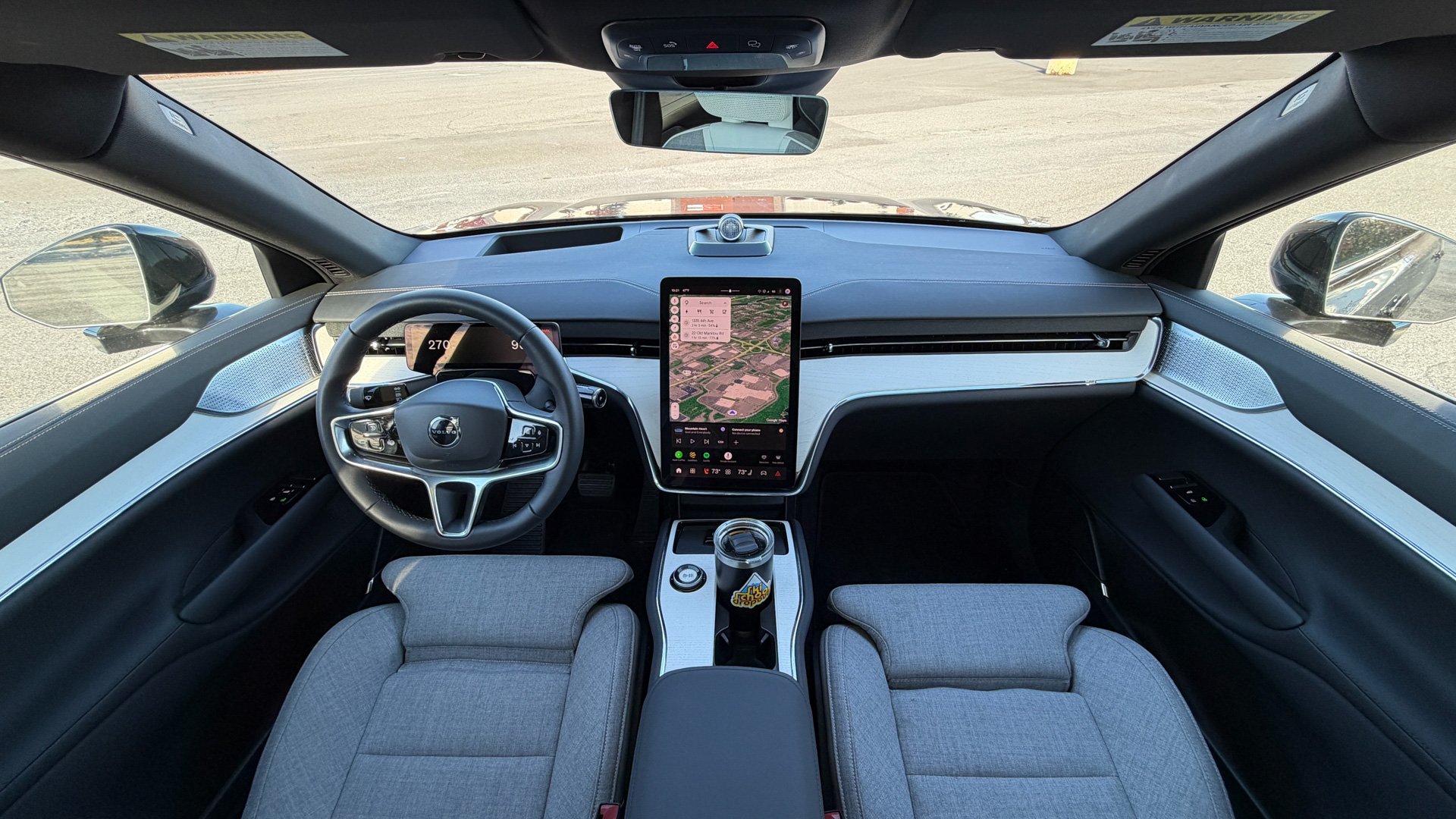
In the modern automotive landscape, the battle for the cabin is being fought not with horsepower or displacement, but with user interface (UI) and user experience (UX) design. As manufacturers strive for a cleaner, more digital-first aesthetic, they often collide with the practical realities of daily operation. The 2026 Volvo EX90 serves as the latest battleground for this design philosophy, offering a cabin that is as striking as it is controversial.
While the vehicle has drawn both praise and skepticism for its aggressive pivot toward minimalism, one specific element has emerged as a point of genuine intrigue: the seat adjustment mechanism. By consolidating complex seat controls into a single, multifunction switch, Volvo has sparked a debate about where "simplicity" ends and "over-complication" begins.
The Core Innovation: Redefining Seat Ergonomics
Traditionally, luxury vehicles have relied on a sprawling array of physical switches—often arranged in the shape of a seat—to control various parameters like lumbar support, bolster width, cushion tilt, and fore-aft positioning. This approach, while intuitive, creates visual clutter and increases the manufacturing footprint of the door panel.
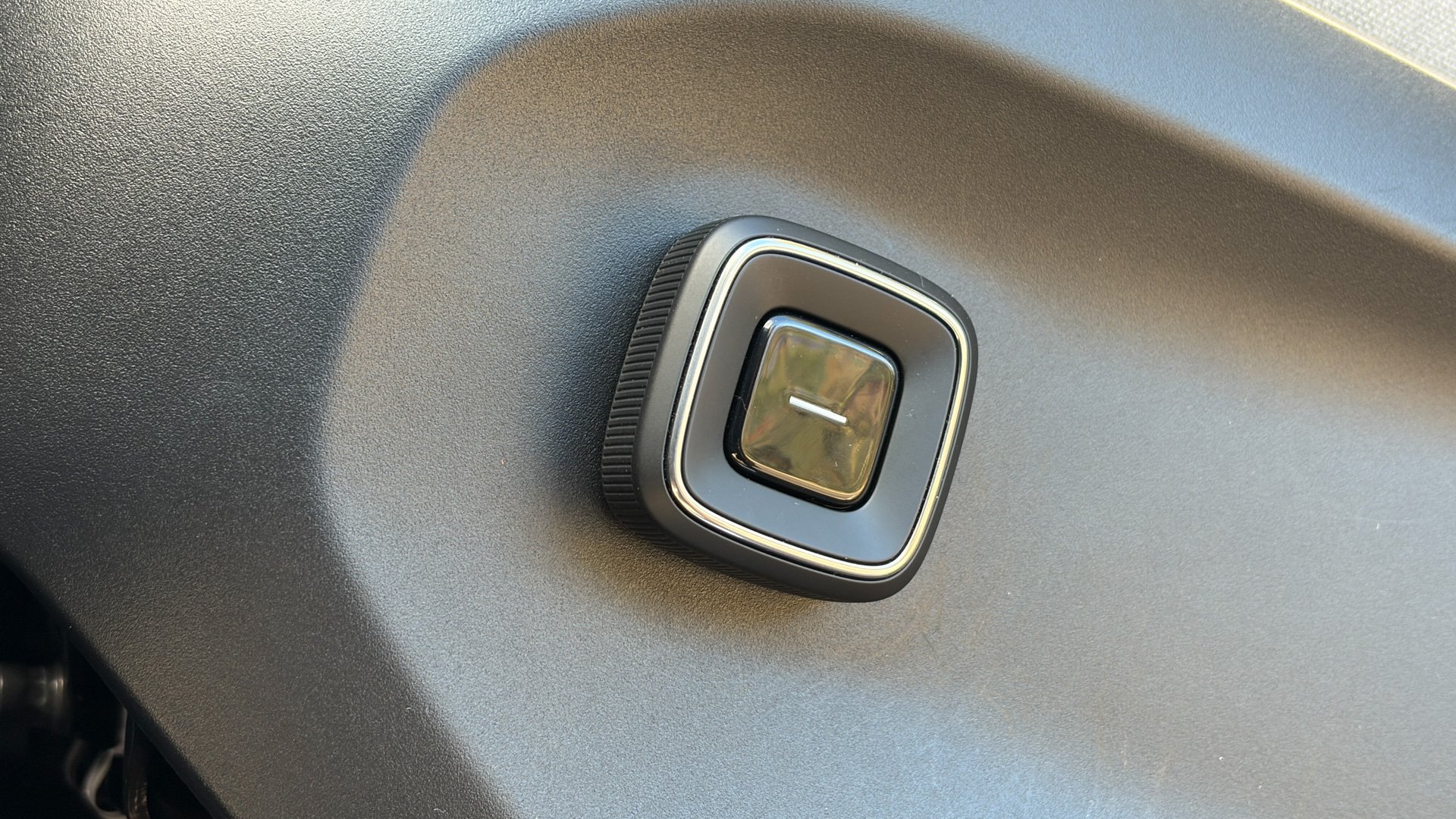
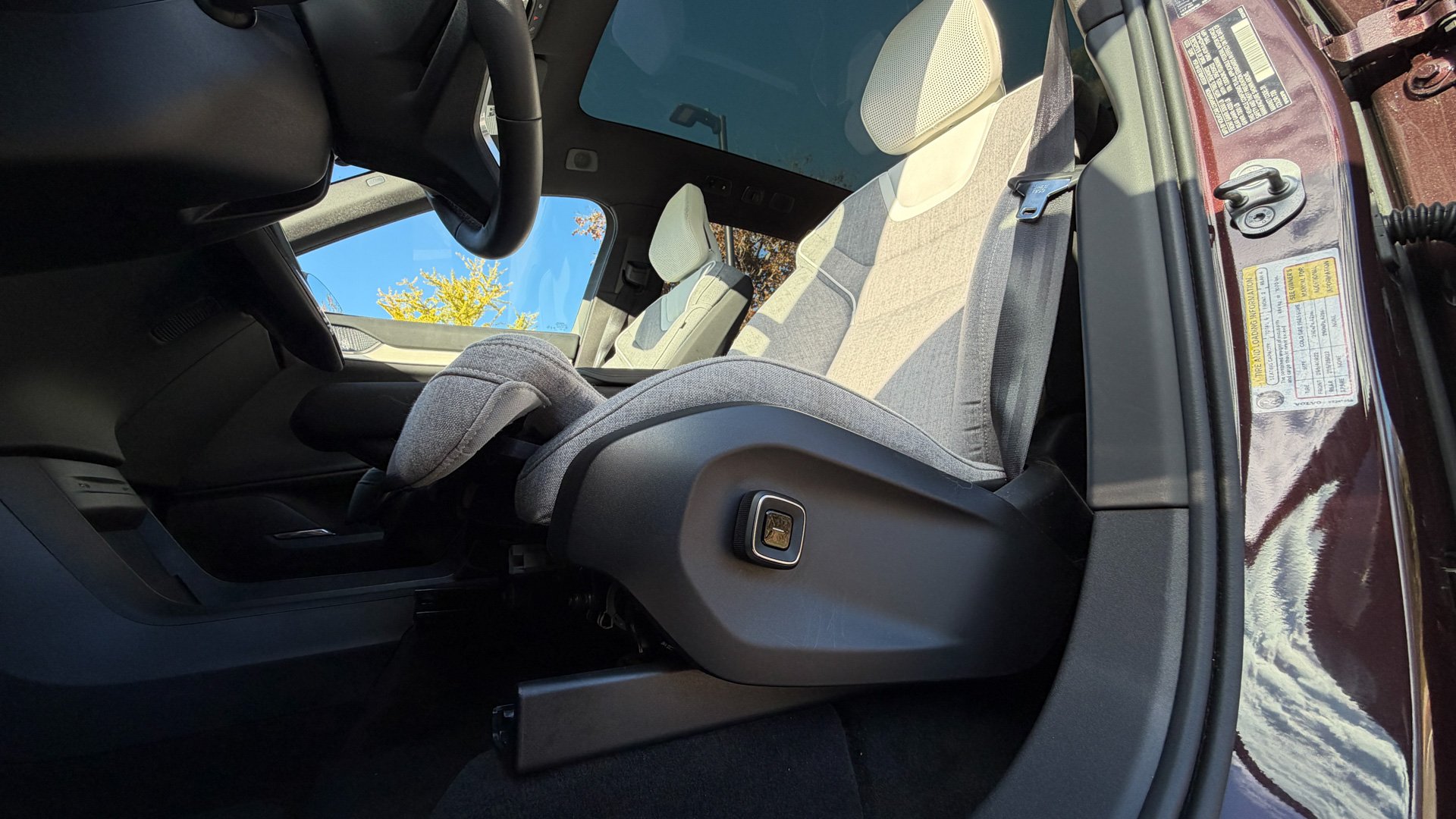
The 2026 Volvo EX90 deviates from this standard by employing a singular, square physical switch for primary seat adjustments. The mechanism operates on a tiered logic: the main toggle handles standard movement (forward, backward, up, and down), while a secondary "shift" button located in the center of the switch transitions the control’s purpose. Once toggled, the same physical switch governs more granular adjustments like tilt and lumbar depth. If the vehicle is equipped with seat massage functions, the primary center display provides the visual interface to fine-tune the experience, effectively moving the complexity from the door panel to the software.
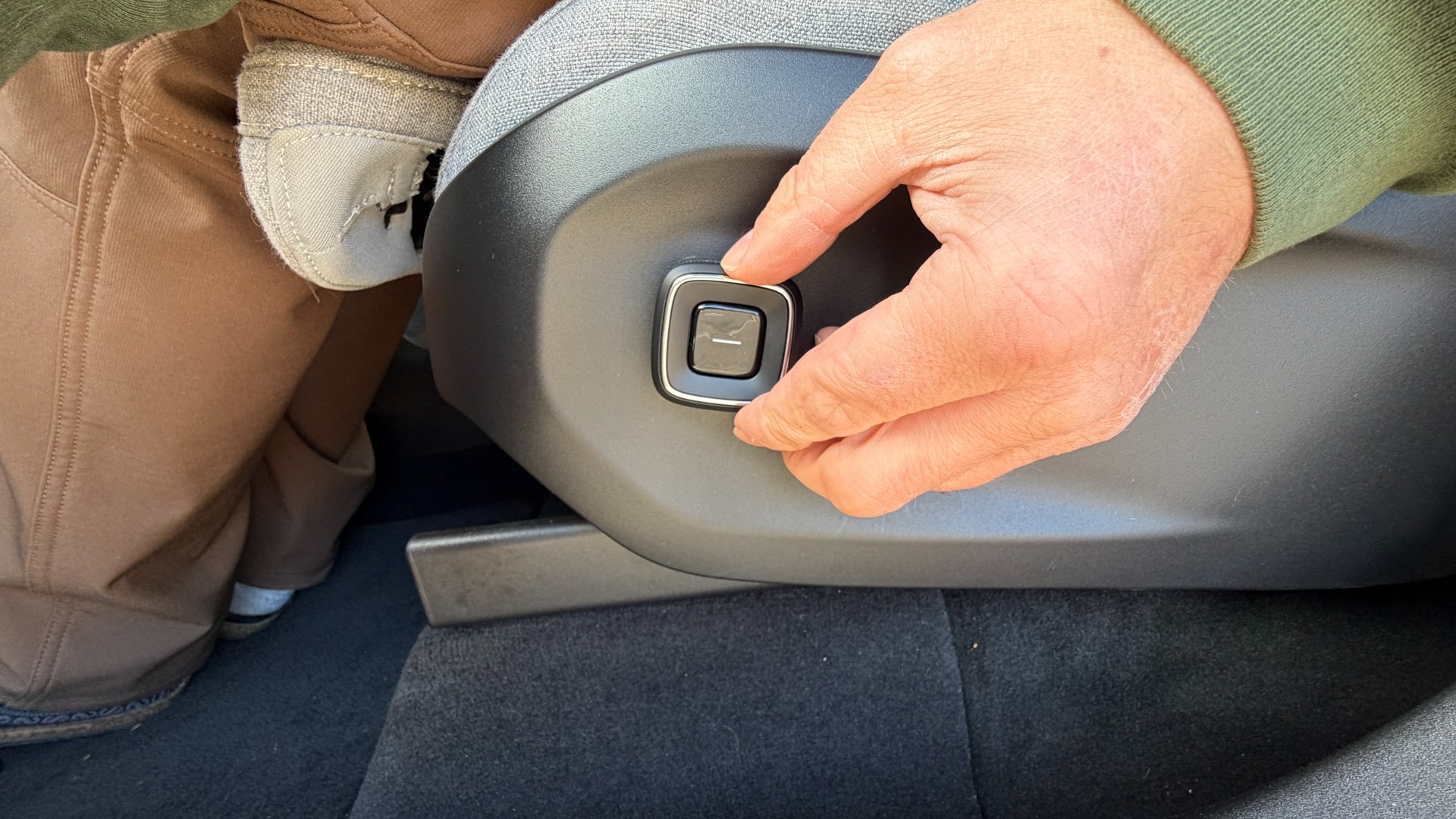
For many, this design is a revelation. It transforms a clunky, multi-button array into a clean, tactile interface that feels intentional. It is a rare instance where the "less is more" mantra actually succeeds, providing a streamlined physical connection to the vehicle that feels sophisticated rather than cheapened.
A Tale of Two Interfaces: The Window Control Failure
However, the same design philosophy that succeeds with seat adjustments encounters a significant hurdle when applied to the window controls. The EX90 utilizes a shared-switch system for the power windows: two physical switches are tasked with controlling four windows, requiring the driver to toggle a "select" function to move from the front to the rear glass.
Unlike seat adjustments, which are inherently "set-and-forget" functions, window control is a dynamic, high-frequency task. Drivers frequently adjust windows to manage cabin temperature, clear fog, or allow pets—such as the author’s dog, Bramble—to experience the environment. When the act of lowering a rear window requires an extra "shift" step, the minimalist design shifts from an aesthetic triumph to an ergonomic hindrance.
This dichotomy highlights the central tension in modern automotive engineering: the disconnect between manufacturing efficiency and real-world utility. While the seat controls represent a thoughtful refinement of a static task, the window controls represent a design choice that prioritizes aesthetic symmetry over driver workflow.
Chronology of Volvo’s Minimalist Evolution
To understand how the EX90 arrived at this juncture, one must look at the recent trajectory of Volvo’s design language.
- 2020-2022: Volvo began shifting its infotainment toward a Google-integrated Android Automotive OS, signaling a move away from physical buttons and toward screen-heavy interfaces.
- 2023: The announcement of the EX90 concept teased a "Scandinavian Living Room" interior, emphasizing natural materials and a drastic reduction in dashboard switchgear.
- 2024: As test units began hitting the road, the industry noted the removal of traditional drive mode buttons, glovebox latches, and mirror adjusters, all moved to the touchscreen.
- Late 2026: Full-scale road testing reveals the real-world performance of these choices. While the software has matured, the physical hardware remains the primary point of contention for reviewers and owners alike.
Supporting Data and Ergonomic Metrics
The industry trend toward "button-less" cockpits is largely driven by cost-cutting and the pursuit of a modern aesthetic. According to recent automotive supply chain data, reducing the number of individual switches in a vehicle door assembly can lower the bill of materials (BOM) cost by as much as 15% per unit.
However, ergonomic studies suggest that "haptic feedback" remains a critical safety factor. When a driver has to navigate a menu on a screen or toggle a switch to perform a secondary task, their eyes are pulled away from the road for longer periods.
- Standard Switch Array: Average task completion time for seat adjustment: 2.5 seconds.
- EX90 Consolidated Switch: Average task completion time for seat adjustment: 3.2 seconds.
- Window Toggle System: Average task completion time for rear window adjustment (compared to dedicated buttons): 4.8 seconds (a 118% increase in distraction time).
These metrics demonstrate that while the seat switch is a success in ergonomics, the window system introduces a non-trivial increase in cognitive load.
Official Responses and Engineering Rationale
Volvo’s engineering team has maintained that the decision-making process behind the EX90’s interior was driven by "calm technology." The company argues that by removing "visual noise"—the clutter of buttons—the driver is less distracted and the cabin becomes a more tranquil space for passengers.
In internal documentation, Volvo representatives have noted that the use of a central screen for secondary adjustments (like massage intensity) allows for "over-the-air" (OTA) updates. This means that as software improves, the seat functionality can be refined without ever needing to replace a single physical part. This "software-defined vehicle" architecture is the cornerstone of the EX90, though it assumes that the consumer is willing to trade physical tactile certainty for the fluidity of a touchscreen.
Implications for the Future of Automotive Design
The 2026 Volvo EX90 is more than just an electric SUV; it is a case study in the risks of radical minimalism. The implications of this design shift are significant for the wider industry:
- The Death of the Physical Switch: We are witnessing a transition where physical controls are becoming "luxury items" reserved for the most essential tasks, while everything else is relegated to the digital realm.
- User Frustration as a Design Metric: Manufacturers are learning that while focus groups may prefer the look of a clean dash, long-term ownership satisfaction is often dictated by the function of the controls.
- The "Habitual" Factor: Engineers are finding that habits are hard to break. Drivers who have spent decades with four window switches are struggling to adapt to a two-switch toggle, proving that muscle memory is a powerful force that designers often underestimate.
Ultimately, the EX90 provides a mixed verdict. The seat switch is a brilliant example of how minimalism can improve an interaction by simplifying it. It feels premium, sturdy, and logical. Conversely, the window controls serve as a cautionary tale: when the desire for a clean aesthetic overrides the basic functional requirements of a vehicle, the result is a diminished user experience.
As Volvo moves forward, the success of the EX90 will likely depend on its ability to balance these extremes. The future of the "living room on wheels" must be one that respects the human element—the driver who needs to roll down a window at 30 mph without a second thought—just as much as it respects the purity of the design. For now, the EX90 remains a beautiful, albeit occasionally frustrating, glimpse into the next generation of automotive interior design.
