





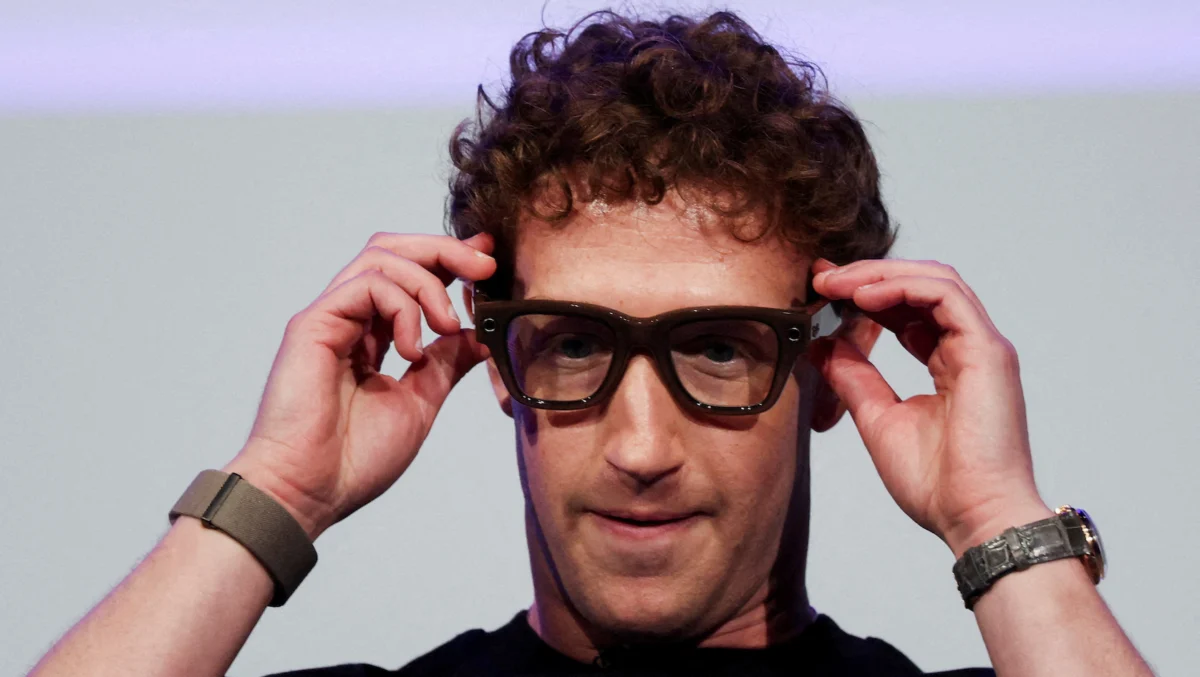
As wearable technology transitions from a niche enthusiast market to an everyday consumer staple, Australia’s eSafety Commissioner has sounded a clarion call regarding the unchecked rise of smart glasses. With affordable camera-equipped eyewear now appearing on the shelves of major retailers like Kmart, the government is grappling with a modern dilemma: how to embrace technological innovation without sacrificing the fundamental right to public privacy.
The eSafety Commission has issued urgent new guidance to the tech industry, mandating that manufacturers "bake in" privacy protections. At the heart of these recommendations are two non-negotiable features: the automatic, real-time blurring of faces of non-consenting individuals and the integration of highly visible indicators—such as external LED lights—to signal that a recording is in progress.
The Main Facts: Defining the Privacy Crisis
The proliferation of "smart" eyewear has fundamentally altered the power dynamic between the observer and the observed. Unlike smartphones, which are held at arm’s length, smart glasses offer a first-person perspective that is often indistinguishable from standard fashion eyewear. This "covert capture" capability has created a loophole in traditional social etiquette and existing privacy legislation.
According to the eSafety Commission, the risks are no longer theoretical. The ability to record video—and potentially livestream it—without the subject’s knowledge has opened the door to a host of digital harms, including image-based abuse, the targeting of children, and the creation of non-consensual sexual content.
The Commission’s mandate is clear: the onus must shift from the victim to the manufacturer. By requiring devices to automatically blur faces by default, the technology would essentially force a "privacy-first" design philosophy. Furthermore, the Commission is calling for a mandatory delay on livestreaming functions and a fail-safe mechanism that automatically disables recording capabilities the moment the glasses are removed from the wearer’s face.
Chronology of a Regulatory Shift
The urgency behind these measures is the result of a rapid acceleration in the availability of wearable cameras.
- Early 2024: Market saturation of low-cost, camera-integrated glasses increases significantly in the Australian retail sector, moving the technology from tech-specialty stores to general discount retailers.
- Mid-2024: Reports emerge of "pick-up artists" and other predatory actors using smart glasses to film women in public spaces without their consent. The footage is frequently uploaded to social media, often accompanied by misogynistic commentary, turning public space into a theater for harassment.
- August 2024: Attorney-General Michelle Rowland formally requests that the privacy commission investigate the adequacy of current regulations regarding smart glasses.
- Late August 2024: The eSafety Commission releases its formal guidance, warning industry leaders that "the harms linked to covert recording are not hypothetical."
- September 2024: Parliamentary discussions intensify as the Greens party proposes a 12-month moratorium on the import of smart glasses, citing the need to protect citizens while comprehensive legislation is drafted.
Supporting Data: The Anatomy of Modern Harm
The Commission’s concerns are rooted in the psychological and social impacts of constant, involuntary surveillance. Research indicates that the normalization of recording women in public settings without their knowledge is not merely a nuisance; it is a mechanism of control.
When these devices are used to capture images of people in their most vulnerable moments—or simply in their daily routines—without the ability to withdraw consent, it creates an environment of perpetual anxiety. The Commission noted that the current "wild west" approach to smart glasses allows for:
- Normalization of Harassment: Public filming without consent erodes the expectation of privacy, making it increasingly difficult for individuals to navigate public life without being "tracked" by strangers.
- Digital Persistence: Unlike a passing glance, digital footage can be stored, edited, and shared globally in seconds. The inability to "delete" one’s presence from a stranger’s cloud storage creates a sense of helplessness among the public.
- Cyber-Enabled Crime: The ease of recording provides a new, low-friction entry point for bad actors to engage in stalking, cyberbullying, and even the live-broadcasting of violent incidents.
Official Responses and Political Maneuvering
The government’s response to these technological challenges has been multifaceted, spanning beyond just wearable cameras to a broader overhaul of digital privacy laws.
Attorney-General Michelle Rowland has been at the forefront of this initiative. "We must ensure appropriate safeguards are placed around technology and stop the erosion of our privacy protections," Rowland stated. Her upcoming legislative agenda includes a "right to erasure," which would empower citizens to force tech companies to delete personal information held on their platforms. While this legislation excludes media organizations to protect journalistic freedom, it marks a significant shift toward user-centric data sovereignty.
However, the political appetite for regulation varies. While the government favors a "privacy-by-design" approach through industry standards, the Greens have taken a more aggressive stance. Their proposed 12-month import ban is designed to force a "stop-gap" period where the government can define exactly what constitutes a breach of privacy law—specifically regarding the storing and sharing of footage captured without consent.
Implications: The Road to 2027 and Beyond
The regulatory roadmap is not limited to smart glasses. The government is also preparing for a systemic upgrade to online identity security. By 2027, the "IDLock" service will be integrated into the federal MyGov platform, allowing Australians to effectively "lock" their sensitive identification documents—such as passports and driver’s licenses—to prevent them from being used in fraudulent online sign-ups or scams.
This move, combined with the new guidelines for smart glasses, suggests that Australia is moving toward a more mature, guarded digital ecosystem. The implications for manufacturers are significant: companies that refuse to implement "privacy-first" features, such as hardware-level facial blurring, may find themselves excluded from the Australian market or facing heavy litigation should their products be used to facilitate harm.
The Balancing Act
The industry, for its part, faces a difficult balancing act. Manufacturers argue that the utility of smart glasses—ranging from hands-free navigation and accessibility features for the visually impaired to industrial efficiency—could be hampered by over-regulation.
Yet, the eSafety Commission remains unmoved by these arguments, maintaining that technological innovation cannot come at the cost of civil liberties. "Companies selling smart glasses must balance the benefits of the technology with the need to protect users and the public," the commission asserted.
As the country prepares for the introduction of these new legal frameworks, one thing is certain: the era of "invisible" surveillance is coming to an end. Whether through market-driven innovation or government-mandated hardware requirements, the future of smart glasses will be one defined by transparency, consent, and the restoration of public anonymity.
Conclusion
The debate surrounding smart glasses serves as a microcosm of the broader tension between progress and protection in the 21st century. As devices become smaller, faster, and more integrated into our bodies and clothing, the legal definitions of "public" and "private" will continue to blur.
By demanding immediate, structural changes to the way smart glasses record the world, the Australian government is signaling that it will no longer allow the tech industry to dictate the terms of our social contracts. As we approach 2027, the combination of the right to erasure, identity locking, and mandatory hardware-level privacy features will likely set a new global standard for how we navigate a world where, quite literally, everyone has a camera in their eye. The challenge for policymakers will be to remain agile, ensuring that as technology evolves, our fundamental right to live without being unknowingly filmed remains intact.
