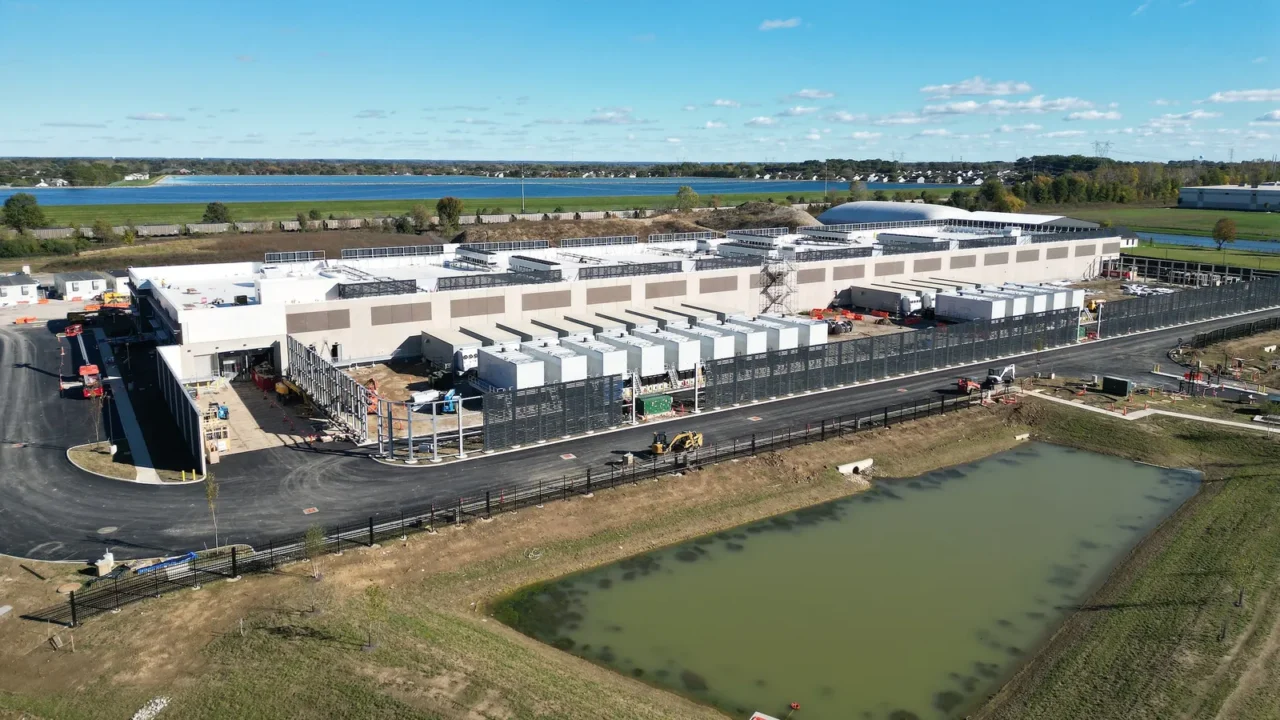



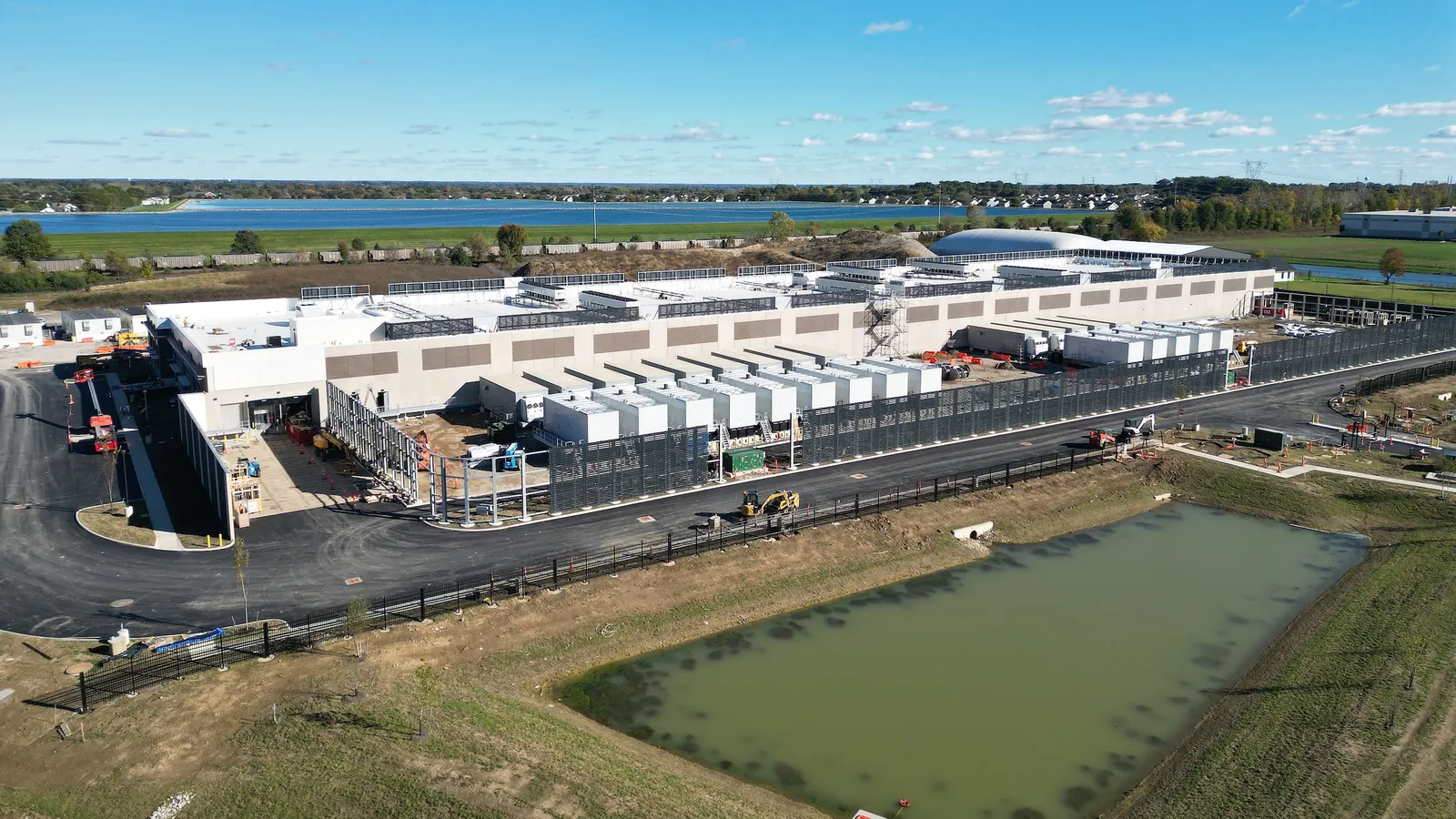
As the demand for artificial intelligence compute power skyrockets, the physical infrastructure supporting the digital age—massive, energy-hungry data centers—has moved from the fringes of municipal zoning board meetings to the center stage of American politics. On November 3, voters across 10 states will head to the polls to decide on 41 local ballot measures directly targeting the development and regulation of data centers.
This surge in local legislative activity marks a significant turning point in the relationship between the tech industry and the communities that host its physical footprint. From the rolling hills of Ohio to various municipalities across the country, citizens are increasingly asserting their right to determine the industrial landscape of their own backyards, setting the stage for a protracted battle over the future of AI infrastructure.
The Landscape of Opposition: Main Facts
The data, compiled by Ballotpedia, paints a picture of a nation grappling with the rapid, often opaque, expansion of digital infrastructure. Of the 41 measures appearing on the November 3 ballot, 17 explicitly call for the prohibition of new data center development, while eight seek to empower local governments with stricter permitting authority.
The scope of this movement is broad: at least 49 local ballot measures across 13 states have been or will be decided in 2026. Notably, all six measures already decided prior to the November election resulted in limitations on development, signaling a clear trend in voter sentiment. Following the general election, the focus will shift to Clarksville, Arkansas, where voters will determine the fate of bond authorizations linked to specific data center projects on December 1.
The primary drivers of this opposition are multifaceted. Residents are increasingly vocal about the impact of these facilities on local resources—specifically the massive electricity consumption and water usage required for cooling—as well as concerns regarding noise pollution, landscape degradation, and the perceived lack of transparency in how these projects are approved.
A Chronology of Conflict
The rise of the "anti-data center" movement did not happen overnight. It is the culmination of several years of aggressive infrastructure scaling by Big Tech firms struggling to keep pace with the generative AI boom.
- Early 2024 – Mid 2025: Initial signs of community friction emerged in areas where data centers were proposed in close proximity to residential zones. Zoning boards found themselves overwhelmed by concerned citizens, leading to the first waves of localized moratoriums.
- Late 2025: The momentum shifted from individual town hall complaints to organized legislative action. Ohio, in particular, became the epicenter of this movement due to its status as a major hub for data center investment, boasting 257 facilities.
- Summer 2026: A grassroots effort to amend the Ohio constitution to ban large-scale data centers (those with a peak load of more than 25 megawatts per month) gained significant traction. While the measure missed the deadline for the November 2026 ballot, organizers have already pivoted their strategy toward the 2027 cycle.
- September 2026: Political ad spending targeting data centers surged by 61% month-over-month, as candidates in gubernatorial and congressional races recognized the issue’s potency as a wedge topic that cuts across partisan lines.
- November 3, 2026: The nationwide "Day of Reckoning" for data center policy, where voters in 10 states will cast their ballots on 41 key measures.
Supporting Data: The Ohio Case Study
Ohio serves as the most prominent laboratory for this conflict. With 138 municipalities and townships having already enacted moratoriums on development, the state is at a standstill regarding new large-scale projects. According to data from the Ohio Capital Journal, 23 communities in the state have effectively banned the facilities altogether.
The sheer volume of measures—21 of the 41 national ballot initiatives are located in Ohio—highlights a profound disconnect between state-level economic development goals and local-level quality-of-life concerns. While the state government continues to court tech investment, local populations are utilizing the ballot box to impose a "pause" button on that expansion.
This is not merely a localized phenomenon; it is a trend supported by significant financial capital. Between January and September 2026, more than $45 million was spent on political advertisements that explicitly mentioned data centers in high-profile races. This spending demonstrates that the infrastructure debate has successfully penetrated the mainstream political discourse, moving from niche environmental activism to a top-tier campaign issue.
Perspectives from the Frontline: Official Responses and Expert Analysis
The industry’s expansion has been characterized by some as "shoddy" in its execution. Mark Muro, a senior fellow at Brookings Metro, noted during a recent webinar on the topic that the backlash is as much about the process as it is about the projects.
"The mutiny is about the way this technology is being introduced into people’s lives," Muro stated. "People may be worried about electricity costs, or water, or automation, or agents going rogue, but more broadly, they seem to feel they have little say in how AI is being rolled out."
Industry observers, such as Ishyan Veluppillai, an analyst at the investment firm Capstone, believe the current wave of ballot initiatives is a predictable reaction to an industry that moved too fast for local governance structures to catch up.
"It’s not surprising that we have this many local ballot initiatives on data center moratoriums, particularly in Ohio because of the higher concentration there," Veluppillai said. "As communities across this calendar year have been trying to respond to projects that are being announced in their own backyards, this is one of the tools that some communities are using to properly regulate the industry and future projects."
For tech developers, this creates a volatile environment. The uncertainty of whether a project will be greenlit—or retroactively blocked by a popular vote—adds a significant layer of risk to capital-intensive investments.
Future Implications: What Happens After November 3?
The results of the November 3 election will likely dictate the legislative roadmap for the next two years. If the anti-data center measures pass in high numbers, it will almost certainly trigger a wave of state-level legislative activity in 2027.
Veluppillai suggests that the implications for city and county officials are profound, particularly concerning the "pre-filing windows" for the 2027 legislative sessions. "As soon as the elections are complete and we know which way the wind’s blowing for data centers, I think you’ll start seeing a lot of legislation get introduced," he noted.
State legislatures may face a choice: either pre-empt local authority by passing state-level laws that protect data center development, or empower local municipalities to exercise even greater control over zoning and utility usage. Both paths come with political risks. Pre-empting local control could alienate voters who feel their autonomy is being stripped away, while allowing continued local bans could stifle the very AI-driven economic growth that many state governments are desperate to attract.
Ultimately, the data center debate of 2026 represents a broader struggle for control in the digital age. As the physical infrastructure of the internet becomes increasingly intrusive in the physical world, the public’s demand for a "seat at the table" is becoming an unavoidable reality for tech giants and policymakers alike. The coming months will determine whether a middle ground can be found, or if the friction between digital progress and local sovereignty will continue to heat up.
