





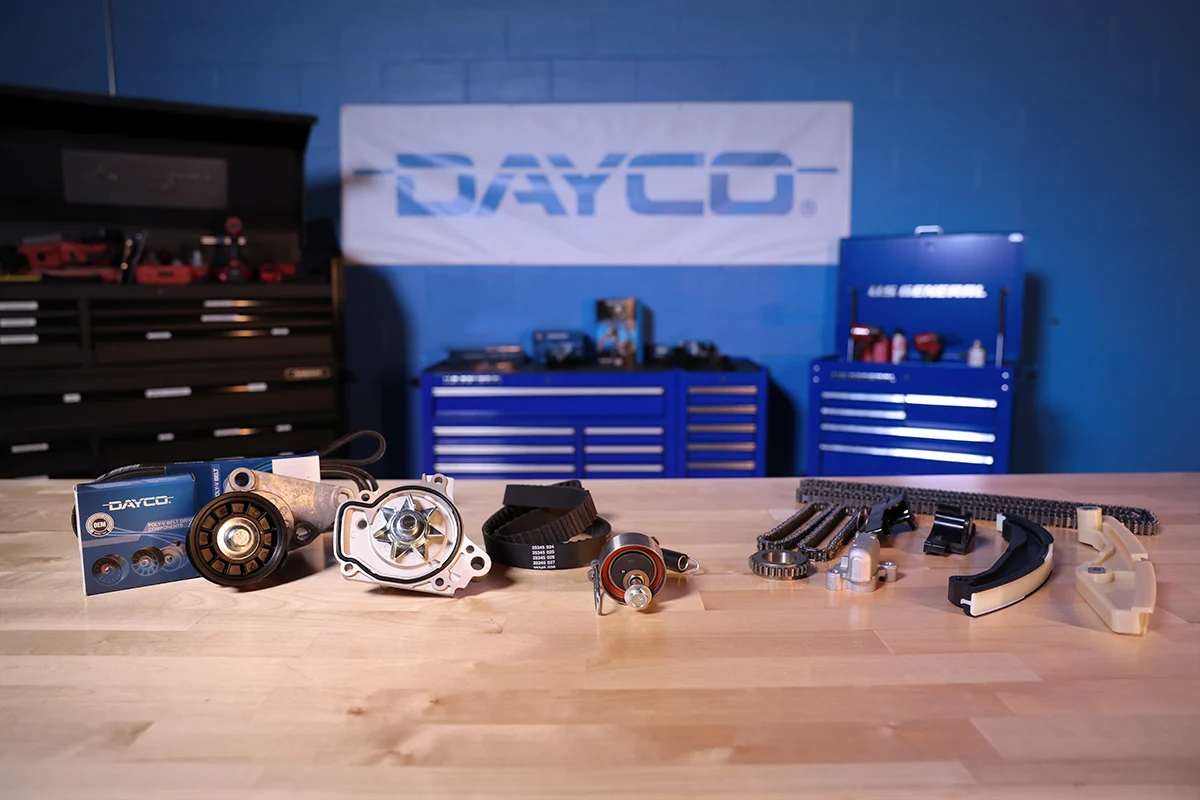
In the modern automotive service landscape, the philosophy of "repair" is undergoing a fundamental transformation. As vehicle architectures grow increasingly complex and consumer expectations for reliability soar, the industry is pivoting away from the "component-by-component" replacement model toward a comprehensive, systems-based approach. At the forefront of this shift is the rise of the integrated repair kit.
For shop owners, technicians, and parts distributors, kits are no longer just a convenience; they are becoming the primary mechanism for reducing comebacks, enhancing profitability, and ensuring long-term vehicle performance. By treating a drive system or a timing assembly as a single, interdependent ecosystem rather than a collection of disparate parts, the aftermarket is entering a new era of professional standard-setting.
Main Facts: The Shift to Integrated Solutions
The core premise of the modern repair kit is simple yet transformative: components within a system—such as the accessory drive or the timing drive—rarely wear out in isolation. When a belt, tensioner, or pulley reaches the end of its service life, the associated hardware has almost certainly experienced similar levels of stress and thermal degradation.
By replacing only the most visible failure point, technicians often leave underlying issues—such as a weakened tensioner or a worn idler pulley—to fail shortly thereafter. This creates the dreaded "comeback," where a customer returns within weeks or months, frustrated by a recurring noise or a secondary failure. Integrated kits, such as those engineered by Dayco, bundle every component necessary for a full-system refresh. These kits are not merely collections of parts; they are application-specific solutions designed to restore a vehicle to its original factory-spec performance.
Chronology: From Individual Components to System Architecture
The evolution of the repair kit mirrors the evolution of the automobile itself.
- The Era of Patchwork Repair: Decades ago, vehicles were mechanically simpler. A worn belt could be replaced by a generalist mechanic with little regard for the tensioner or pulleys, as the tolerances and system loads were lower.
- The Rise of Complex Systems: As manufacturers began pushing for higher efficiency and tighter packaging, the accessory drive and timing systems became highly integrated. The introduction of high-load automatic tensioners and specialized pulleys made the "belt-only" repair approach obsolete.
- The Data-Driven Pivot: Over the last decade, warranty data and telematics have confirmed that "partial repairs" lead to higher failure rates.
- The Present Day: The aftermarket has matured. Companies like Dayco have transitioned from being component manufacturers to system architects. Today’s kits are the result of advanced VIO (Vehicles in Operation) analysis, ensuring that the right parts reach the right markets at the right time.
Supporting Data: The Case for the Kit
The shift toward kits is backed by compelling data that speaks directly to the bottom line of repair shops and the longevity of the vehicle.
Reducing Premature Failures
Warranty data suggests that replacing the full system—rather than individual components—can reduce premature failures by up to 30 percent. When a new belt is installed on a worn tensioner, the improper tension can lead to premature glazing, slippage, and eventually, total system breakdown. By replacing the tensioner and pulleys simultaneously with a matched kit, the technician ensures that the new belt is operating within its intended tension parameters from the first rotation.
Financial Impact and Order Value
Kits are an effective tool for increasing the Average Repair Order (ARO). Consider a typical service bay that sees 50 vehicles per week. Industry data suggests that approximately 20 percent of these vehicles will present with signs of belt wear. If a shop adopts a policy of recommending a full-system replacement rather than a simple belt swap, the financial impact is significant.
For example, if just five of those 20 customers opt for a full system kit, the shop could see an incremental revenue increase of $8,000 or more per month. Crucially, this is not "upselling" in the traditional sense; it is a value-added recommendation that saves the customer the cost and inconvenience of returning for a secondary repair later.
Official Insights: Addressing the Five Pillars of Kit Education
To better understand the nuances of this transition, we look to the experts at Dayco, who address the most common questions regarding kit integration, reliability, and inventory management.
1. The "Why" of Integrated Repair
Why should a shop choose a kit over individual parts? The answer lies in the concept of the "complete job." Kits simplify the ordering process, ensuring that the technician has every necessary component—gaskets, seals, hardware, and belts—before they even open the hood. A prime example is the Dayco timing belt water pump kit, which often includes a 200,000-km warranty. This level of confidence is only possible when every component in the system is designed to work in tandem.
2. The Relationship Between Kits and Reliability
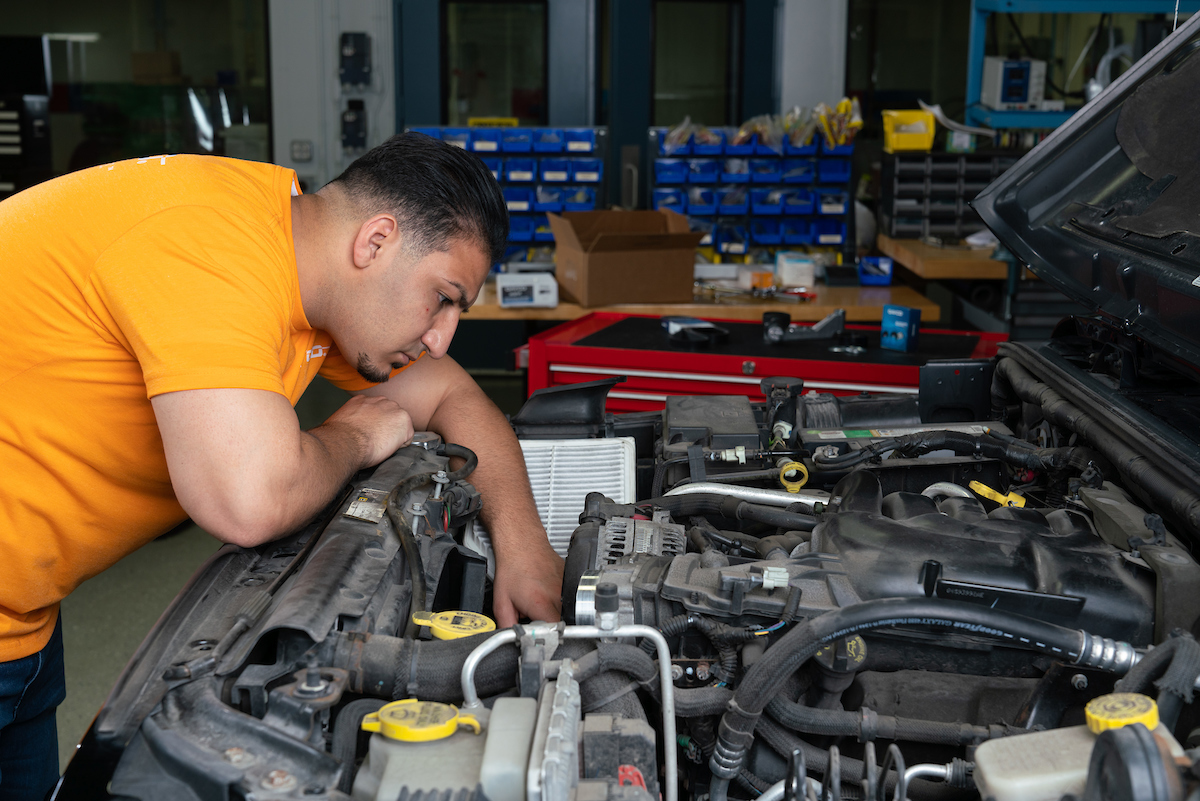
A common misconception is that a kit is just "more parts to buy." In reality, it is a risk-mitigation strategy. On an accessory drive system, a failing tensioner or pulley is a silent killer of new belts. A system-wide replacement is widely considered the industry "best practice" for ensuring vehicle performance and, more importantly, customer satisfaction.
3. Inventory Optimization and the AutoPartIQ Advantage
One of the most significant challenges for distributors is knowing which SKUs to stock. Inventory management is a balancing act of shelf space and turnover. Dayco’s proprietary AutoPartIQ tool has changed the game by evaluating their light vehicle product portfolio against hyper-targeted VIO data across all 35 census metropolitan areas in Canada. This allows distributors to stock kits that are guaranteed to turn quickly, rather than guessing based on regional trends.
4. Simplification of the Workflow
When a technician performs a timing chain repair, they traditionally face the burden of sourcing individual chains, tensioners, guides, and sprockets. This process is time-consuming and prone to human error (e.g., missing a small gasket). An integrated kit streamlines this process by providing all required components in a single box, complete with installation instructions. This reduces the administrative load on the shop and ensures that the technician can focus on the technical aspects of the repair.
5. Managing the Demand for Kits
The demand for kits is rising because vehicle owners are keeping their cars longer. As the average age of vehicles on the road increases, the need for deep, comprehensive maintenance grows. Kits allow shops to position themselves as experts in vehicle longevity, offering a "one-and-done" solution that builds trust with the consumer.
Implications: The Future of the Aftermarket
The transition to kit-based repairs carries significant implications for the future of the automotive service industry.
For the Technician
Technicians are moving away from the role of "part swappers" and into the role of "system diagnostic experts." The ability to communicate the benefits of a full system kit to a customer is a key professional skill. It shifts the conversation from price-per-part to the value of system integrity and long-term reliability.
For the Shop Owner
Shops that standardize on high-quality kits will likely see a reduction in warranty claims and customer complaints. While the upfront cost of a kit is higher than a single component, the reduction in comebacks creates a more efficient shop workflow. A shop that doesn’t have to redo work is a shop that can cycle more vehicles through the bay, effectively increasing their throughput and profitability.
For the Parts Distributor
Distributors who embrace data-driven inventory tools like AutoPartIQ will maintain a competitive edge. The ability to predict local market demand based on specific VIO data allows for leaner, more efficient operations. By providing shops with kits rather than individual SKUs, distributors become strategic partners in the repair process rather than simple commodity providers.
Conclusion
The industry’s shift toward comprehensive system solutions is not merely a trend—it is a necessary evolution in response to the increased complexity of modern vehicle systems. By focusing on the entire ecosystem of a repair, shops can provide better outcomes for their customers, increase their bottom line, and eliminate the inefficiencies that plague traditional, piecemeal repair methods.
As we look toward the future, the integration of advanced diagnostics, comprehensive kit solutions, and smart inventory management will define the leaders of the automotive aftermarket. Whether it is a timing belt replacement or a full serpentine system overhaul, the message from the industry is clear: Don’t just fix the part—fix the system.
For more information on how to integrate these solutions into your shop’s workflow, visit dayco.com to explore the latest in kit technology and training.
