





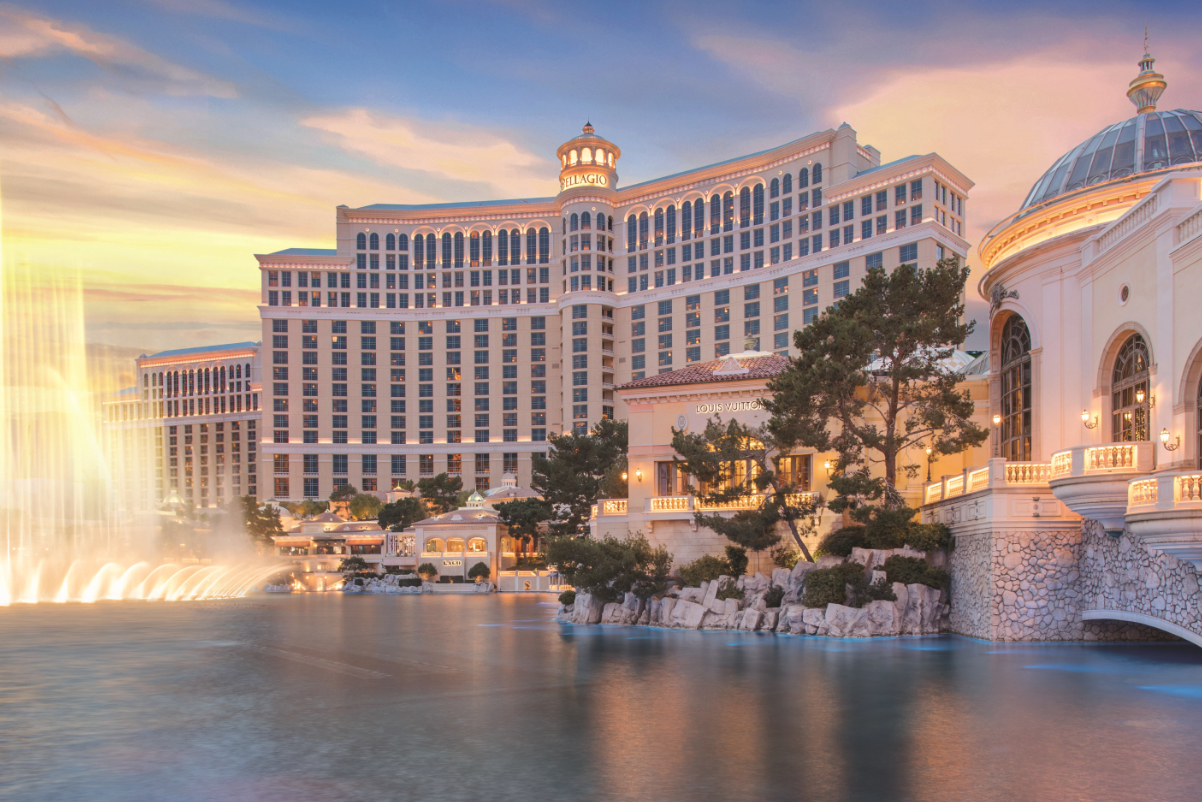
The neon glow of the Las Vegas Strip has long been a barometer for the American consumer’s discretionary spending habits. However, in the wake of MGM Resorts’ second-quarter financial disclosures, that barometer is pointing in two sharply different directions. The desert oasis is currently navigating a bifurcated recovery: while the ultra-luxury segment is thriving with unprecedented demand, the “value” consumer—the backbone of the city’s mass-market tourism—has yet to fully return to pre-pandemic levels of engagement.
Main Facts: A Tale of Two Economies
The second-quarter earnings report from MGM Resorts International served as a microcosm for the broader Las Vegas hospitality landscape. The data reveals a city that is increasingly catering to the high-net-worth individual while struggling to recapture the middle-income traveler.
According to the report, while Strip-wide occupancy rates remained relatively stable at 93%, this figure masks a troubling trend in pricing power. The Average Daily Rate (ADR) across the portfolio fell by 4%, settling at $242. While a $242 room rate might sound robust to the casual observer, for MGM, it reflects a softening demand curve among travelers who prioritize affordability over exclusivity.
The split is stark. Properties synonymous with high-end luxury—such as the Bellagio, Aria, and the Cosmopolitan—continue to see record-breaking interest and robust spending. Conversely, mid-tier and budget-conscious properties, specifically Luxor and Excalibur, are facing significant headwinds. These properties, which rely on volume and the “everyman” traveler from hubs like Cleveland or Calgary, are struggling to maintain the pricing and occupancy levels that defined the industry’s mid-market sector just a few years ago.
Chronology of the Recovery
To understand the current stagnation, one must look at the trajectory of the post-2020 landscape.
- 2021-2022: The "Revenge Travel" Era: Following the lifting of pandemic restrictions, Las Vegas experienced a surge in "revenge travel." Consumers, flush with stimulus savings and pent-up desire, flocked to the city. During this period, ADRs skyrocketed across all tiers, and the distinction between luxury and value was temporarily blurred by overwhelming demand.
- 2023: The Inflationary Squeeze: As inflation began to erode purchasing power, the middle-class traveler began to pull back. Gas prices, airfare hikes, and the rising cost of living started to disproportionately affect those who typically book mid-range accommodations.
- 2024: The Bifurcation: By the second quarter of 2024, the divide became undeniable. The luxury segment, bolstered by high-spending international travelers and a resilient domestic wealthy class, decoupled from the broader economic trends. Meanwhile, the value-conscious segment began to feel the full weight of the current economic cycle, leading to the 4% decline in average daily rates reported by MGM.
Supporting Data: The Numbers Behind the Narrative
The numbers provided by MGM Resorts offer a precise look at the shifting demographics of the Las Vegas visitor.
The 93% occupancy rate, while seemingly healthy, suggests that the market is attempting to maintain volume at the cost of yield. When a hotel drops its ADR to drive occupancy, it signals that the natural organic demand for those rooms has weakened.
Furthermore, the visitor volume data is telling. Las Vegas recently reported welcoming 3.1 million visitors in a single month, a healthy figure by historical standards. However, the spending patterns within those 3.1 million visitors have shifted. The "average" visitor is spending less on non-gaming activities—shows, dining, and retail—compared to the luxury segment, which has seen an increase in per-capita spend.
The reliance on the "value customer" is a strategic imperative for Las Vegas. These travelers represent the bulk of the casino floor traffic and the consistent demand that keeps properties like Excalibur profitable. When this demographic is squeezed by economic pressures, the secondary revenue streams—food and beverage, nightlife, and mid-tier entertainment—suffer significantly.
Official Responses: Insights from Leadership
MGM Resorts leadership has been candid about the challenges facing their portfolio. During the earnings call, Ayesha Khanna Molino, Chief Operating Officer, provided a blunt assessment of the situation.
"We continue to see really strong strength in the luxury segment," Molino stated, emphasizing that high-end experiential travel remains a top priority for their most affluent clientele. However, she acknowledged the disparity, noting that, "The lower end of the segment, particularly Luxor and Excalibur, those do remain challenged."
CEO Bill Hornbuckle echoed these sentiments, framing the situation as a lack of "value customers." Hornbuckle noted that while the "very top end is very strong," the city is currently missing the depth of the middle-market crowd. He suggested that the current economic environment—characterized by higher interest rates and a cooling labor market—has forced the budget-conscious traveler to delay or cancel their discretionary trips to Las Vegas.
These official remarks underscore a shift in corporate strategy. MGM and other major operators are now forced to navigate how to incentivize the value traveler without diluting the brand identity of their more premium offerings.
Implications for the Future of Las Vegas
The bifurcation of the Las Vegas economy carries profound implications for the city’s future growth and urban planning.
The Rise of the Luxury-Only Destination?
If the value segment continues to struggle, we may see a pivot where major operators focus exclusively on high-end development. This could lead to a permanent restructuring of the Strip, where mid-market hotels are either renovated into luxury properties or repurposed entirely. However, this carries the risk of alienating the broader tourist base that makes Las Vegas a global icon rather than just a niche luxury destination.
The Impact on Ancillary Businesses
The “Las Vegas ecosystem” relies on a diverse range of visitors. When the value-conscious traveler stays home, the ripples are felt far beyond the casino floor. Local restaurants, independent show producers, and service-sector workers rely on the volume generated by the mid-tier traveler. A continued slump in this sector could lead to a decrease in the variety of entertainment options available, as businesses focus only on the high-margin, high-end consumer.
Strategic Pricing and Marketing
Operators will likely need to employ more sophisticated pricing strategies to recapture the value customer. This may include dynamic packaging, where hotels bundle rooms with dining and show credits to make the “all-in” cost feel more manageable for the middle-class family or the budget-conscious weekend warrior.
Macroeconomic Sensitivity
Ultimately, the future of Las Vegas remains tethered to the broader U.S. economy. If interest rates stabilize and inflation continues to cool, the value customer may return to the Strip by 2025. However, if the current trend of wage stagnation continues to outpace the rising cost of leisure travel, Las Vegas may have to permanently lower its expectations for the middle-market segment.
Conclusion
The latest data from MGM Resorts is a wake-up call for the hospitality industry. Las Vegas, once seen as a recession-proof destination, is now navigating the complexities of a split economy. While the glittering heights of luxury continue to reach new peaks, the foundation of the city’s tourism model is showing cracks.
For the city to maintain its status as the entertainment capital of the world, it must find a way to bridge the gap between its luxury offerings and the everyday traveler. The resilience of the “value customer” is not just a metric on a spreadsheet; it is the heartbeat of Las Vegas. Whether that heart will beat with the same vigor in the coming years remains one of the most significant questions facing the travel industry today. As the city looks ahead, the challenge will be to ensure that the neon lights continue to shine for everyone, not just those who can afford the top-tier suites.
