




By Editorial Staff
Published September 18, 2026
In a rare display of legislative unity, the U.S. House of Representatives overwhelmingly passed the Water Resources Development Act (WRDA) of 2026 on September 16, with a resounding 415-9 vote. The bill, which now advances to the Senate, represents the latest iteration of a biennial tradition that has served as the backbone of American water infrastructure policy since 2014. By focusing on flood mitigation, the modernization of inland waterways, and the enhancement of the partnership between local governments and the U.S. Army Corps of Engineers (USACE), the 2026 legislation seeks to address the escalating threats posed by climate change and aging infrastructure.
Main Facts: A Blueprint for Resilience
The Water Resources Development Act of 2026 is designed to be more than just a list of authorized projects; it is a structural reform package. At its core, the legislation provides the framework for the Army Corps of Engineers to execute locally generated water resource projects.
Key provisions include:
- Operational Reform: The creation of specialized offices within the USACE to handle inland navigation, alternative project delivery methods, and technical assistance.
- Safety Upgrades: A formal reauthorization of the Federal Emergency Management Agency’s (FEMA) Rehabilitation of High Hazard Potential Dam Grant Program.
- Policy Streamlining: The integration of the bipartisan CLEAN-UP Act, which aims to remove bureaucratic bottlenecks for waterway remediation projects.
- Local Empowerment: Enhanced communication protocols intended to bridge the gap between federal mandates and the specific, on-the-ground needs of municipal sponsors.
The legislation reflects a shift in congressional priorities—moving from reactive disaster recovery to proactive, pre-emptive infrastructure hardening.
Chronology: The Path to WRDA 2026
The passage of the 2026 act is the culmination of months of intense negotiation, public hearings, and local advocacy.
- Early 2026: Congressional committees begin reviewing the performance of the 2024 WRDA and identifying gaps in the nation’s flood defense capabilities, particularly in the wake of extreme weather events in regions like Kentucky and the Gulf Coast.
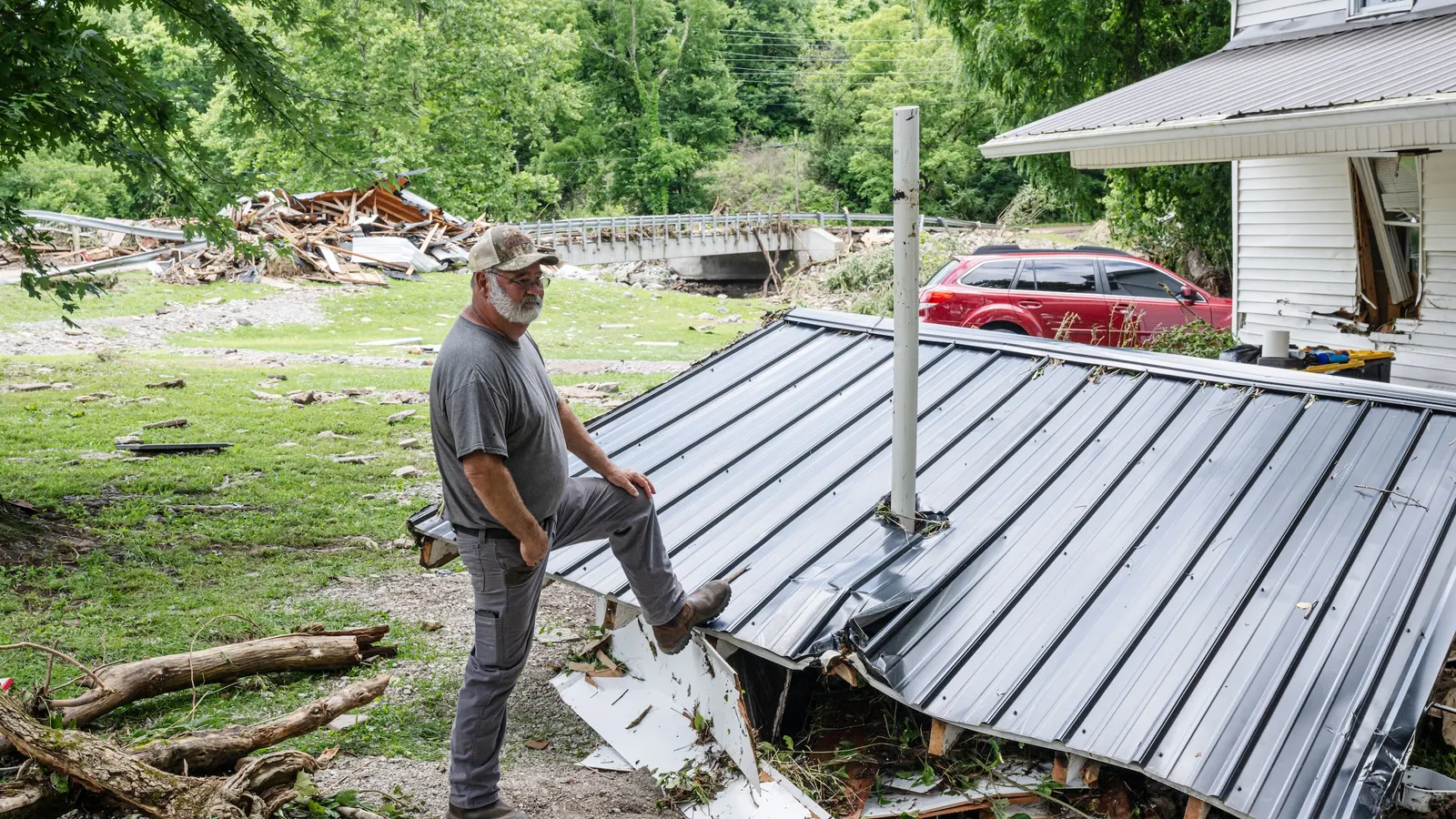
- June 28, 2026: A devastating flood event in Richmond, Kentucky, serves as a grim reminder of the urgency of water infrastructure investment. Images of displaced infrastructure, such as the roof of the Million Bible Church floating onto neighboring property, circulate in national media, galvanizing public support for legislative action.
- June 30, 2026: The National Association of Counties (NACo) submits a letter of support to the House, highlighting the need for specialized offices to improve the partnership between the Corps and local entities.
- September 16, 2026: The House of Representatives votes 415-9 to pass the bill, signaling broad bipartisan agreement on the necessity of the infrastructure investments.
- Post-September 16, 2026: The bill moves to the Senate, where it is expected to undergo further debate and potential adjustments before reaching the President’s desk.
Supporting Data and Economic Implications
The economic stakes of WRDA 2026 are significant. The U.S. Chamber of Commerce, in a formal letter of support signed by Senior Vice President Rodney Davis, emphasized that WRDA is one of the most effective tools Congress possesses to sustain national growth.
According to industry analysts and the U.S. Chamber, the primary economic benefits include:
- Resilient Supply Chains: Modernized ports and harbors are essential to maintaining the flow of commerce, preventing bottlenecks that lead to inflation and logistical gridlock.
- Investment Certainty: By providing a clear authorization roadmap, the act encourages private sector participation in public infrastructure projects.
- Risk Reduction: The cost of proactive infrastructure investment is estimated to be significantly lower than the recurring costs of disaster recovery. For every dollar spent on mitigation, the return on investment through reduced property damage and lost productivity is substantial.
However, fiscal experts, including those from the Water Program Portal, have issued a note of caution: WRDA is an authorization bill, not an appropriations bill. This means that while projects are legally authorized, they are not guaranteed funding. The transition from the "authorized" status to the "construction" phase requires subsequent action from the House Energy and Water Appropriation Subcommittee to secure the necessary capital.
Official Responses: A Bipartisan Consensus
The rhetoric surrounding the bill’s passage highlights a shared commitment to addressing water security.

Transportation and Infrastructure Committee Chairman Sam Graves (R-Mo.) praised the collaborative nature of the bill. "WRDA 2026 makes significant improvements across the country to our inland waterways, ports and harbors, flood protection, and other critical water infrastructure," Graves said in a statement. He emphasized that the legislation is not just about spending, but about "common-sense reforms" that empower local communities and expedite project delivery—a sentiment echoed by many in the House.
Rep. Nellie Pou (D-N.J.), the sponsor of the CLEAN-UP Act component of the package, underscored the moral and practical necessity of the bill. "I am especially proud this package includes my bipartisan CLEAN-UP Act," she remarked. "We cannot keep waiting until after disaster strikes to act. We must be proactive and give our communities the tools to protect themselves before the next storm comes."
From the perspective of implementation, Rep. Scott Franklin (R-Fla.) highlighted the logistical challenges ahead. "Congress can authorize important projects, but we must also ensure the Corps can execute them efficiently and keep long-term work on schedule," Franklin noted. He signaled that his focus, and that of the Appropriations Subcommittee, will be to ensure that the bureaucratic machinery of the Army Corps is sufficiently funded and directed to move projects from paper to reality.
Implications: The Road Ahead
The passage of WRDA 2026 holds profound implications for the future of American civil engineering and community planning.
Decentralizing Technical Expertise
By mandating that the Army Corps establish specialized offices for water supply and alternative delivery, the legislation acknowledges that a "one-size-fits-all" federal approach is no longer viable. Local municipalities face unique geographical and hydrological challenges; by providing them with specialized technical assistance, the federal government is effectively outsourcing problem-solving to those closest to the issues.

The Challenge of Execution
While the 415-9 vote suggests overwhelming support, the real test of WRDA 2026 will occur in the coming months as the Senate reviews the bill and the appropriations process begins. The history of water infrastructure is littered with "authorized" projects that languished due to a lack of dedicated funding.
The focus on "alternative delivery" methods, as mentioned in the bill, suggests that Congress is looking for ways to bypass traditional, slow-moving procurement cycles. This could lead to a faster deployment of resources, provided that the Army Corps can navigate the regulatory hurdles required to implement these new models.
Long-Term Resilience
Ultimately, WRDA 2026 represents a pragmatic realization: the climate is changing, and the infrastructure built in the 20th century is struggling to cope with the weather extremes of the 21st. From the flood-ravaged plains of Kentucky to the busy ports of the Atlantic coast, the need for robust, reliable water infrastructure is a unifying issue.
As the Senate takes up the mantle, the focus will remain on whether the bill can maintain its bipartisan momentum. If it succeeds, WRDA 2026 will be remembered as a pivotal piece of legislation that moved the United States from a state of reactive crisis management to one of planned, resilient growth. The nation waits to see if this promise of efficiency and safety will manifest in concrete and steel, ensuring that when the next storm comes, the nation’s defenses are not just authorized—they are ready.
