
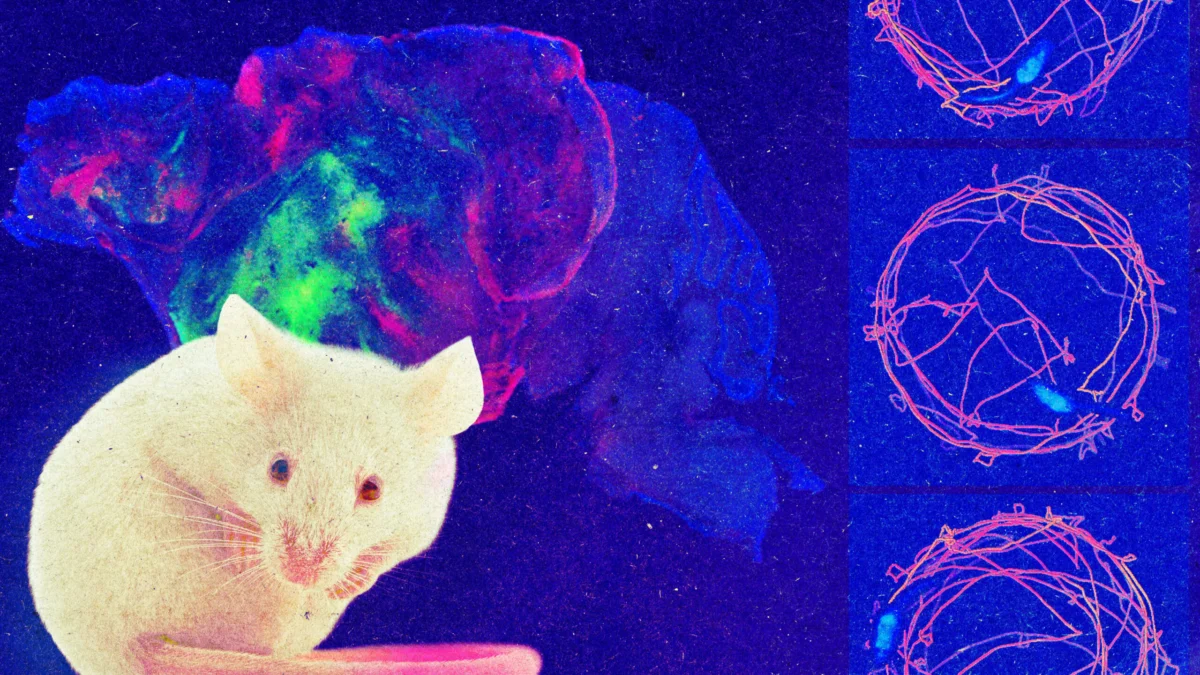




In a landmark study published this week in the journal Nature, a team of neuroscientists at Stanford University has unveiled a radical advancement in the field of regenerative medicine and synthetic biology. Led by renowned neuroscientist Sergiu Pașca, the research team has successfully integrated human brain "organoids"—miniaturized, three-dimensional blobs of neural tissue—into the brains of living mice, effectively replacing missing neural architecture with human cells.
This development marks a significant shift from previous attempts at interspecies tissue integration. By genetically engineering mice to lack specific components of the cortex and hippocampus, the researchers created a "biological vacuum" that the transplanted human cells were able to occupy, grow, and eventually integrate into the rodents’ nervous systems.
The Chronology of a Neural Breakthrough
The road to this week’s announcement began years ago with the development of brain organoids. Initially, these clusters of cells were used purely for in vitro study, allowing researchers to observe how neurons grow and fire in a controlled, petri-dish environment.
In 2022, Pașca’s laboratory achieved a notable milestone when they successfully transplanted human neural organoids into the brains of infant rodents. That study demonstrated that human cells could not only survive in a foreign host but could also forge synaptic connections with the host’s existing neural architecture. However, those early experiments faced physical limitations; the existing rodent brain tissue left little room for the human cells to expand or function effectively.
The current study represents the next logical, albeit controversial, step. By utilizing CRISPR-based genetic modification, the team created a lineage of mice with intentionally stunted cortical development. These "empty" regions of the brain provided a receptive environment for the human stem cells. Upon transplantation, the human tissue expanded, filling the void and effectively "re-wiring" the mouse’s cognitive capacity.
Supporting Data: From Maze Tests to Cognitive Gains
The quantitative results of the experiment were as striking as they were unexpected. Researchers conducted rigorous behavioral assessments to determine whether the integrated human tissue influenced the mice’s cognitive output.
The baseline mice—those modified to lack the cortex and hippocampus—displayed significant deficits. In maze-navigation tests, these animals struggled to retain spatial memory, failing to distinguish between explored and unexplored territories. Their behavior was characterized by a lack of orientation and the typical signs of cognitive impairment one might expect from a subject missing critical brain structures.
In contrast, the "xenocortical mice"—those that received the human neural grafts—showed marked improvement. The presence of the human cells appeared to rescue, at least partially, the cognitive functions lost due to the initial genetic editing. The human tissue, having integrated into the mouse’s nervous system, allowed the animals to navigate the maze with a level of proficiency that their untreated, genetically modified counterparts could not match.
These findings suggest that the human cells are not merely "filling space" but are actively contributing to the processing of information. "Human cells that are placed in these animals will divide, will grow, and within a few weeks to a few months they will take most of that space," Pașca noted during a press briefing.
Official Responses and Scientific Context
The scientific community has reacted to the study with a mixture of awe and professional caution. Carsten Charlesworth, a researcher at Stanford not involved in the study, described the work as a "dramatic demonstration of the combined power of genetic engineering and stem-cell technology to reshape biology."
"What’s most remarkable to me," Charlesworth remarked, "is the extent to which human neural tissue introduced after birth grew and connected with the mouse nervous system across a species barrier. As these technologies advance, they will increasingly force us to challenge our traditional assumptions about the boundaries of biological identity."
The research has also reignited discussions regarding the future of organoid technology. Beyond basic research, scientists are already exploring whether these organoids could be tethered to electronic interfaces. Recent experiments have attempted to connect brain organoids to computers to perform tasks like speech recognition or playing video games. Other groups are investigating the potential of using organoid therapy as a "replacement part" system for human stroke victims, offering hope for treating degenerative brain diseases that were previously considered irreparable.
The Ethical Landscape: Where Do We Draw the Line?
Despite the potential for medical breakthroughs, the ability to create chimeric, human-infused brains raises profound ethical questions. Last year, Pașca took the proactive step of convening a group of international ethics experts to formalize a framework for the oversight of neural organoid technology.
The core of the debate centers on the risk of "humanization." At what point does an animal, carrying a significant volume of human neural tissue, cross the threshold of cognitive status that warrants moral or legal protections?
Pașca remains firm in his current assessment, noting that the rodents in his study do not possess human-level consciousness. "For now, I am not concerned that the rodents have any type of human cognitive capacities," he explained. "Their brains are relatively tiny, and the evolutionary distance between man and mouse is so great that a ‘human’ mind simply cannot emerge within that biological substrate."
However, he is acutely aware of the "slippery slope" this research creates. Pașca has established a clear "red line": the use of non-human primates.
"One of the things that I see as a very clear red line is doing this experiment in a primate," Pașca stated. "I don’t think that is justified at this point in any way." His reasoning is that a primate, being genetically and physiologically closer to humans, might possess the structural complexity required for human-like cognition to emerge if a large volume of human tissue were successfully integrated. Such an outcome could potentially blur the cognitive boundaries between human and non-human, creating an ethical quagmire that current regulations are ill-equipped to handle.
Implications for the Future of Neuroscience
The study of xenocortical mice serves as a beacon for the future of brain injury research. By providing a living, functioning model of a human-integrated cortex, researchers hope to gain unprecedented insights into the recovery processes of the brain. If we can understand how human cells "repair" or replace missing structures in a mouse, we may eventually unlock the ability to treat complex human conditions like traumatic brain injury, Alzheimer’s, or severe stroke damage.
However, the rapid pace of this technology is outpacing the public discourse. The prospect of "organoid therapy clinics," which Pașca warned could potentially prey on desperate patients with unproven and dangerous treatments, highlights the need for stringent regulatory oversight.
As we stand on the threshold of this new frontier, the Stanford study serves as both a roadmap and a warning. It is a testament to human ingenuity—the ability to bridge the gap between species and potentially mend the broken human mind. Yet, it also demands a sober reflection on the nature of identity and the responsibilities that come with the power to manipulate the biological foundations of thought.
For now, the xenocortical mouse remains a laboratory tool—a fascinating, albeit limited, window into the potential of neural integration. Whether it remains a tool or becomes the precursor to a paradigm shift in how we define human intelligence depends on the rigor of the ethical frameworks we choose to build around it. As Charlesworth noted, the challenge is no longer just about what we can do, but what we should do, as we continue to push against the barriers that have defined biology for millennia.
