




Introduction: A Fragile Humanitarian Landscape
In a significant escalation of international scrutiny regarding the ongoing conflict between Israel and Hezbollah, the United Nations Committee on the Elimination of Racial Discrimination (CERD) has issued a formal warning concerning the deteriorating human rights situation in Lebanon. Invoking its "Early Warning and Urgent Action Procedure," the committee has called for an immediate cessation of attacks that indiscriminately impact civilian populations.
The committee’s intervention underscores a critical legal principle: the prohibition of racial discrimination is absolute and permits no derogation, even amidst the chaos and existential threats of armed conflict. As the conflict intensifies, the UN body is raising alarms that the humanitarian toll—characterized by mass displacement and significant civilian casualties—is increasingly intersecting with concerns regarding discriminatory practices and the dehumanization of affected populations.
Chronology: From Border Skirmishes to Regional Crisis
To understand the gravity of the CERD’s current intervention, one must track the rapid evolution of the conflict over the past several months:
- Early 2026 (The Escalation Phase): Following months of cross-border fire, military operations between the Israel Defense Forces (IDF) and Hezbollah intensified significantly. The scope of engagement moved beyond tactical border skirmishes into a broader strategic campaign.
- March 2026 (The Displacement Spike): The IDF issued a series of "blanket" evacuation orders. According to CERD records, over 70 such directives were issued within a single month, impacting nearly 190 towns and villages across southern Lebanon. This triggered an immediate, large-scale humanitarian crisis.
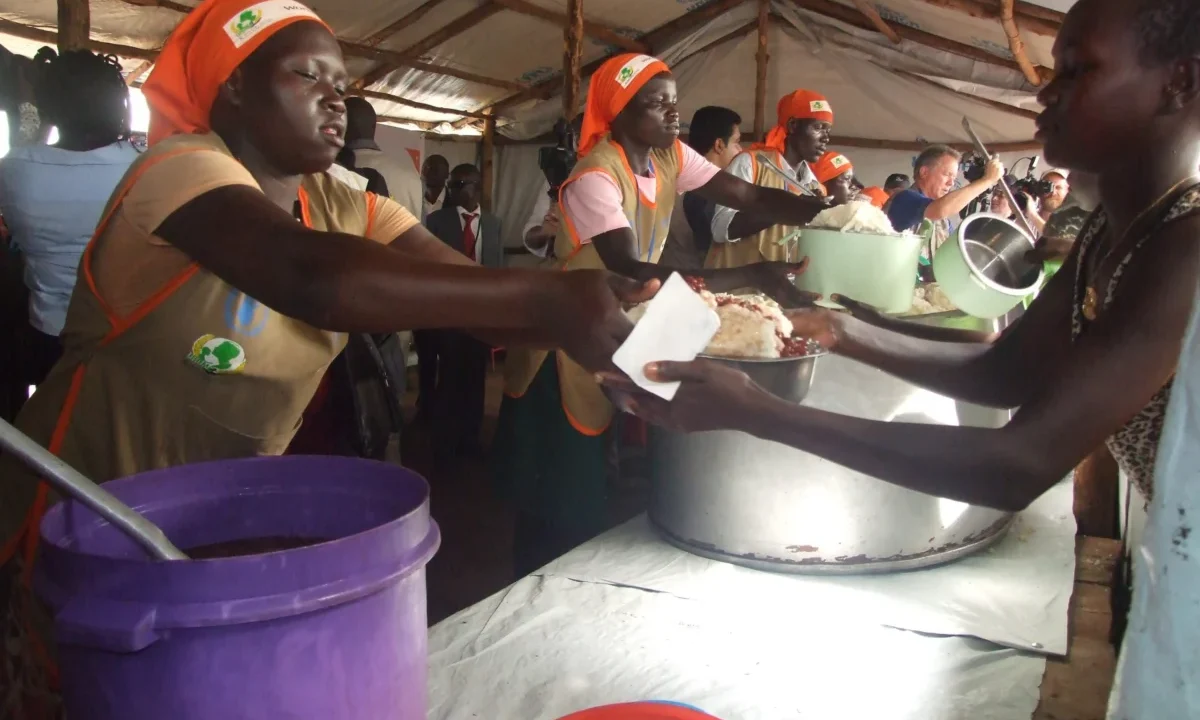
- Mid-2026 (The Humanitarian Plateau): By the end of July 2026, international monitoring groups reported that over 360,000 people remained displaced. The density of these displaced populations in urban centers like Beirut placed extreme pressure on local infrastructure.
- August 2026 (The CERD Intervention): The UN committee formally invoked its Urgent Action Procedure, citing the disproportionate impact of military operations on specific ethnic and national groups and questioning the legality of evacuation orders under international humanitarian law.
Supporting Data: The Scale of Human Suffering
The statistical reality of the conflict provides the backbone for the UN’s concern. The displacement figures are not merely numbers; they represent a fundamental disruption of the socio-economic fabric of southern Lebanon.
The Dynamics of Displacement
The CERD report highlights that the pattern of displacement in southern Lebanon is not uniform. The committee has noted that the demographic shifts resulting from these forced movements fall squarely within its formal monitoring mandate. When military actions—whether intended or incidental—result in the systematic clearing of specific villages or regions, they raise significant questions under the International Convention on the Elimination of All Forms of Racial Discrimination (ICERD).
The "Danger Zone" Rhetoric
The IDF’s communication strategy, which involves posting warnings on social media platforms like X, has come under intense scrutiny. These warnings, often issued by the IDF’s Arabic-language spokesperson, inform residents that remaining near designated "military targets" places them in mortal danger. However, the UN and various human rights organizations have questioned whether these notices meet the "effectiveness" requirements of international law, suggesting that such warnings are often too vague or issued with insufficient notice for vulnerable populations—such as the elderly or disabled—to evacuate safely.
Official Responses and Legal Perspectives
Israel’s Stance: Security and Precaution
Israel maintains that its military campaign is a necessary response to the persistent threat posed by Hezbollah, which it classifies as an Iranian-backed terrorist organization. Regarding the evacuation orders, the Israeli government argues that these are precautionary measures specifically designed to minimize civilian harm. The IDF maintains that Hezbollah’s tactic of embedding military installations, weapons caches, and launch sites within civilian infrastructure creates a "human shield" scenario that complicates military operations. From the Israeli perspective, the displacement is a secondary effect of its efforts to neutralize a direct security threat.
Hezbollah’s Position and Regional Context
Hezbollah, for its part, continues its rocket barrages into northern Israel, which have also resulted in civilian casualties and the displacement of thousands of Israeli citizens. The group claims these actions are in defense of Lebanese sovereignty. However, the international community, through bodies like the UN, has consistently urged all parties to adhere to the Fourth Geneva Convention. Article 49 of this convention explicitly prohibits the individual or mass forcible transfer of civilians, except in cases where the security of the civilians involved or "imperative military reasons" demand it. The UN is increasingly challenging whether the current scope of evacuations in Lebanon meets this high legal threshold.
Implications: The Intersection of War and Discrimination
The Dehumanization Narrative
One of the most concerning aspects highlighted by the CERD is the role of rhetoric in armed conflict. The committee warned that official statements which dehumanize affected populations can pave the way for more severe violations of human rights. When civilians are perceived as a monolithic entity or as "collateral" to a military objective, the safeguards intended to protect them under the ICERD begin to erode.
The "Effective Control" Standard
A central legal pillar of this debate is the interpretation of "effective control." Under the ICERD, which Israel ratified in 1979, the state is obligated to prevent racial discrimination not only within its borders but also against non-citizens under its "effective control." The CERD argues that as Israel exercises significant influence over the movement and safety of civilians in southern Lebanon through its military operations, it carries a heavy responsibility to ensure those operations do not result in discriminatory outcomes.
Long-term Regional Stability
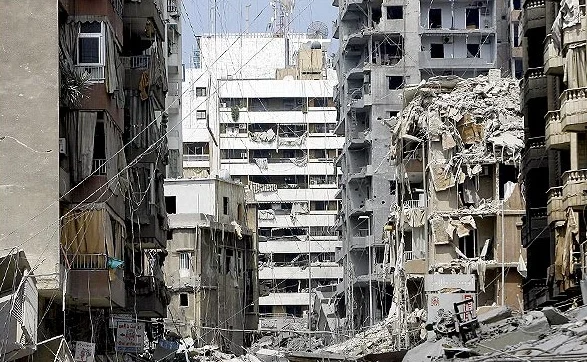
The long-term implications of these displacements are profound. If residents are unable to return to their homes due to the destruction of infrastructure or the persistent threat of conflict, the demographic landscape of southern Lebanon could be permanently altered. This creates a cycle of grievance and instability that complicates any future diplomatic efforts for peace.
Conclusion: A Call for Accountability
The UN Committee on the Elimination of Racial Discrimination has set a clear benchmark: the urgency of military necessity does not provide a blank check to bypass fundamental human rights. As the conflict between Israel and Hezbollah continues, the international community is demanding a higher level of transparency and adherence to international law.
The warning issued by the CERD serves as a reminder that the protection of civilians is not just a tactical consideration, but a moral and legal imperative. Whether the warring parties will heed these warnings remains to be seen, but the committee’s documentation of the humanitarian crisis has ensured that the actions taken on the ground are being viewed through a lens of international accountability. As the displaced populations of southern Lebanon and northern Israel continue to wait for a resolution, the role of international bodies in monitoring these patterns of discrimination and displacement has never been more critical.
The path forward requires more than just military caution; it requires a commitment to the principle that every civilian, regardless of their ethnic or national background, deserves protection from the ravages of war and the scourge of systemic discrimination. The UN’s intervention is a stark notice that the world is watching, and that the legal obligations of states do not cease when the first shot is fired.
