





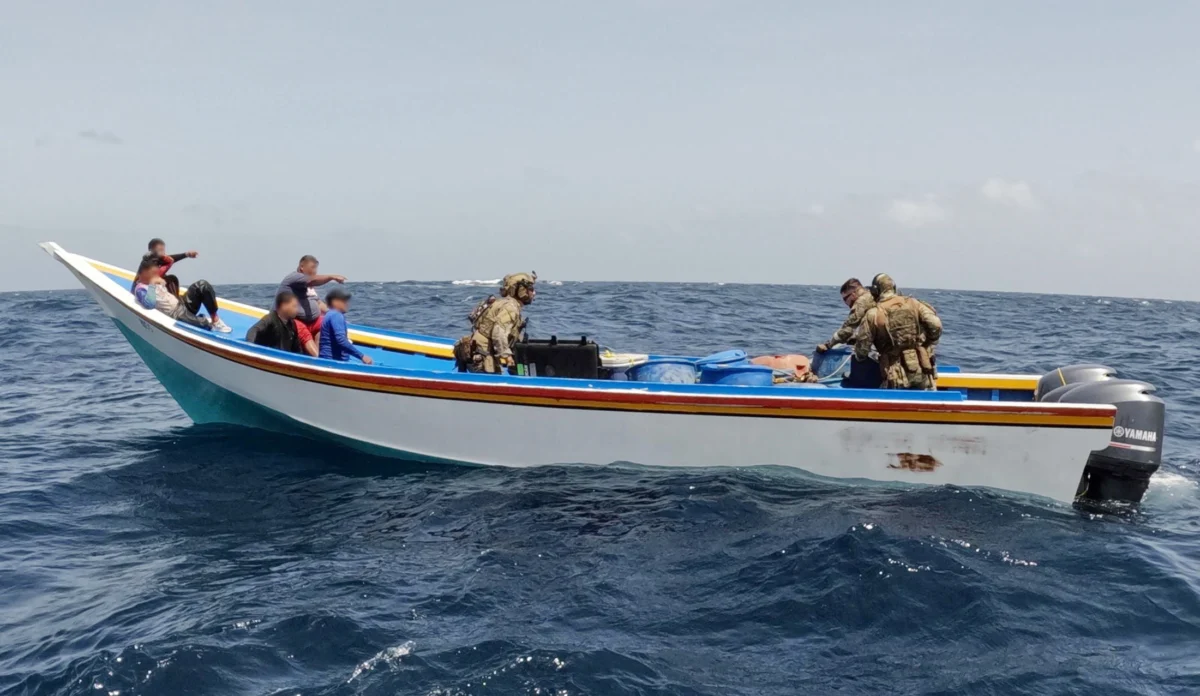
GENEVA/WASHINGTON – A coalition of United Nations human rights experts has issued a blistering condemnation of the United States’ ongoing naval campaign against suspected drug-trafficking vessels in the Caribbean and Pacific. In a formal statement released this week, the experts characterized the year-long series of military strikes as a "systematic violation of the right to life" and a grave departure from established international humanitarian law.
The UN assessment marks a significant escalation in the global outcry against "Operation Southern Spear," a Pentagon-led initiative that has resulted in the deaths of approximately 227 individuals since September 2025. None of those killed had been formally charged with a crime or held in custody prior to their deaths.
The Core Conflict: International Law vs. National Security
At the heart of the dispute is the classification of the US military’s actions. The United States government, under an executive order issued by President Trump in January 2025, has designated transnational criminal organizations—specifically drug cartels—as entities engaged in "insurgency and asymmetric warfare" against the United States. This designation serves as the legal bedrock for the administration’s claim that it faces an ongoing "national emergency," thereby bypassing the traditional requirement for congressional authorization of military force.
UN experts, however, categorically reject this interpretation. They argue that the activities of drug cartels, while undeniably criminal and destructive, do not meet the legal threshold for an "armed attack" against a sovereign state. Consequently, they maintain that the United States cannot invoke Article 51 of the UN Charter, which allows for the use of force only in cases of self-defense against armed aggression.
"International law does not permit governments to simply murder alleged criminals at sea," the UN experts stated in their report. "The fundamental obligation to respect the right to life remains, regardless of the suspect’s alleged involvement in narcotics trafficking. Just as police cannot summarily execute people on the street in United States territory, the military cannot bypass the justice system to conduct extrajudicial killings in international waters."
Chronology of Operation Southern Spear
The military campaign represents a radical shift in how the United States approaches the "War on Drugs," moving from law enforcement interdiction to kinetic military engagement.
- January 2025: President Trump issues an executive order designating major drug cartels as "Foreign Terrorist Organizations" and "Specially Designated Global Terrorists," framing their operations as an existential threat to US domestic stability.
- September 2, 2025: The first strike under Operation Southern Spear occurs. US military assets destroy a small vessel in the Caribbean. All individuals on board are killed. The Pentagon justifies the strike as necessary to "eliminate the threat."
- March 2026: The Department of Defense submits a progress report to Congress, admitting that the operation lacks explicit legislative authorization but relying on the "national emergency" provision to maintain the mission.
- August 2026: Following a brief, months-long hiatus in operations, the strikes resume with renewed intensity in the Eastern Pacific, drawing immediate ire from the international community.
- September 2026: UN experts release their formal demand for an immediate cessation of the strikes, highlighting the rising death toll and the lack of judicial oversight.
Supporting Data and the Human Toll
The scale of the operation is unprecedented in modern maritime history. According to data synthesized by monitoring groups and the Pentagon’s own disclosures, the campaign has claimed 227 lives in just over 365 days.
The Pentagon maintains that these lethal airstrikes are a surgical necessity to stem the tide of synthetic drugs—primarily fentanyl and methamphetamine—that have devastated American communities. By targeting the maritime supply chains of groups like the Sinaloa Cartel and the Jalisco New Generation Cartel (CJNG), the administration claims to be disrupting the source of the domestic drug crisis.
However, humanitarian organizations, including Amnesty International, have pointed to a complete lack of accountability. Critics emphasize that the "shoot-to-kill" policy removes the possibility of due process, intelligence gathering through interrogation, or the collection of evidence that could lead to the dismantlement of cartel leadership structures. Instead, the military is effectively operating as judge, jury, and executioner in international waters.
Official Responses and Diplomatic Friction
The United States Position
The US government remains defiant. In various briefings, defense officials have argued that the traditional maritime interdiction model—which focuses on boarding, search, and seizure—is no longer effective against cartels that have adopted increasingly aggressive, paramilitary tactics. They contend that the executive order provides the necessary legal flexibility to protect American citizens from the "insurgency" fueled by synthetic drugs. The Pentagon maintains that its rules of engagement are designed to minimize collateral damage while neutralizing high-value targets.
The UN and International Perspective
UN Special Rapporteurs have indicated that they are actively engaging in a dialogue with the US State Department. However, the tone of their recent public statements suggests deep frustration. The experts have pointed out that under the International Law of the Sea, maritime drug enforcement is the purview of law enforcement agencies, not military combat units. They argue that by blurring the lines between police action and war, the US is undermining the very international norms it helped establish.
"These cartels are not parties to a Non-International Armed Conflict (NIAC)," a legal expert noted in the UN filing. "By treating these individuals as enemy combatants, the US is unilaterally expanding the scope of ‘war’ to include any criminal activity they deem a threat, effectively creating a dangerous precedent that other nations could use to justify similar human rights abuses."
Broader Implications for International Law
The crisis surrounding Operation Southern Spear highlights a growing tension between domestic security anxieties and the global human rights framework. As the US faces record-high mortality rates related to synthetic opioids, the political pressure to "do something" has led to policies that challenge the bedrock of the 20th-century international order.
Erosion of Due Process
The primary concern among legal scholars is the normalization of extrajudicial killing. If a state can justify the killing of suspected criminals without trial based on an executive designation of "insurgency," the concept of the "right to a fair trial" is effectively nullified for anyone operating in a gray-zone area.
Escalation of Naval Tensions
Furthermore, the use of military assets in international waters poses significant risks to regional stability. Countries in Latin America—including Mexico, Colombia, and Ecuador—have expressed concern over the violation of maritime sovereignty. If US military forces continue to operate with impunity, it could lead to accidental engagements with civilian vessels, further straining diplomatic relations with key allies in the region.
The Precedent Problem
International relations experts warn that the US stance provides a "permission structure" for other nations. If the United States can define its own "national emergency" to justify lethal strikes against criminal groups, other authoritarian regimes may adopt similar language to target political dissidents or opposition groups under the guise of "counter-narcotics" or "counter-insurgency."
As the UN continues to demand an end to the strikes, the situation remains a volatile flashpoint. Whether the administration will pivot back to traditional law enforcement methods or double down on the military approach remains the central question of the coming months. For now, the Caribbean and Pacific remain sites of both drug trafficking and a controversial, deadly experiment in modern military power.
