





By Max Garland
Published July 2, 2026
In an era where e-commerce giants and private logistics titans have set a "real-time" standard for package tracking, the United States Postal Service (USPS) is embarking on a comprehensive, technology-driven mission to modernize its operations. Postmaster General David Steiner recently signaled a significant shift in the agency’s strategic priorities, emphasizing that achieving granular, parcel-level visibility is no longer just a luxury—it is a competitive necessity.
As the agency contends with shifting market dynamics and the intensifying shadow of private-sector rivals like FedEx and UPS, the integration of advanced sensing technologies and Bluetooth-enabled infrastructure has moved to the forefront of the Postal Service’s recovery and growth plan.
Main Facts: The Tech-Forward Transformation
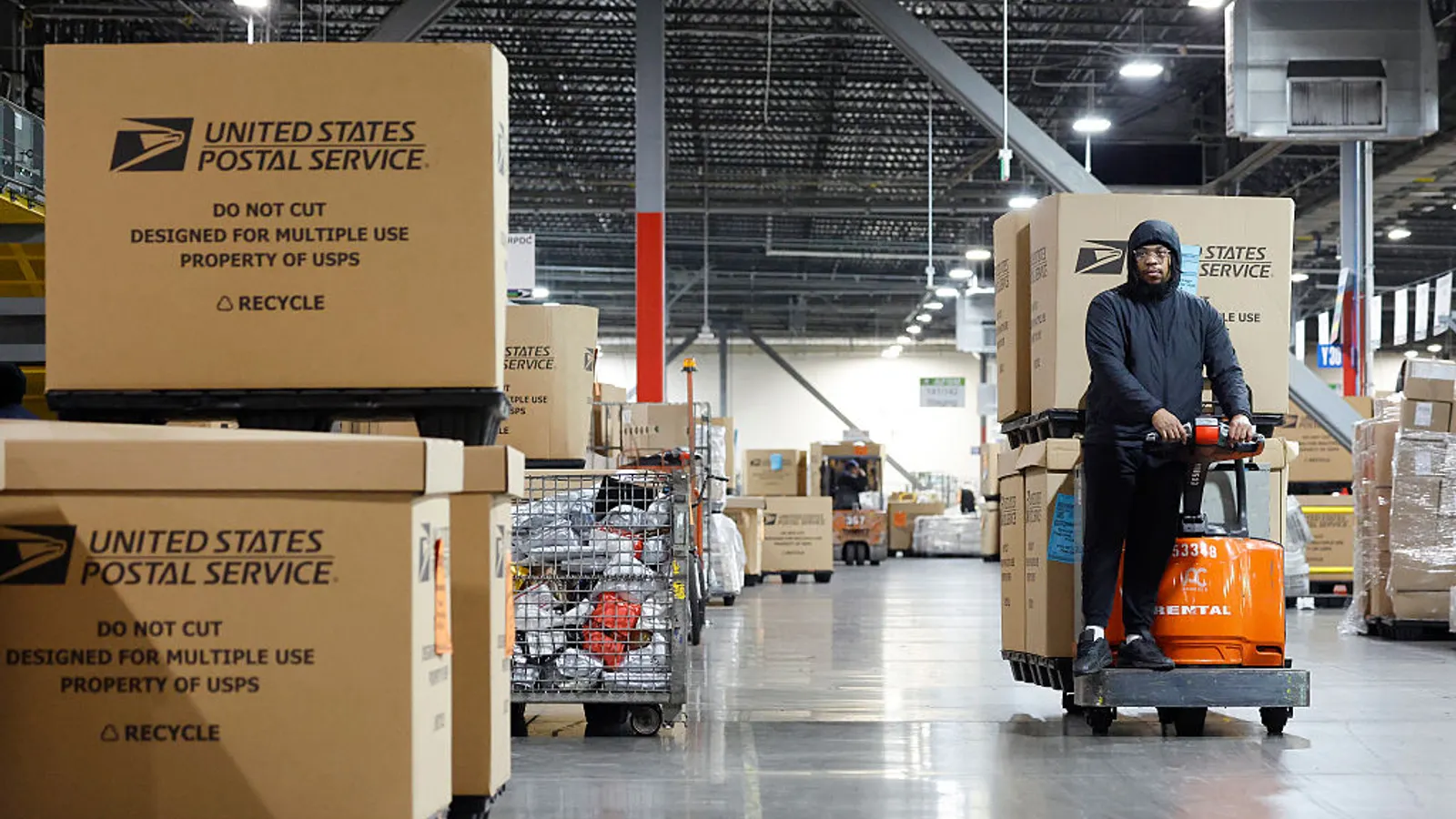
The core of the USPS modernization strategy lies in its commitment to "near real-time" monitoring of mail and packages. The agency is currently deploying a suite of scanning and sensing technologies designed to illuminate the "black holes" that have historically plagued postal tracking.
Central to these efforts is the utilization of Bluetooth devices. By equipping high-value shipment routes and key distribution centers with Bluetooth sensing infrastructure, the agency aims to identify and mitigate bottlenecks before they escalate into systemic service failures. According to spokesperson Jim McKean, these initiatives are designed to move the USPS away from reactive troubleshooting toward a proactive, data-informed operational model.
The strategic pivot is clear: by treating every parcel as a digital data point rather than merely a physical object, the Postal Service hopes to achieve the same level of transparency that has become the industry benchmark for commercial carriers.
A Chronology of Challenges and Modernization
The quest for visibility is set against a complex historical backdrop. For nearly two decades, the USPS has grappled with a multi-front financial crisis that has often forced it to prioritize immediate solvency over long-term technological investment.
- The Post-2006 Decline: Following the Postal Accountability and Enhancement Act of 2006, the agency faced a steep decline in first-class mail volume. This financial strain—compounded by regulatory pricing restrictions and mandatory pension pre-funding—created a "cash crunch" that stalled early efforts to digitize the last mile.
- The E-commerce Surge (2020–2024): The COVID-19 pandemic permanently altered consumer expectations. The sudden explosion in parcel volume exposed the limitations of existing legacy tracking systems, which were often siloed and incapable of providing the granular updates customers expected.
- 2025: The Strategic Pivot: Under Postmaster General Steiner’s leadership, the agency began pivoting toward a more aggressive investment strategy. By the end of 2025, pilot programs involving IoT (Internet of Things) devices and improved scanning protocols were rolled out in key hubs, including major facilities in Los Angeles.
- July 2026: Scaling the Solution: As of mid-2026, the agency is moving beyond pilot testing, integrating these data streams into a centralized dashboard intended to provide managers with a bird’s-eye view of the national network.
Supporting Data: The Visibility Gap
The necessity of this upgrade is rooted in the "visibility gap" identified by industry experts. Samuel Moore, an industry consultant and board member of the Los Angeles Postal Customer Council, notes that the USPS generally provides a robust tracking experience when it controls the entirety of the supply chain—from the initial pickup to the final delivery.
However, data suggests that the tracking experience degrades significantly during the "hand-off" stages. When third-party entities handle initial pickups, or when customers bypass standard pickup channels to drop off parcels at local post offices, the chain of custody becomes fragmented.
"The customer’s either taking it there or someone else is picking it up, and because of that, they don’t own end-to-end, and that tracking experience is negative," Moore explained. This gap represents a significant opportunity for the agency. By deploying Bluetooth sensors at intake points and in sorting facilities, the USPS aims to close these gaps, ensuring that a package remains "visible" even when it passes through non-standard channels.
Official Responses: A "Connected and Intelligent" Network
The agency’s leadership is framing this technological push as a cornerstone of its broader "Delivering for America" mission. In an emailed statement, spokesperson Jim McKean emphasized that the investments are not merely hardware upgrades but a fundamental shift in philosophy.
"Collectively, these investments are creating a more connected and intelligent postal network that improves customer visibility, enhances operational efficiency, strengthens service performance, and provides the data needed to drive continuous improvement," McKean noted.

Postmaster General Steiner has been refreshingly candid about the state of the agency’s tech stack. During recent remarks, he framed the current visibility initiatives as a "catch-up" exercise rather than a revolutionary invention. "This is not rocket science technology," Steiner stated. "This is not technology that doesn’t exist. This is technology that exists that other companies use."
Steiner’s admission highlights the agency’s new pragmatism: recognizing that in the modern logistics landscape, the Postal Service cannot afford to be an outlier.
Implications: Competing in a Private-Sector Market
The move toward enhanced transparency carries profound implications for the future of the USPS as a competitor in the parcel delivery sector.
1. Operational Efficiency
By utilizing Bluetooth to identify bottlenecks in real-time, the agency can theoretically redirect resources—such as transport vehicles or sorting staff—to where they are needed most. This granular level of management can significantly reduce the "dwell time" of parcels in distribution centers, leading to faster service performance.
2. Market Competitiveness
For years, FedEx and UPS have leveraged their superior tracking technology to justify premium pricing. By closing the visibility gap, the USPS is effectively leveling the playing field. If the agency can offer similar reliability and transparency, it becomes a much more attractive partner for high-volume e-commerce shippers who are currently wary of the "black box" nature of postal tracking.
3. Financial Sustainability
While the investment in sensors and information systems is costly, the long-term potential for cost savings is substantial. Improved visibility reduces the volume of "Where is my package?" (WISMO) inquiries, which cost the agency millions of dollars in customer service labor annually. Furthermore, data-driven routing can lead to significant fuel and maintenance savings.

4. The Risk of Underinvestment
Despite the optimism, the financial hurdles mentioned by Steiner remain. The agency is perpetually walking a tightrope between its universal service requirements—the mandate to deliver to every address in the U.S. regardless of cost—and the need to fund high-tech infrastructure. If the current cash crunch worsens, there is a legitimate concern that these visibility projects could be de-prioritized.
5. Customer Trust
Ultimately, the success of this initiative will be measured in consumer sentiment. Trust in the Postal Service is often tied to the reliability of its tracking. By providing a "near real-time" view, the agency is attempting to rebuild its reputation as a modern, reliable carrier.
As the agency continues to roll out these enhancements through the remainder of 2026, all eyes will be on whether these digital solutions can translate into the physical reality of on-time, transparent deliveries for the American public. The transition from a legacy mail carrier to a tech-enabled logistics powerhouse is a monumental task, but for the USPS, it is a path that appears to offer no alternatives.
