



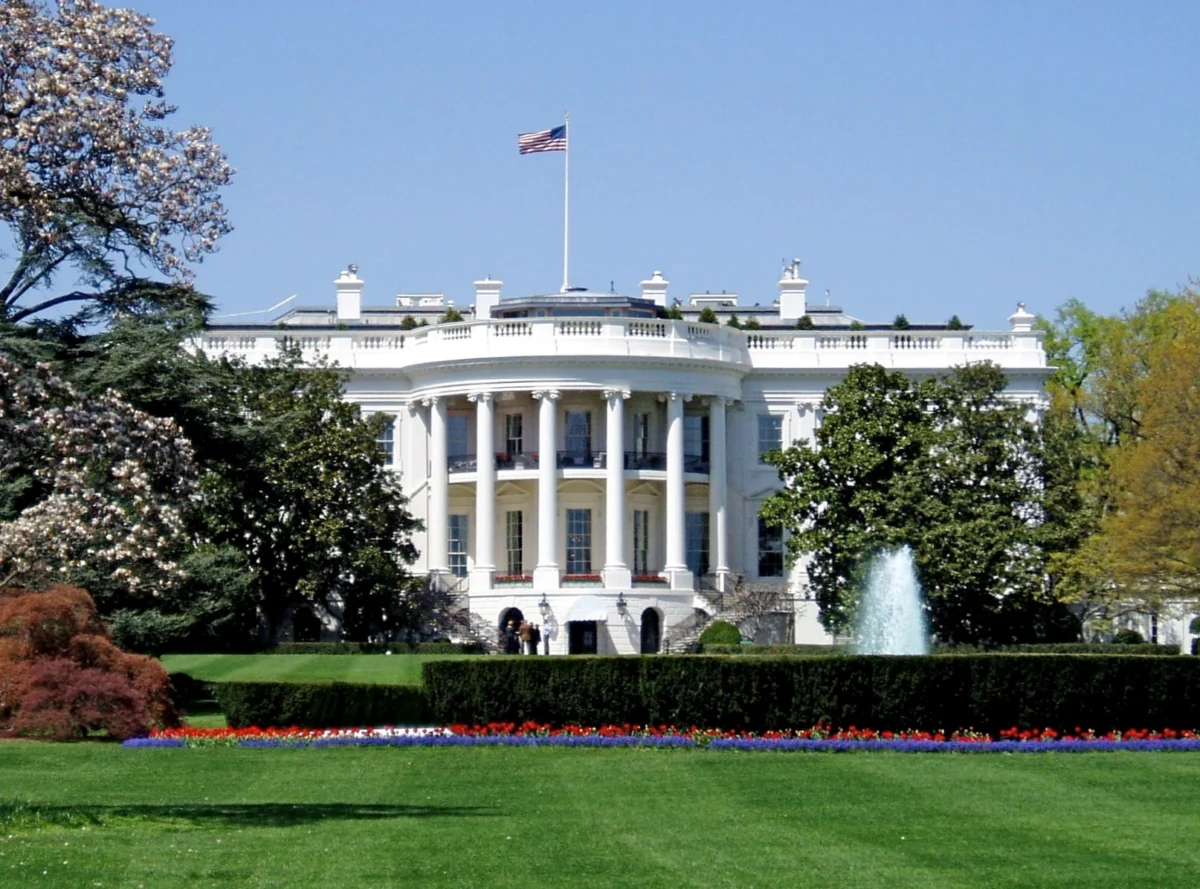
WASHINGTON, D.C. — In an unprecedented escalation of tensions between the executive branch and the Fourth Estate, President Donald Trump announced on Friday that the White House is effectively banning CNN, MS NOW, and Politico from the premises. The directive, which took effect immediately, has stripped the three news organizations of their press credentials, barring their correspondents from briefings, press pools, and access to White House grounds.
The President justified the move in a post on his Truth Social platform, characterizing the reporting from these outlets as “FICTION and LIES.” The administration’s decision marks a sharp departure from traditional norms regarding media access and has triggered a firestorm of constitutional debate, with media advocacy groups warning of a direct assault on the First Amendment.
The Core Facts: An Immediate Severance of Access
As of Saturday morning, the revocation of credentials for the affected outlets was fully operational. The move essentially locks out dozens of journalists, producers, and photographers who have historically covered the inner workings of the West Wing.
President Trump’s announcement was characteristically blunt. By labeling the outlets as purveyors of “fake news” and “cumulative stories” that misrepresent his administration, the President signaled that the ban is not based on a specific security breach or singular reporting error, but rather on a sustained dissatisfaction with the editorial slant of these organizations. When questioned by reporters in the Oval Office later on Friday, the President offered few procedural details regarding the ban’s implementation. He remained defiant, however, suggesting that the list of banned outlets could expand to include The New York Times and The Washington Post should their coverage remain critical of his policy agenda.
A History of Friction: The Chronology of Conflict
The current situation is not an isolated incident but rather the culmination of years of adversarial relations between the Trump administration and various news organizations.
The 2018 Precedent
This is not the first time a Trump administration has attempted to shutter access for specific outlets. In 2018, the White House famously revoked the credentials of CNN correspondent Jim Acosta following a contentious press conference. At that time, a federal judge ordered the restoration of those credentials, citing the due process rights of journalists. The court relied heavily on the 1977 landmark decision in Sherrill v. Knight, which established that once the White House creates a system for credentialing journalists, it cannot deny access on an arbitrary or viewpoint-based basis.
The AP Dispute
The administration’s hostility toward the press has been a recurring theme throughout this term. Last year, the White House restricted an Associated Press reporter from accompanying the President on Air Force One and from attending specific presidential events. That dispute, which centered on the outlet’s refusal to adopt the administration’s preferred nomenclature for the Gulf of Mexico, remains the subject of ongoing litigation. The fact that the administration has continued to push these boundaries suggests a deliberate, long-term strategy to reshape the relationship between the presidency and the press.
Supporting Data: The Constitutional Framework
The central pillar of the opposition to this ban is the First Amendment to the U.S. Constitution, which protects the freedom of the press. Legal scholars note that while the White House is private property, it has been designated as a “public forum” for the purposes of the press corps.
The Legal Hurdle: Viewpoint Discrimination
Bruce D. Brown, president of the Reporters Committee for Freedom of the Press, labeled the administration’s move as "textbook viewpoint discrimination." Under established U.S. case law, the government cannot discriminate against speakers based on the content of their speech or their ideological perspective.
Legal analysts point out that if the administration cannot provide a legitimate, non-discriminatory reason for the revocation of these credentials—such as a violation of security protocols or a disruption of the working environment—the ban is highly unlikely to survive judicial scrutiny. The administration’s public admission that the ban is rooted in a dislike of “stories” rather than behavioral misconduct provides a significant advantage to the legal teams of the banned outlets.
Official Responses and Stakeholder Outrage
The reaction from the media industry and press advocacy groups has been swift and unified.
The Outlets’ Stance
In a statement issued shortly after the announcement, CNN unequivocally condemned the move: “We have a right under the U.S. Constitution to do our reporting without hindrance or interference from the government and this ban is an illegal assault on this fundamental right.” Similarly, spokespeople for Politico and MS NOW have indicated they are coordinating with their legal teams to challenge the decision, asserting that their coverage is protected by the foundational principles of a free press.
The White House Correspondents’ Association (WHCA)
The WHCA, which serves as the representative body for the White House press corps, issued a formal condemnation, characterizing the move as an attempt to stifle accountability. “The role of the press is to hold the powerful to account, not to serve as a public relations arm for the administration,” the statement read. The association is currently reviewing its options, which may include filing an amicus curiae brief in support of the affected outlets.
The Broader Implications for American Democracy
The implications of this ban extend far beyond the offices of CNN, Politico, and MS NOW.
The Chilling Effect
Media critics argue that the ban creates a “chilling effect” throughout the industry. If news organizations fear that investigative reporting or critical coverage will result in the loss of access, they may be tempted to self-censor. This erosion of adversarial journalism threatens to turn the White House press room into a curated echo chamber where only “friendly” outlets are granted access.
The Polarization of Truth
By bypassing traditional media and utilizing platforms like Truth Social to dictate which outlets are “legitimate,” the administration is further polarizing the public’s perception of reality. When a government decides which journalists are allowed to witness its operations, it effectively controls the narrative, leaving the public with a fragmented and partisan understanding of federal policy.
Future Judicial Battles
The coming weeks will likely see a flurry of motions for preliminary injunctions as the banned outlets seek to have their credentials restored immediately. The courts will be forced to weigh the executive branch’s authority to manage its own facilities against the constitutional mandate to ensure the press can function as a watchdog.
The Sherrill v. Knight precedent will serve as the battleground for these new legal challenges. If the current administration succeeds in upholding this ban, it could fundamentally alter the landscape of political reporting for decades to come, signaling a new era where access to the seat of power is a privilege granted by the government rather than a right upheld by the Constitution.
Conclusion: A Turning Point for the Fourth Estate
As of late Saturday, the White House has remained silent on whether it will reverse the decision or continue to escalate its campaign against major news organizations. The affected outlets have pledged to continue their coverage, utilizing independent sources and traditional reporting methods to circumvent the lack of direct access.
For the American public, this conflict serves as a stark reminder of the fragile nature of democratic institutions. As the executive branch and the media prepare for what promises to be a protracted legal and public relations battle, the core question remains: Can a modern democracy function effectively when the government actively selects its own critics?
The eyes of the nation now turn to the federal courts, where the ultimate determination of the scope of presidential power—and the endurance of the First Amendment—will be decided. For now, the gates of the White House remain closed to three of the nation’s most prominent newsrooms, marking a somber chapter in the history of the American presidency.
