




Introduction: The Fall of a Sanctuary
The city of El Fasher, once the last major bastion of stability in Sudan’s war-torn North Darfur region, has become the focal point of a harrowing human rights catastrophe. A landmark report released this week by Amnesty International, titled City Under Siege, Children Under Fire: Rapid Support Forces’ Crimes Against Humanity in North Darfur, provides an exhaustive, harrowing account of the systematic violence perpetrated by the Rapid Support Forces (RSF) during their protracted siege and subsequent capture of the city.
The report serves as a definitive indictment, concluding that the actions of the RSF—a paramilitary group currently locked in a brutal power struggle with the Sudanese Armed Forces (SAF)—do not merely constitute collateral damage in a civil war. Instead, the evidence suggests a calculated, state-sponsored campaign of crimes against humanity and ethnic cleansing. From the mass detention and torture of civilians to the weaponization of starvation and sexual violence, the findings paint a bleak picture of a conflict defined by the total disregard for international humanitarian law.
The Anatomy of Atrocity: Key Findings
Amnesty International’s investigation, which spanned the period from the outbreak of hostilities in April 2023 to the eventual fall of El Fasher in October 2025, categorizes the RSF’s conduct into several distinct, punishable categories of international crime.
Persecution and Ethnic Cleansing
The RSF’s campaign was characterized by a distinct racial and ethnic bias. Survivors and witnesses reported that RSF fighters routinely used dehumanizing language, targeting the Zaghawa and Fur communities with slurs that signaled an intent to eradicate or permanently displace these groups. This systematic persecution created an environment of terror, where ethnic identity became a death sentence.
The Weaponization of Starvation
Perhaps the most devastating aspect of the siege was the blockade of the city. By restricting the entry of food, medicine, and clean water, the RSF engaged in what Amnesty describes as "extermination." By imposing life-threatening conditions on the trapped civilian population, the paramilitary group effectively used hunger as a weapon of war, forcing thousands to choose between death by starvation or death by bombardment.
Systemic Sexual Violence
The report highlights a disturbing pattern of sexual violence, including rape, gang rape, and the forced sexual enslavement of women and girls. These acts were not isolated incidents of rogue soldiers but were utilized as a tool of war to degrade and subjugate the population. Many victims were abducted during raids on residential neighborhoods, with reports indicating that these crimes were often perpetrated in front of family members, serving to traumatize the community at large.
A Chronology of Destruction: From Siege to Fall
The tragedy of El Fasher did not occur in a vacuum; it was the culmination of a slow, suffocating tightening of the noose that lasted over two years.
- April 2023: The national conflict between the SAF and the RSF erupts in Khartoum, rapidly spreading to the Darfur region. El Fasher emerges as a refuge for hundreds of thousands of displaced persons.
- Late 2023 – Early 2024: The RSF begins to encircle the city, cutting off major supply routes and engaging in sporadic skirmishes that target civilian infrastructure.
- June 2024: Following reports of mounting atrocities, the UN Security Council adopts a resolution demanding that the RSF protect civilians and lift the siege. The demand is largely ignored by the paramilitary leadership.
- 2025: The siege intensifies. The RSF systematically destroys surrounding villages, ensuring that no safe passage exists for those attempting to flee the encroaching lines.
- October 2025: El Fasher officially falls. The subsequent takeover is marked by a wave of mass killings, summary executions, and the rounding up of the city’s remaining inhabitants.
- February 2026: An independent UN fact-finding mission publishes findings that the October events bear the "hallmarks of genocide."
- July 2026: Amnesty International releases its comprehensive report, formalizing the allegations of crimes against humanity.
Supporting Data: The UN’s Perspective
Amnesty International’s findings are strongly corroborated by parallel investigations conducted by the United Nations. In February 2026, a UN-mandated fact-finding mission reported compelling evidence that the RSF committed three distinct acts of genocide against the Zaghawa and Fur communities.
The UN report emphasizes that the mass killings were not random; they were coordinated attacks directed at civilians based on their ethnicity. Furthermore, the Office of the United Nations High Commissioner for Human Rights (OHCHR) has documented a litany of human rights violations, ranging from forced labor to the deliberate destruction of medical facilities. According to the OHCHR, these violations meet the threshold for war crimes, providing a legal basis for the potential prosecution of RSF commanders in international courts.
Geopolitical Complications and Official Responses
The conflict in Sudan has become a proxy battlefield, complicating international efforts to broker peace or enforce accountability.
The UAE Connection
A significant point of contention in the international response has been the role of the United Arab Emirates. The UAE government has faced intense international scrutiny and criticism from human rights groups and some Western governments for its alleged material and political support for the RSF. While the UAE has consistently denied providing lethal aid to the paramilitary group, persistent reports suggest that the conflict’s longevity is directly tied to the external logistics and funding provided to the RSF.
The Failure of the International Community
Critics argue that the international community has largely abandoned Sudan. As the humanitarian crisis deepens, aid organizations have struggled to maintain access, and diplomatic efforts—often spearheaded by the UN or regional blocs—have failed to produce a lasting ceasefire. The lack of a unified global response to the atrocities in El Fasher has emboldened the RSF, signaling that the cost of committing such crimes remains low.
Implications: The Long Road to Justice
The documentation of these crimes by Amnesty International and the UN carries profound implications for the future of Sudan and international law.
Legal Accountability
The classification of these events as "crimes against humanity" and "genocide" puts pressure on the International Criminal Court (ICC) and other international bodies to issue warrants for the perpetrators. However, the lack of territorial control by the official Sudanese government makes the execution of such warrants an immense challenge.
The Humanitarian Legacy
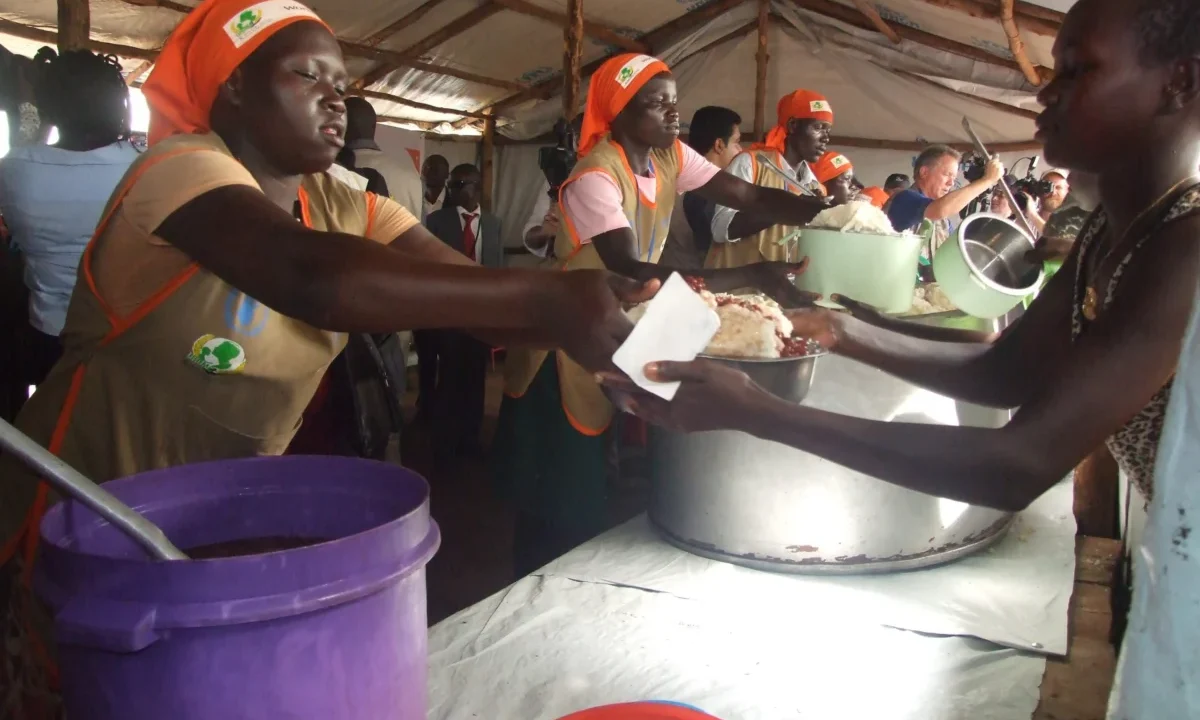
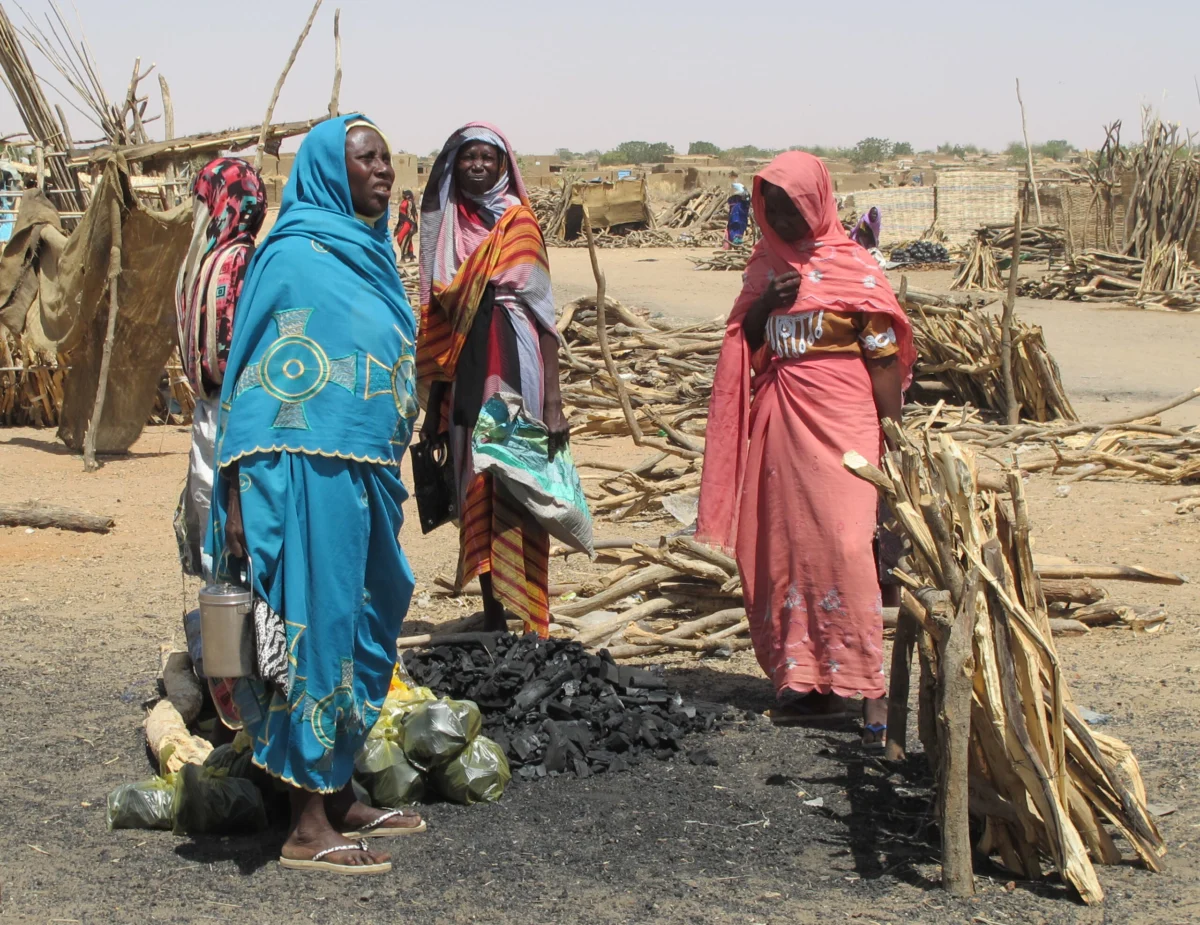
The fall of El Fasher has created a new, massive wave of displacement. Survivors who managed to escape are currently living in squalid conditions in makeshift camps, facing malnutrition and the threat of disease. The international community is now tasked with not only documenting the past but also addressing the immediate survival needs of the victims.
A Test for Global Norms
Ultimately, the tragedy in El Fasher is a litmus test for the global commitment to "Never Again." If the international community fails to hold the RSF accountable for the systematic destruction of a city and the targeting of specific ethnic groups, it risks undermining the very foundations of the international legal order.
The findings released this week are more than just a summary of past events; they are a warning. Without decisive intervention—whether through sanctions, arms embargoes, or heightened diplomatic pressure—the patterns established in El Fasher are likely to be replicated across other regions of Sudan. The "stain on the conscience of humanity," as described by Amnesty, will only continue to spread unless the world moves beyond reports and resolutions to concrete, life-saving action.
