





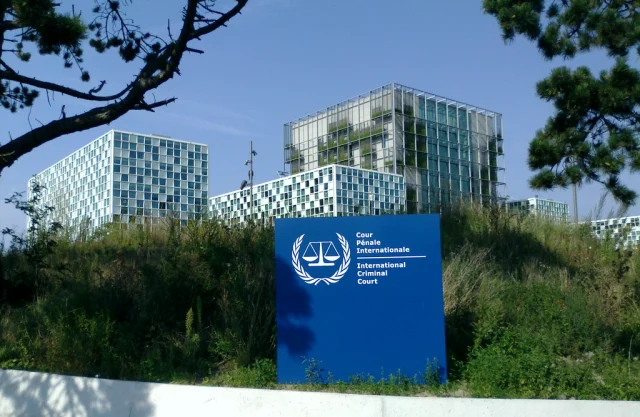
Introduction: A Strategic Retreat from International Oversight
In a move that has sent shockwaves through the global human rights community, the military-led governments of Burkina Faso, Mali, and Niger—collectively known as the Alliance of Sahel States (AES)—have initiated the formal process to withdraw from the Rome Statute of the International Criminal Court (ICC). This decision, finalized through the deposit of formal notifications with the United Nations Secretary-General, marks a significant geopolitical pivot. By severing ties with the world’s only permanent court for war crimes, crimes against humanity, and genocide, these nations are signaling a profound rejection of Western-backed international legal frameworks in favor of absolute national sovereignty.
For thousands of conflict survivors across the Sahel, the withdrawal represents a "bleak future," according to Amnesty International. As the region grapples with a persistent and brutal jihadist insurgency, the removal of the ICC as a court of last resort threatens to extinguish the final beacon of hope for victims seeking truth, justice, and reparations.
The Chronology of Departure: From Announcement to Exit
The withdrawal of the AES nations did not happen in a vacuum; it was the culmination of years of deteriorating relations between these military regimes and the international legal order.
- September 22, 2025: The AES member states made the landmark announcement of their intention to withdraw from the Rome Statute. In a joint communiqué, the governments declared the ICC a tool of "neo-colonialism" and "selective justice," arguing that the court had been weaponized against African leaders to undermine their sovereignty.
- June 18, 2026: Niger, the first of the three to formalize the process, deposited its written instrument of withdrawal with the United Nations.
- June 24, 2026: Burkina Faso and Mali followed suit, officially initiating their respective withdrawal procedures under Article 127 of the Rome Statute.
- October 2027: Under the rules stipulated in the Rome Statute, a withdrawal takes effect one year after the formal notification is deposited. Consequently, the legal obligations of these three nations to the Court will officially terminate in October 2027.
This timeline mirrors previous, though isolated, instances of withdrawal, such as Burundi and the Philippines, both of which faced significant international condemnation for attempting to evade scrutiny of domestic human rights abuses.
The Humanitarian Landscape: A Region in Crisis
To understand the gravity of this withdrawal, one must look at the human cost of the ongoing conflict in the Sahel. The region is currently mired in a complex web of violence involving jihadist insurgencies, local militias, and state-backed military operations.
The Anatomy of Violence
The Sahel war has evolved into a catastrophic humanitarian crisis. Reports from international observers highlight a recurring pattern of civilian massacres, extrajudicial killings, and forced disappearances. Perhaps most alarming is the reported involvement of paramilitaries with Kremlin ties, who have been accused of operating alongside state security forces with little regard for the laws of armed conflict.
The Gendered Impact of War
Women and girls in Burkina Faso, Mali, and Niger bear the heaviest burden of this instability. The escalation of hostilities has led to a systematic use of gender-based violence as a weapon of war. Reports from UN agencies indicate a surge in gang rapes, abductions, and sexual slavery. In many instances, girls are subjected to forced marriages by armed groups seeking to consolidate power within communities. With local judicial systems largely paralyzed by the conflict and unable to prosecute these crimes, the ICC provided a vital mechanism for international oversight and potential legal redress.
Official Responses and Rationale
The AES governments have been clear in their public rhetoric: the ICC is an instrument of Western imperialism. By withdrawing, they argue they are reclaiming the right to manage their own internal affairs without external interference.
The AES Perspective
In their joint statement, the alliance argued that the ICC has historically ignored crimes committed by Western powers while focusing disproportionately on African states. They contend that their national sovereignty is paramount and that they intend to establish their own, localized judicial mechanism: the Sahel Criminal Court for Human Rights, to be headquartered in Mali.
The Human Rights Perspective: Amnesty International’s Warning
Marceau Sivieude, Amnesty International’s regional director for West and Central Africa, has been a vocal critic of the withdrawal. "Withdrawing from the ICC amounts to a headlong retreat by these governments from their international law and justice obligations," Sivieude stated. "It will also further imperil civilian lives and further enshrine impunity for crimes under international law."
Amnesty International and other human rights organizations argue that the proposed "Sahel Criminal Court" lacks the independence and institutional maturity required to hold powerful military actors accountable. Without the oversight of an international body, these groups fear that domestic courts will become mere tools of the state, serving to whitewash war crimes rather than investigate them.
Implications for International Law and Justice
The Erosion of the Rome Statute
The exit of three states simultaneously represents a significant blow to the universality of the Rome Statute. When states withdraw from the ICC, they effectively insulate themselves from future prosecutions for crimes committed on their territory. While Article 127 states that a withdrawal does not affect any cooperation with the Court in connection with criminal investigations that were initiated prior to the date of withdrawal, the practical reality is that gathering evidence in active conflict zones becomes nearly impossible without state cooperation.
The "Sovereignty vs. Human Rights" Debate
This situation brings the classic tension between national sovereignty and universal human rights into sharp focus. The AES leaders are tapping into a growing sentiment across the Global South that international institutions are relics of a colonial era. However, legal scholars warn that using "sovereignty" as a shield to block human rights investigations undermines the fundamental principle that there should be no safe haven for those who commit atrocities.
The Future of the Sahel
As the October 2027 deadline approaches, the region faces a period of profound legal uncertainty. If the proposed Sahel Criminal Court fails to materialize or proves to be ineffective, the cycle of impunity in the region will likely harden. For the victims of the Sahel, the loss of the ICC is not just a legal technicality; it is the loss of their primary avenue for having their suffering acknowledged by the international community.
Conclusion: A Precarious Road Ahead
The withdrawal of Burkina Faso, Mali, and Niger from the ICC is a watershed moment for the Sahel and the global human rights movement. It signifies a deepening divide between Western-led international norms and a coalition of nations determined to chart their own course, regardless of the cost to their own citizens’ rights.
As the international community watches this development, the focus must shift to how victims can be supported in the absence of an international court. Whether the AES-led alternative court will offer a genuine pathway to justice or simply solidify a landscape of impunity remains the central question of the coming years. One thing is certain: for the survivors of the Sahel’s brutal conflicts, the road to justice has become significantly steeper, and the international community’s ability to protect the most vulnerable has been severely diminished.
Supporting Data Summary
| Country | Withdrawal Date | Status |
|---|---|---|
| Niger | June 18, 2026 | Formally Submitted |
| Burkina Faso | June 24, 2026 | Formally Submitted |
| Mali | June 24, 2026 | Formally Submitted |
Note: All withdrawals take effect 12 months after the deposit of the instrument, meaning full withdrawal is scheduled for October 2027.
