





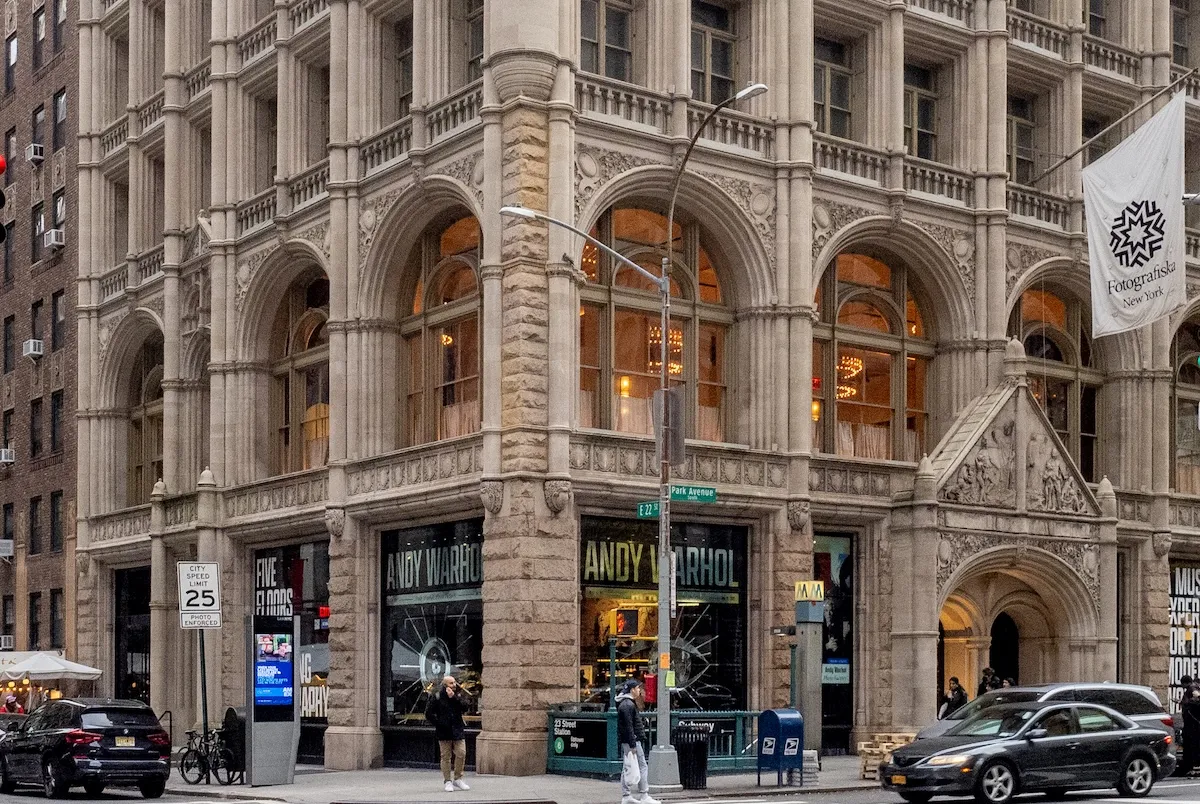
In a move that signals a subtle yet significant departure from its long-standing "asset-light" business model, Airbnb has officially entered the world of commercial real estate ownership. The company, which built a multi-billion-dollar global empire by connecting travelers with hosts rather than owning the underlying inventory, has purchased a six-story building at 281 Park Avenue South in New York City for $81.5 million.
This acquisition is notable not only for the company’s pivot in operational philosophy but for its geographical irony: the purchase occurs in a city where Airbnb’s core business model has been effectively dismantled by aggressive regulatory enforcement.
The Main Facts: A Rare Acquisition in a Hostile Market
The property, located in the Flatiron District, is a historic landmark—famed for its architectural beauty and its recent pop-culture notoriety as the site of the "Anna Delvey" (Anna Sorokin) saga, which inspired the Netflix series Inventing Anna.
For Airbnb, this is a milestone. It is the only building currently owned by the company anywhere in the world. Since its inception in 2008, Airbnb has prided itself on being a technology platform—a conduit for transactions rather than a landlord. By transitioning into property ownership, the company is raising questions among analysts about whether this is an isolated real estate play or the beginning of a broader strategy to anchor its corporate identity in physical assets.
Crucially, the company has clarified that this will function strictly as an office space. Despite the building’s location in a high-traffic urban center, there are no plans to convert the property into short-term rentals. This distinction is vital, as it allows Airbnb to maintain its corporate presence in Manhattan while navigating the legal minefield that has characterized its relationship with New York City regulators.
Chronology: From Digital Disruptor to Landowner
To understand the weight of this decision, one must look at the timeline of Airbnb’s relationship with its host cities and its corporate expansion.
- 2008–2015: The Asset-Light Era. Airbnb focuses entirely on scaling its platform. It operates from leased headquarters in San Francisco and satellite offices, adhering strictly to a strategy that avoids the capital expenditures associated with real estate.
- 2019: The Regulatory Turning Point. New York City, Airbnb’s largest market in the United States, begins to tighten its grip on short-term rentals. The company engages in years of litigation and negotiation to preserve its market share.
- 2022: Local Law 18. New York City implements Local Law 18, which mandates that short-term rental hosts must register with the city and, more restrictively, requires that the host be present in the home during the guest’s stay. For Airbnb, this effectively bans the vast majority of its "entire home" listings in the five boroughs.
- 2023–2024: A New Strategy. Having seen its revenue from New York City drop precipitously, Airbnb begins to look at its corporate infrastructure. The company re-evaluates its remote-work policies and the necessity of high-end, flexible office space.
- Late 2024: The Purchase. Airbnb finalizes the acquisition of 281 Park Avenue South for $81.5 million, marking the first time the company has moved from "tenant" to "landlord" in its global operations.
Supporting Data: The Economics of the Move
The $81.5 million price tag for a six-story building in the Flatiron District reflects both the prestige of the address and the shifting economics of New York’s commercial real estate sector. Following the pandemic, the NYC office market saw significant volatility; however, prime, boutique-style historic buildings have maintained their value as companies seek "trophy" spaces to lure employees back to the office.
- Market Context: Manhattan’s commercial vacancy rate has remained elevated throughout 2024. By purchasing rather than leasing, Airbnb is betting on the long-term appreciation of NYC real estate and the value of having a permanent, branded headquarters in one of the world’s most important financial hubs.
- The "Asset-Light" Shift: Historically, Airbnb’s balance sheet has been dominated by cash and cash equivalents, allowing it to remain agile. This $81.5 million investment represents a shift toward "Asset-Heavy" diversification, likely intended to hedge against inflation and rising commercial rents.
- Operational Footprint: Airbnb currently maintains a global distributed workforce. By consolidating a physical presence in New York, the company is signaling that despite the rise of remote work, it still values the "collision space" provided by a high-end, company-owned physical environment.
Official Responses and Corporate Rationale
Airbnb has been relatively tight-lipped regarding the specific strategic goals of the purchase, keeping the discourse focused on the building’s utility as a workplace.
"We are committed to New York City as a hub for our operations," an Airbnb spokesperson noted in a brief statement following the closing of the sale. "This building provides us with a unique space to foster collaboration and team culture. It is an investment in our employees and our long-term presence in the city."
When pressed on whether this signaled a return to lobbying efforts against Local Law 18, the company declined to comment. However, industry experts suggest that owning property in the city could potentially provide the company with more leverage in future municipal dialogues. By becoming a major property taxpayer in Manhattan, Airbnb changes its status from a "disruptive tech entity" to a "local property owner," which may alter how the city administration perceives the company in the long term.
Implications: What This Means for Airbnb’s Future
The implications of this purchase extend far beyond the renovation of a historic building.
1. The End of "Pure" Tech?
For years, Wall Street analysts have categorized Airbnb alongside Uber and Lyft as "tech-first" platforms. If the company continues to acquire real estate, it risks being reclassified as a hybrid entity. This could impact its valuation multiples, as real estate portfolios are generally valued differently than software platforms.
2. A Strategic Buffer Against Regulation
There is an undeniable irony in buying an office building in a city that has effectively crippled your core revenue stream. However, this may be a strategic "soft power" move. By maintaining a significant physical footprint in New York, Airbnb keeps a seat at the table. It demonstrates that the company is not "running away" from the city, even if the city’s policies have changed.
3. Culture and Recruitment
In an era where tech giants are mandating returns to the office, Airbnb is leaning into the idea that its culture is built through face-to-face interaction. The choice of 281 Park Avenue South—a building with significant character, history, and "Instagrammability"—suggests that the company intends to use its office space as a tool for recruiting top talent. It is not just an office; it is a brand statement.
4. The Potential for Real Estate Diversification
Could Airbnb eventually enter the hospitality space as an owner-operator? While the company has strictly stated that this building will be for office use only, the precedent of owning real estate opens the door for future ventures. Should Airbnb decide to launch branded, company-owned boutique hotels or "Airbnb-branded workspaces" in the future, the infrastructure for property acquisition is now firmly in place.
Conclusion: A New Chapter
The acquisition of 281 Park Avenue South is a paradox. It is a massive capital investment by a company that redefined the world by suggesting that owning property was unnecessary. It is a long-term commitment to a city that has fought the company’s business model for nearly a decade.
Whether this marks the beginning of a broader real estate strategy or is simply a unique opportunity to secure a high-profile corporate home, the move confirms that Airbnb is evolving. As the company matures, its relationship with physical space is clearly shifting from "digital intermediary" to "stakeholder in the urban landscape." For the residents and regulators of New York City, the presence of an Airbnb-owned building on Park Avenue serves as a reminder that even in the digital age, physical real estate remains the ultimate currency of power.
