





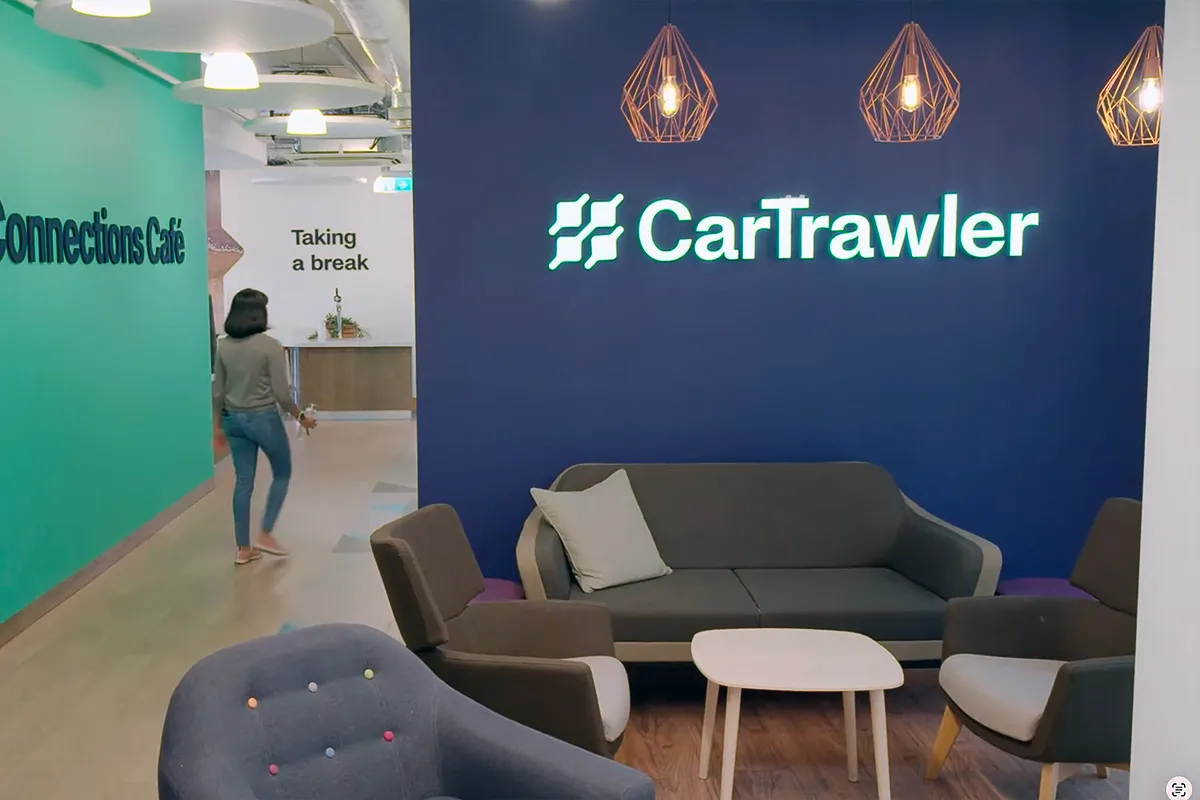
In a move that signals a profound evolution in its business model, Airbnb has officially entered the car rental sector. By partnering with the Irish B2B ground transportation specialist CarTrawler, the vacation rental giant is expanding its ecosystem beyond accommodations, inching closer to the profile of a traditional full-service Online Travel Agency (OTA).
This development, while seemingly incremental, represents a broader ambition for Airbnb to capture more of the traveler’s wallet. By embedding car rental services into its platform, the company is attempting to streamline the "trip planning" experience, keeping users within its digital environment from the moment they book a stay until they reach their destination.
The Core Facts: A Global Rollout
The integration of CarTrawler’s services is not merely a pilot program; it is a live, functional service currently operating in five major markets: the United States, France, Italy, Spain, and Australia.
The partnership was brought to light following the discovery of specific terms and conditions linked to an Airbnb credit program. While Airbnb has historically been reticent about disclosing its internal roadmap for service expansion, the company has since confirmed the existence of the partnership. Users in these markets can now access car rental options directly through the Airbnb interface, powered by the extensive supply network managed by CarTrawler.
For Airbnb, this is a calculated risk. For years, the platform’s value proposition was centered exclusively on unique stays. By adding ground transportation, Airbnb is acknowledging that the modern traveler demands a frictionless, "one-stop-shop" experience—a convenience that legacy players like Expedia, Booking Holdings, and Trip.com have mastered for decades.
Chronology: The Road to Integration
The journey toward this partnership is reflective of a wider trend in the travel industry where the lines between "niche platform" and "comprehensive travel provider" are increasingly blurred.
- Pre-2023: Airbnb focuses almost exclusively on refining its core product: home sharing and, to a lesser extent, "Experiences." During this period, the company resisted the urge to become a generalist OTA, fearing it would dilute its brand identity.
- Early 2024: Market pressures and a desire to increase the "attach rate" of ancillary services lead Airbnb leadership to explore ground transportation partnerships.
- May 2024: Industry reports emerge detailing a potential acquisition of CarTrawler by the Expedia Group for approximately $350 million. This creates a fascinating competitive dynamic: Airbnb is utilizing a technology provider that may soon be owned by its primary industry rival.
- Late 2024: The partnership goes live. The "Terms and Conditions" disclosures for a specific Airbnb credit program reveal the integration of CarTrawler, marking the official entry into the car rental space.
- Present Day: Airbnb continues to monitor user uptake in the five launch countries, with analysts speculating on a global rollout if conversion metrics meet expectations.
Supporting Data: The Economics of Ancillary Revenue
The travel industry is currently defined by the "Super App" mentality. According to recent market analysis, travelers are increasingly abandoning fragmented booking processes in favor of platforms that offer a cohesive itinerary.
- The Cross-Sell Opportunity: Data suggests that when travelers book a rental car alongside their accommodation, the likelihood of a platform retention increases by 15-20%. By capturing the car rental booking, Airbnb secures a touchpoint that occurs mid-trip, providing more data on the user’s movement and travel habits.
- The CarTrawler Network: CarTrawler is a powerhouse in the B2B space, aggregating inventory from thousands of rental agencies worldwide. For Airbnb, the benefit is clear: they do not have to manage fleet logistics or customer service for vehicle damage. They act as the front-end interface, while CarTrawler handles the heavy lifting of backend inventory management.
- Market Penetration: The selection of the U.S., France, Italy, Spain, and Australia is strategic. These are high-volume markets where car ownership or rental is often essential for the Airbnb guest experience, particularly for those staying in suburban or rural "vacation rental" style properties that are not as well-serviced by public transit as major city-center hotels.
Official Responses and Corporate Stance
Airbnb has maintained a relatively low profile regarding the specific mechanics of the deal, preferring to let the user interface speak for itself. However, in brief communications following the discovery of the partnership, an Airbnb spokesperson confirmed the integration, stating that the company is "constantly testing new ways to make the travel experience more seamless for our guests."
CarTrawler, meanwhile, has remained largely silent on the specific contractual nuances of the deal, which is standard for a B2B firm that operates primarily in the background. The looming shadow of the potential Expedia acquisition, however, complicates the narrative. If Expedia successfully acquires CarTrawler, the partnership will place Airbnb in the precarious position of relying on a technology provider owned by a direct competitor. Industry experts note that such arrangements are not uncommon in the travel sector, but they do raise questions about long-term data sharing and competitive pricing advantages.
Implications: The Transformation of Airbnb
The decision to partner with CarTrawler has profound implications for the travel landscape.
1. The Death of the "Niche" Player
Airbnb is no longer just a vacation rental company. It is actively shedding its identity as a disruption-focused tech firm and adopting the traditional metrics of a travel agency. By providing car rentals, the company is directly challenging the dominance of Expedia, Booking.com, and Kayak. If successful, the next logical steps for Airbnb could include flight booking integrations, insurance products, or integrated tour packages.
2. The Competitive Conflict
The most intriguing aspect of this deal is the competitive overlap. If Expedia completes its $350 million acquisition of CarTrawler, Airbnb will essentially be paying a fee to its biggest rival every time an Airbnb user rents a car. This creates a "frenemy" relationship that is common in the tech world but rare in the highly competitive travel space. It suggests that Airbnb prioritized speed-to-market over building a proprietary, independent ground transportation infrastructure.
3. User Experience vs. Brand Identity
For the end user, the primary benefit is convenience. A traveler can book a cabin in the Italian countryside and a Fiat to get there from the airport without leaving the Airbnb app. However, there is a risk of "feature creep." Airbnb has long prided itself on a clean, simple user interface. Adding rental car search filters, insurance add-ons, and driver requirements could clutter the experience, potentially alienating the core demographic that uses Airbnb specifically for its simplicity and unique personality.
4. Data Ownership and Monetization
The partnership allows Airbnb to gather more granular data. Knowing where a guest is renting a car provides insight into their total travel radius. This data is invaluable for Airbnb’s recommendation engine, allowing them to suggest "Experiences" or homes in locations that might have previously been overlooked.
Conclusion: A New Frontier
Airbnb’s pivot toward becoming a comprehensive travel platform is a defensive and offensive maneuver. Defensively, it protects the company from travelers who might choose to book elsewhere simply because those other sites offer a "one-stop-shop" convenience. Offensively, it opens a new, high-margin revenue stream that requires little operational overhead.
The success of this partnership will be measured by the adoption rate in the five current markets. If travelers find the integration useful and seamless, it is only a matter of time before Airbnb expands its transportation offerings. Whether this leads to a full-scale OTA model or a curated, limited-service model remains to be seen. What is clear, however, is that the era of Airbnb as a pure-play accommodation platform is effectively over. The company is now a player in the broader travel infrastructure, competing on the same terms as the giants it once sought to displace.
